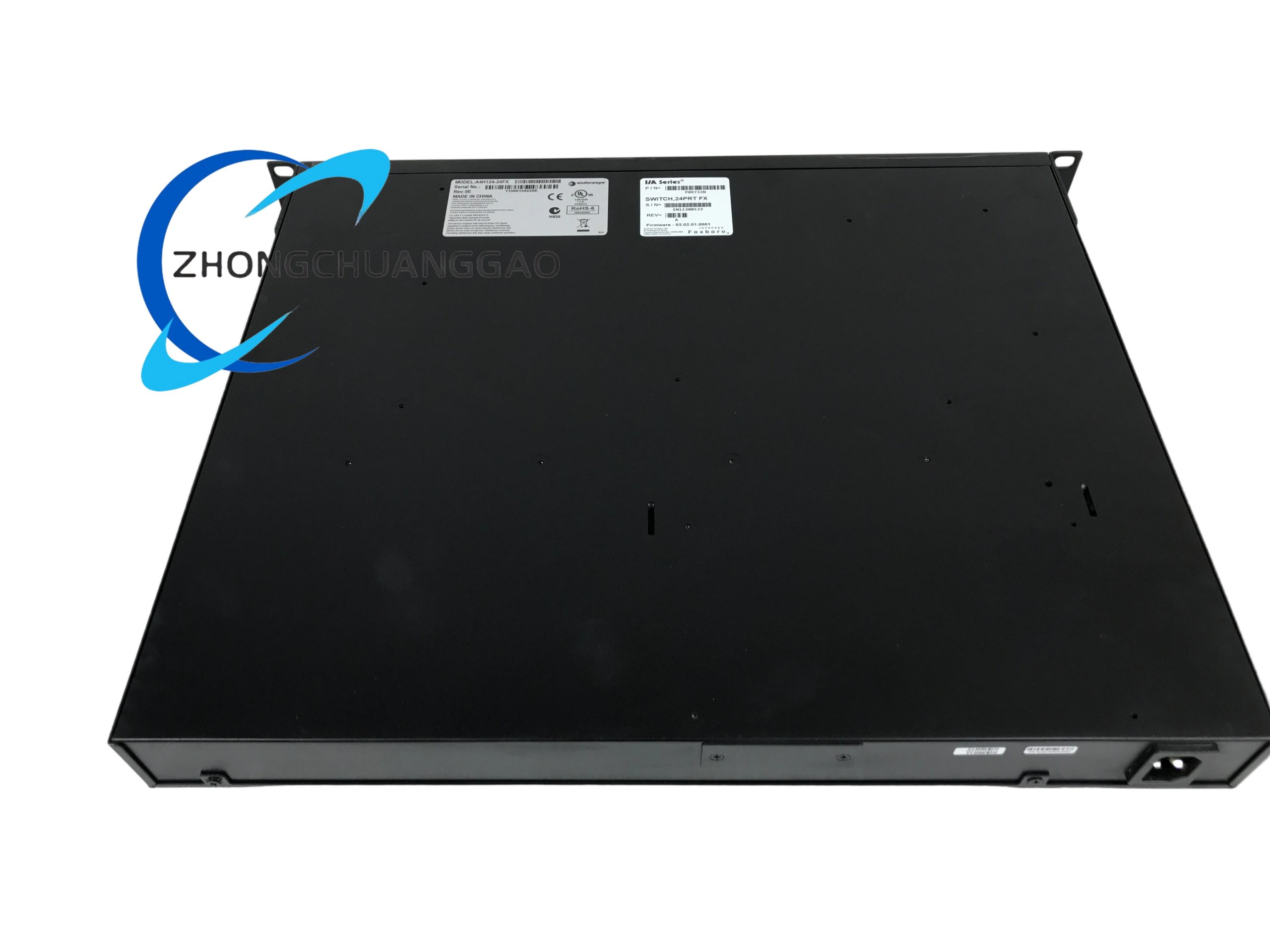
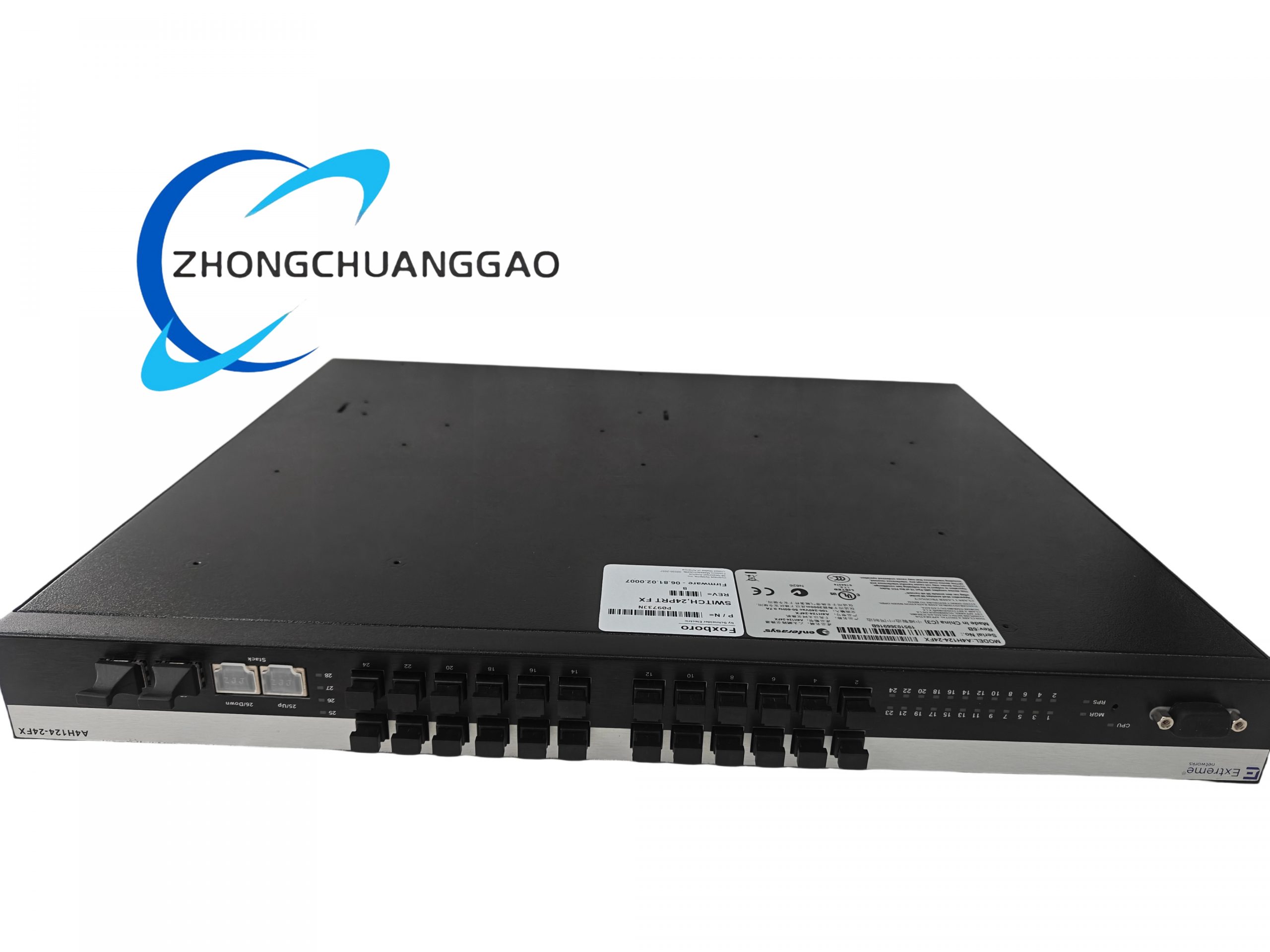
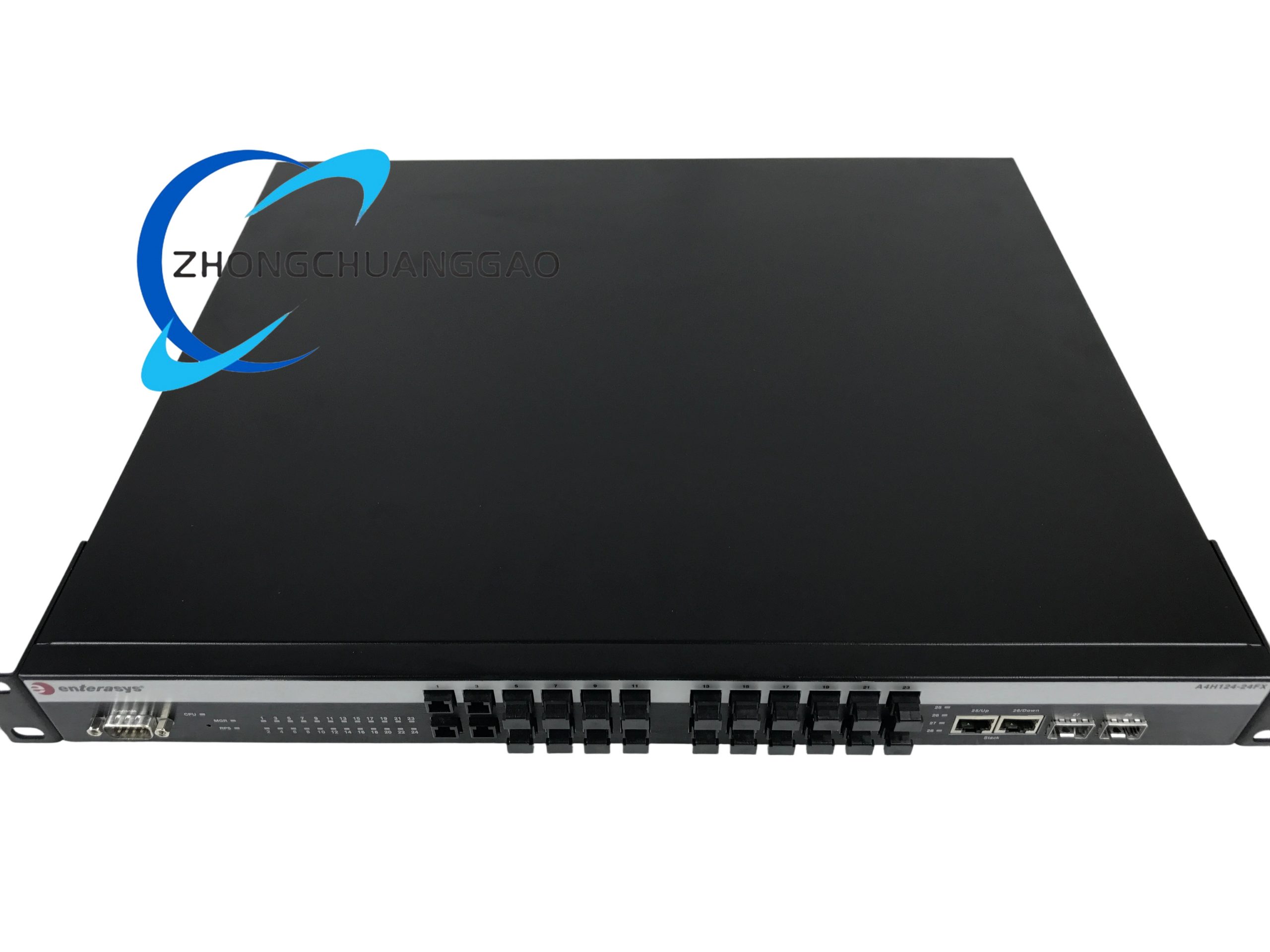
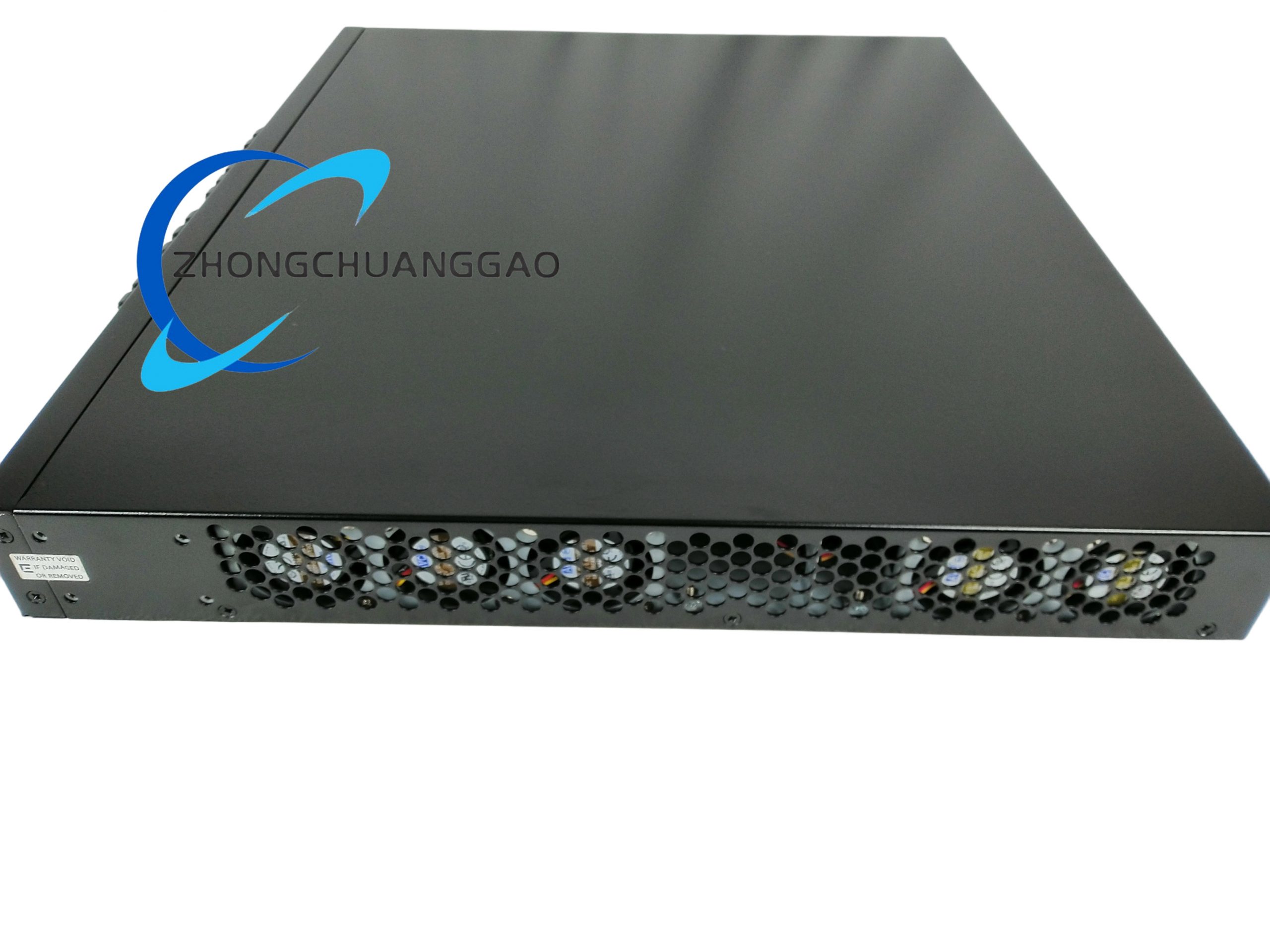
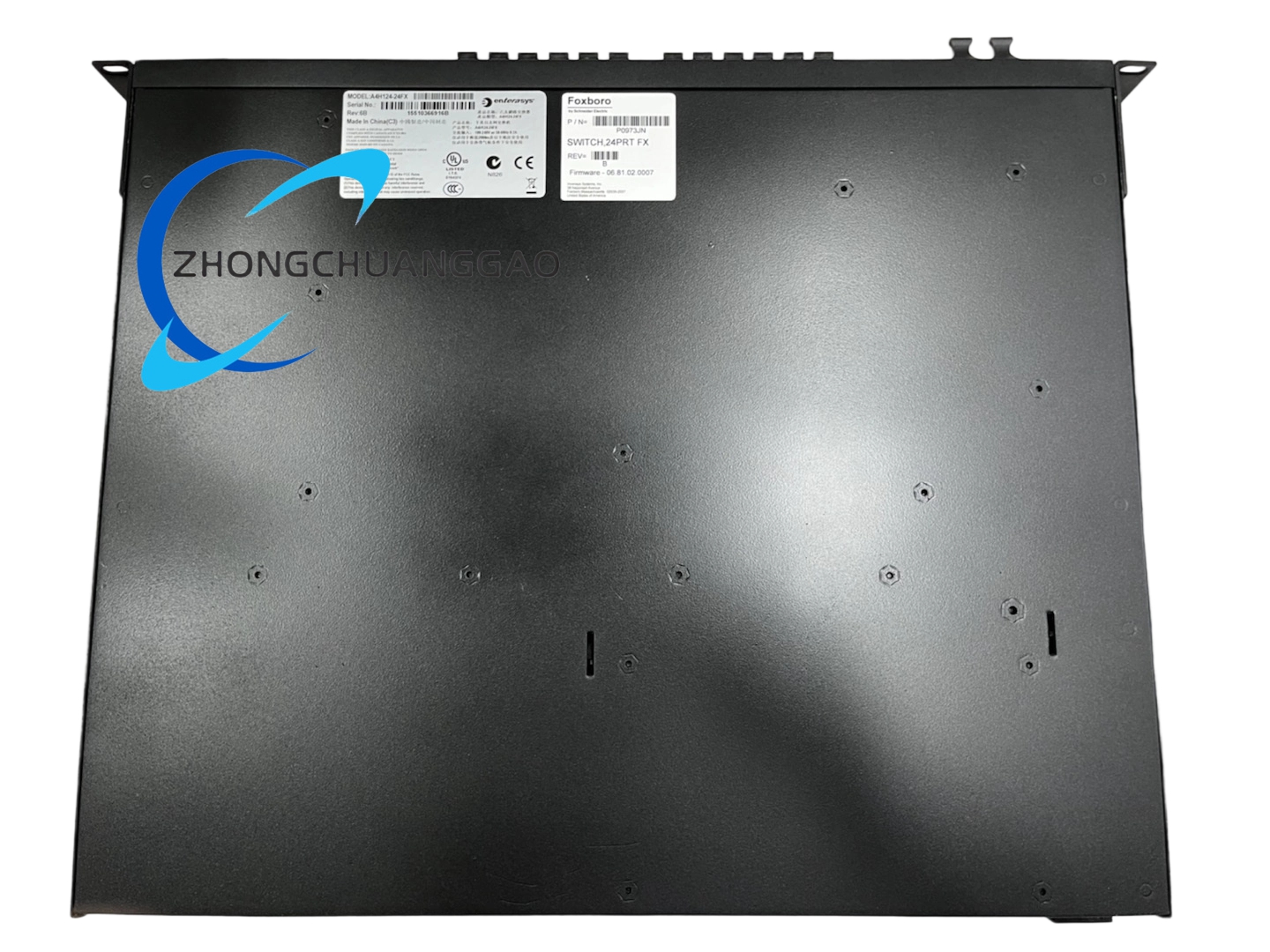
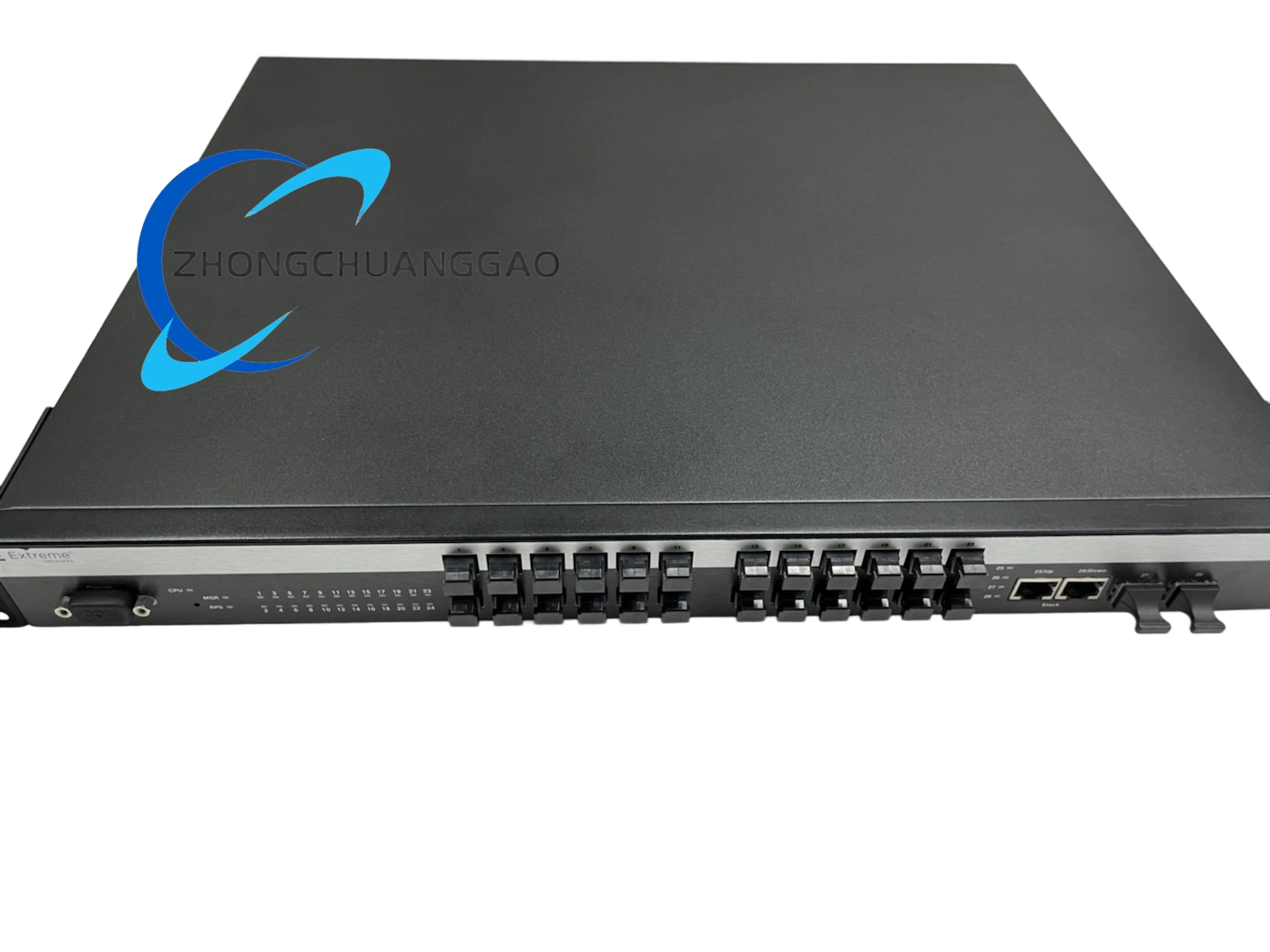
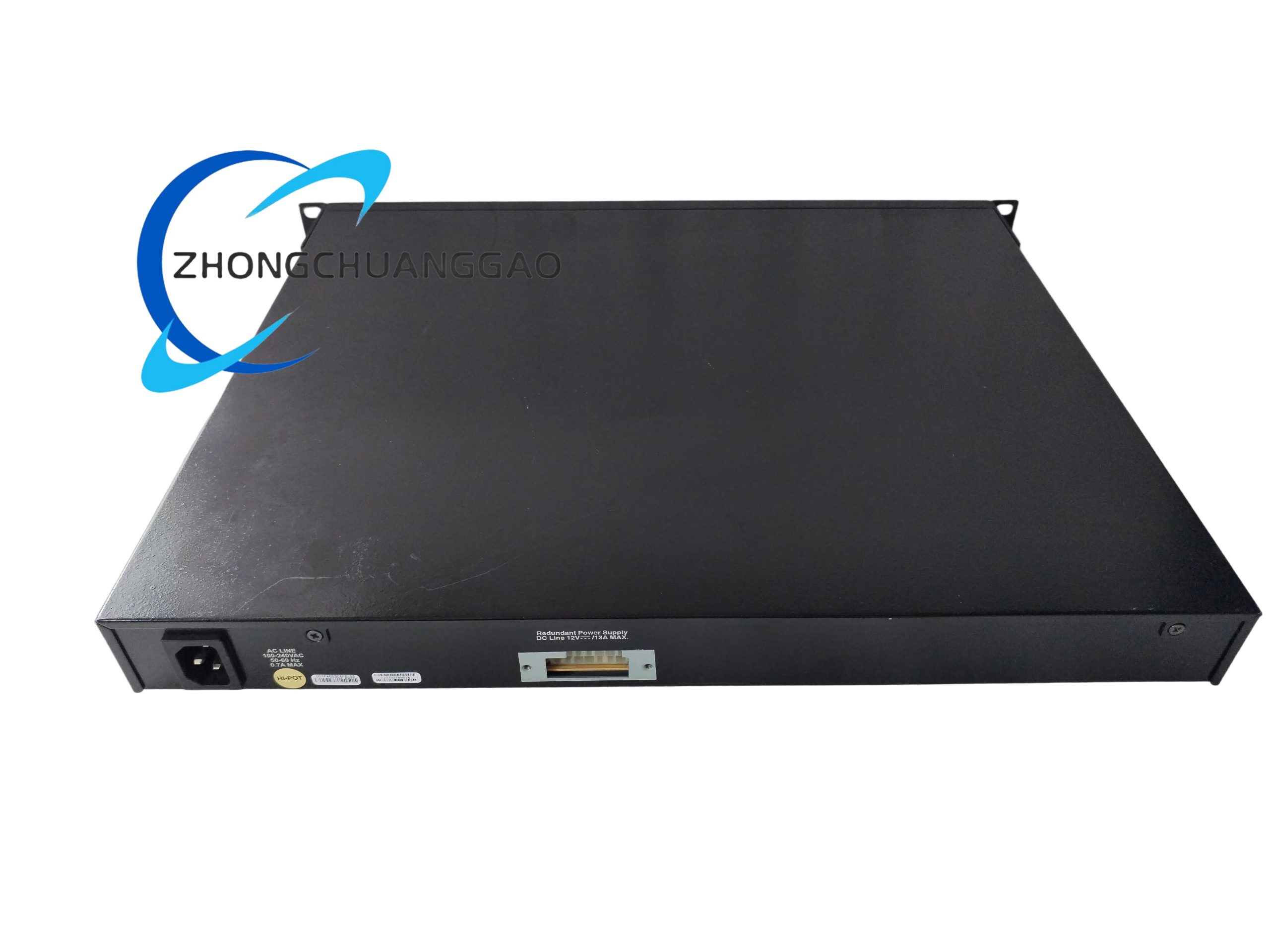
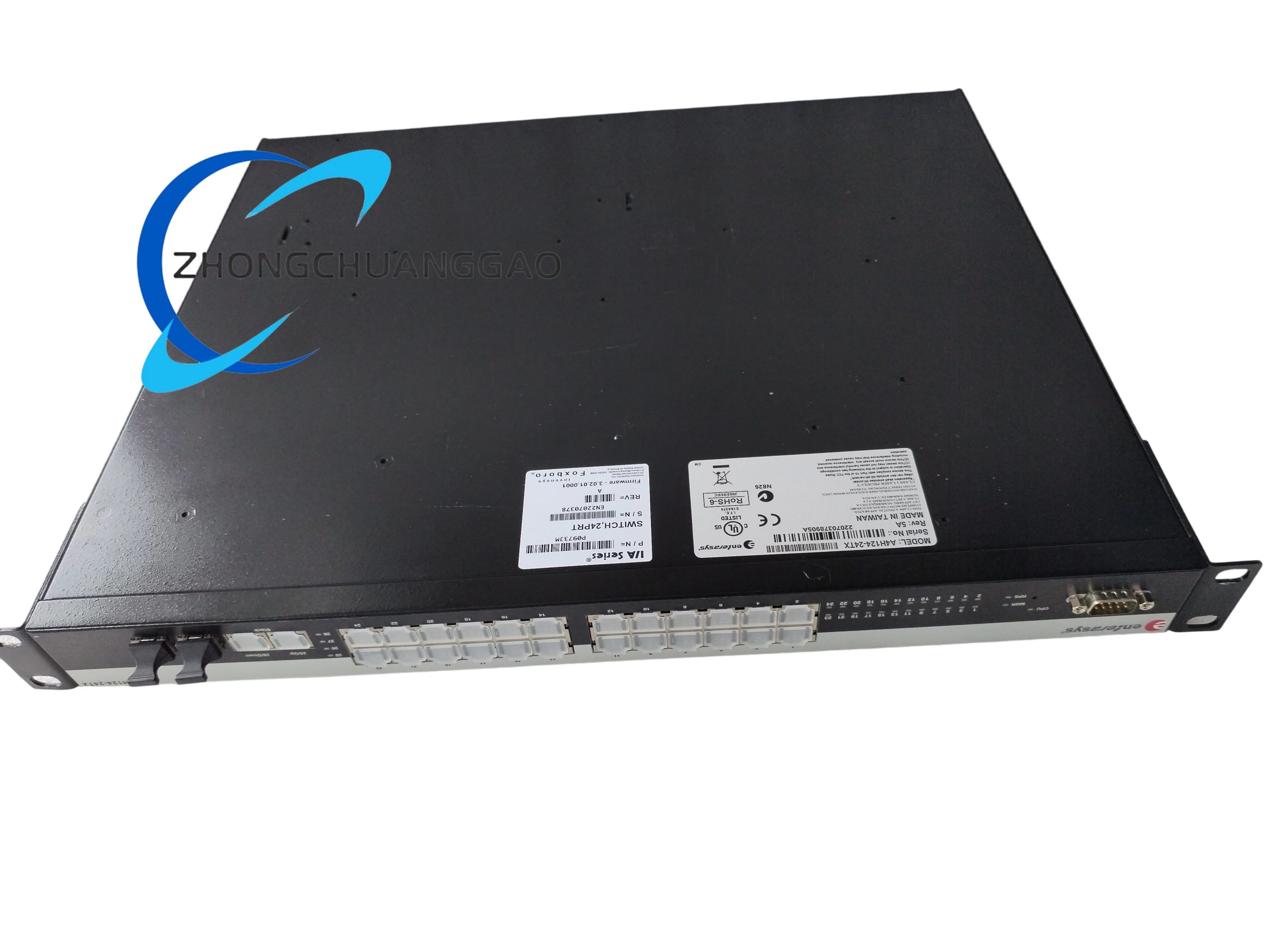
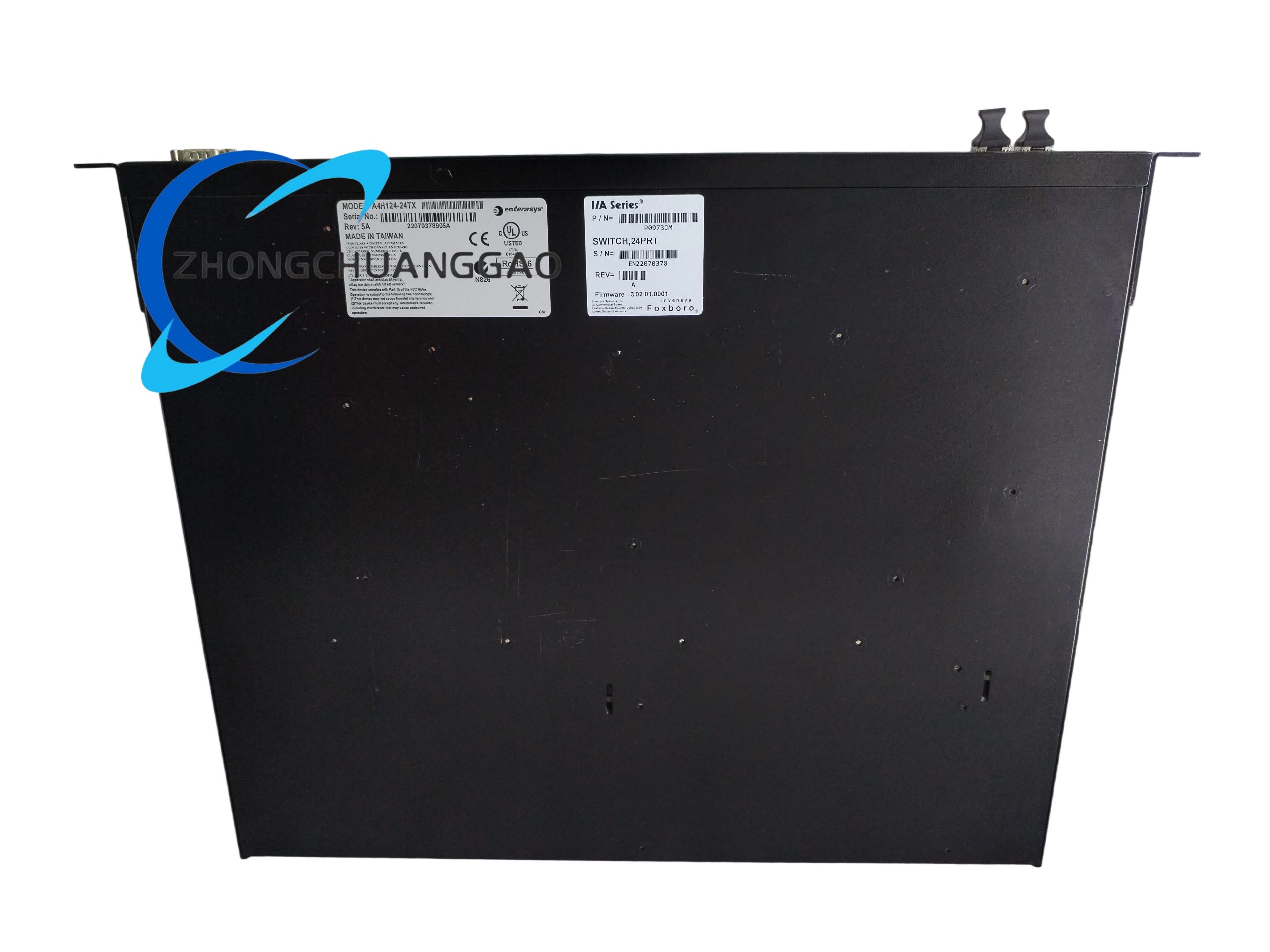
Port Configuration: It comes with 12 Ethernet ports, which can be used to connect various network devices such as computers, servers, and other switches. The ports support high - speed data transfer, likely up to gigabit speeds.
Switching Capacity: Has a high switching capacity that enables it to handle a large volume of network traffic. This ensures that data can be processed and forwarded quickly, minimizing latency and improving network performance.
Security Hardware: Incorporates dedicated security hardware to accelerate security operations such as encryption and decryption. This helps in maintaining high - security standards without sacrificing network performance.
Port Configuration: It has 12 PoE - enabled ports, which can provide both data connectivity and electrical power to connected devices. Additionally, it may have other non - PoE ports for general network connections.
PoE Power Budget: Has a defined PoE power budget that determines the total amount of power it can supply to connected PoE devices. This ensures that all connected devices receive the required power without overloading the switch.
Switching Capacity: Offers a sufficient switching capacity to handle the data traffic generated by the connected devices. This capacity is important for maintaining low latency and high - performance network operations.
Port Speed: Offers high - speed ports, likely supporting gigabit or even higher speeds. This allows for fast data transfer between connected devices, reducing the time required for large file transfers and improving the performance of bandwidth - intensive applications.
Packet Forwarding Rate: Has a high packet forwarding rate, which indicates its ability to process and forward network packets quickly. A high packet forwarding rate is essential for maintaining low latency in the network and ensuring smooth data flow.
Memory Capacity: Comes with sufficient memory to store routing tables, access control lists, and other network - related information. This memory capacity affects the device's ability to handle complex network configurations and large - scale networks.
Connection Capacity: It can support a certain number of simultaneous remote connections. The capacity is determined by its hardware and software capabilities, ensuring that multiple remote users can access the network without significant performance degradation.
Encryption Standards: Supports industry - standard encryption protocols to secure the data transmitted between remote users and the enterprise network. This includes protocols such as SSL/TLS for secure web - based access and IPsec for virtual private network (VPN) connections.
Authentication Methods: Offers multiple authentication methods to verify the identity of remote users. This can include username/password authentication, digital certificates, and multi - factor authentication, enhancing the security of remote access.
Port Configuration: It comes with multiple ports to facilitate various network connections. The exact number and type of ports are optimized for flexible network design, enabling the connection of different network devices such as servers, workstations, and other switches.
Switching Capacity: Has a high switching capacity that allows for efficient data transfer within the network. This ensures that large amounts of data can be processed and forwarded quickly, minimizing latency and improving overall network performance.
Backplane Bandwidth: The backplane bandwidth provides the internal communication pathway within the switch. A sufficient backplane bandwidth in the SSR-HFX21-08 enables smooth data flow between different ports, preventing bottlenecks.
Ports: 24 x 10/100/1000BASE - T Ethernet ports, all supporting PoE with a total power budget that can supply power to multiple devices simultaneously.
Switching Capacity: Offers wire - speed switching performance with a sufficient backplane bandwidth to handle the combined data and power requirements of connected devices.
PoE Standards: Complies with IEEE 802.3af and IEEE 802.3at PoE standards, ensuring compatibility with a wide range of PoE - enabled devices.
Management: Supports standard network management protocols such as SNMP and RMON for remote monitoring and configuration of the switch and connected PoE devices.
Processor: Equipped with a high - performance processor to handle complex network management tasks, such as routing, switching, and security processing.
Memory: Features sufficient memory capacity to store network configuration data, routing tables, and other essential information for efficient switch operation.
Connectivity: Connects to other modules in the switch chassis through high - speed backplane links, enabling fast communication and coordination between modules.
Management Interfaces: Provides multiple management interfaces, including console port, Ethernet management port, and out - of - band management port, for local and remote management of the switch.
Ports: 48 x 10/100/1000BASE - T Ethernet ports, supporting full - duplex operation and auto - negotiation for speed and duplex mode.
Backplane Connectivity: Connects to the switch chassis backplane, providing high - bandwidth communication with other modules in the chassis.
Power Consumption: Designed to be energy - efficient, minimizing power usage while providing high - performance switching capabilities.
Management: Can be managed through the chassis management interface, supporting standard network management protocols for centralized monitoring and configuration.
Ports: 24 x 10/100/1000BASE - T Ethernet ports and additional uplink ports (e.g., 10G SFP+ slots) for high - speed connectivity to core switches or other network devices.
Switching Capacity: Features a high - capacity switching fabric, providing wire - speed switching performance for all ports, even under heavy network loads.
Stacking: Supports stacking with other compatible switches, allowing for easy network expansion and centralized management of multiple switches as a single entity.
Management: Offers a comprehensive management interface with support for SNMP, RMON, and CLI for advanced configuration and monitoring.
Ports: 48 x 10/100/1000BASE - T Ethernet ports and additional uplink ports (e.g., SFP/SFP+ slots) for high - speed connectivity to other network devices.
Switching Capacity: Features a high - capacity backplane and advanced switching fabric, providing non - blocking wire - speed switching for all ports simultaneously.
Routing Capability: Supports Layer 3 routing protocols such as OSPF (Open Shortest Path First) and BGP (Border Gateway Protocol), enabling it to act as a core router in the network.
Management: Offers comprehensive management features including SNMP, RMON, and a powerful web - based management interface for in - depth network monitoring and configuration.