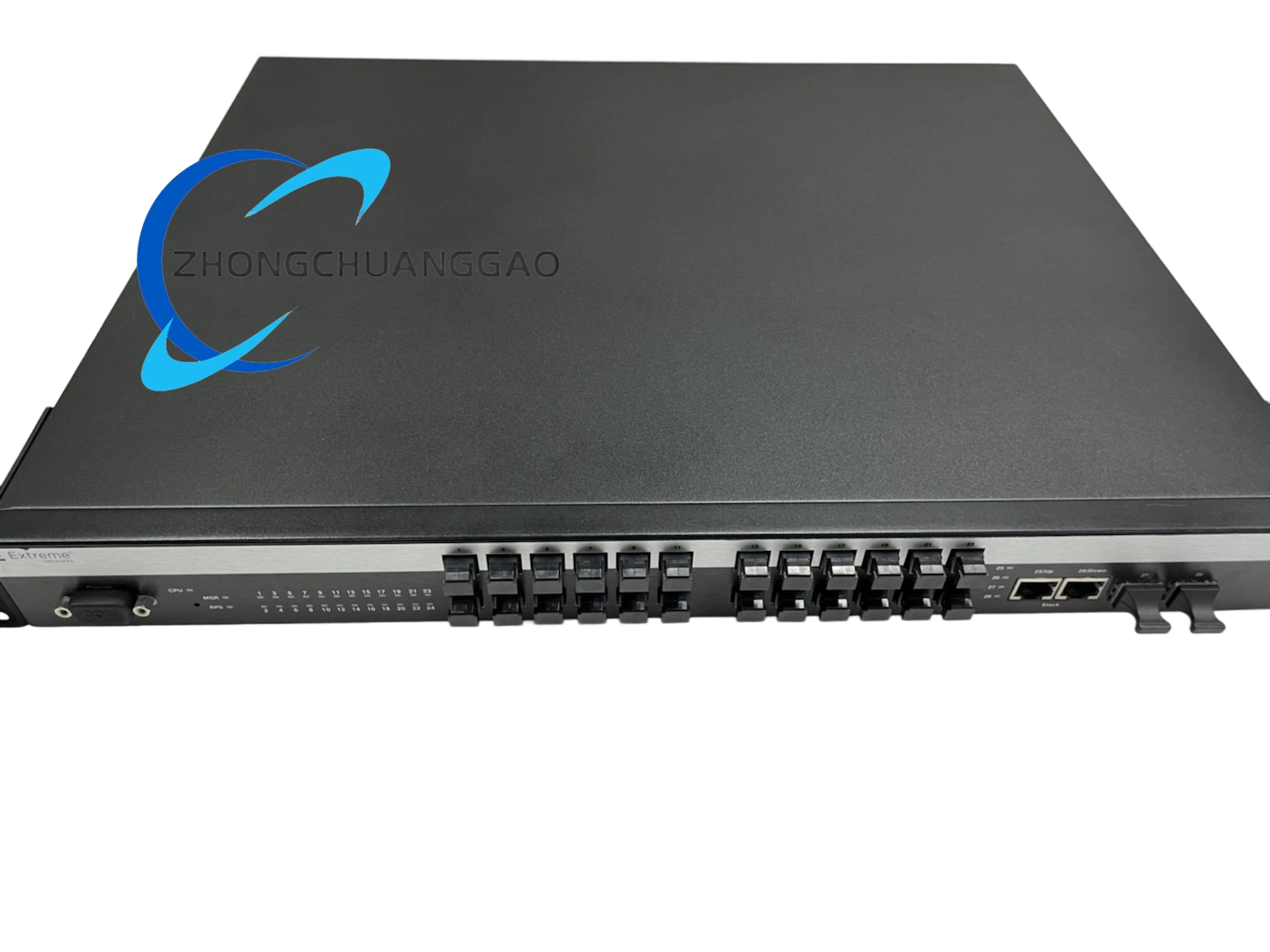
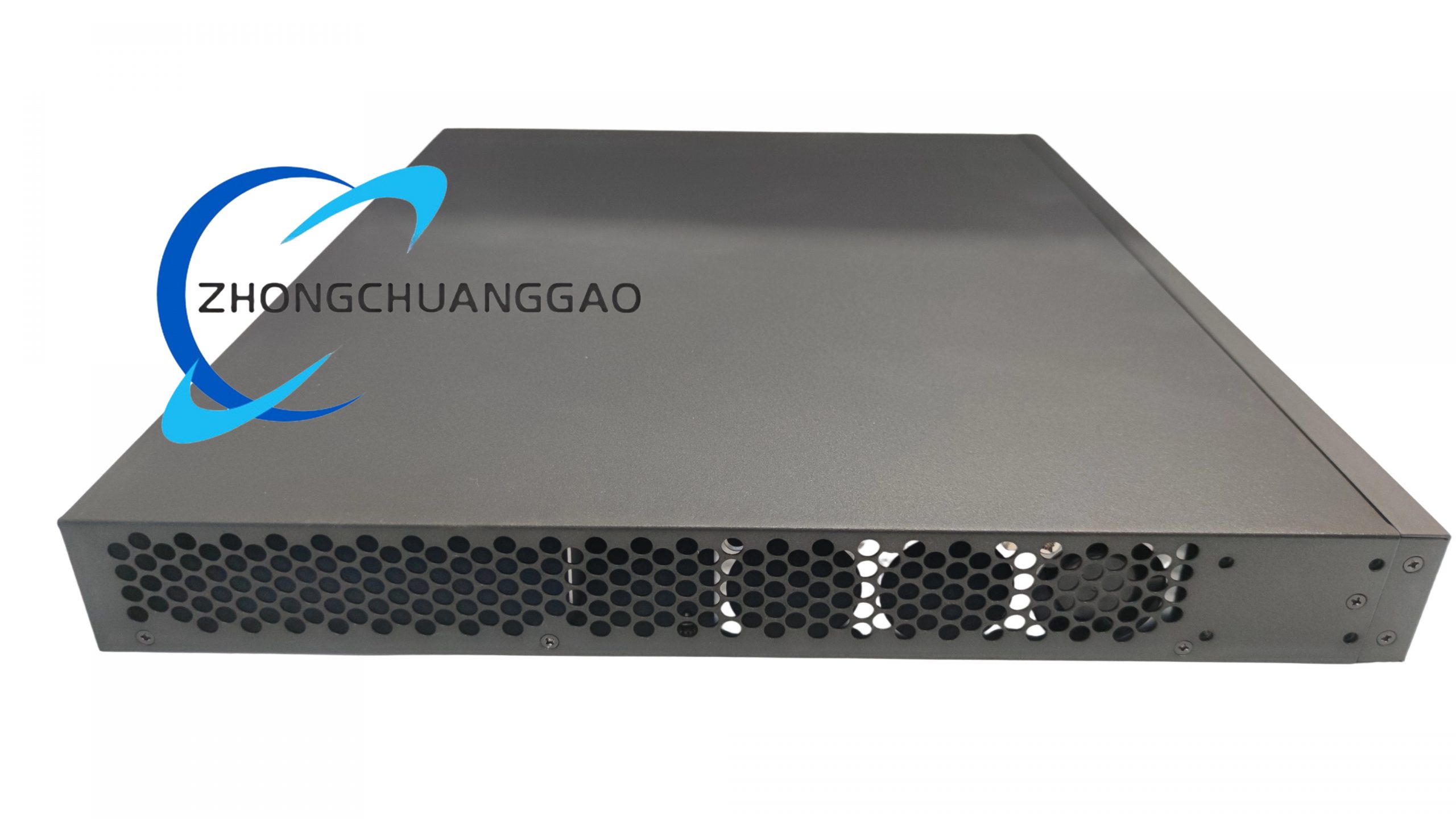
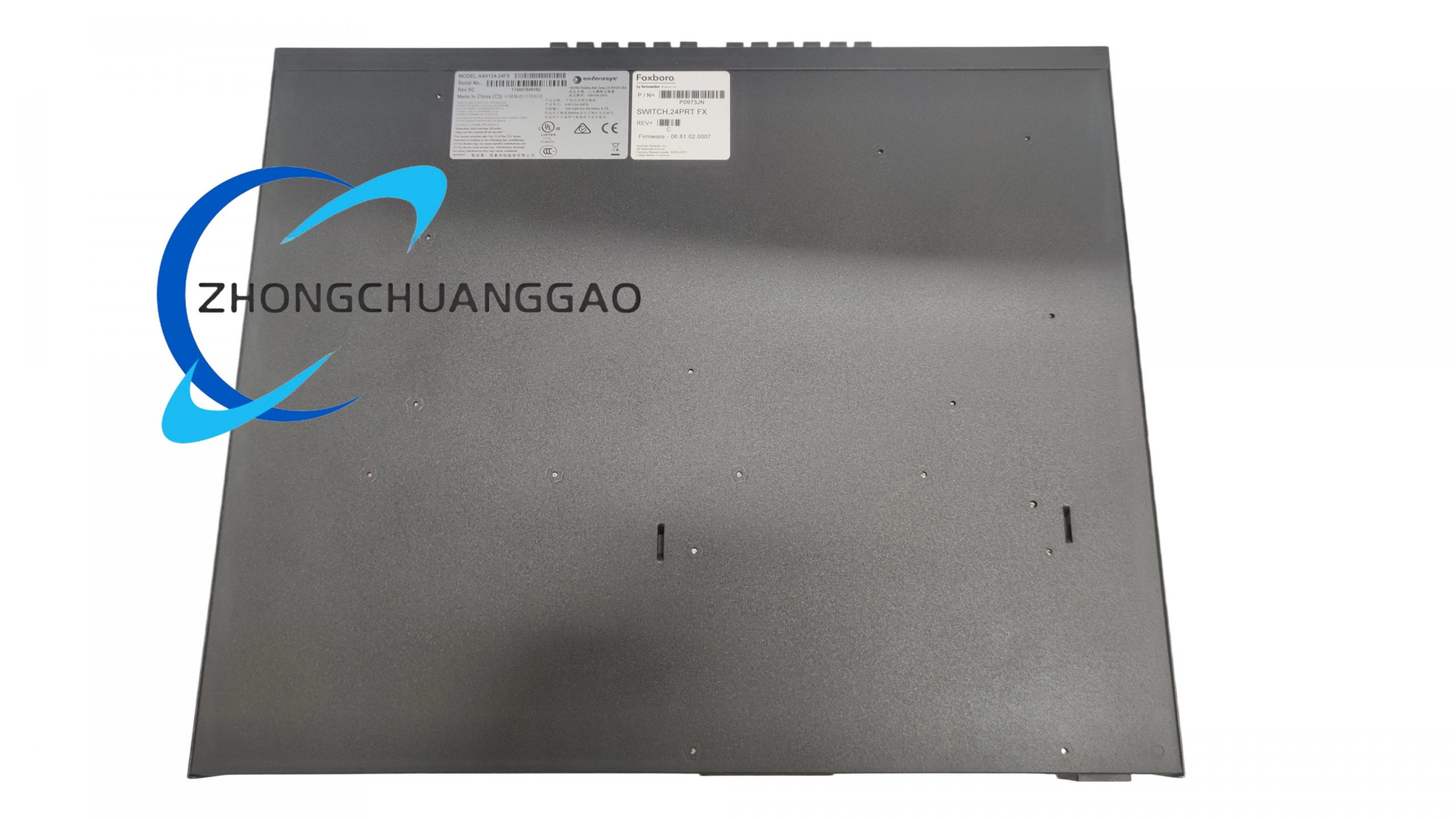
General Information: Due to lack of detailed public data, specific port numbers, speed, etc. are not available. It may support common network protocols and interfaces.
Ports: Has 8 Ethernet ports for connecting to different network segments.
Routing Protocols: Supports a variety of routing protocols such as OSPF (Open Shortest Path First) and BGP (Border Gateway Protocol) for efficient routing.
Security Features: Incorporates advanced security features like firewall, intrusion detection and prevention system (IDPS), and virtual private network (VPN) support.
Compatibility: Compatible with a wide range of Enterasys network devices, allowing for unified management.
Management Protocols: Supports standard management protocols such as SNMP (Simple Network Management Protocol) for easy integration with existing network management systems.
Ports: Has 48 Ethernet ports, allowing for extensive device connectivity.
Speed: Supports high - speed data transmission, ensuring smooth operation of bandwidth - intensive applications.
Stacking Capability: May support stacking, which enables multiple switches to be combined into a single logical unit, increasing port density and simplifying management.
Ports: It has 48 Ethernet ports, providing ample connectivity options for various devices within the network.
Speed: Supports high - speed data transfer, enabling efficient communication between connected devices.
Power over Ethernet (PoE): Some or all ports may support PoE, allowing the switch to power devices such as IP phones, wireless access points, and security cameras directly through the Ethernet cable.
Threat Detection Rate: Has a high threat detection rate, using advanced algorithms and techniques to identify known and unknown threats in real - time. This includes malware, viruses, intrusions, and other malicious activities.
Performance Capacity: Offers sufficient performance capacity to handle the security processing tasks without significantly impacting network performance. It can analyze a large volume of network traffic while maintaining low latency.
Connectivity Options: Provides various connectivity options, such as Ethernet ports, to connect to the enterprise network. These ports allow for the inspection of both inbound and outbound traffic.
Port Configuration: It has a large number of ports, including high - speed Ethernet ports and possibly fiber - optic ports. The port configuration is designed to handle a massive amount of network traffic and support a wide range of network devices.
Switching Capacity: Features an extremely high switching capacity, capable of processing and forwarding a large number of network packets per second. This ensures that the switch can keep up with the demands of high - traffic enterprise networks and data centers.
Backplane Bandwidth: The backplane bandwidth is very large, providing a high - speed internal communication pathway within the switch. This allows for smooth data flow between different ports and prevents bottlenecks even under heavy load.