Digital guide
You are here:
- Home
- Kollmorgen
- Kollmorgen P01206-NBC
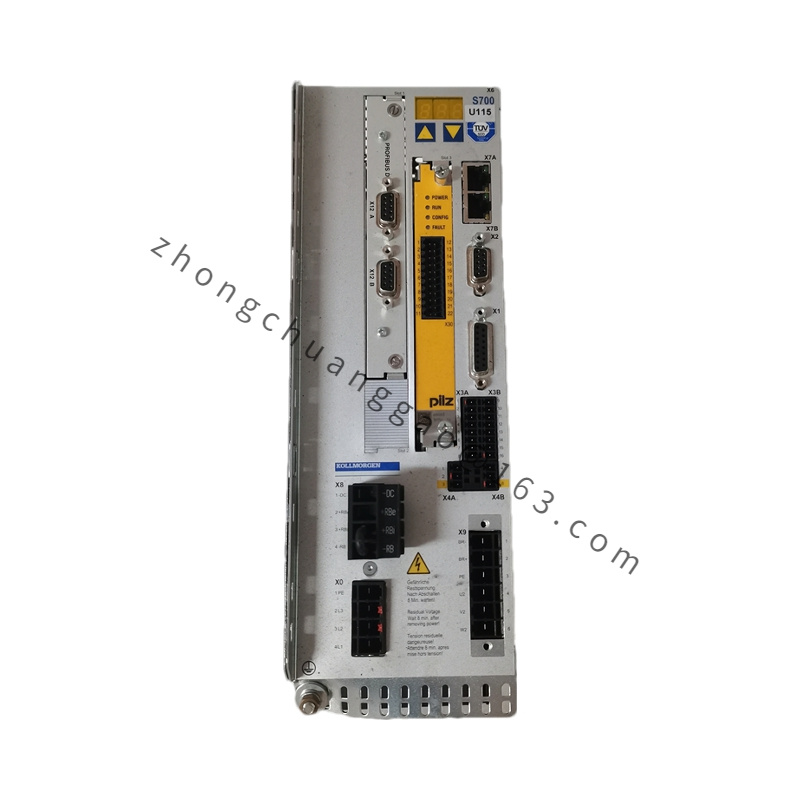
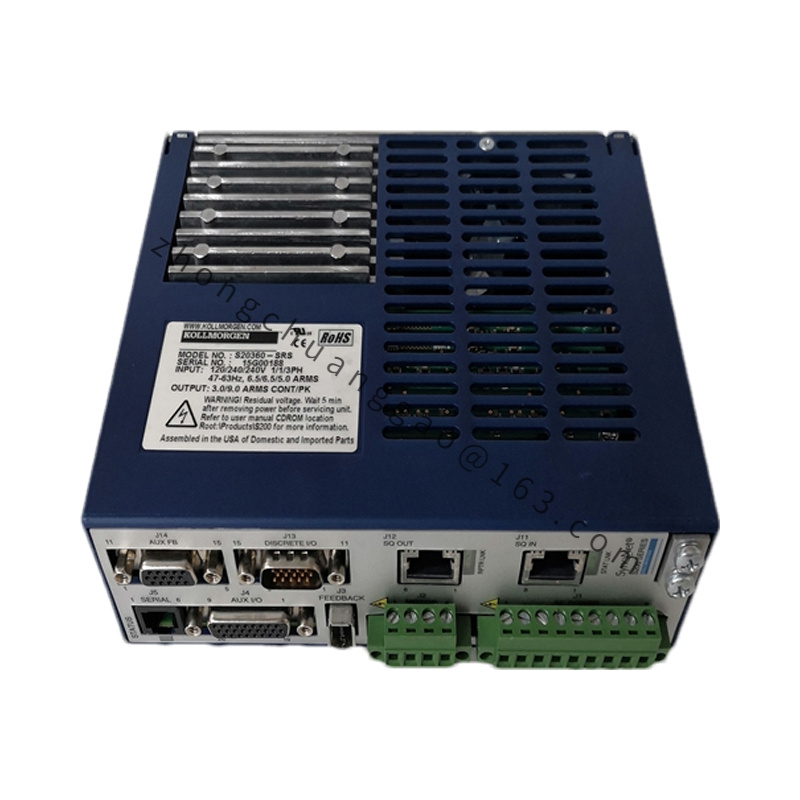
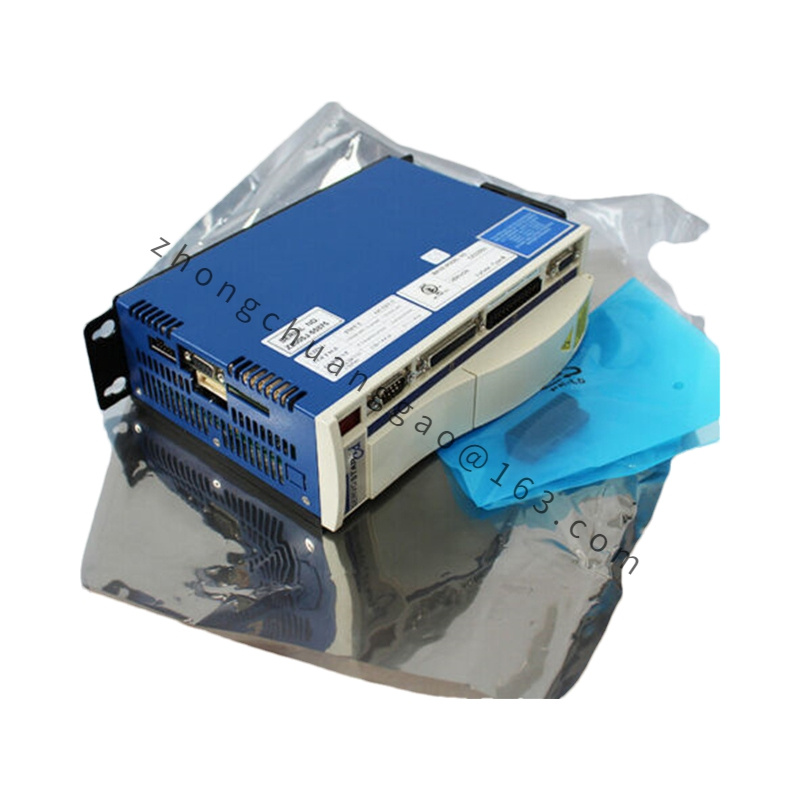
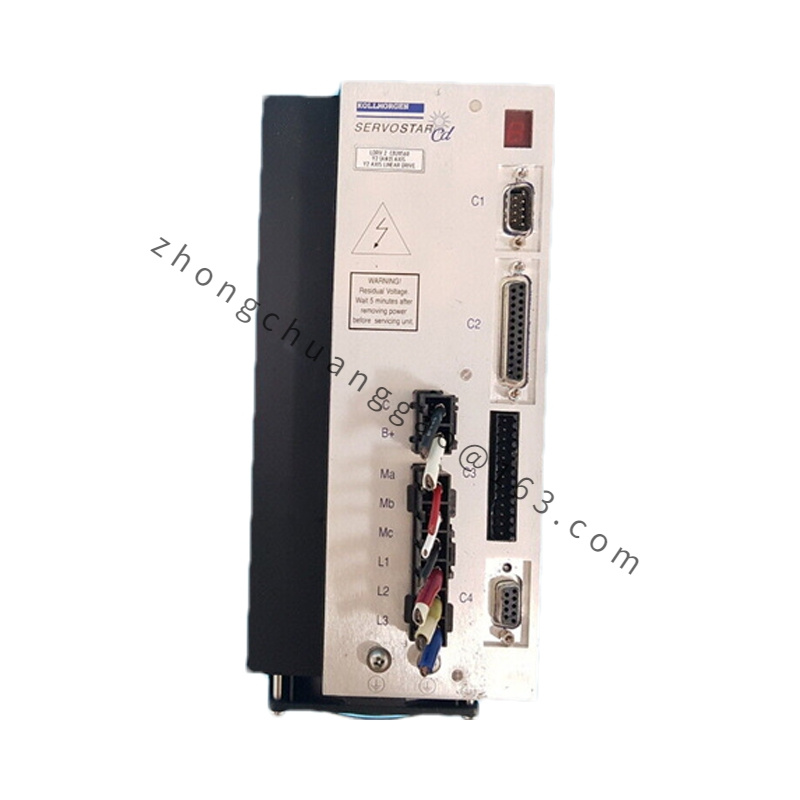
Kollmorgen P01206-NBC
-
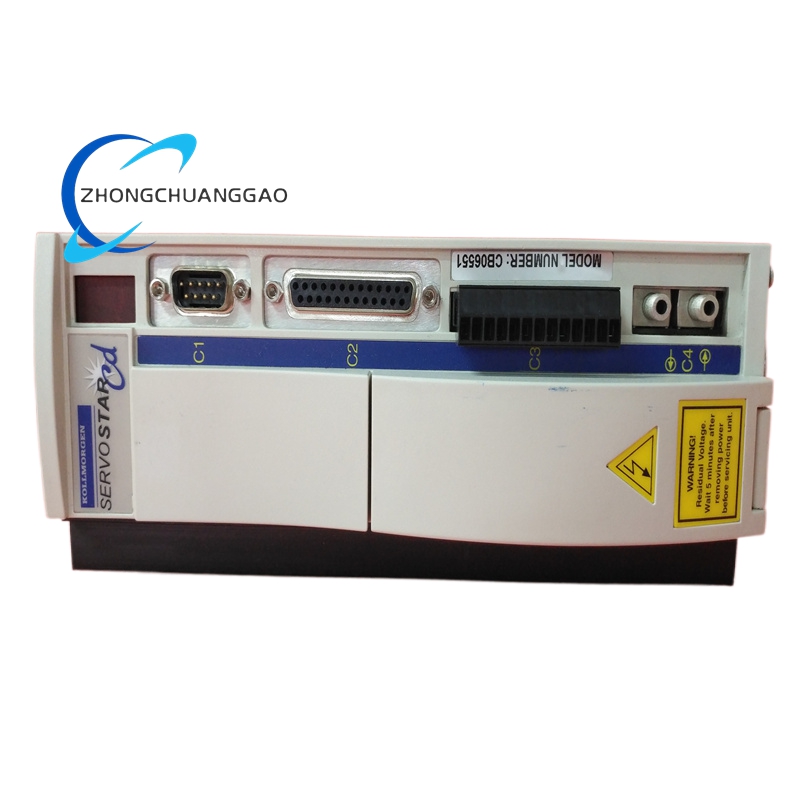
Product Name: AKD Series Servo Drive (Position Indexer Type)
-
Product Introduction: The P01206-NBC is a high-performance Ethernet-based servo drive from the AKD series, designed for precision position control in industrial automation. It supports seamless integration with Kollmorgen servo motors and offers plug-and-play commissioning via WorkBench software.
Detailed content
-
Technical Specifications:
-
Input Voltage: 120–240 VAC, single/three-phase (85–265 VAC range)
-
Rated Output Current: 12 Arms
-
Peak Output Current: 30 Arms
-
Continuous Output Power: 4000 W
-
Control Modes: Position, Velocity, Torque
-
Communication Interfaces: Ethernet TCP/IP, compatible with EtherCAT, Modbus TCP
-
Feedback Support: SFD, EnDat 2.2, BiSS, Sin/Cos encoder, Resolver, Hiperface
-
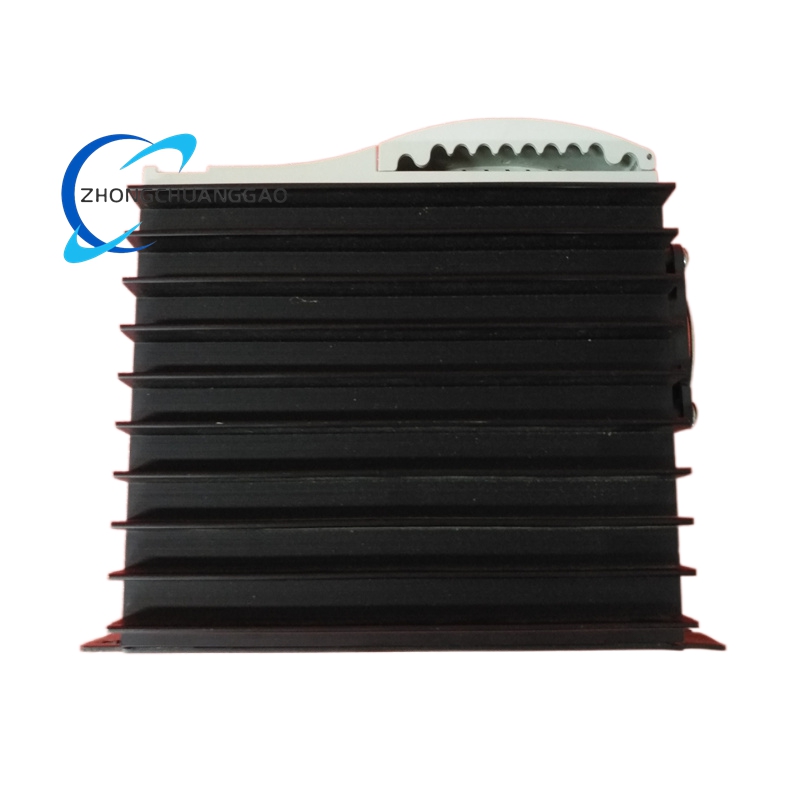
Cooling Method: Natural convection (NB suffix indicates no fan)
-
Protection Rating: IP20
-
-
Functional Features:
-
Built-in 24V brake control for safe motor holding
-
Graphical tuning and diagnostics via Kollmorgen WorkBench
-
SIL-certified over-current, over-voltage, over-temperature detection
-
High bandwidth current loop (up to 2.5–4 kHz)
-
-
Application Scenarios: Automated assembly lines, packaging machinery, labeling equipment, small-scale robotics requiring precise positioning.
-
Performance Parameters:
-
Velocity Loop Bandwidth: 0–1000 Hz
-
Position Loop Bandwidth: 1–250 Hz
-
Torque Loop Update: 0.67 µs
-
-
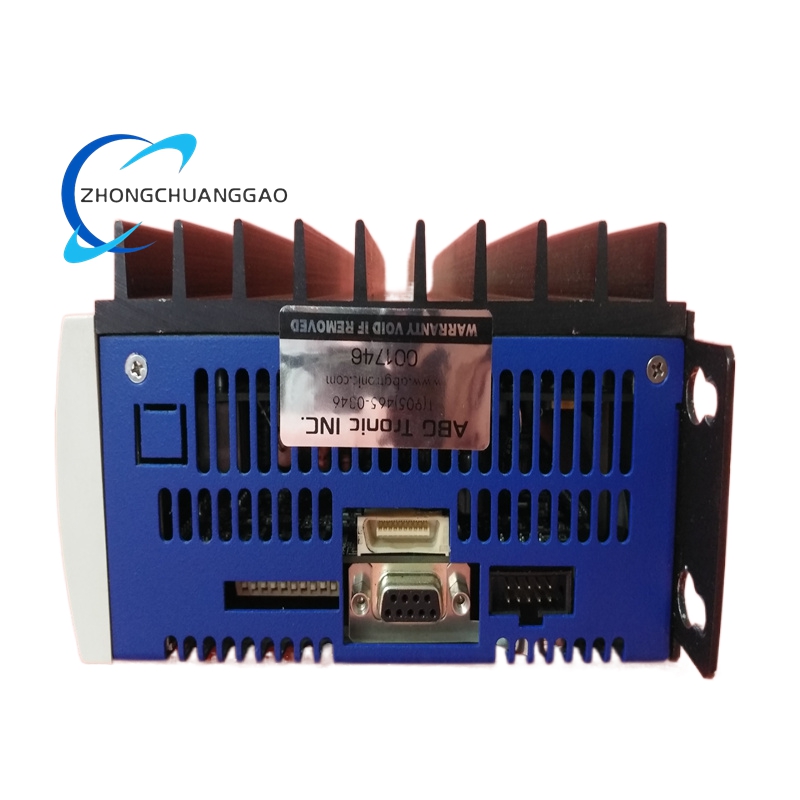
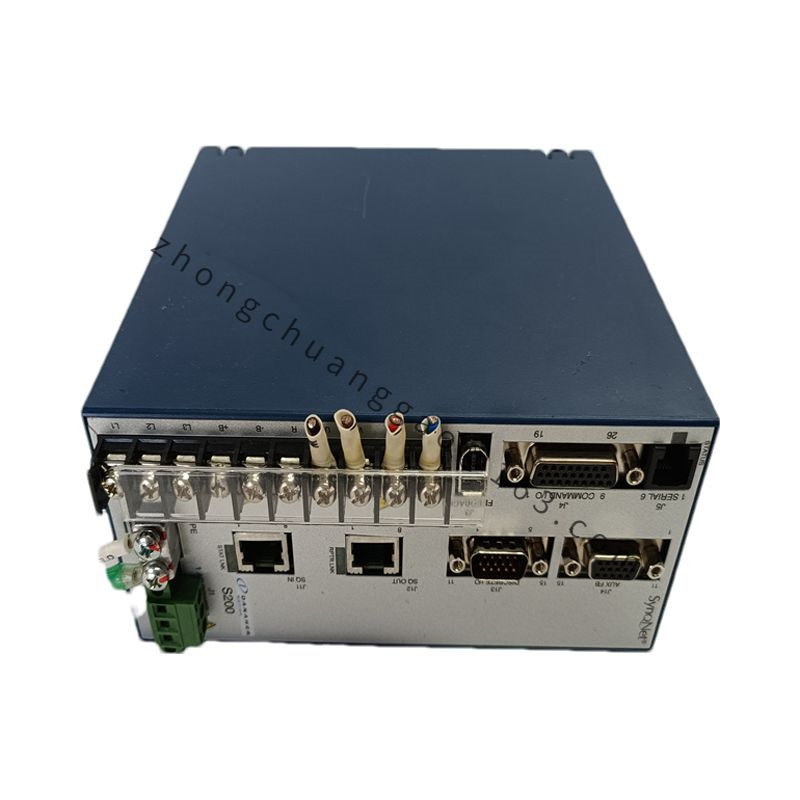
Material & Structure: Compact metal housing with screw-terminal I/O connectors; optically isolated digital I/O; DIN-rail or panel mountable.
-
Working Principle: Converts AC input to regulated DC bus, then synthesizes sinusoidal PWM output to control motor phases based on real-time feedback and host commands.
-
Installation Requirements: Requires adequate clearance for airflow; secure mounting on non-vibrating panel; proper grounding per IECstandards.
-
Usage Precautions: Ensure input voltage matches supply; verify motor insulation class (F or higher); avoid operating beyond 40°C ambient without derating.


.jpg)