Digital guide
You are here:
- Home
- Kollmorgen
- Kollmorgen CE10260
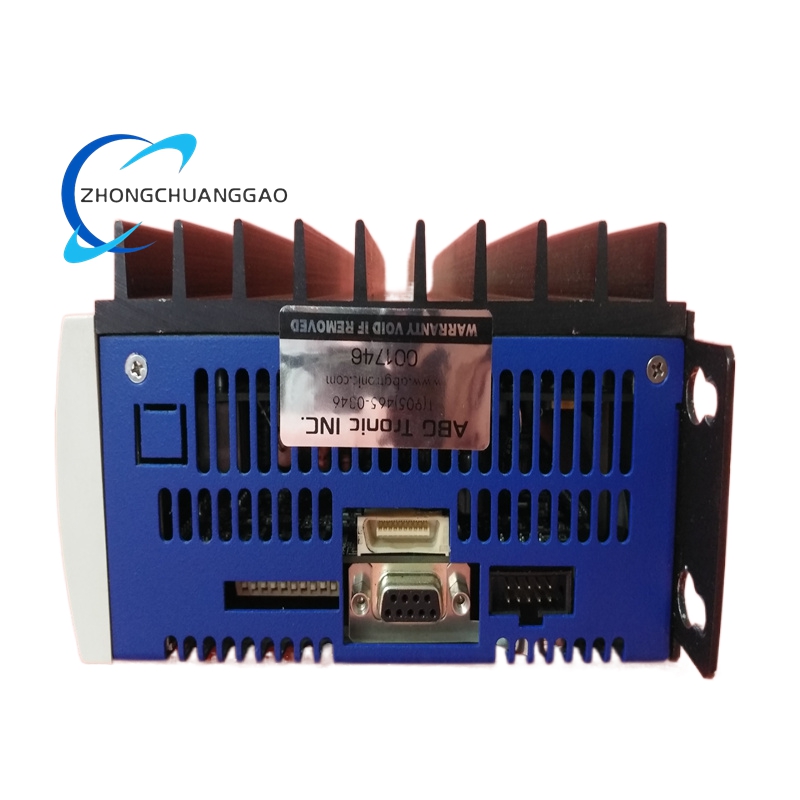
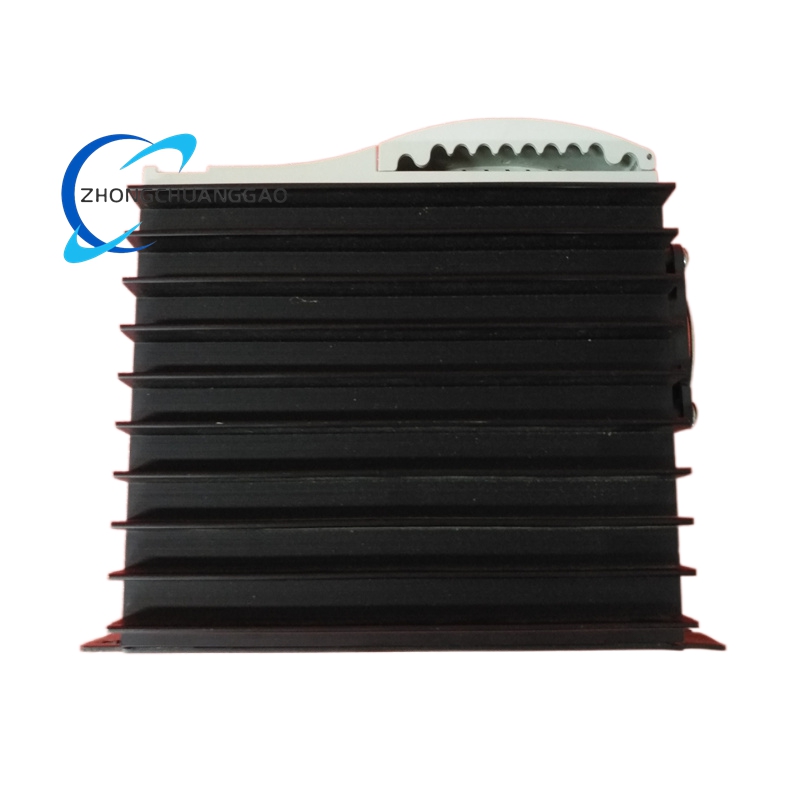
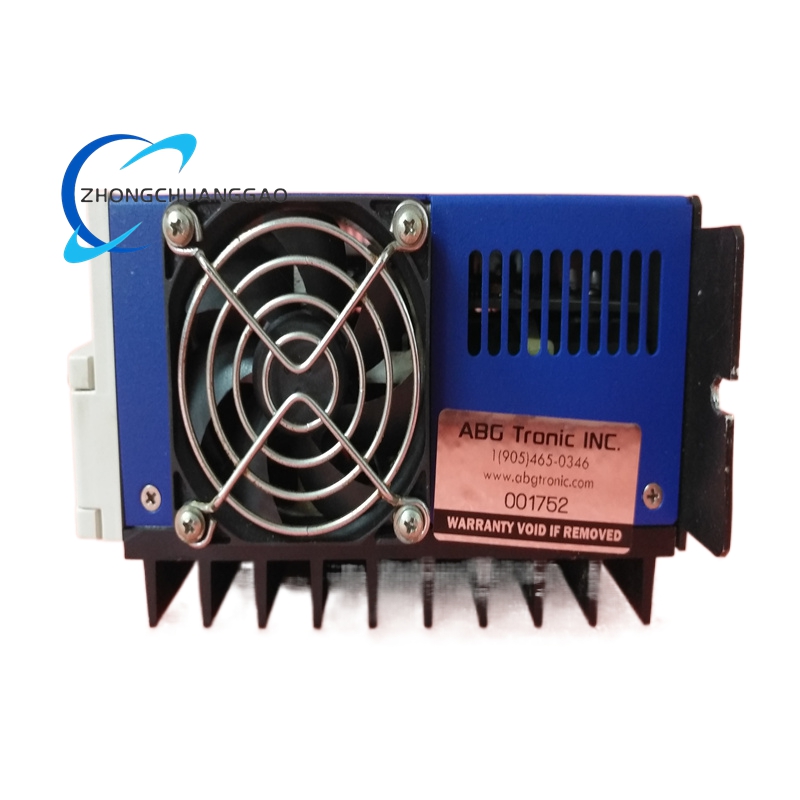
Kollmorgen CE10260
Model Series: CE Series
Product Overview:
The CE10260 is a high-resolution capacitive absolute encoder from Kollmorgen’s CE product line. It uses capacitive sensing technology (instead of optical) to determine shaft position, providing superior performance in dirty, oily, and high-vibration environments where optical encoders fail. It delivers single-turn absolute position with no battery backup required.
Detailed content
Technical Specifications:
| Parameter | Value |
|---|---|
| Part Number | CE10260 |
| Encoder Type | Single-Turn Absolute, Capacitive |
| Resolution | 26-bit (67,108,864 counts per revolution) |
| Accuracy | ±0.005° (±19.5 arc seconds) |
| Repeatability | ±0.001° (±3.9 arc seconds) |
| Update Rate | 20 µs (50 kHz) |
| Output Interface | BiSS-C (Bidirectional Serial Synchronous) |
| Supply Voltage | 5 V DC ± 5% |
| Supply Current | 80 mA (typical) |
| Shaft Diameter | 10 mm (hollow shaft, 6 mm bore) |
| Housing Diameter | 58 mm |
| Housing Length | 42 mm |
| Weight | 0.18 kg |
| Operating Temperature | -20°C to +85°C |
| Storage Temperature | -40°C to +100°C |
| IP Rating | IP67 (sealed housing) |
| Shock Rating | 50 g, 11 ms (half-sine) |
| Vibration Rating | 10 g RMS, 10 Hz to 2000 Hz |
| Max Speed | 6000 RPM |
| Standards | CE, RoHS, REACH |
Functional Features:
- Capacitive sensing technology — immune to dust, oil, water, and condensation that degrade optical encoders
- 26-bit resolution (67 million counts/rev) provides sub-micron linear positioning when paired with appropriate mechanical transmission
- BiSS-C interface supports daisy-chaining, cyclic and acyclic data transmission, and position/velocity output in a single cable
- Hollow shaft design (6 mm bore) allows direct mounting over motor shaft with clamping hub — zero backlash
- No battery required — position is retained mechanically; absolute position available immediately on power-up
- Wide temperature range (-20°C to +85°C) for harsh environment deployment
Material Composition:
- Housing: Stainless Steel 316L, CNC machined
- Sensing Element: Ceramic Capacitive PCB (Alumina substrate, gold-plated traces)
- Shaft: Stainless Steel 17-4PH, hollow bore
- Seal: FKM (Viton) O-Ring
- Connector: M12 5-pin (A-coded, IP67)
- Bearings: Hybrid Ceramic (Si3N4 balls, stainless races)
Working Principle:
The encoder uses a capacitive sensing principle: a rotating code disk with precisely patterned conductive traces passes between two fixed capacitor plates. As the disk rotates, the capacitance between the plates changes in a pattern corresponding to the angular position. A dedicated ASIC converts these capacitance changes into a 26-bit digital position value, which is transmitted via the BiSS-C protocol to the servo drive. Because the position is encoded on the physical disk pattern (not stored electronically), no battery is needed to retain position.
Advantages:
- Immune to contamination — capacitive technology works in oil, dust, and moisture where optical encoders fail completely
- Highest resolution in CE Series (26-bit / 67M counts) for ultra-precision applications
- Instant absolute position on power-up — no homing routine required, zero position loss
- Hollow shaft with clamping hub provides zero-backlash mounting
- Wide operating temperature (-20°C to +85°C) exceeds most encoder specifications
Applicable Industries:
- Semiconductor Lithography Equipment
- CNC Grinding Machines
- Coordinate Measuring Machines (CMM)
- Oil & Gas Downhole Equipment
- Marine and Offshore Motion Systems
- Food Processing Machinery (washdown environments)
Installation Requirements:
- Mount using the clamping hub over a 10 mm shaft; tighten to 8 Nm torque
- Ensure shaft runout < 0.02 mm
- Connect M12 5-pin cable; use shielded cable with drain wire grounded at drive end only
- Do not apply axial load > 10 N to shaft
- Align encoder axis to motor shaft within 0.05°
Usage Notes:
- Do not disassemble the encoder housing; the capacitive sensing element is factory-calibrated and sealed
- Clean exterior with isopropyl alcohol only; do not use solvents that attack FKM seals
- BiSS-C cable length maximum: 10 m at 50 kHz; use BiSS-C repeater for longer runs
- Verify BiSS-C protocol settings in the servo drive match the encoder configuration (26-bit, single-turn)
- Recalibrate zero position after any mechanical disassembly
.jpg)
.jpg)