Digital guide
You are here:
- Home
- Kollmorgen
- Kollmorgen AKD-P01207-NBA
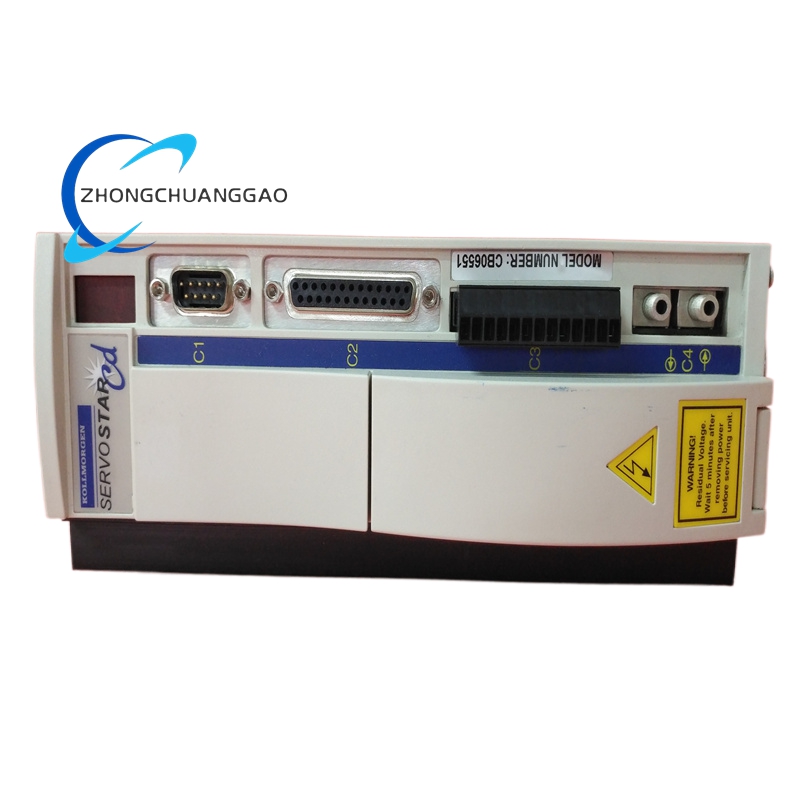
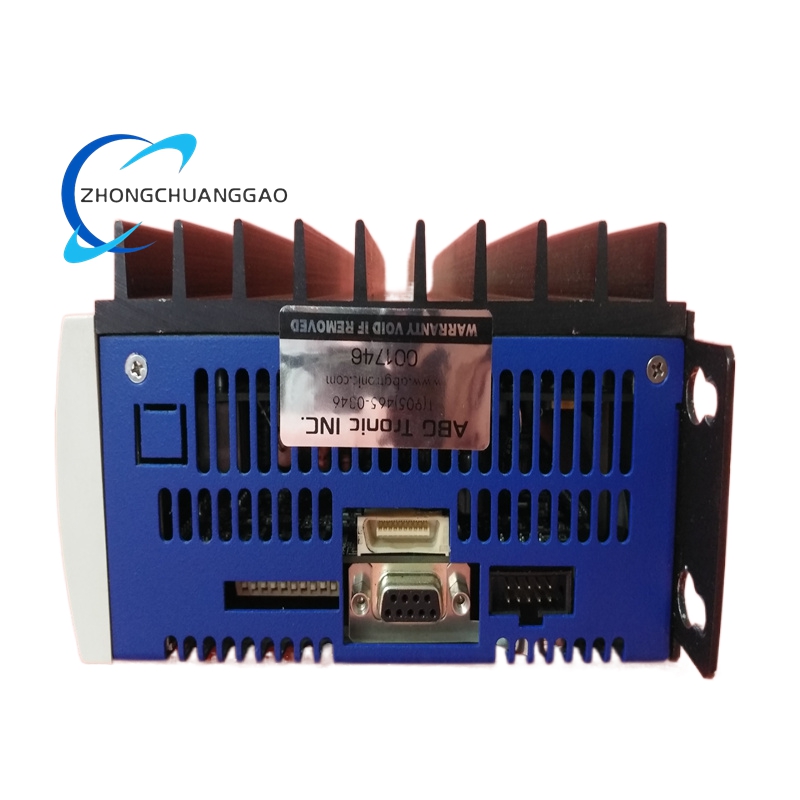
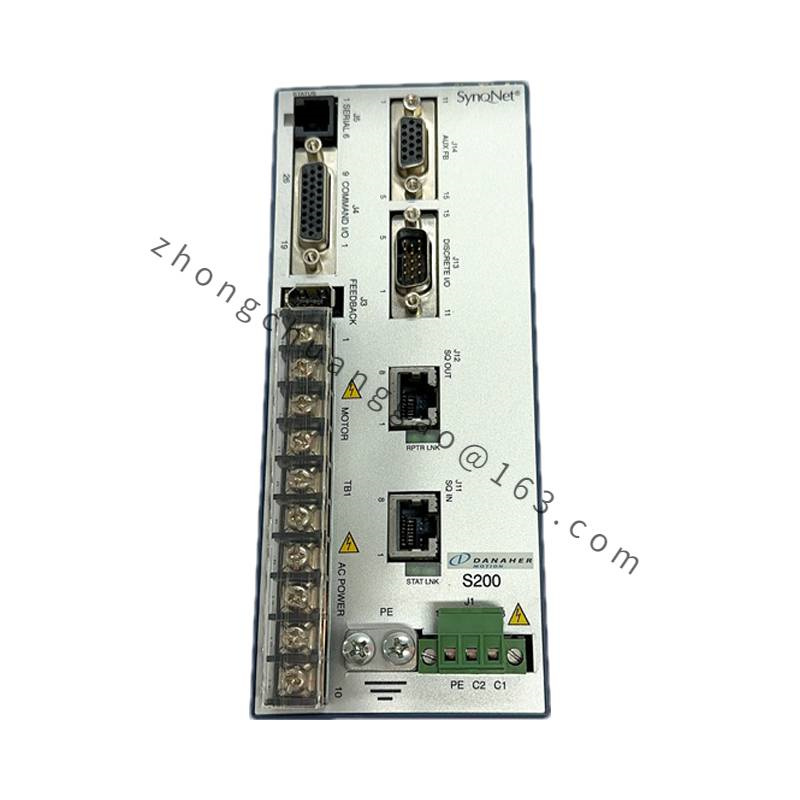
Kollmorgen AKD-P01207-NBA
Product Introduction:
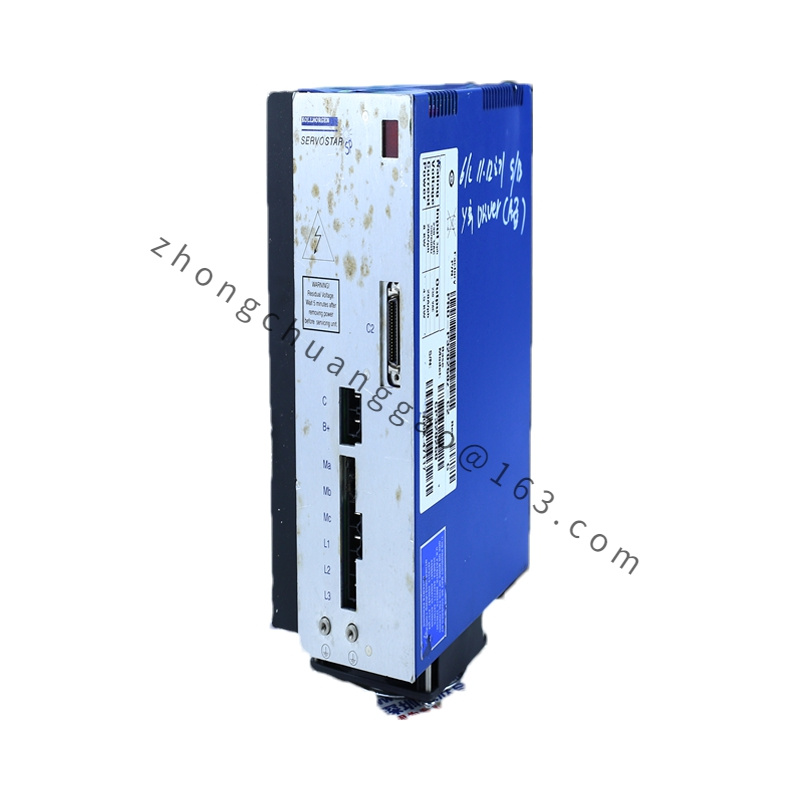
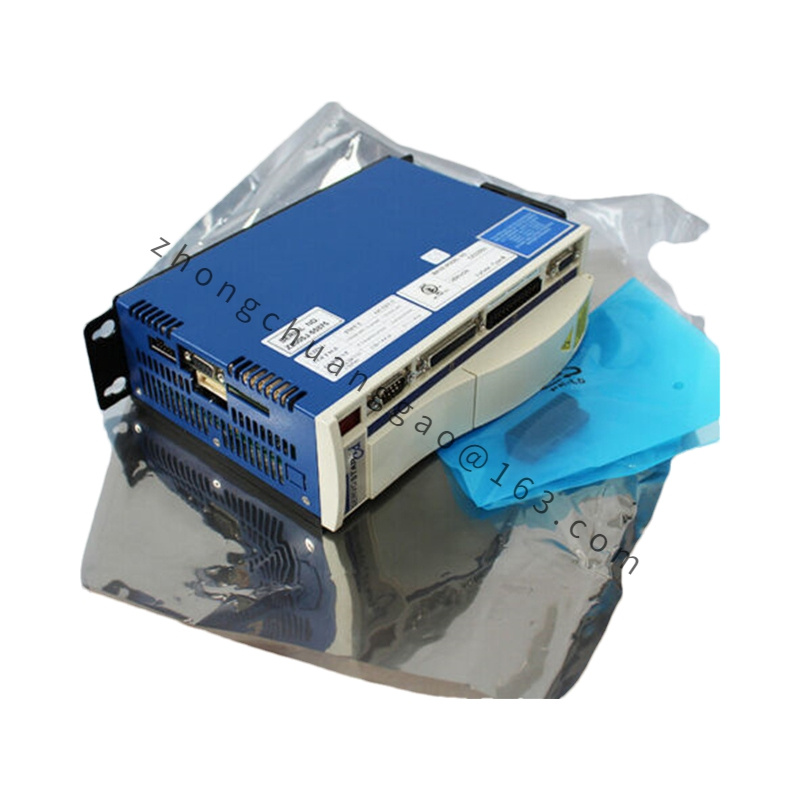
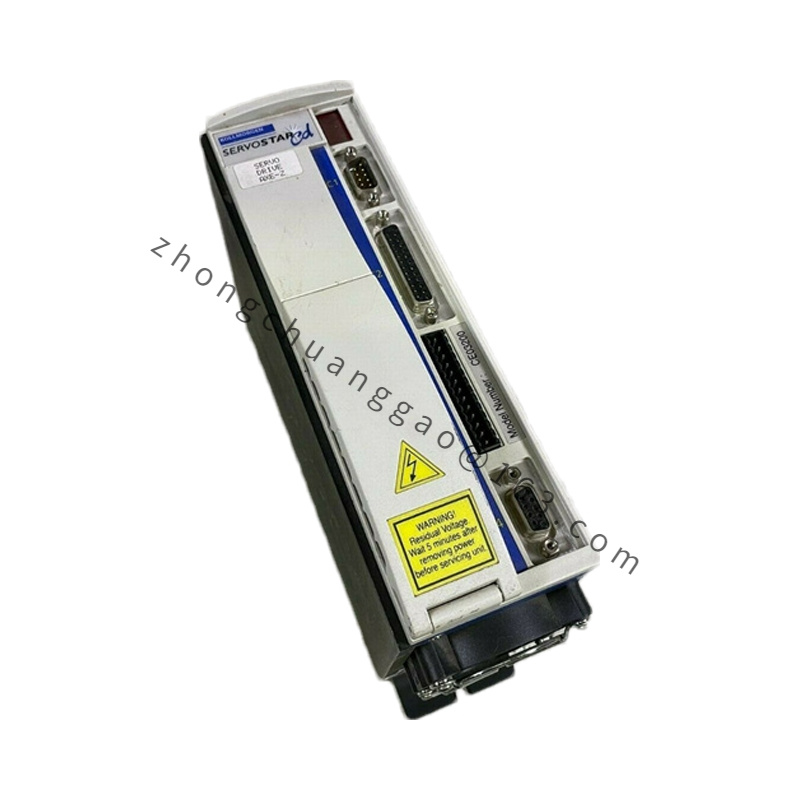
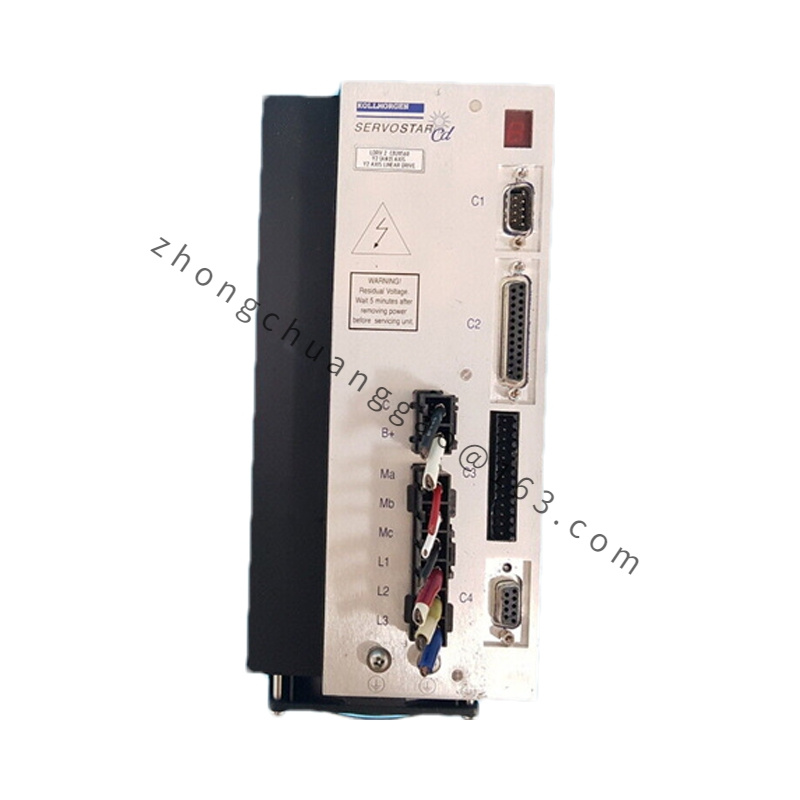
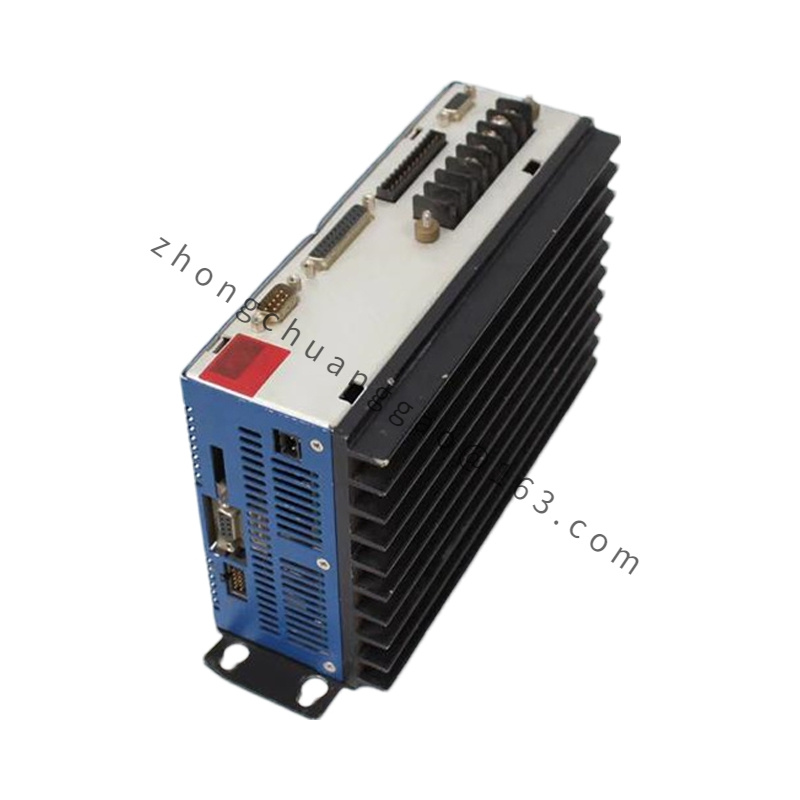
The AKD-P01207-NBA is a single-axis digital servo drive from Kollmorgen’s AKD-P product line, rated at 12 A continuous current and approximately 2 kW power output. The “NBA” configuration denotes a standard single-axis drive with CANopen communication, built-in braking chopper (no external resistor needed), 24 VDC logic, and support for all Kollmorgen servo motor feedback protocols. This drive is designed for small-to-medium servo motors requiring precise motion control.
Detailed content
Model Series: AKD-P Series
Technical Specifications:
| Parameter | Value |
|---|---|
| Continuous Current (RMS) | 12 A per phase |
| Peak Current | 36 A (3 seconds) |
| Rated Power | 2.0 kW (at 325 VDC bus) |
| DC Bus Voltage | 325 VDC (nominal), 200–540 VDC range |
| Input Voltage | 3-phase 380–480 VAC (50/60 Hz) or single-phase 200–240 VAC |
| Communication Interface | CANopen (CiA 402) |
| Control Modes | Position, Velocity, Torque, Cyclic Synchronous |
| Encoder Input | Differential RS-422 (EnDat 2.2, Hiperface DSL, BiSS) |
| Digital I/O | 8 inputs / 4 outputs (24 VDC) |
| Analog I/O | 2 analog inputs (±10 V) / 1 analog output (±10 V) |
| PWM Frequency | 8 kHz (configurable up to 16 kHz) |
| Current Loop Bandwidth | 1.2 kHz |
| Velocity Loop Bandwidth | 400 Hz |
| Position Loop Bandwidth | 200 Hz |
| Regeneration | Built-in braking chopper + internal resistor (0.5 kW) |
| Operating Temperature | 0°C to 50°C |
| Enclosure Rating | IP20 (chassis mount) |
| Dimensions (W×H×D) | 110 mm × 180 mm × 170 mm |
| Weight | 2.2 kg |
| Safety Certifications | UL 508C, CE, cULus |
Structural Features:
- Compact chassis-mount enclosure (smaller than 4807 variants)
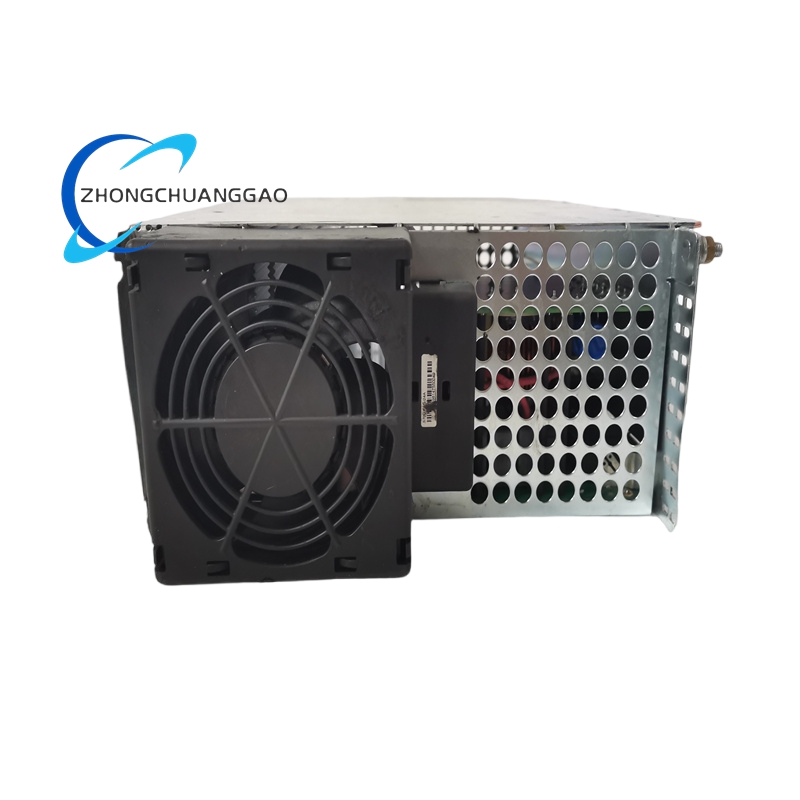
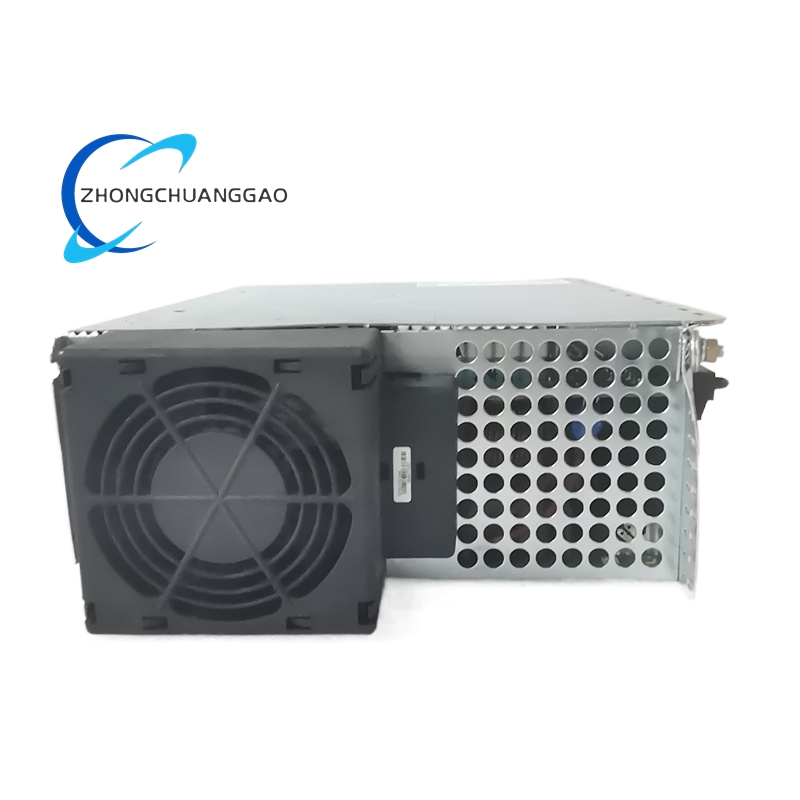
- Integrated heatsink with forced-air fan
- Internal braking chopper and 0.5 kW resistor
- Screw-terminal power, motor, and I/O connections
- DIN rail or panel mount
Material Composition:
- Enclosure: Galvanized steel, powder-coat
- Heatsink: Extruded aluminum (6063-T5)
- Power Electronics: IGBT modules (650 V)
- Internal Braking Resistor: Wire-wound ceramic, 0.5 kW, 100 Ω
- Braking Chopper: IGBT module with control circuit
- PCB: FR-4, conformal coated
- Connectors: Phoenix Contact screw terminals
Working Principle:
Three-phase (or single-phase) AC input is rectified to 325 VDC bus. IGBT PWM inverter synthesizes three-phase currents for the servo motor. Three-loop cascade control (current/velocity/position) operates at standard AKD-P bandwidths. During regeneration, the internal braking chopper switches the 0.5 kW resistor across the DC bus when voltage exceeds 390 VDC. CANopen provides deterministic real-time communication with the host controller.
Functional Features:
- Autotuning for PID optimization
- Feedforward control (velocity, acceleration, torque)
- Electronic gear ratio: 1:1 to 10000:1
- Trapezoidal and S-curve profiles
- Electronic camming (up to 32 segments)
- Safe Torque Off (STO) per IEC 61800-5-2
- Fault logging with per-axis diagnostics
- Single-phase AC input option for simplified wiring
Advantages:
- Built-in braking resistor — no external components needed
- Single-phase AC input option — reduces wiring cost in some applications
- Compact size — smallest AKD-P form factor (110×180×170 mm)
- 12 A continuous — ideal for S6, S70, S72 family motors
- CANopen interface — broad PLC compatibility
Applicable Industries:
- Small CNC machines
- Textile machinery (single spindle)
- Labeling and packaging machines
- Small robot joints
- Conveyor zone control
- 3D printers (industrial grade)
Installation Requirements:
- Mount vertically with 80 mm clearance above and below heatsink
- Connect 3-phase 380–480 VAC (min 2.5 mm²) or single-phase 200–240 VAC (min 4 mm²)
- Connect 24 VDC logic (max 1.5 A)
- Ground chassis to PE
- Encoder cable max 20 m (EnDat 2.2)
- No external braking resistor required
Usage Notes:
- Internal 0.5 kW resistor handles light-to-moderate regeneration (up to ~20% duty cycle)
- For heavy regeneration, add external resistor to P/N terminals
- Motor inductance range: 0.5–5.0 mH
- Set current limit to 110% of motor rated current for peak demands
- Single-phase input reduces available power by ~30% vs. three-phase input
.jpg)