

Digital guide

You are here:

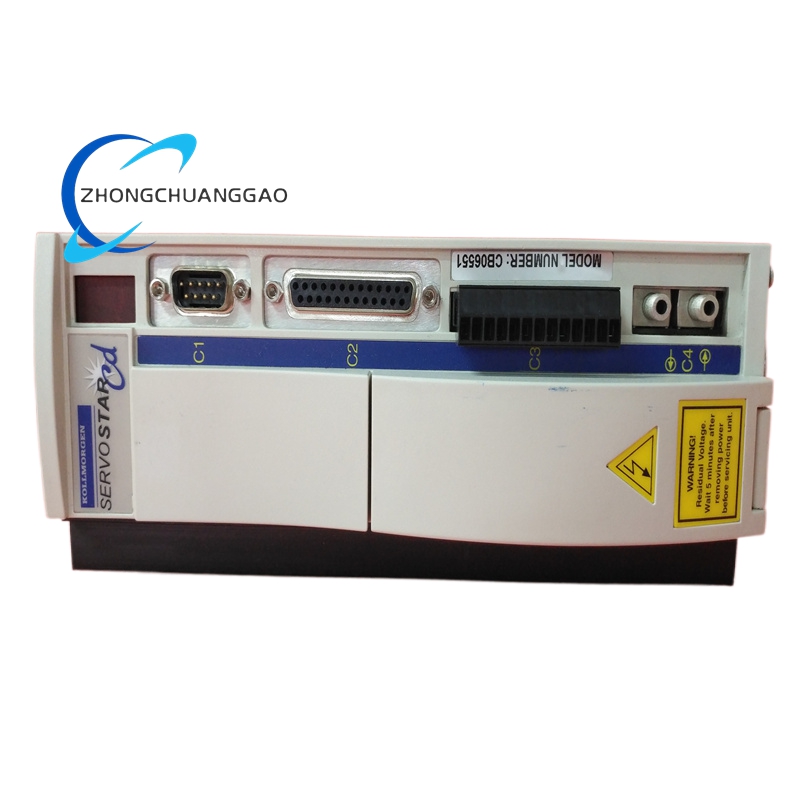
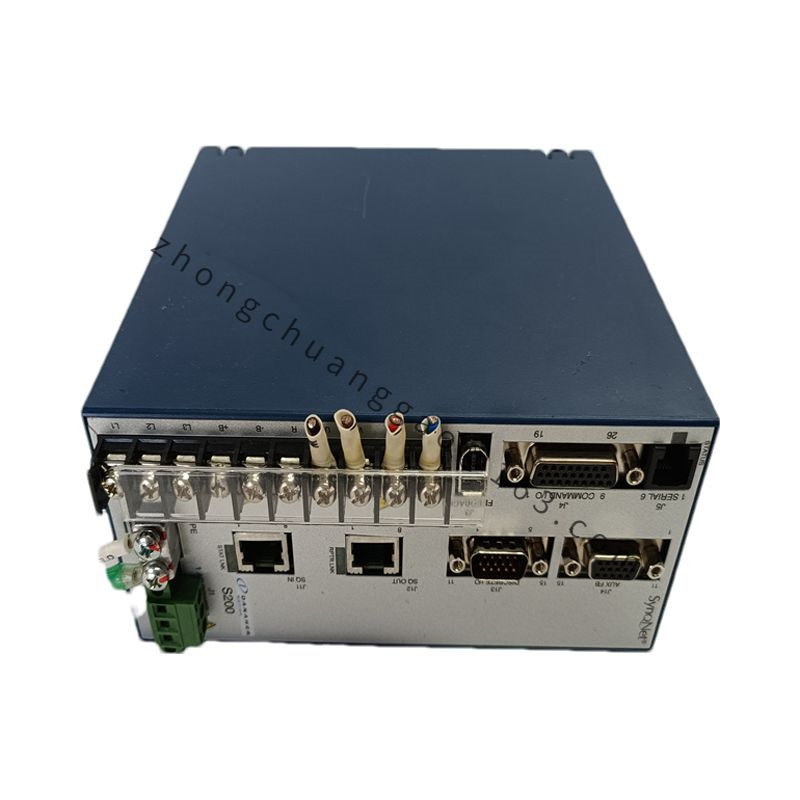
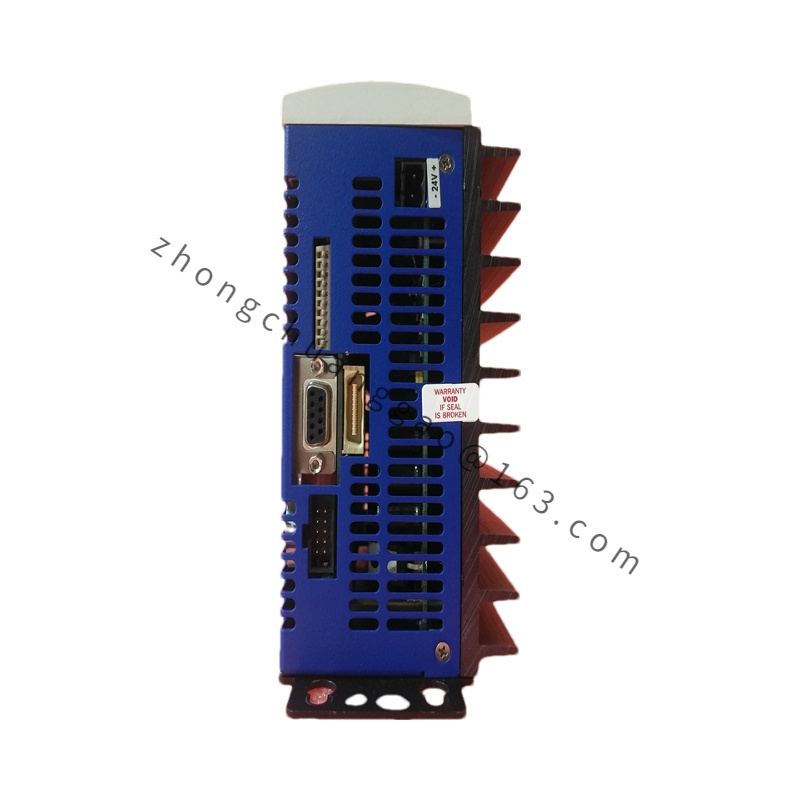
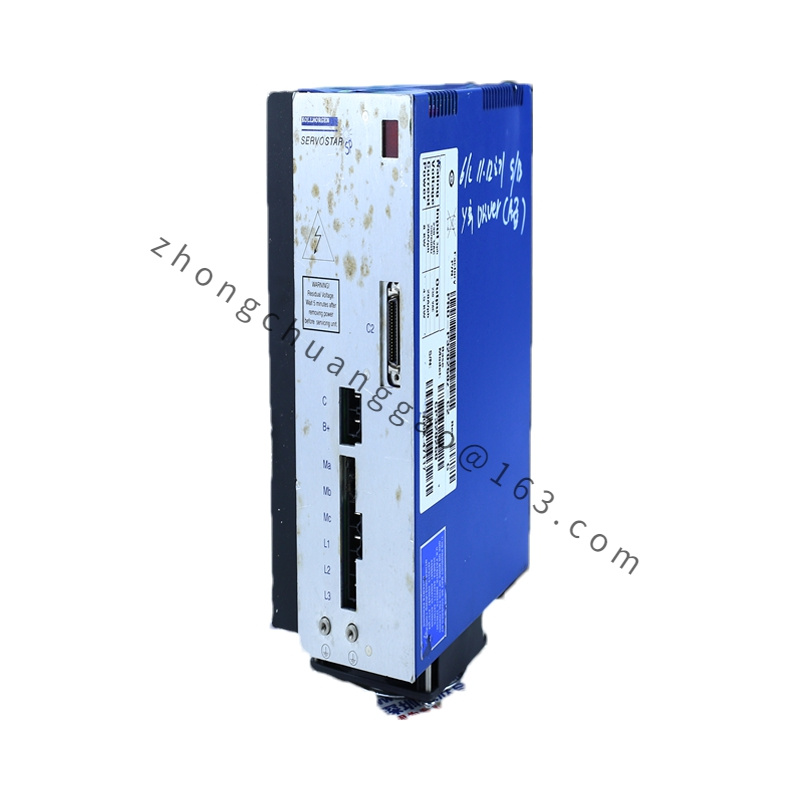
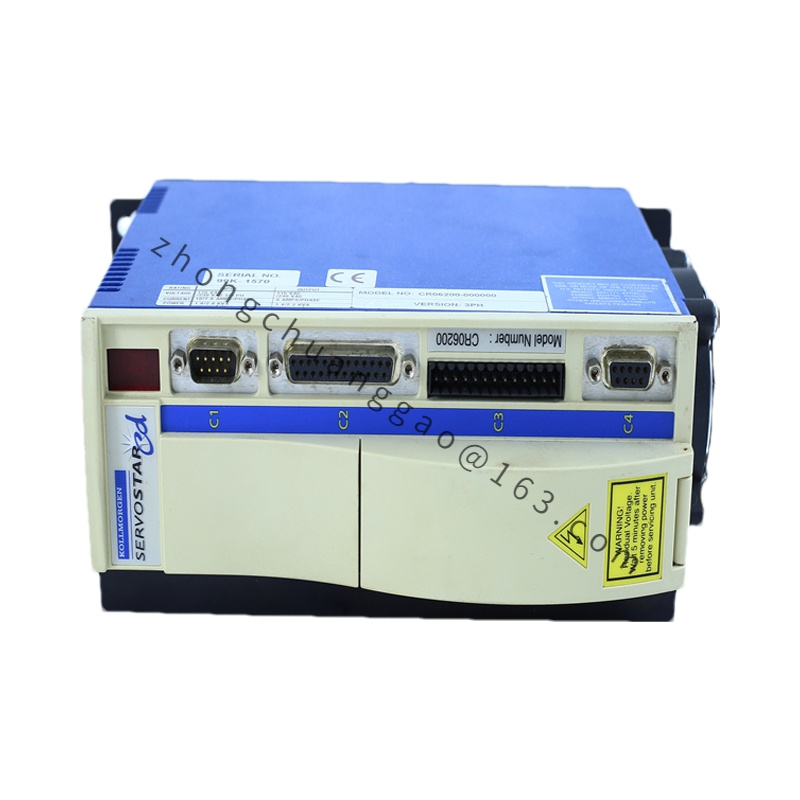
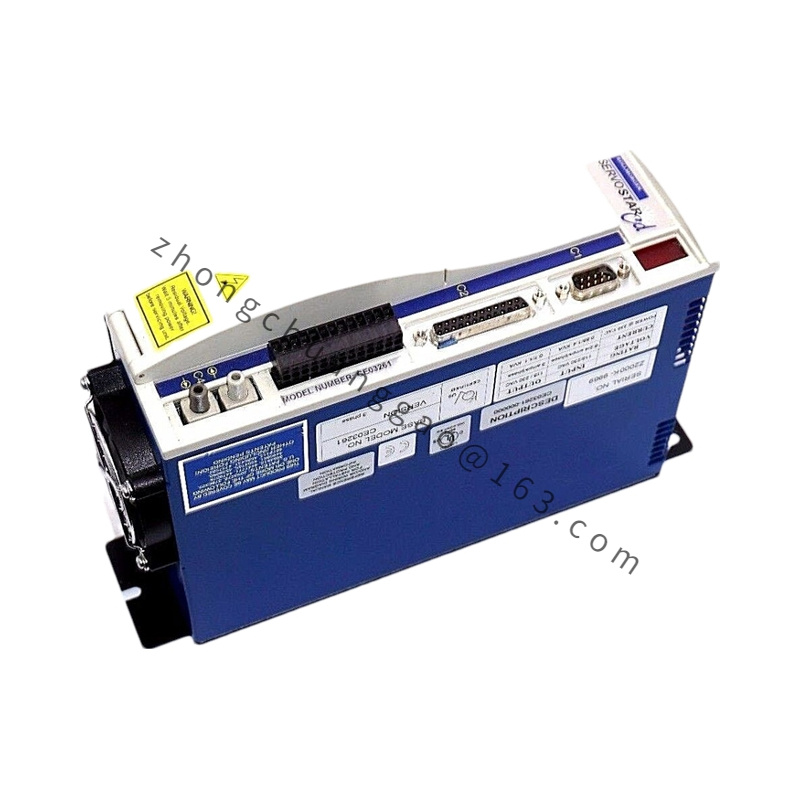
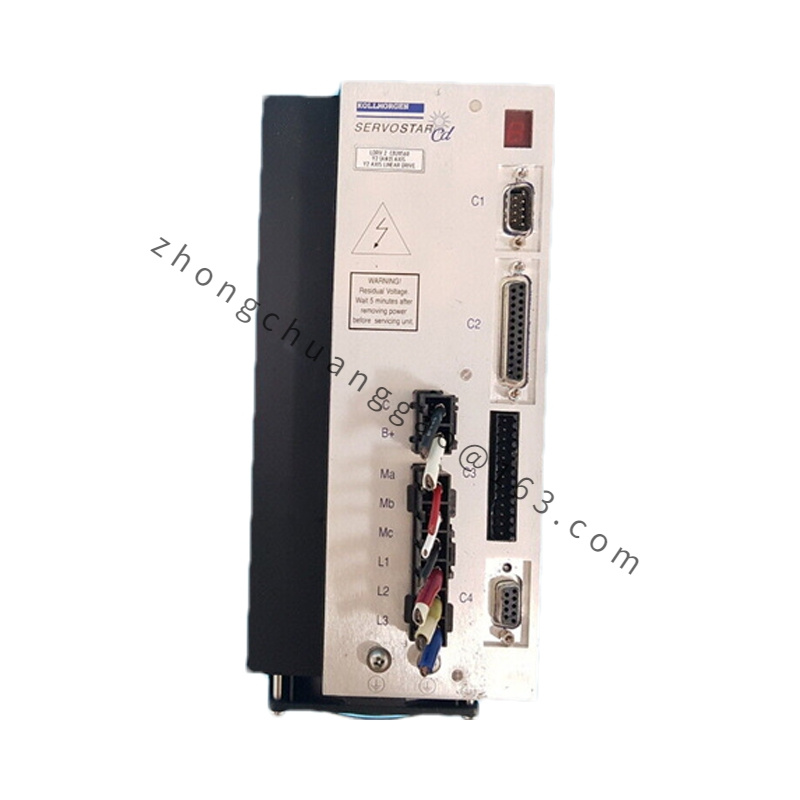
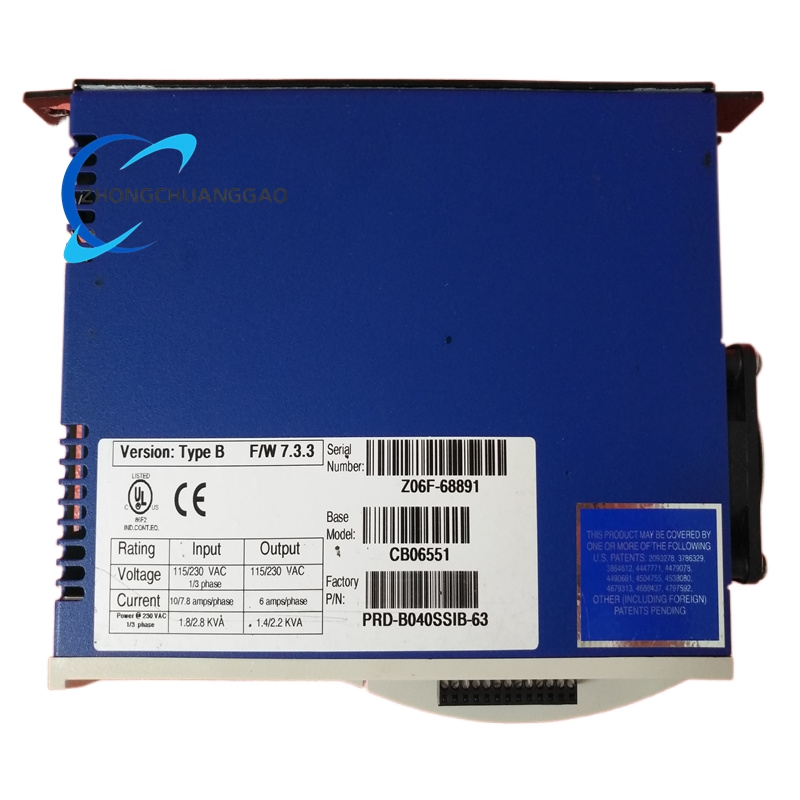
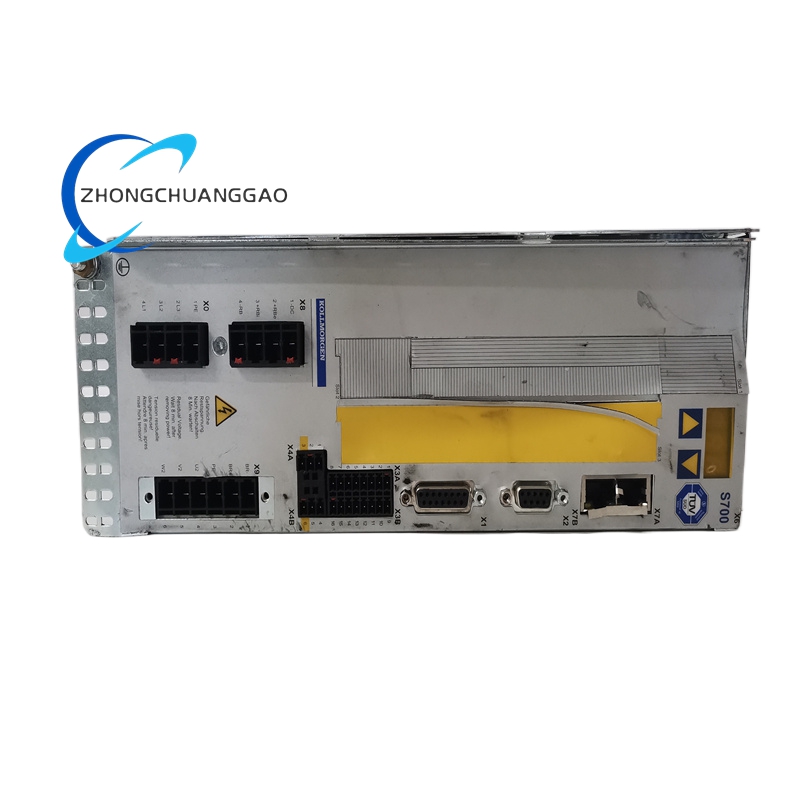
Kollmorgen AKD-620-AS-FAN

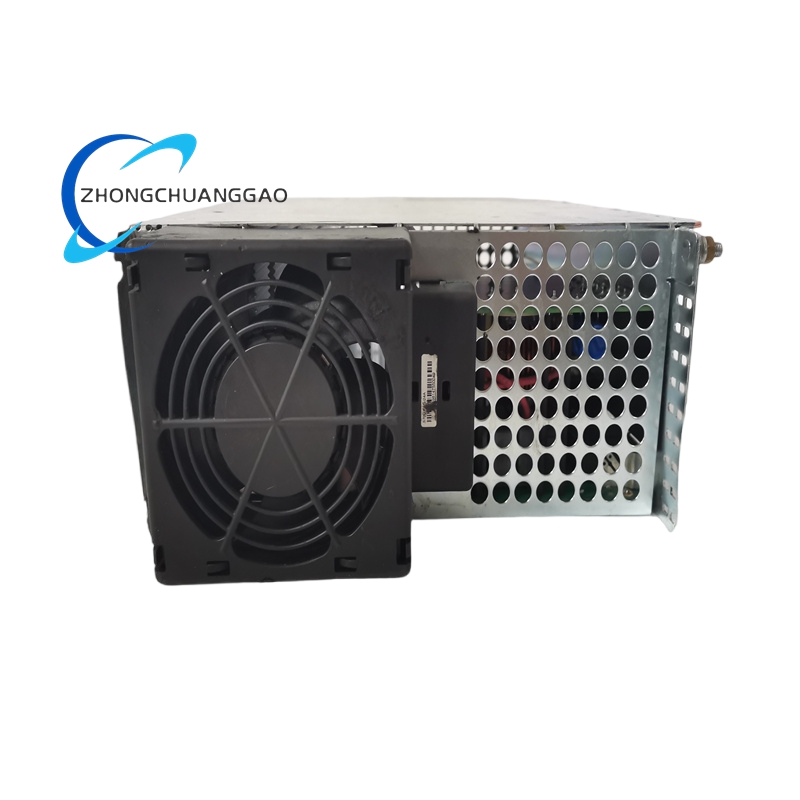
Product Introduction:​ High-performance digital servo drive for synchronous/asynchronous servo motors; supports torque, velocity, and position control modes. The “-FAN” suffix denotes forced-air cooling for sustained high-current operation. Part of the S600 family (predecessor to AKD).
Detailed content

  • Electrical Specifications:
    • Main Input:​ 3-phase 380–480 V AC (±10%), 50/60 Hz
    • Control Voltage (Aux.):​ 24 V DC (typical)
    • Continuous Output Current (I_cont):​ 20 A RMS
    • Peak Output Current (I_pk):​ 40 A RMS (short-term overload capability ~150%/200%)
    • Bus Voltage Range:​ approx. 540–680 V DC (rectified from mains)
    • Switching Frequency:​ typically 8–16 kHz configurable
  • Feedback Supported:​ Resolver, incremental encoder (5 V differential), sin/cos encoder, EnDat 2.1/2.2, Hiperface, SSI/BiSS (with option cards)
  • Communication / I/O:
    • Standard:​ RS-232 (for PC setup via Kollmorgen WorkBench / S600 software)
    • Fieldbus Options (via plug-in card):​ CANopen, DeviceNet, PROFIBUS-DP, SERCOS II, EtherCAT (depending on card)
    • Analog/Digital I/O:​ ±10 V analog command input, several digital inputs/outputs, enable input, fault relay
  • Mechanical & Environmental:
    • Form Factor:​ Book-style (wall-mount in panel), approx. 210 × 150 × 80 mm (varies by exact revision)
    • Cooling:​ Integral axial fan (AS-FAN version)
    • Protection:​ IP20 (cabinet installation required)
    • Ambient Temp.:​ 0 °C to +45 °C (derating above), storage −25 °C to +70 °C
  • Features:
    • Auto-tuning / manual tuning of current, velocity, position loops
    • Electronic gearing, camming (with appropriate firmware)
    • Integrated regenerative brake chopper (external resistor connectable)
    • STO (Safe Torque Off) available on later HW revisions / with safety card
  • Installation Notes:​ Mount vertically on DIN rail or screws with minimum 50 mm top/bottom clearance for airflow. Use shielded motor & feedback cables, terminate shield at drive end to ground plate. Regenerative resistor may be required for frequent deceleration of high-inertia loads.

You may also like