Technical Specifications
Processor: 32-bit ARM Cortex-M7 at 480 MHz
Program memory: 8 MB Flash for programs and recipes
Runtime memory: 4 MB RAM with hardware real-time clock
Logic scan: Boolean tasks down to 100 µs
Supply voltage: DC 24 V, allowable 18–32 VDC, powered from K2-200 backplane
Power consumption: approximately 2.6 W
Ethernet: 2 × RJ45 10/100 Mbps, independent ports
Serial: 1 × DB9 RS232 for engineering, diagnostics and log retrieval
Fieldbus: CAN interface with CANopen master for servos, proportional valves and remote I/O
Backplane: K2-200 high-speed bus for DI/DO, AI/AO, temperature and motion modules
Functional Features
IEC 61131-3 programming via KEBA Kemro engineering software using ladder, structured text and function blocks. Closed-loop control for injection, holding, plasticizing, clamp, ejection and auxiliary axes. Electronic cam, position closed-loop and pressure closed-loop functions. Recipe storage, production counters, alarm records and event timing. Protocol support for TCP/IP, Modbus TCP, OPC UA and Kemro communication.
Application Scenarios
Injection molding machines, blow molding machines, die casting cells, rubber molding equipment, high-speed packaging lines, multi-axis assembly systems and hydraulic servo platforms.
Performance Parameters
Operating temperature: -25 to +60 °C for CP253/W
Storage temperature: -40 to +85 °C
Relative humidity: 5–95 % non-condensing
Protection: IP20 for in-cabinet installation
Certifications: CE and UL industrial compliance per KEBA documentation
Material Composition
Module chassis: industrial K2-200 frame for backplane mounting
Electronics: SMD control boards with industrial-grade components
Cooling parts: passive conduction through chassis and backplane, no forced fan in module
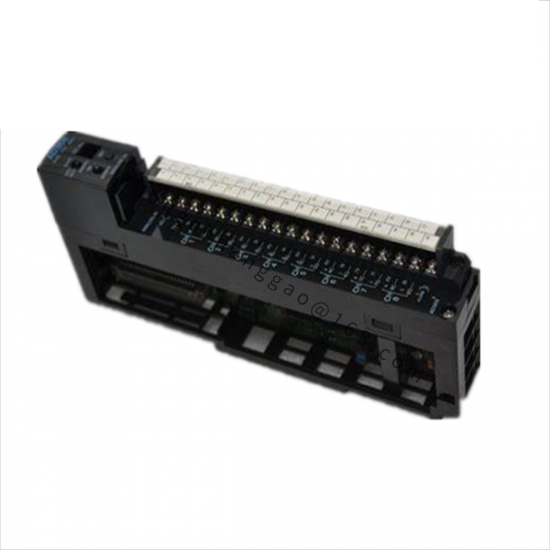
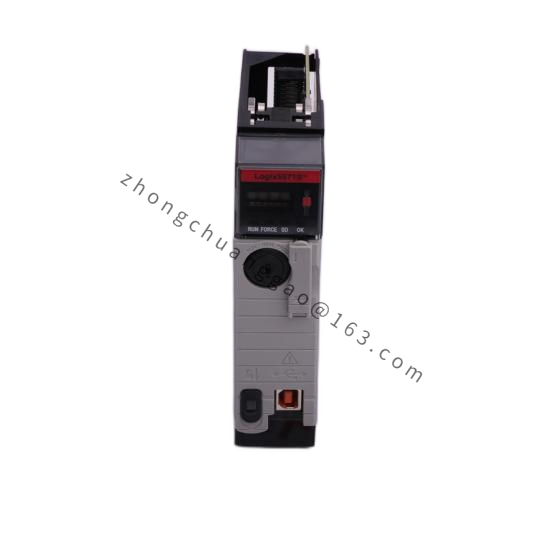
Connectors: front-facing RJ45, DB9 and status interfaces
Structural Characteristics
Dual independent Ethernet ports on front for separated machine-HMI traffic and MES/SCADA traffic. CAN and backplane connectors routed to rear backplane. Diagnostic LEDs for power, bus and fault status. Wide-temperature components selected for shop-floor thermal swings.
Working Principle
The ARM processor runs the control program in real time. Field commands are exchanged with I/O and servo modules over the K2-200 backplane and CANopen. Ethernet port one connects HMI and engineering tools; Ethernet port two connects higher-level MES, OPC UA or Modbus TCP systems. Closed-loop algorithms compare sensor feedback with setpoints and output PWM, analog or fieldbus commands to valves and drives.
Installation Requirements
Install only in KEBA K2-200 rack or approved backplane. Confirm 24 VDC backplane supply within 18–32 VDC before power-up. Seat the module until backplane connectors are fully engaged. Maintain cabinet ventilation for 0–60 °C continuous duty, or -25–60 °C only with the W version. Ground the control cabinet to the plant protective-earth system.
Usage Precautions
Record the existing firmware, software version and configuration before replacement. Disconnect and lock out power before removing or inserting the module. Do not operate outside the rated humidity or temperature ranges. Keep Ethernet, RS232 and CAN cables separated from high-power drive wiring where practical. Replace only with the same CP253/W variant and compatible Kemro firmware.