Technical Specifications
Up to 4 axes. Encoder input frequency up to 8 MHz. 16-bit motor command DAC output. Interfaces RS-232, RS-485, and other options depending on version. Sample rate as low as 125 µs per axis on DMC-1000 family. Non-volatile memory for programs and parameters.
Functional Features
Point-to-point positioning. Jog motion. Linear and circular interpolation. Electronic gearing. S-curve acceleration. Limit and home inputs. Opto-isolated inputs and programmable outputs. Two-letter command programming.
Application Scenarios
CNC machines. Semiconductor handling equipment. Medical device motion platforms. Laboratory automation. Packaging and robotics.
Performance Parameters
Total travel up to ±2 billion counts per move. Supports quadrature encoder feedback. Can control stepper, servo, or hydraulic axes.
Material And Structure
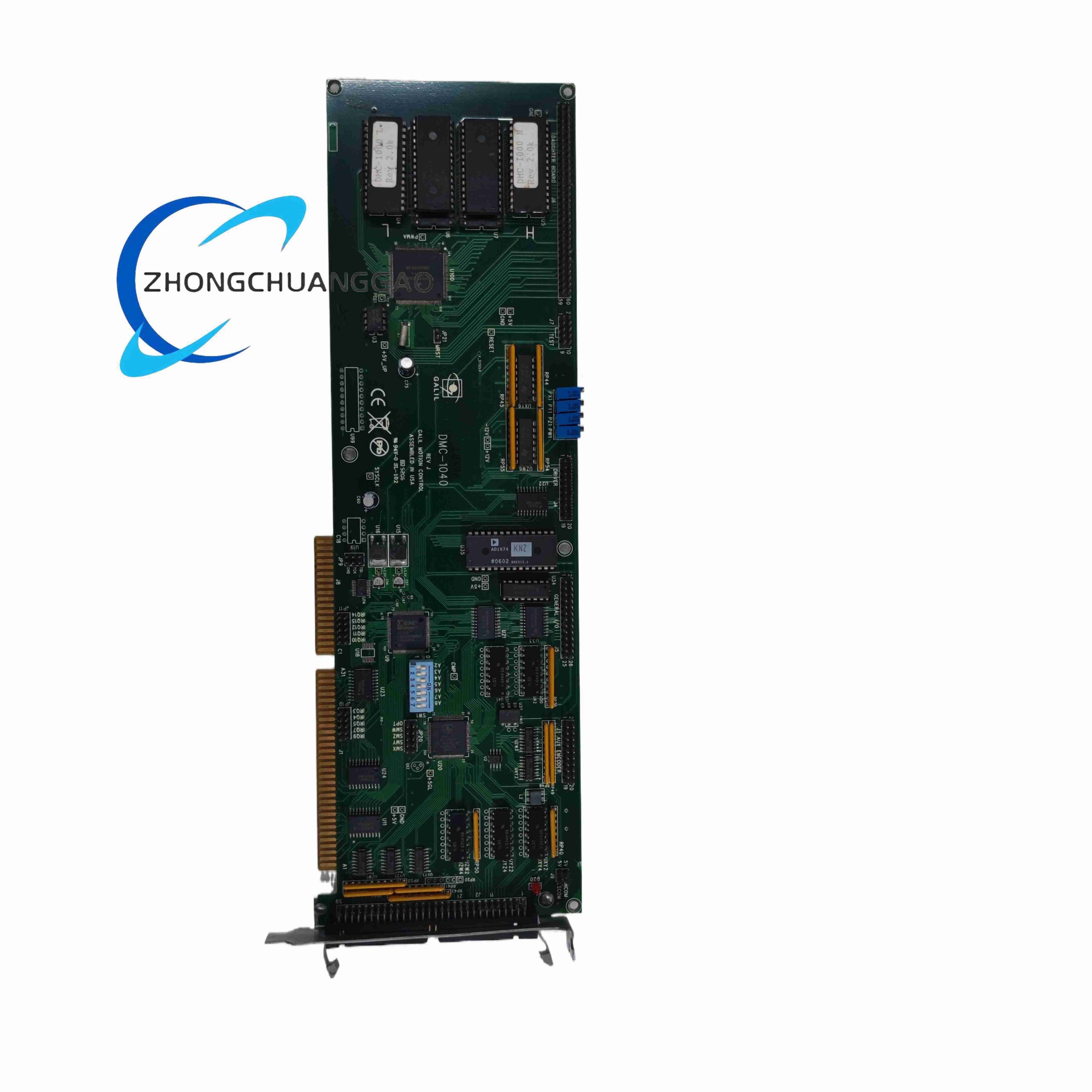
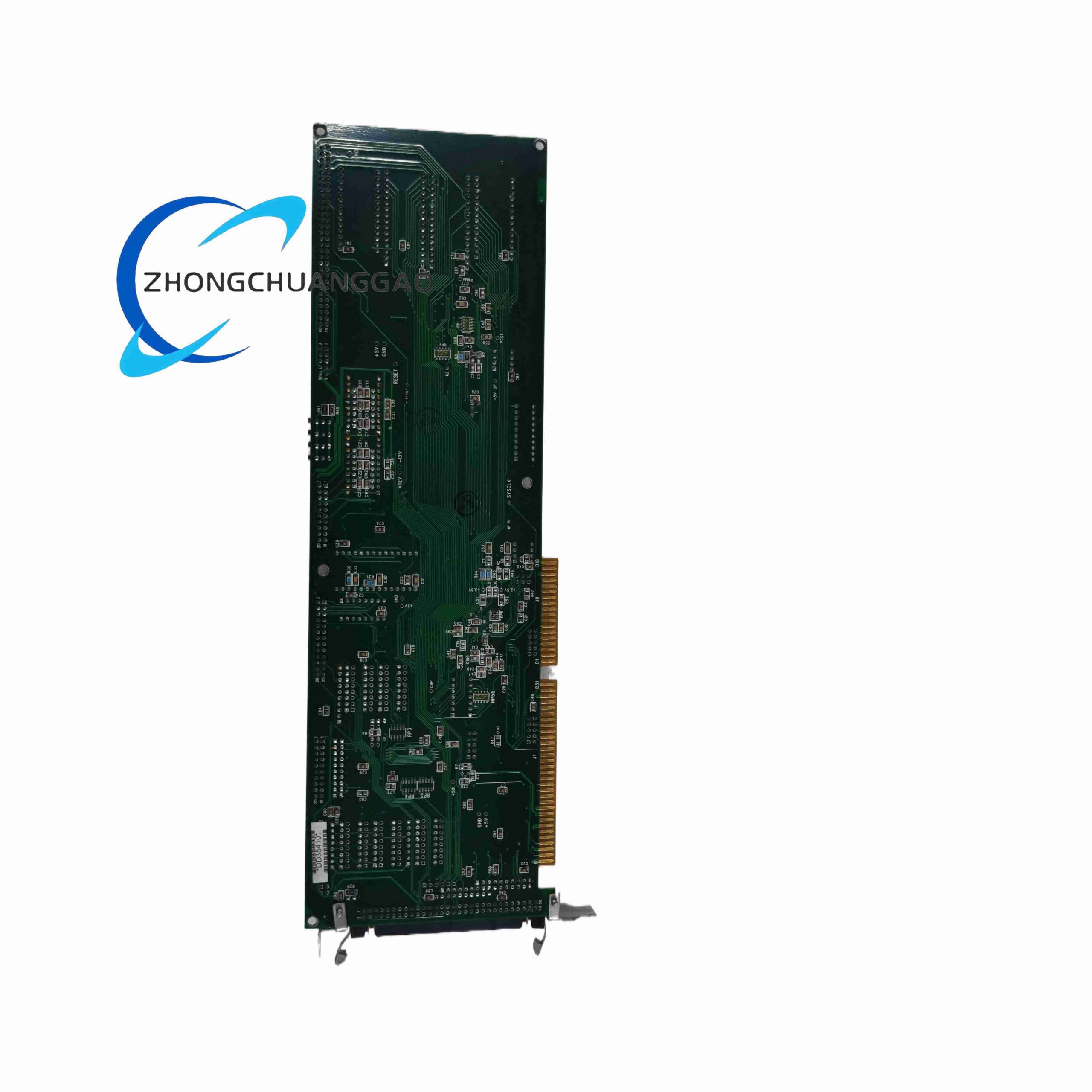
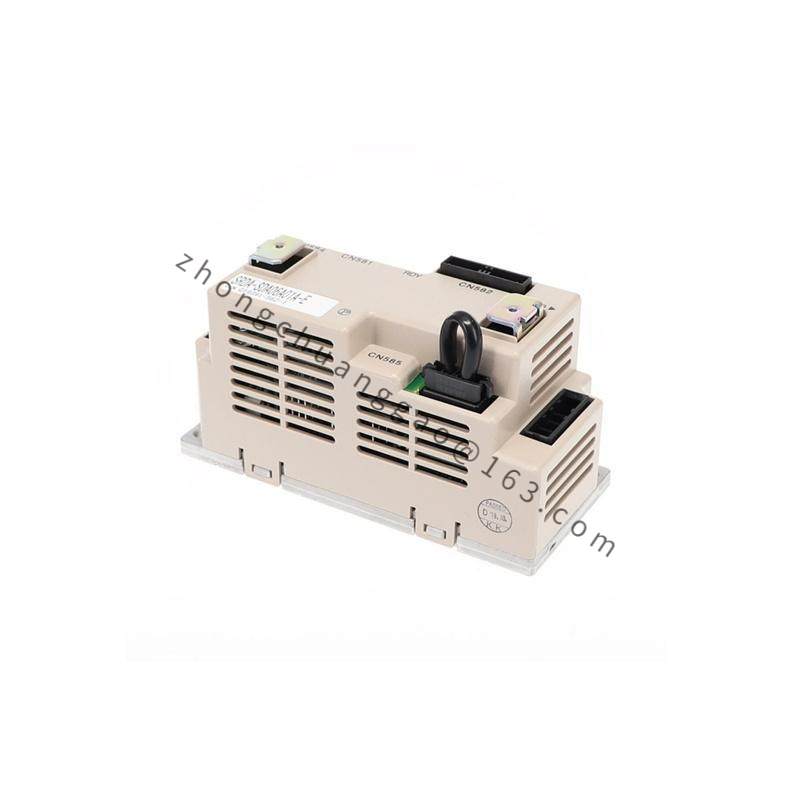
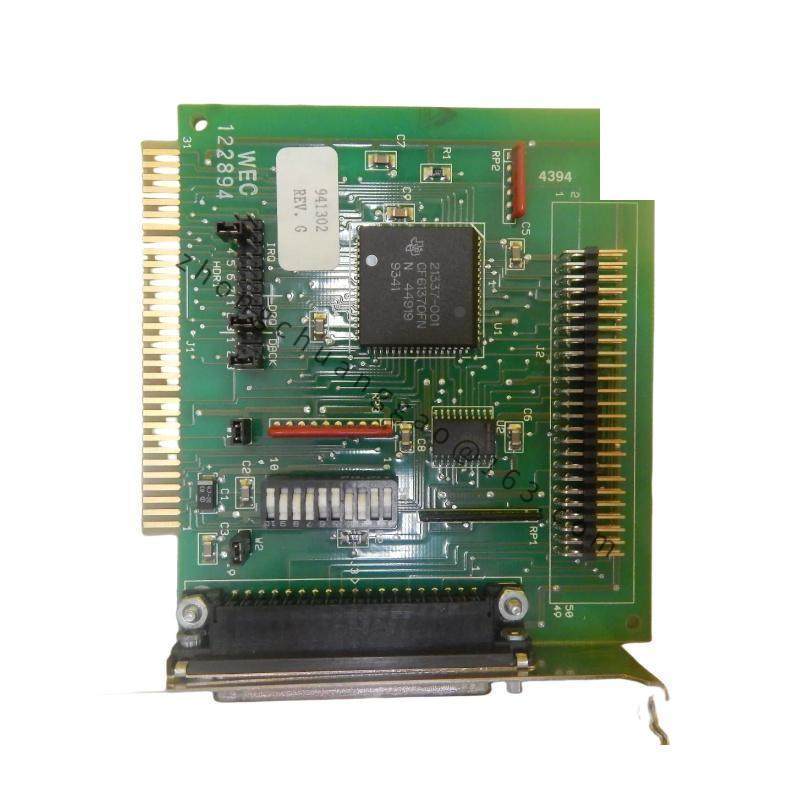
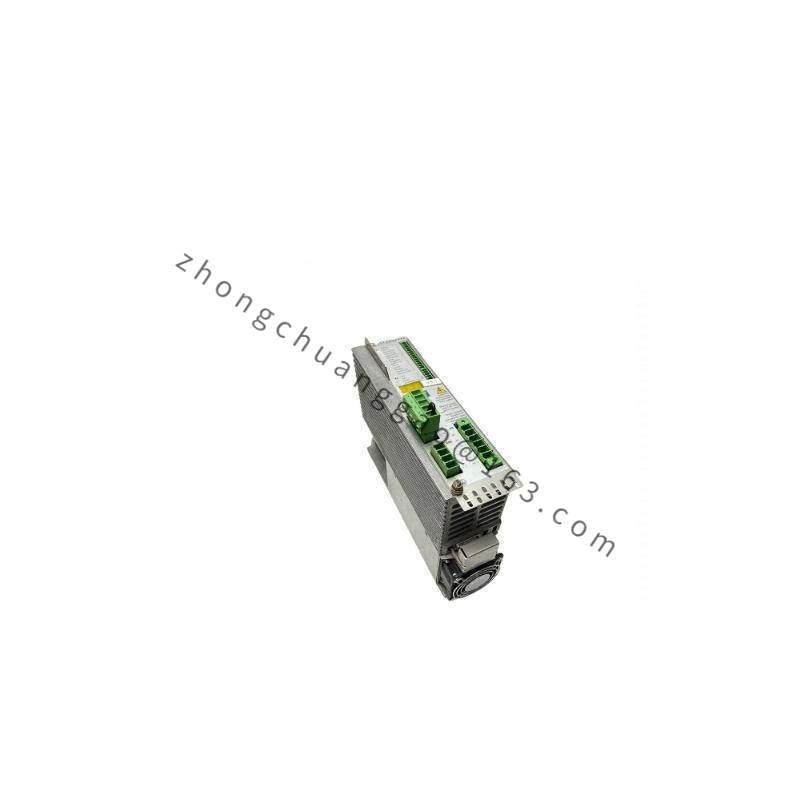
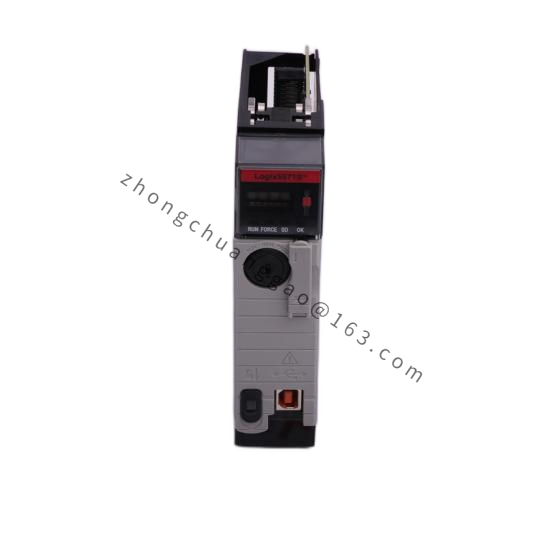
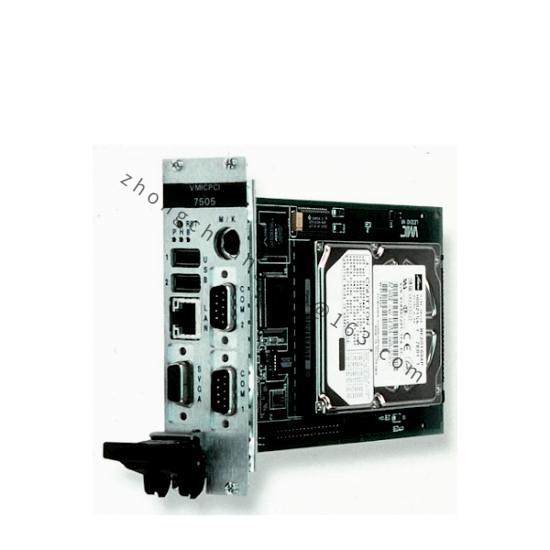
Industrial controller board or enclosure unit. Connectors for encoder, motor command, I/O, serial communication, and power. Firmware-based motion engine.
Working Principle
The controller stores motion programs, reads encoder feedback, executes PID or filtering algorithms, and sends analog or pulse commands to drives. It coordinates multiple axes for synchronized industrial motion.
Installation Requirements
Install in suitable cabinet or host system slot depending on version. Separate motor power from encoder/communication cables. Use shielded encoder and serial cables. Configure axis count, feedback type, and communication port before operation.
Usage Precautions
Backup application program before firmware changes. Verify motor and encoder type before enabling axes. Set software and hardware limits. Avoid sudden high-speed moves without tuning.