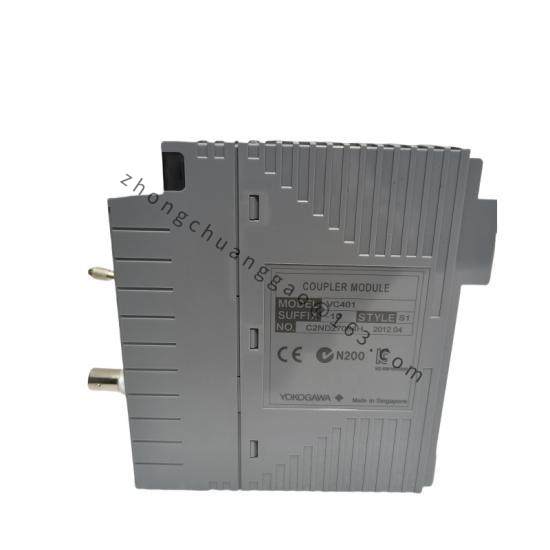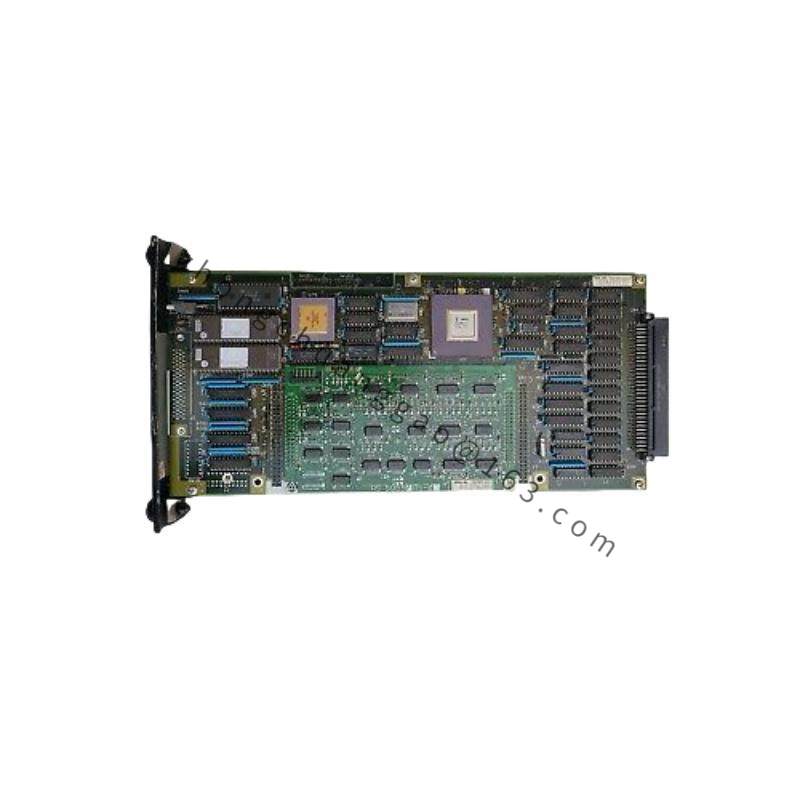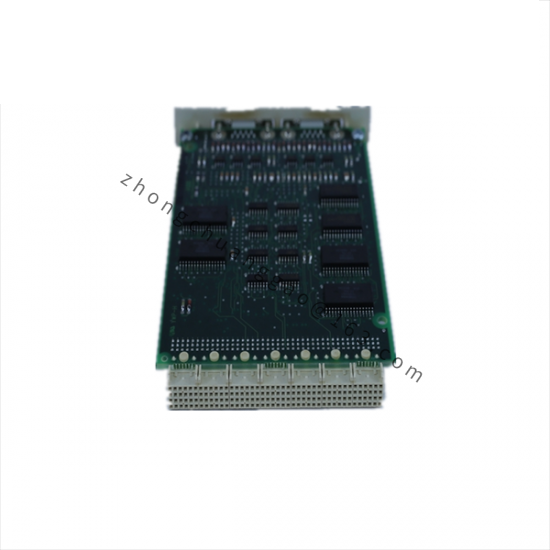

Product Overview:
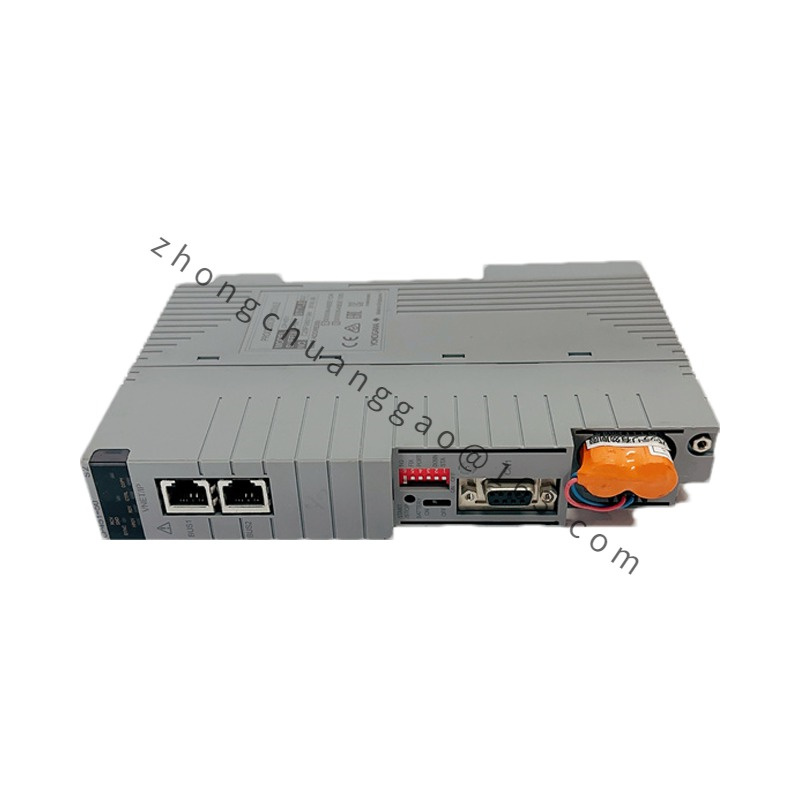
The ZR402G-TEEA/SCT is a 4-channel RTD (Resistance Temperature Detector) input module for Yokogawa’s ZR400 Series PLC. The 402 indicates 4 input channels, Type 2 configuration. The -G denotes the module generation/revision. The TEEA suffix specifies the input type as Thermocouple (T) + RTD (EE) mixed input with 4-wire connection, and SCT indicates a special configuration/customer-specific variant within Yokogawa’s ordering system.
Technical Specifications:
| Parameter | Value |
|---|---|
| Number of Channels | 4 channels |
| Input Type | 4-wire RTD (Pt100, JPt100, Pt1000, JPt1000, Cu50, Cu100) |
| Thermocouple Type (TEEA) | K, J, T, E, R, S, B, N, L, U, W (per channel, software selectable) |
| RTD Connection | 4-wire (Kelvin connection) for highest accuracy |
| Measurement Range (RTD) | -200°C to +850°C (Pt100); -200°C to +600°C (JPt100) |
| Resolution | 0.1°C (for Pt100 at 0°C) |
| Accuracy (RTD) | ±0.15°C (at 0°C, Pt100, 4-wire) |
| Cold Junction Compensation (TC) | Automatic, ±0.5°C accuracy |
| Isolation | 500 VAC between channels and CPU bus (1 minute) |
| Conversion Time | 20 ms per channel (4 channels = 80 ms total scan) |
| Power Consumption | 1.2 W (from CPU bus) |
| Operating Temperature | 0°C to +55°C |
| Dimensions | 25 mm (W) × 90 mm (H) × 85 mm (D) |
| Weight | Approximately 100 g |
Material Composition (Wiring Terminals):
Functional Features:
Working Principle:
The module uses a constant current source (typically 1 mA) passed through the RTD element via 4-wire Kelvin connection. The two current-carrying wires supply excitation current, while the two sense wires measure the voltage drop across the RTD with negligible current flow, eliminating lead resistance error. The measured voltage is converted by a 24-bit ADC and processed by the module’s firmware using the Callendar-Van Dusen equation (for Pt100) or ITS-90 polynomial tables to calculate temperature. For thermocouple inputs, the module measures the millivolt signal and applies cold junction compensation using an internal temperature sensor.
Advantages:
Applicable Industries:
Installation Requirements:
Usage Precautions: