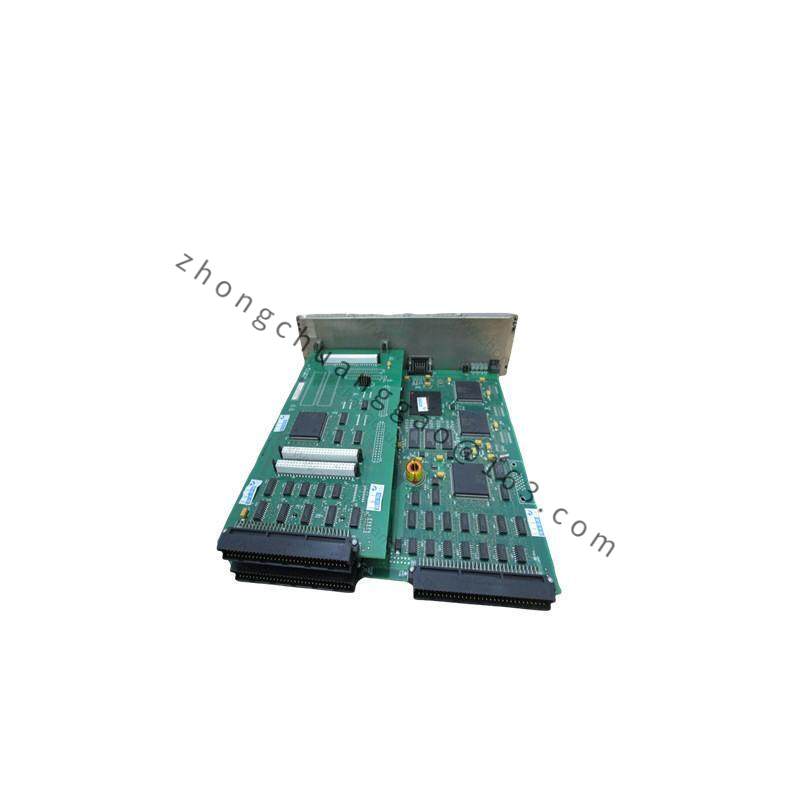
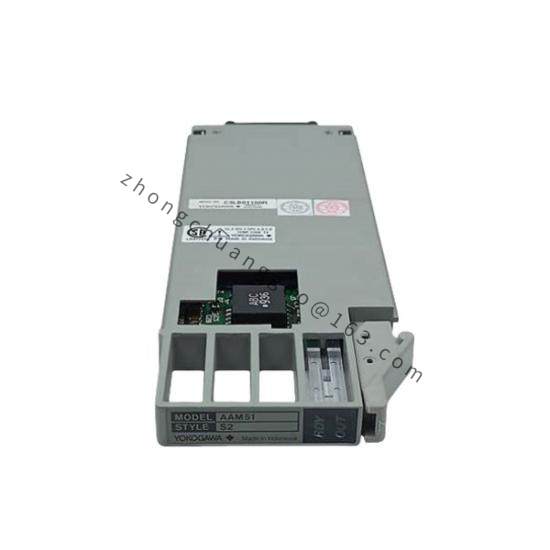
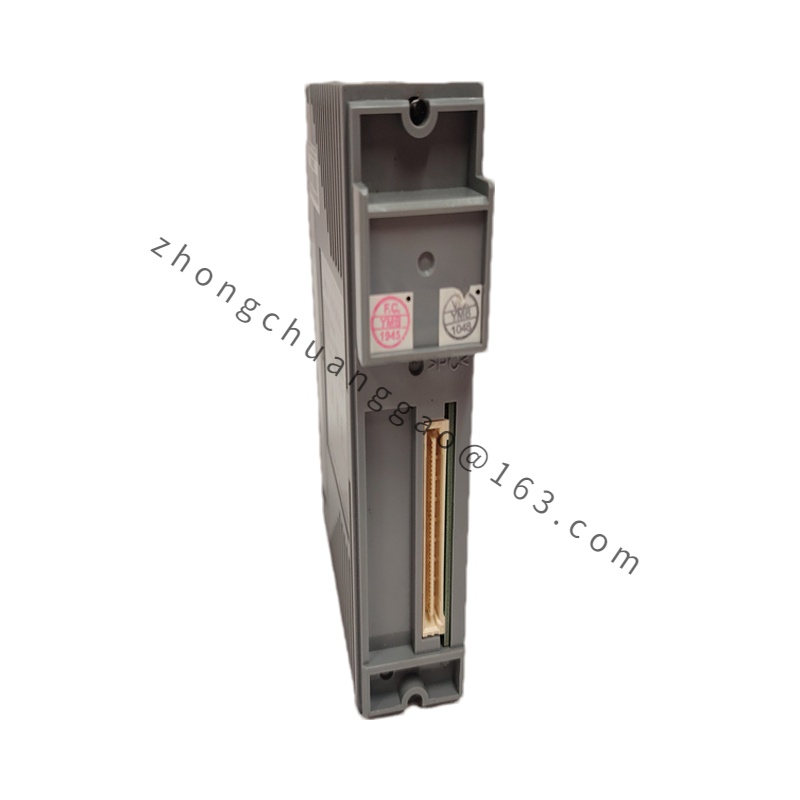
Functional Features: In‑situ continuous measurement of flue‑gas oxygen content; provides oxygen signal for combustion optimization; built‑in temperature sensing for compensation; compatible with ZR series transmitter units
Performance Parameters: Operating temperature range: 300 °C to 850 °C; measurement accuracy: ±0.5% O₂; response time: <10 seconds; service life optimized for high‑temperature flue‑gas environments
Working Principle: Zirconia solid electrolyte generates electromotive force proportional to oxygen partial pressure difference between measured gas and reference air; electromotive force converted to oxygen concentration signal by transmitter
Advantages & Highlights: In‑situ direct measurement without sampling system; high‑temperature resistance; fast response speed; low maintenance requirement; improves combustion efficiency and reduces emissions
Installation Requirements: Insert into flue/gas duct via process flange; ensure probe fully exposed to measured gas flow; maintain proper reference air supply
Usage Precautions: Prevent dust accumulation on sensor surface; avoid thermal shock from rapid temperature changes; regular calibration with standard gas mixtures