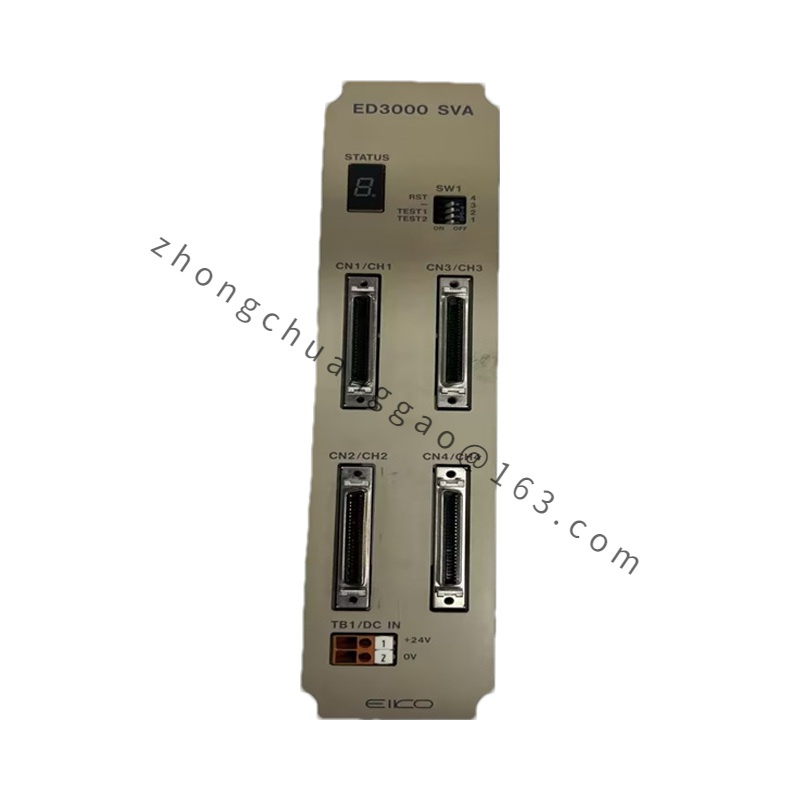
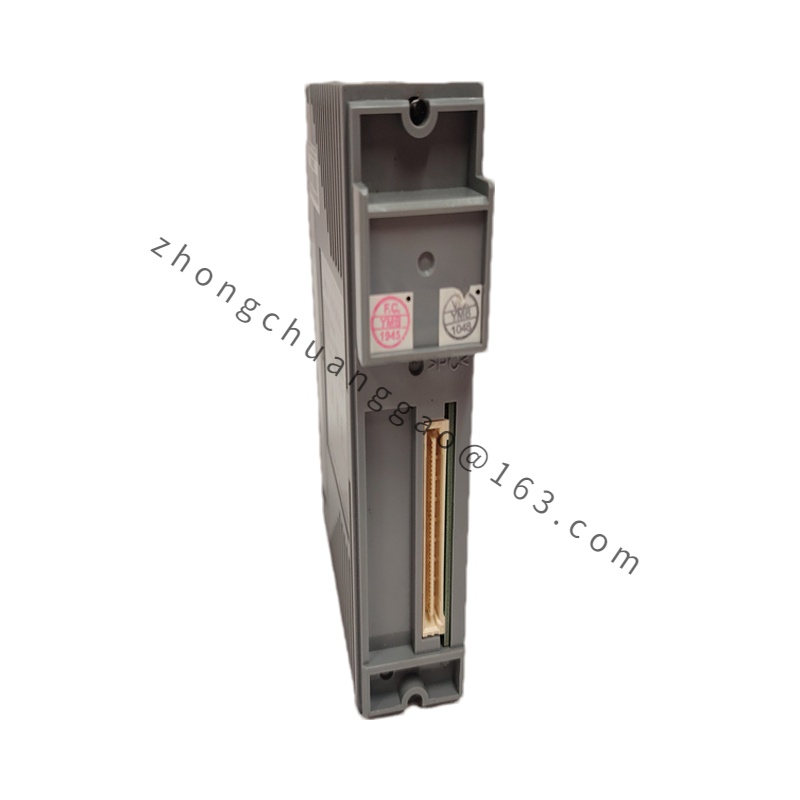
Product Name: Smart Temperature Transmitter, YTA610 Series
Product Brief: High‑precision HART‑protocol smart temperature transmitter by Yokogawa, converts RTD/thermocouple input signals to standard 4–20 mA analog output signals for industrial temperature measurement.
Structural Characteristics: Head‑mounted design compatible with standard temperature sensor wells, two‑wire loop‑powered structure, sealed terminal compartment
Working Principle: Collects temperature signals from thermal sensors, performs signal conditioning and digital compensation via microprocessor, outputs standardized analog signals with HART digital data overlay
Advantage Highlights: Wide operating temperature range, high long‑term stability, explosion‑proof certification, corrosion‑resistant housing, remote calibration capability
Applicable Industries: Oil & gas, chemical processing, power plants, pharmaceutical industry, food & beverage, energy management
Model Series: YTA600 series smart temperature transmitters
Installation Requirements: Installed on temperature sensor sleeves, maintain proper grounding, use explosion‑proof wiring fittings in hazardous areas
Usage Precautions: Comply with intrinsic safety standards for hazardous location installation; avoid direct sunlight exposure; regularly inspect wiring tightness