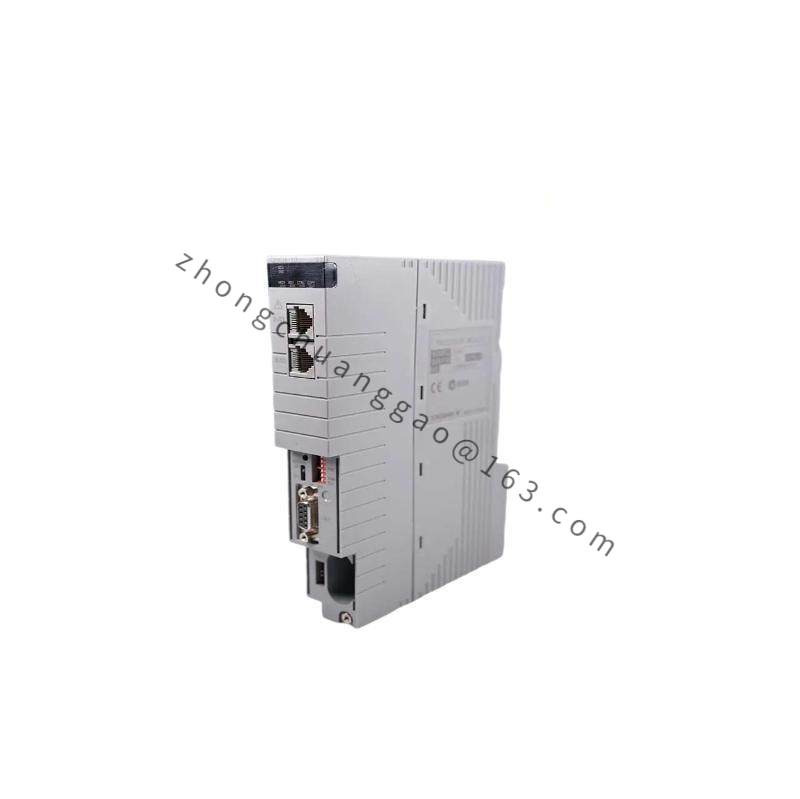
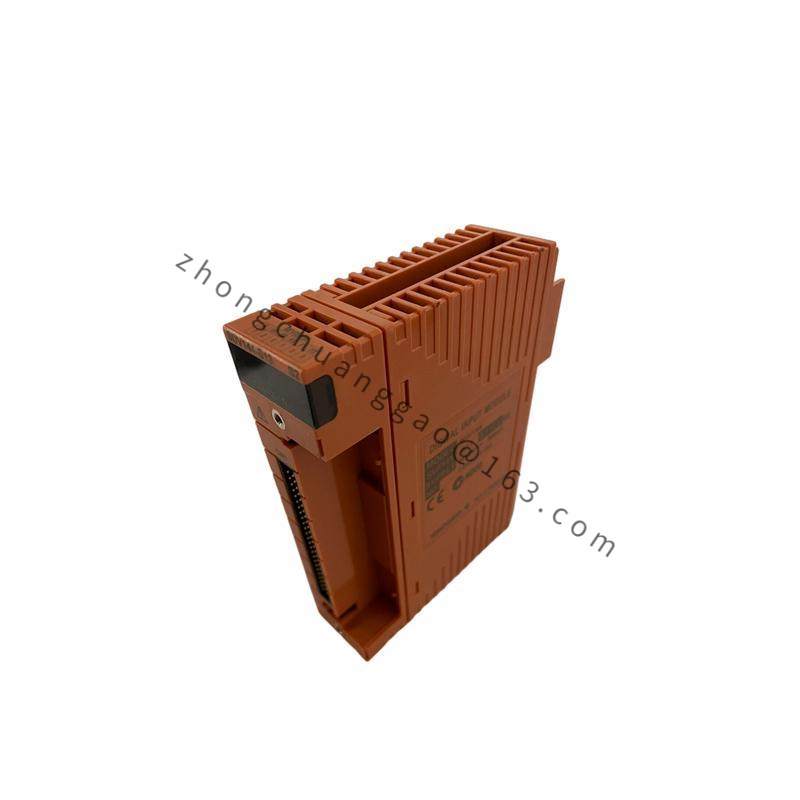
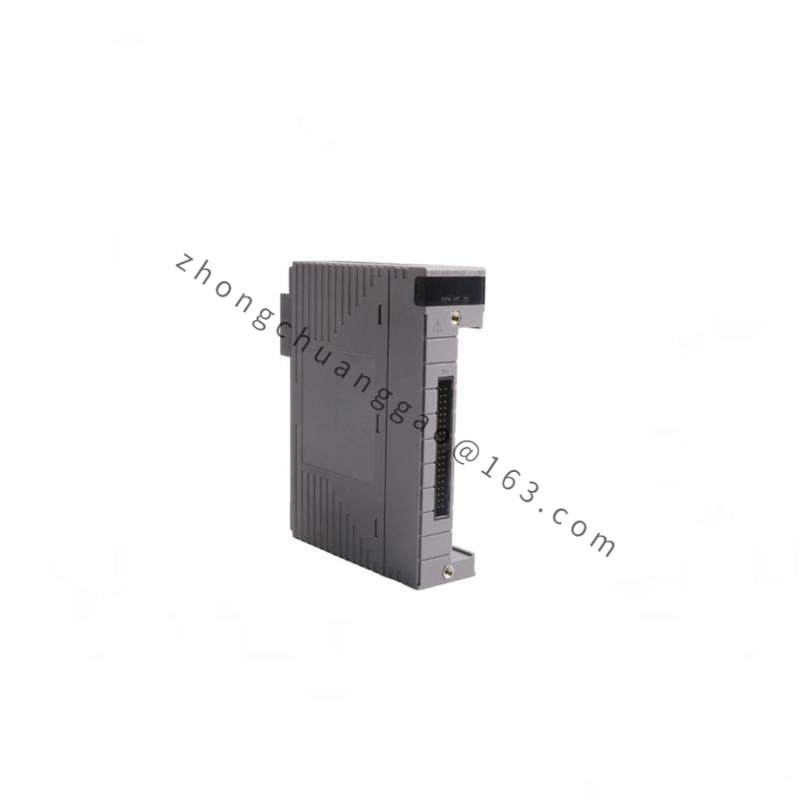
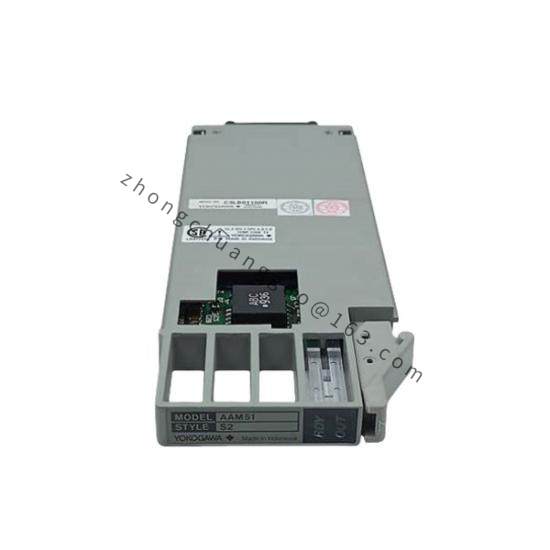
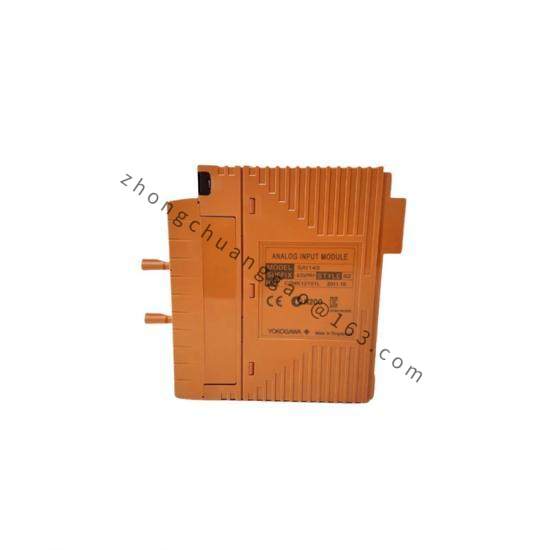
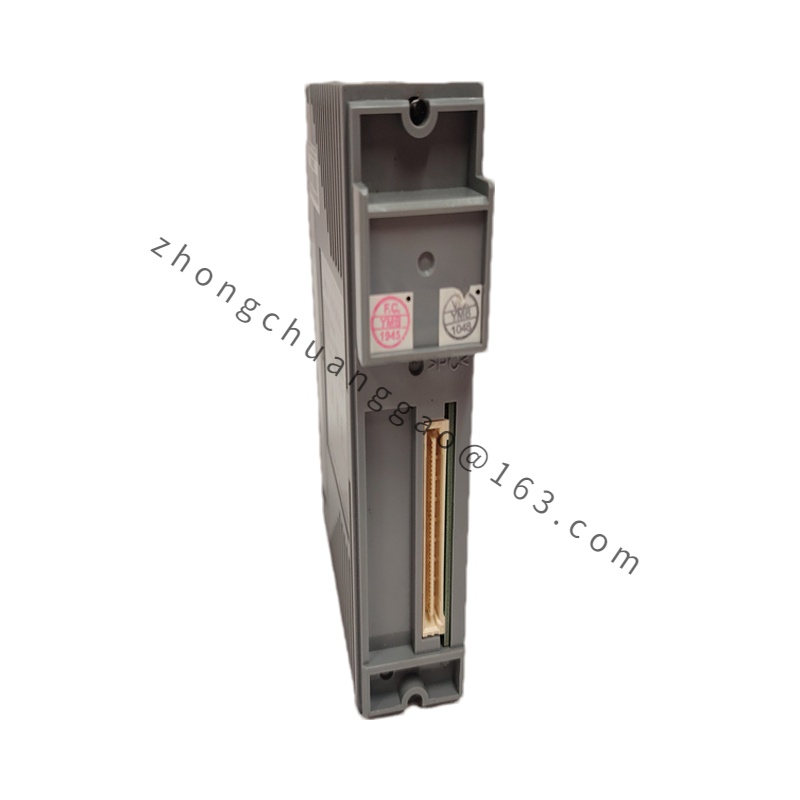
Yokogawa YNT511D System Interface Module
Technical Specifications:
- Communication Protocol: Supports Modbus/TCP, Modbus/RTU, OPC UA, and Ethernet/IP protocols, realizing protocol conversion between different systems.
- Communication Interface: 2 Ethernet ports (10/100Mbps), 2 RS – 485 serial ports, which can meet the needs of different communication connections.
- Data Transmission Rate: The Ethernet port can reach 100Mbps, and the RS – 485 port can reach 115.2kbps.
- Working Voltage: 24V DC, power consumption is 150mA.
- Working Temperature: -10℃ to 55℃, storage temperature: -20℃ to 60℃.
- Installation Method: DIN rail installation, which is convenient for integration into the control cabinet.
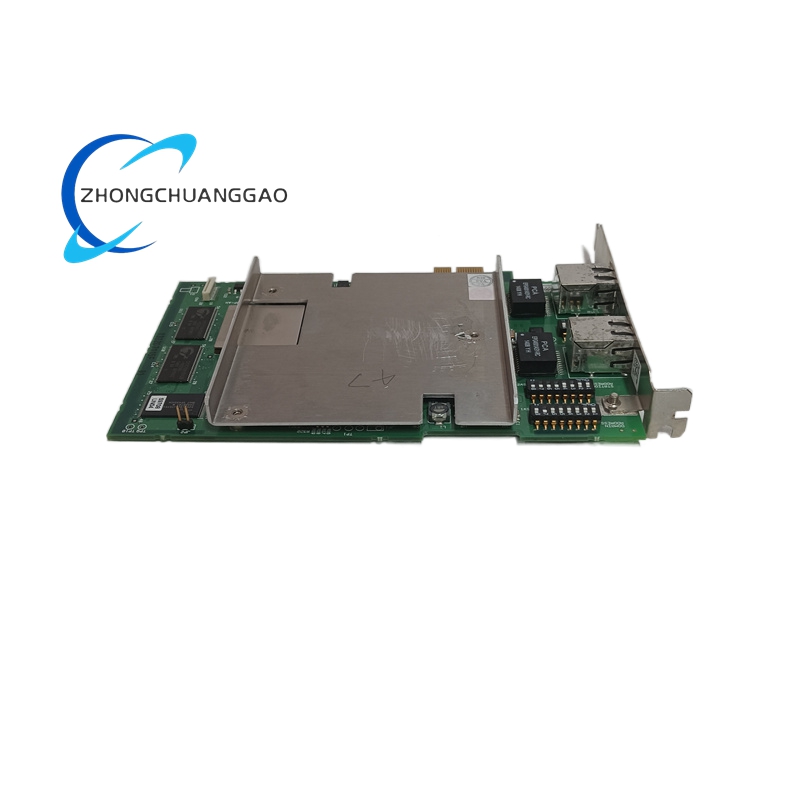
Detailed content
- Functional Characteristics:
- It has a powerful protocol conversion function, which can realize the seamless conversion between multiple industrial communication protocols, and solve the problem of data interoperability between heterogeneous systems.
- It supports data forwarding and data filtering functions, which can screen and forward the data transmitted between systems according to user needs, reducing network bandwidth occupation.
- It has a data buffering function, which can cache data when the network is unstable, ensuring the integrity of data transmission.
- The module has a fault self – diagnosis function, which can monitor its own communication status and working status in real – time, and send an alarm signal when a fault occurs.
- It is easy to configure and manage, and the parameter setting and status monitoring can be completed through the upper – level configuration software.
- Application Scenarios: It is used for data exchange between the CENTUM VP DCS and the MES system in the manufacturing industry; the communication between the distributed control system and the safety instrumented system (SIS) in the petroleum and chemical industry; the data transmission between the power plant control system and the grid dispatching system; and the information integration between the various subsystems in the paper – making and textile industries.