Digital guide

You are here:

Yokogawa WT333-R-C1 Precision Power Analyzer

Technical Specifications:

  • Voltage Range: 10mV-1000V, current range: 100μA-1200A (with appropriate current sensors).
  • Measurement Accuracy: Voltage and current: ±0.02% of reading; active power: ±0.03% of reading.
  • Frequency Range: DC, 0.1Hz-1MHz, covering a wide range of electrical signal frequencies.
  • Harmonic Measurement: Up to 50th harmonic, can analyze the harmonic content of the power signal in detail.
  • Data Storage: Built – in 1GB memory, which can store a large amount of measurement data; it also supports data storage through a USB flash drive.
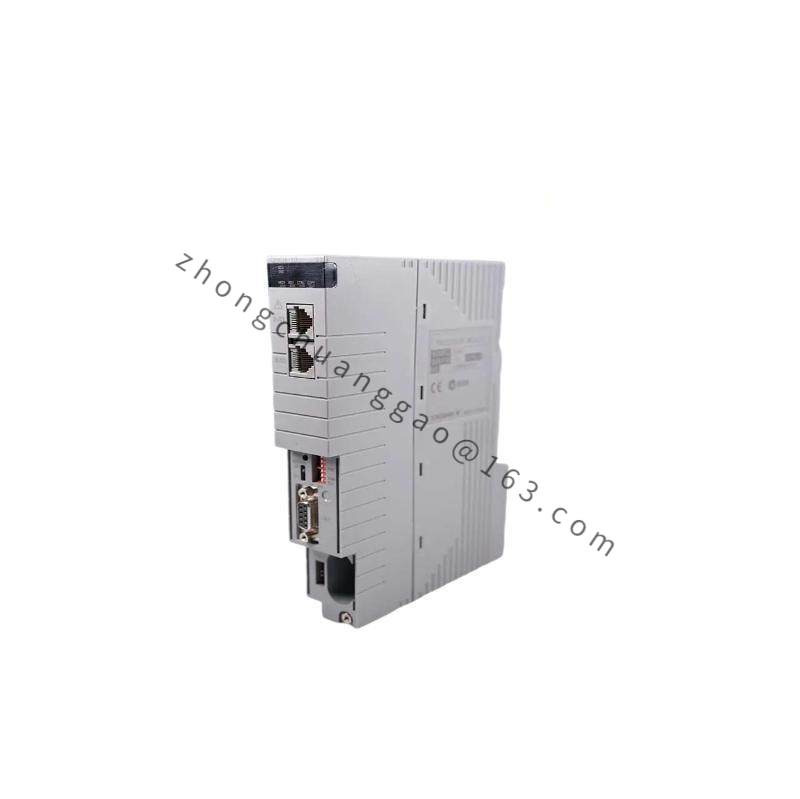
Detailed content

    • Display Screen: 7 – inch color touch screen, with a resolution of 800×480, which can display multiple measurement parameters and waveforms at the same time.
    • Communication Interface: Ethernet, USB, RS – 232, GPIB, which is convenient for data transmission and remote control.
    • Working Temperature: 0℃ to 40℃, suitable for laboratory and industrial on – site measurement environments.
  • Functional Characteristics:
    • It has a high – precision measurement circuit and a high – speed A/D converter, which can ensure the accuracy and real – time performance of measurement data.
    • It supports multiple measurement modes, such as single – phase, three – phase three – wire, three – phase four – wire, and DC measurement, to meet different measurement needs.
    • The built – in power quality analysis function can analyze parameters such as harmonic distortion, flicker, and unbalance, helping users evaluate the quality of the power grid.
    • It has a data logging function, which can record the changes of electrical parameters over time, and the recorded data can be exported for further analysis.
    • The touch – screen operation is simple and convenient, and the user – friendly interface design is convenient for users to quickly set parameters and view measurement results.
  • Application Scenarios: It is used for the power measurement and efficiency evaluation of new energy equipment such as solar inverters and wind power converters; the power quality detection of power systems; the performance test of motor drives and frequency converters in the industrial field; the power consumption measurement of electronic products in the R & D process; and the energy efficiency analysis of various electrical equipment in the laboratory.

You may also like