Digital guide

You are here:

Yokogawa UT351-01

Product Introduction: A high-performance digital indicating controller from Yokogawa’s UT350 series. It features a large, color-changeable display, advanced PID control algorithms, and multiple output options, making it ideal for precise temperature and process control in demanding industrial applications.

Technical Specifications:
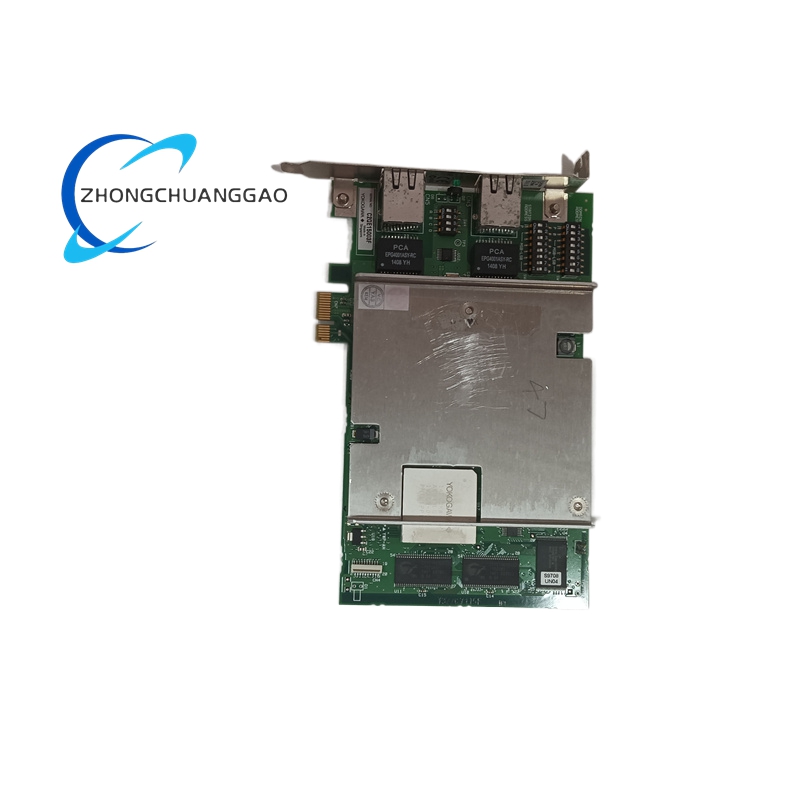
  • Control Type: Advanced PID with auto-tuning, fuzzy logic, and SUPER overshoot suppression.
  • Input Type: Universal input supporting TC, RTD, DC mV, V, and mA signals.
  • Control Output: 1 set of control output (configurable as relay, voltage pulse, or 4–20 mA DC).

Detailed content

  • Alarm Outputs: 3 independent alarm outputs with configurable functions.
  • Display: Large, dual-line, color-changeable LCD display (green/red).
  • Display Features: Automatic color change from green (normal) to red (alarm); user-customizable colors.
  • Communication: Optional RS-485 Modbus for remote monitoring and control.
  • Power Supply: 100–240 V AC, 50/60 Hz.
  • Dimensions: 96 (W) × 96 (H) × 110 (D) mm (1/4 DIN panel mount).

    Key Features:

  • Large, color-changeable display provides intuitive visual status monitoring.
  • Advanced control algorithms ensure precise and stable process control.
  • SUPER function suppresses temperature overshoot and undershoot during setpoint changes.
  • Universal input accepts a wide range of process signals without additional conditioning.
  • Three configurable alarm outputs for comprehensive process safety monitoring.
  • Optional 24 V DC loop power supply for two-wire transmitters.
  • Easy-to-use interface with intuitive menu navigation for quick configuration.
  • Support for Light Loader-LL100 parameter setting tool for efficient setup.

    Applications:

  • Precise temperature control for industrial furnaces, ovens, and heat treatment equipment.
  • Process control for chemical mixing, reaction, and separation processes.
  • Environmental control systems for clean rooms and industrial facilities.
  • OEM equipment integration for precise process regulation.
  • Quality control and monitoring in food, beverage, and pharmaceutical manufacturing.

You may also like