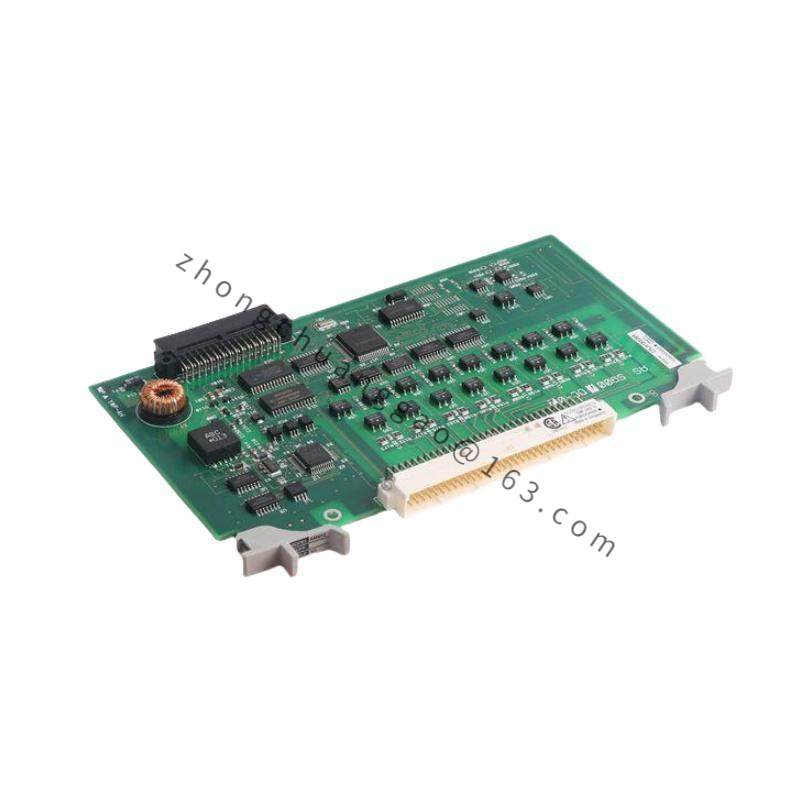
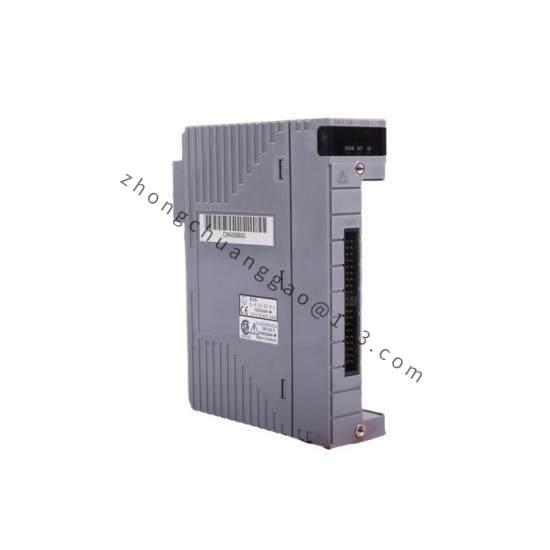
Yokogawa UT350-00 Advanced Digital Indicating Temperature Controller
Technical Specifications:
- Input Type: Universal input, supporting thermocouple (K/J/T/B/R/S/E/N), RTD (Pt100/JPt100/Cu100), 0-10V DC voltage, 0-20mA DC current, and 0-100mV DC millivolt signals.
- Indication Accuracy: ±0.1% of full scale, ensuring precise measurement.
- Control Cycle: 200ms, fixed cycle to ensure stable control.
- Control Output: Optional 4-20mA current output, voltage pulse output, and relay contact output.
- Communication Interface: Ethernet (Modbus/TCP), RS – 485 (Modbus/RTU), supporting data interaction with the upper – level system.
- Working Voltage: 100-240V AC, 50/60Hz; optional 24V DC power supply.
- Working Temperature: -10℃ to 55℃, storage temperature: -20℃ to 60℃.
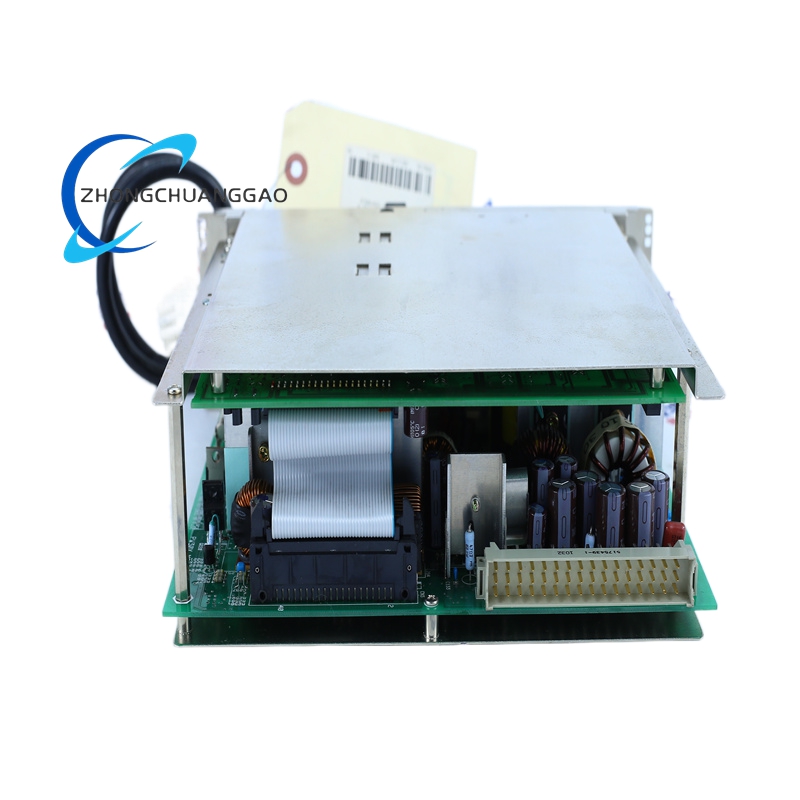
Detailed content
- Functional Characteristics:
- It is equipped with a 14 – segment large – size color LCD display, which can clearly display the process value (PV), set value (SP), output value, and other information, and the screen color can be switched according to the status.
- It has 11 control functions, including PID control, heating/cooling control, cascade control, and user – defined calculation control, which can meet various complex control needs.
- The standard ladder diagram sequence control function can replace a small – size PLC to realize simple logic control, and the programming can be completed through LL1200 software.
- It has rich alarm functions, including PV high/low alarm, deviation alarm, rate – of – change alarm, heater burnout alarm, etc., to ensure the safety of the production process.
- It supports custom calculation functions, and users can perform operations such as addition, subtraction, multiplication, and division on the measured data according to their needs.
- Application Scenarios: It is used for the temperature control of plastic extrusion and injection molding equipment in the plastic industry; the precise temperature control of the reaction kettle in the pharmaceutical and chemical industries; the temperature adjustment of the coating and drying process in the automotive manufacturing industry; the temperature monitoring of the heat treatment process in the metal processing industry; and the process parameter control of various production equipment in the food processing industry.