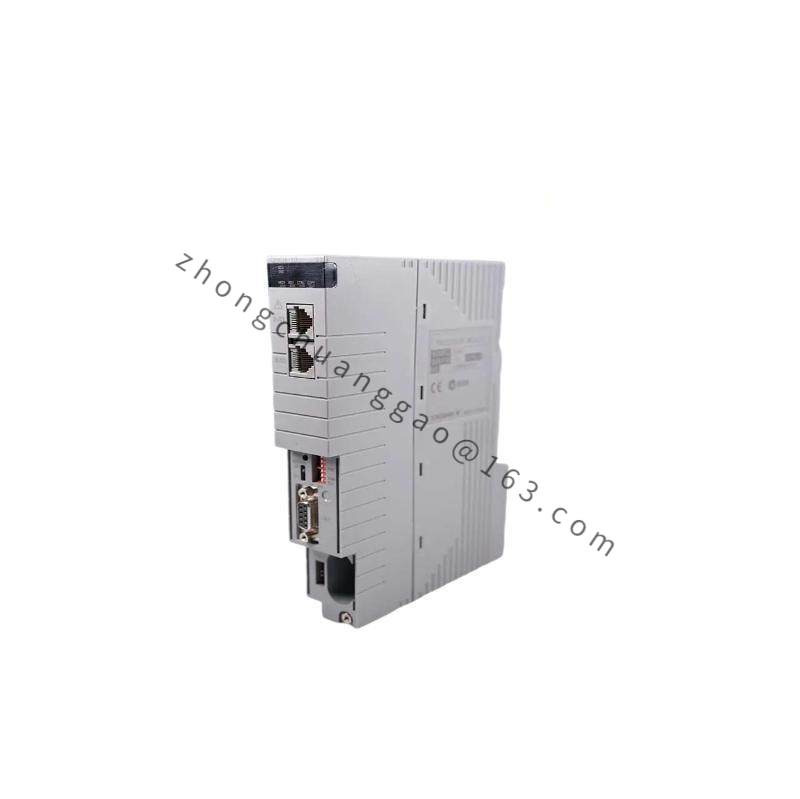
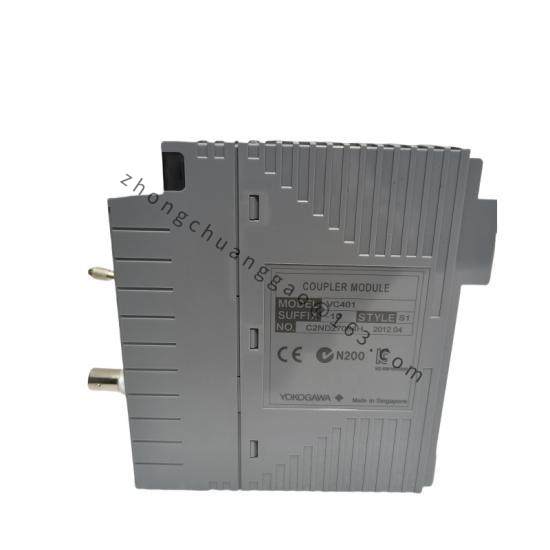
Yokogawa UT150L-RN FM-Certified Limit Temperature Controller
Technical Specifications:
- Input Type: Universal input, supporting thermocouple (K/J/T/B/R/S/E/N), RTD (Pt100/JPt100/Cu100), and DC mV/V signals.
- Indication Accuracy: ±0.1% of full scale, ensuring the accuracy of temperature measurement.
- Control Type: Upper – limit or lower – limit control, with a latching function after the limit is triggered.
- Control Output: Relay contact, voltage pulse, or 4-20mA current output, which can be selected according to the control object.Optional Functions: Dual alarm output, measurement value (PV) forwarding output, and RS – 485 communication (supporting Modbus protocol).
Detailed content
-
- Working Voltage: 100-240V AC, 50/60Hz, power consumption is 5VA.
- Panel Protection Rating: IP65, dustproof and waterproof.
- Dimensions: 48 (W) × 48 (H) × 100 (D) mm, compact and easy to install.
- Functional Characteristics:
- The universal input function can be adapted to various common temperature measurement signals, improving the versatility of the controller.
- It has a delay timer function, which can set the delay time for triggering the limit action, avoiding mis – operation caused by instantaneous temperature fluctuations.
- The large – size 4 – digit LED display can clearly display the measured temperature value, and the status indicator light can intuitively reflect the working state of the controller.
- It supports the latching function of the limit action. After the temperature exceeds the limit, the controller will maintain the current output state until manual reset, ensuring the safety of the equipment.
- The optional RS – 485 communication function enables data interaction between the controller and the upper – level monitoring system, facilitating centralized management.
- Application Scenarios: It is applicable to the temperature limit control of heating furnaces and heat treatment equipment in the metal processing industry; the over – temperature protection of reaction kettles and drying equipment in the chemical industry; the temperature control of incubators and sterilization equipment in the food and pharmaceutical industries; and the over – temperature and over – low temperature alarm of various electrical equipment in the electronics industry.