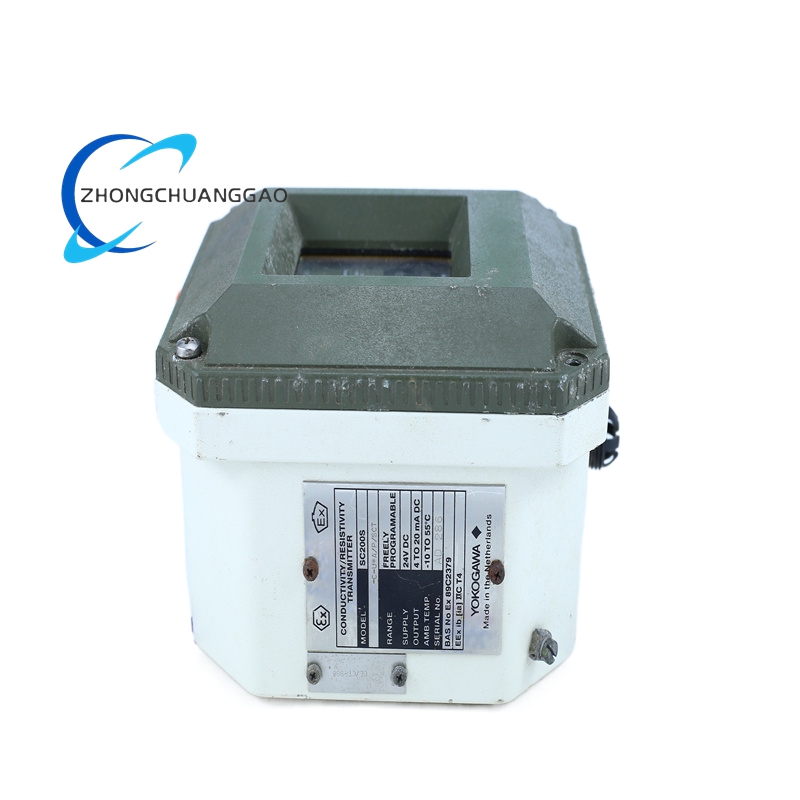
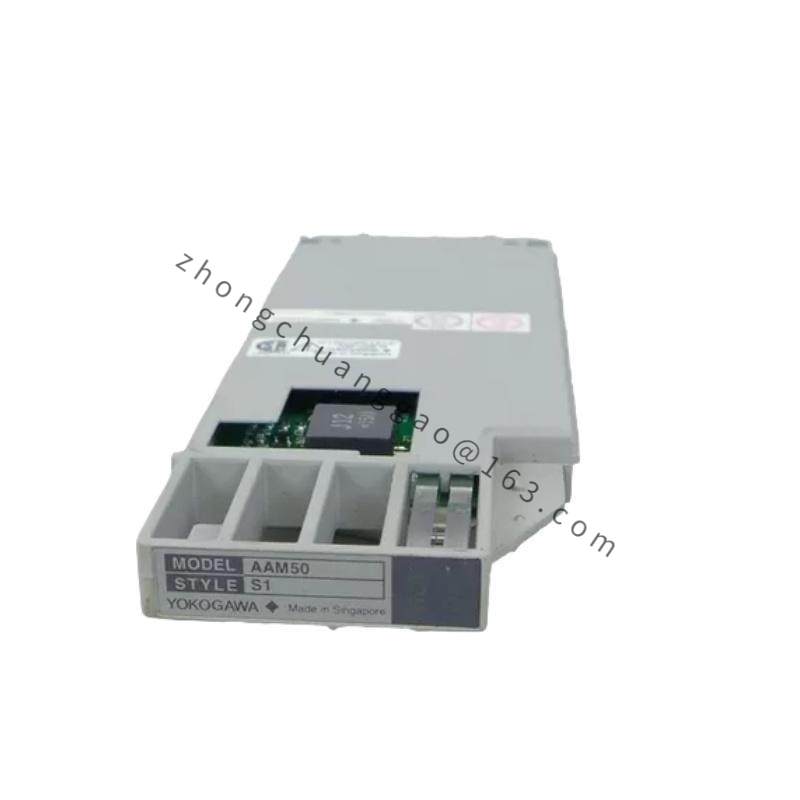
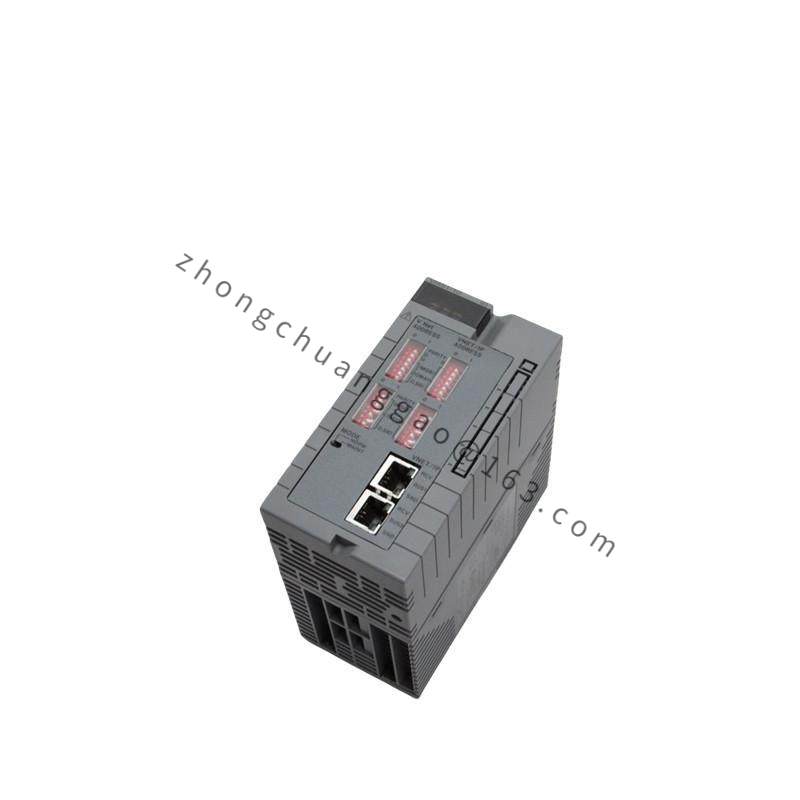
Functional Features: Converts process pressure into standard 4–20 mA analog signal; provides over‑pressure protection; supports stable long‑term pressure monitoring; compatible with industrial control systems
Performance Parameters: Accuracy: ±0.075% FS; stability: ±0.1% FS per year; operating temperature: −40 °C to +85 °C; burst pressure: 4× rated range
Structural Characteristics: Compact integral transmitter structure; sealed explosion‑proof housing; standardized process connection and electrical terminal box; integrated surge protection circuit
Working Principle: Process pressure acts on diffused silicon diaphragm; diaphragm deformation changes semiconductor resistance; bridge circuit converts resistance variation to electrical signal, then linearized and output as 4–20 mA standard signal
Advantages & Highlights: High‑precision long‑term stability; anti‑vibration and anti‑corrosion design; wide temperature adaptability; standard 4–20 mA output for universal system compatibility
Applicable Industries: Oil & gas, petrochemical, power generation, water supply, chemical processing, hydraulic systems, refrigeration engineering
Installation Requirements: Mount vertically or horizontally on process piping/equipment; ensure proper pressure impulse piping installation; implement electrical shielding wiring for signal stability
Usage Precautions: Avoid direct impact on pressure‑sensing diaphragm; prevent over‑pressure exceeding burst pressure rating; implement proper electrical grounding