
Digital guide

You are here:

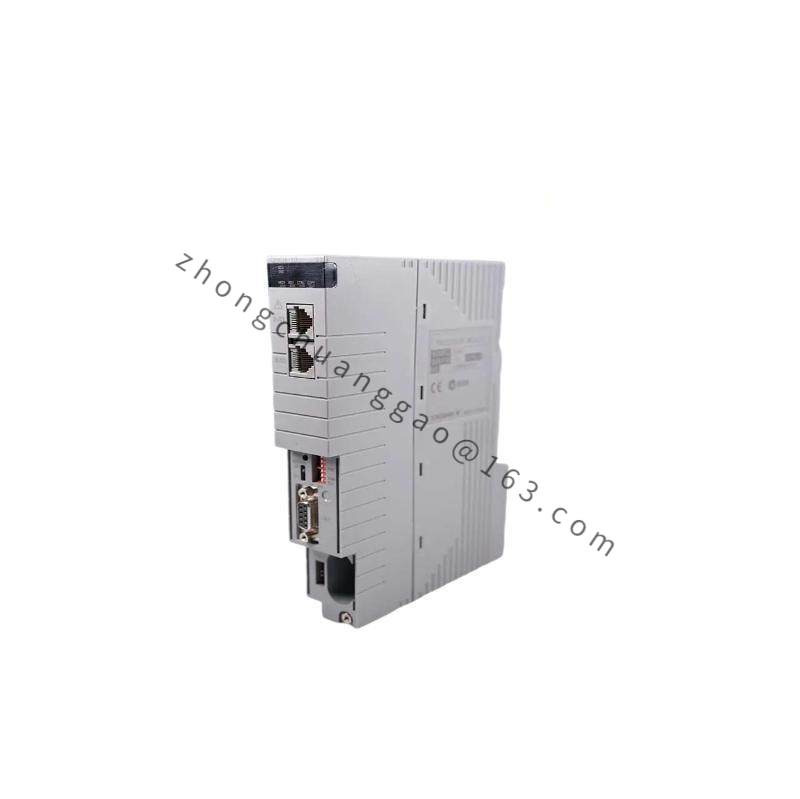
YOKOGAWA SDV53A-SSDV53A-S33

Manufacturer: Yokogawa Electric Corporation

Description:
The SDV53A-SSDV53A-S33 is a smart valve positioner from the SDV53A series. The first “S” indicates single-acting actuator, the second “S” confirms the single-acting configuration, and “S33” specifies the stroke range, signal type, and fail-safe position configuration. It provides precise control of pneumatic actuators with full digital communication capabilities.

Detailed content

Technical Specifications:

  • Actuator TypeSingle-Acting (Spring-Return)
  • Input Signal4–20 mA DC (analog) or HART digital signal
  • Output Signal20–100 kPa (3–15 psi) pneumatic output to actuator
  • Stroke Range (S33): 33 mm (1.3 inches) — configurable via software
  • Communication Protocols: HART 7, FOUNDATION Fieldbus H1, PROFIBUS PA
  • Accuracy: ±0.5% of rated stroke
  • Response Time: Less than 1 second (from 10% to 90% of stroke)
  • Air Supply Pressure: 140 kPa to 700 kPa (20 to 100 psi)
  • Ambient Temperature-40°C to +80°C (-40°F to +176°F)
  • Protection RatingIP67 / NEMA 4X (weatherproof enclosure)
  • Hazardous Area ApprovalsATEX Zone 1/2, Division 1/2, Class I, II, III
  • SIL Rating: SIL 2 (IEC 61508), SIL 3 (IEC 61511) — option dependent
  • Dimensions (W × H × D): Approximately 160 mm × 200 mm × 250 mm
  • Weight: Approximately 4.5 kg

Functional Features:

  • Auto-calibration — automatically learns valve stroke characteristics (initialization in 30 seconds)
  • HART 7 / FOUNDATION Fieldbus / PROFIBUS PA communication for remote diagnostics
  • Fail-safe position configurable (air-to-open or air-to-close on signal loss)
  • Stroke limitation — adjustable upper and lower limits
  • Diagnostic data: friction detection, seal leakage detection, response time monitoring
  • Linearization function — corrects for non-linear valve characteristics
  • Position feedback — continuous valve position monitoring (0–100%)

Structural Characteristics:

  • Aluminum die-cast housing with epoxy coating
  • IP67/NEMA 4X rated enclosure
  • DIN rail or direct pipe mounting
  • Large LCD display with navigation buttons for local configuration
  • M20 × 1.5 air supply connection
  • PG21 cable gland for electrical connections

Working Principle:
The positioner receives a 4–20 mA DC control signal (or digital signal via HART/Fieldbus) from the DCS/PLC. An internal microprocessor compares the commanded position with the actual valve position (measured by a built-in LVDT or potentiometer). The positioner adjusts the pneumatic output pressure (20–100 kPa) to the actuator until the actual position matches the commanded position. The closed-loop control achieves ±0.5% stroke accuracy. Digital communication enables remote configuration, diagnostics, and position monitoring.

Advantages:

  • ±0.5% stroke accuracy — superior positioning performance
  • Auto-calibration in 30 seconds — eliminates manual setup
  • Multi-protocol communication (HART, FF, PROFIBUS PA)
  • SIL 3 capable for safety-critical shutdown valves
  • Single-acting design with configurable fail-safe position

Applicable Industries:

  • Oil and Gas (Refining, Pipeline, Offshore)
  • Chemical and Petrochemical
  • Power Generation (Steam control, feedwater)
  • Pulp and Paper
  • Water and Wastewater

Installation Requirements:

  • Mount directly on the valve actuator using the provided mounting bracket
  • Connect air supply (140–700 kPa) to the positioner air inlet
  • Connect 4–20 mA signal wires to the electrical terminals (shielded, twisted pair)
  • For Fieldbus: connect the Fieldbus coupler to the positioner communication port
  • Ensure the positioner orientation allows condensation drainage (vent hole at bottom)

Precautions:

  • Verify the actuator is single-acting (spring-return) before installation
  • Set the fail-safe position (air-to-open or air-to-close) correctly for the safety requirement
  • Ensure air supply is clean and dry — use a filter/regulator upstream
  • Do not exceed the maximum supply pressure of 700 kPa (100 psi)
  • Perform auto-calibration after every mechanical adjustment to the valve

You may also like