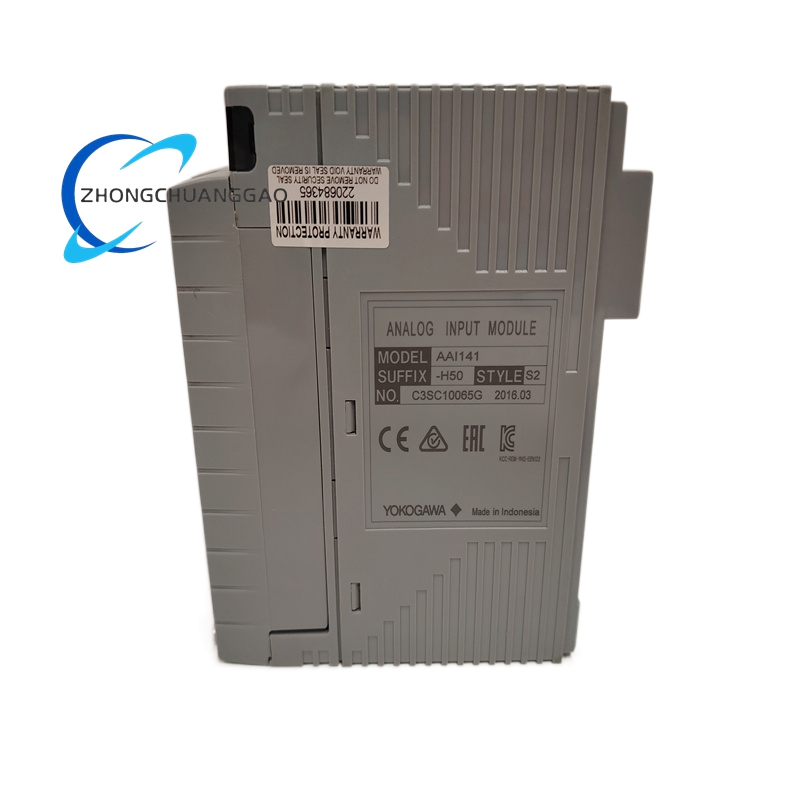
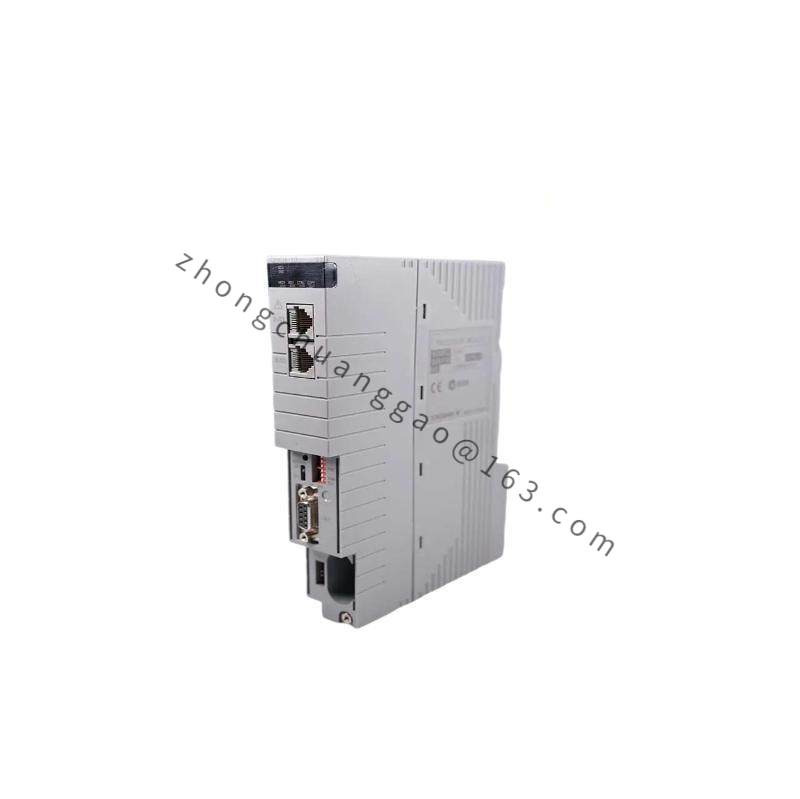
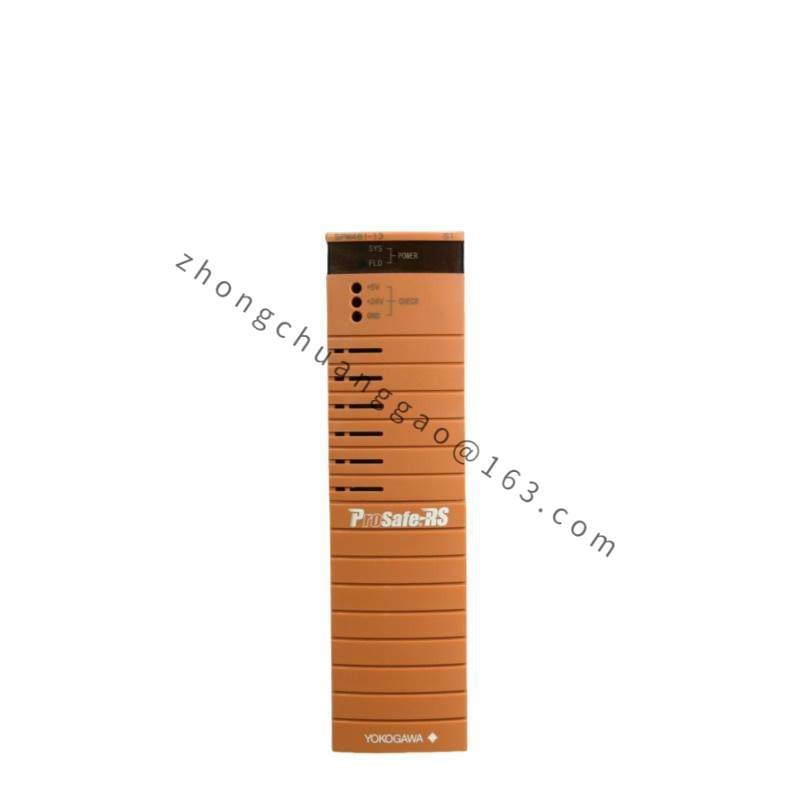
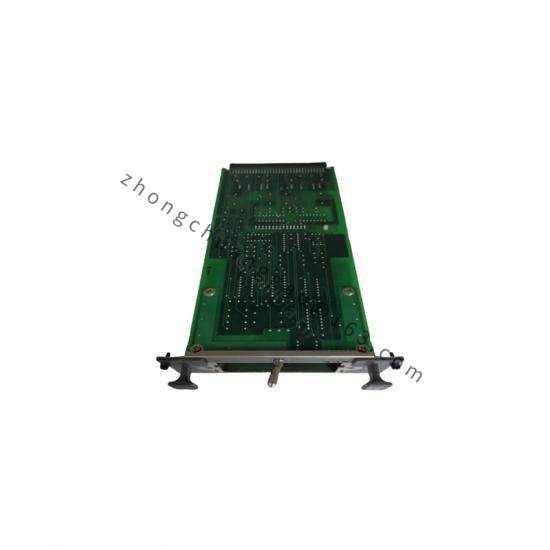
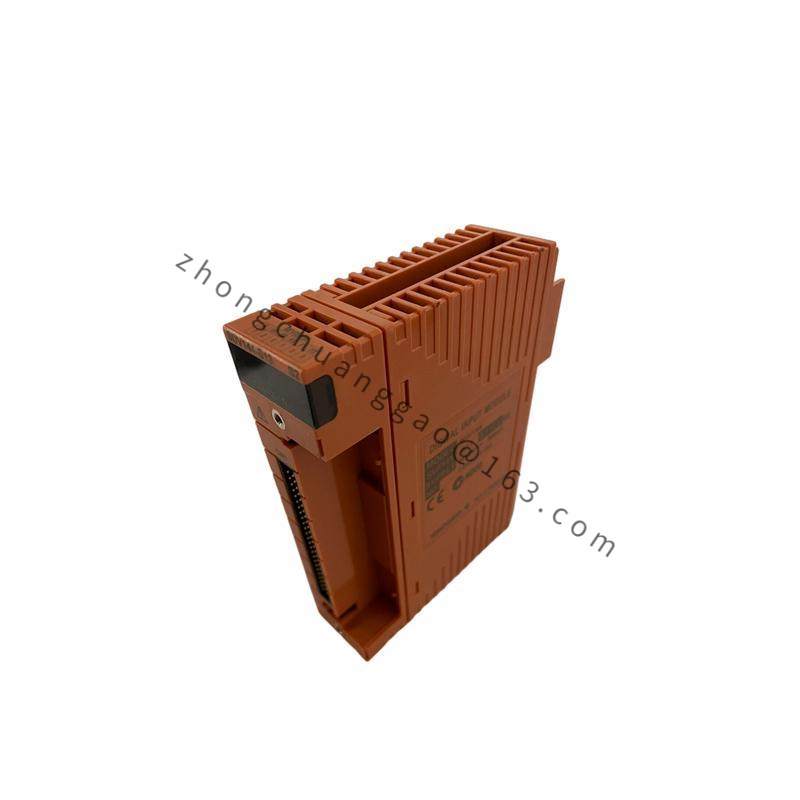
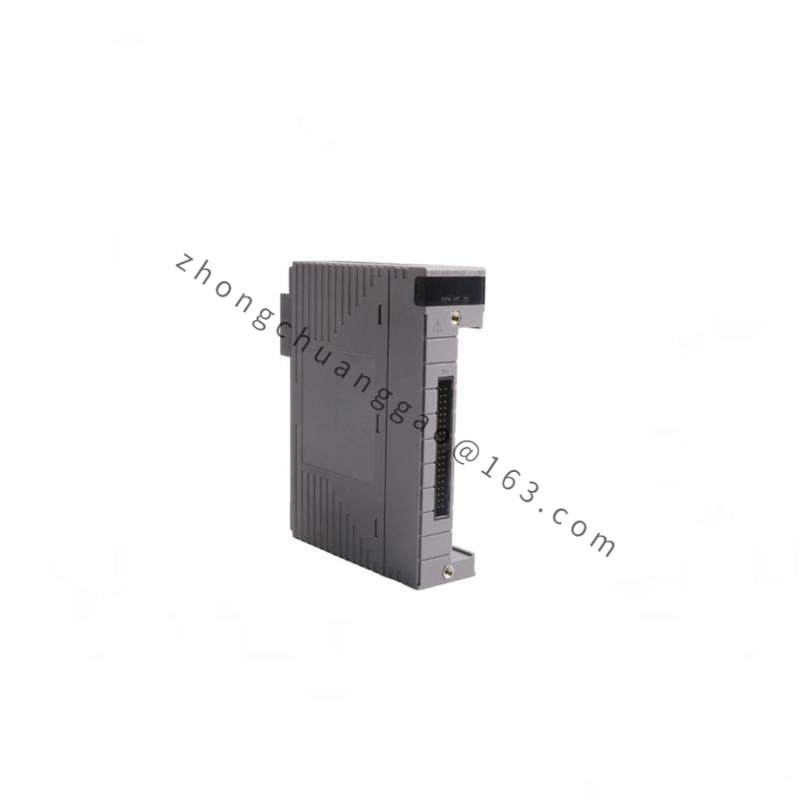
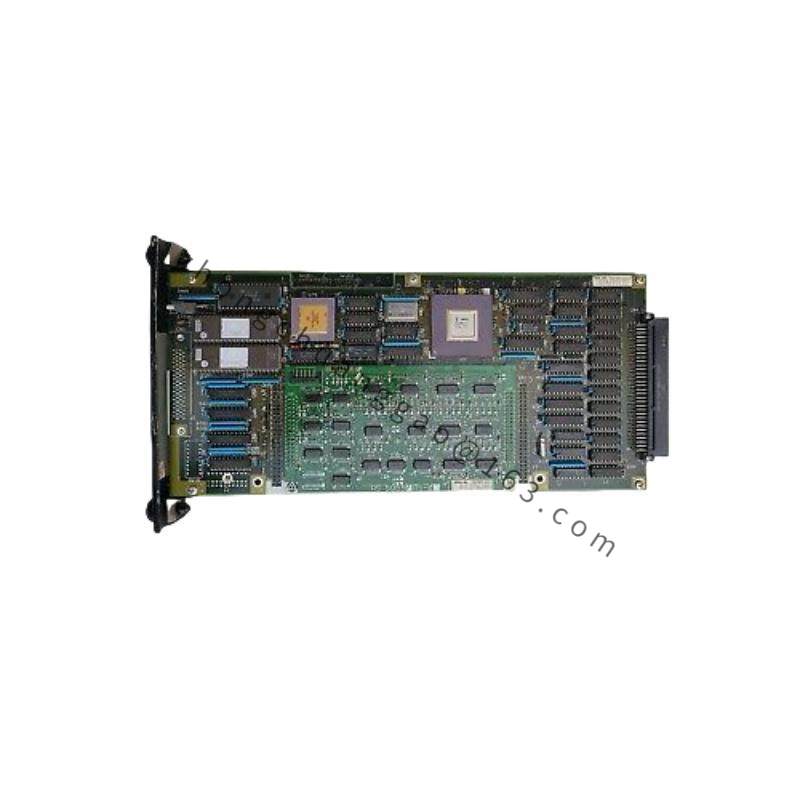
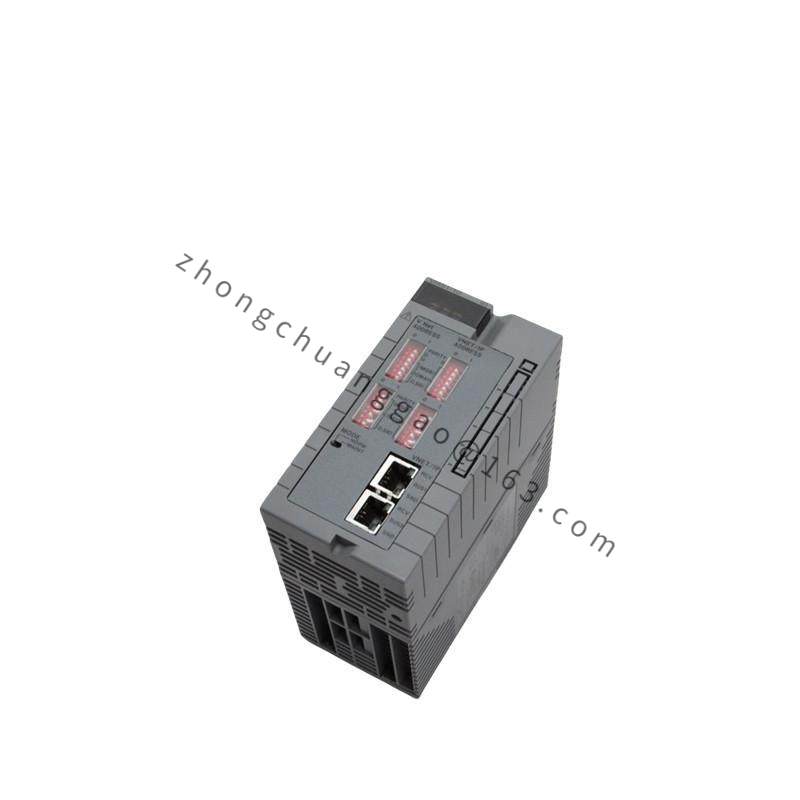
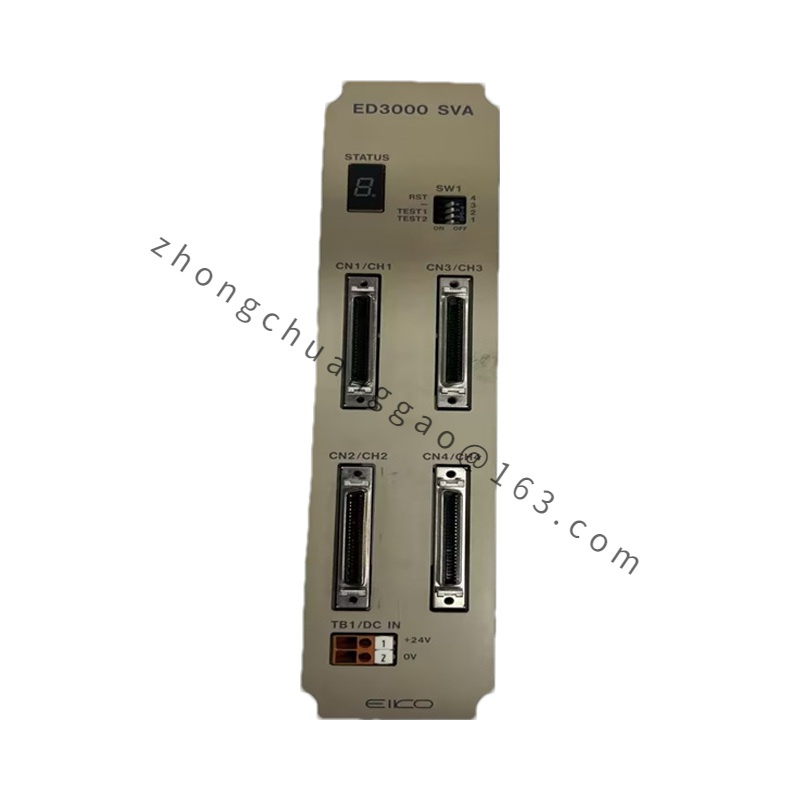
Product Name: Yokogawa SDV Series Digital Output Safety Relay Module
Product Brief: Safety‑grade digital output relay module for Yokogawa safety instrument system (SIS), used for safe signal output and on‑off control in high‑risk industrial processes.
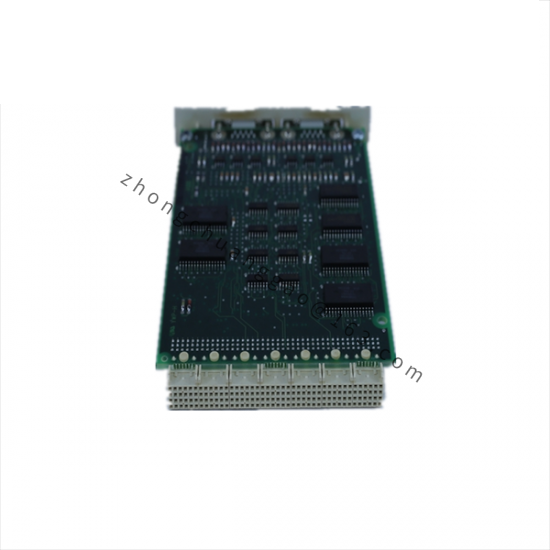
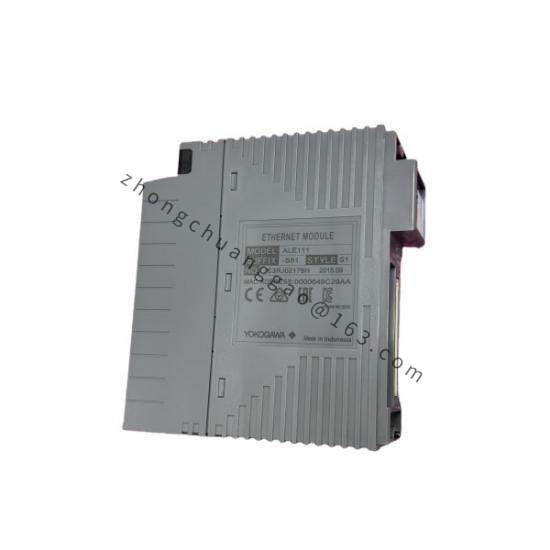
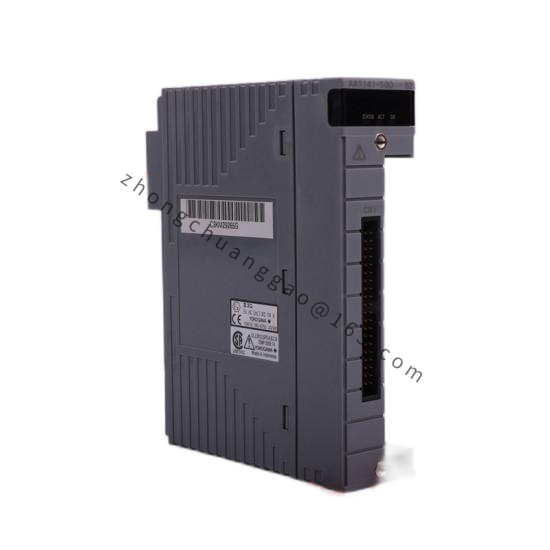
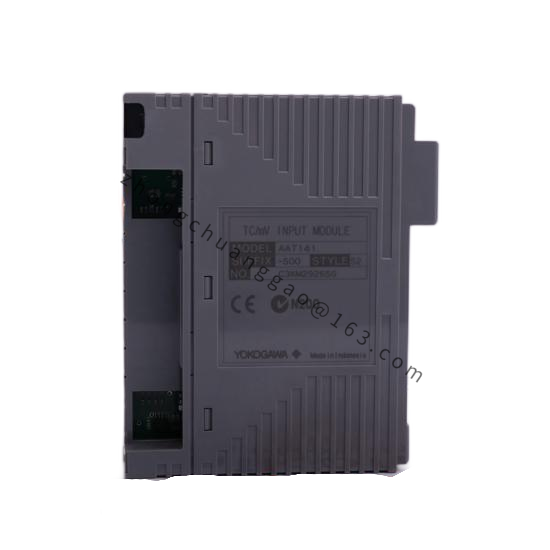
Structural Characteristics: DIN‑rail mount modular structure, compact plug‑in design for safety system chassis, front‑panel safety status indicators.
Working Principle: Receives safety system control signal, drives solid‑state relay to complete on‑off output, feeds back output status and fault signal to host system.
Advantage Highlights: SIL‑certified safety performance, fast switching response, long service life, high anti‑interference, multi‑channel integrated design.
Applicable Industries: Petrochemical safety control, natural gas safety monitoring, power plant safety instrument system, chemical high‑risk process control.
Model Series: SDV Series Safety I/O Modules
Installation Requirements: Install on standard DIN rail in safety cabinet, maintain heat dissipation gap, use shielded wiring, strict safety grounding specification.
Usage Precautions: Only use in certified safety systems, regular safety function inspection, avoid over‑current output damage, prevent static electricity damage during maintenance.