
Digital guide

You are here:

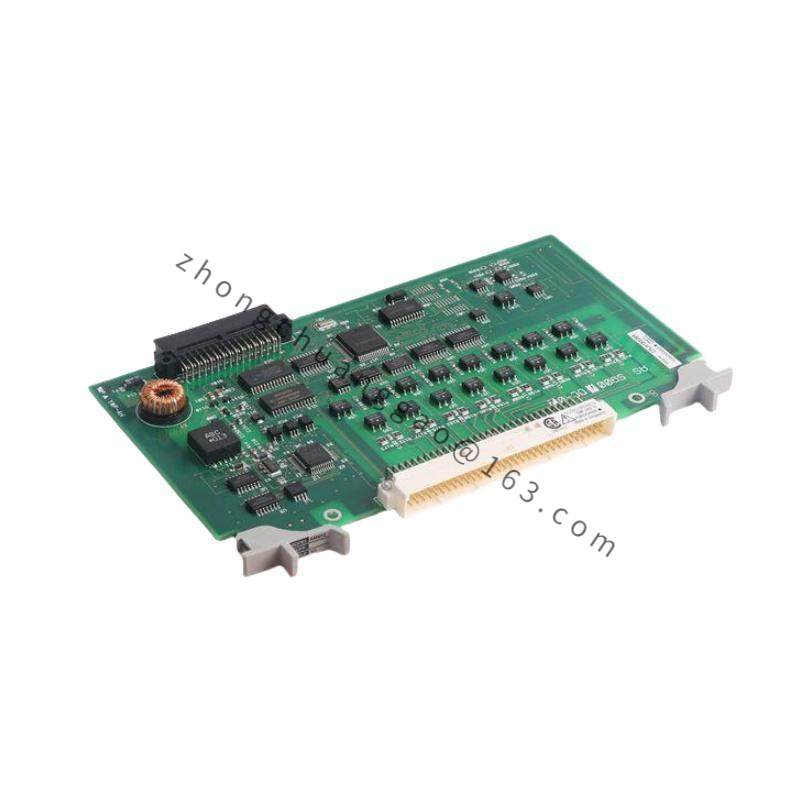
Yokogawa SCP461-CESSOS2

Model Number: SCP461-CESSOS2

Product Introduction:
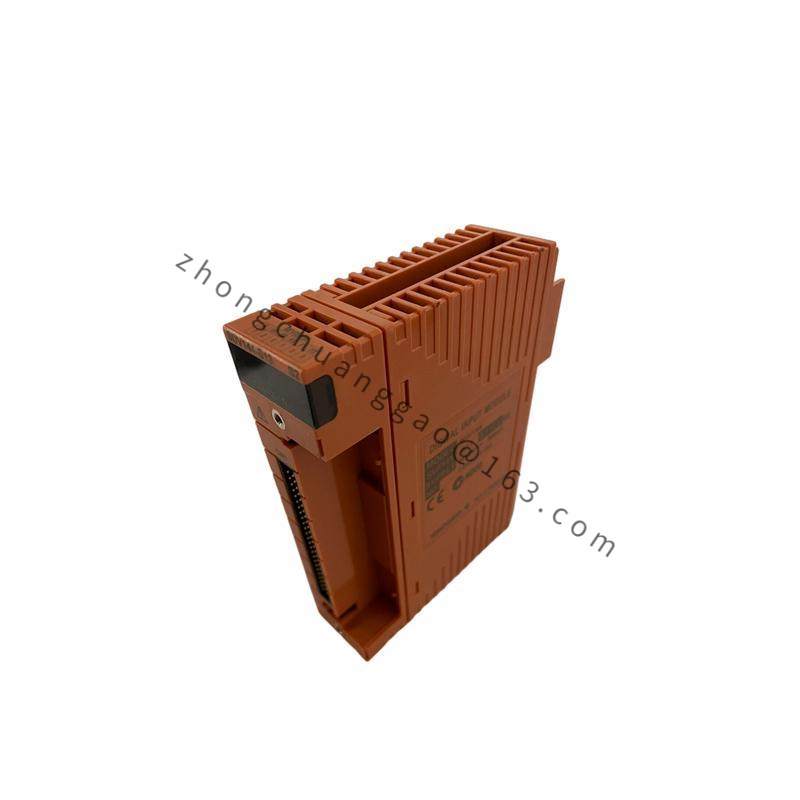
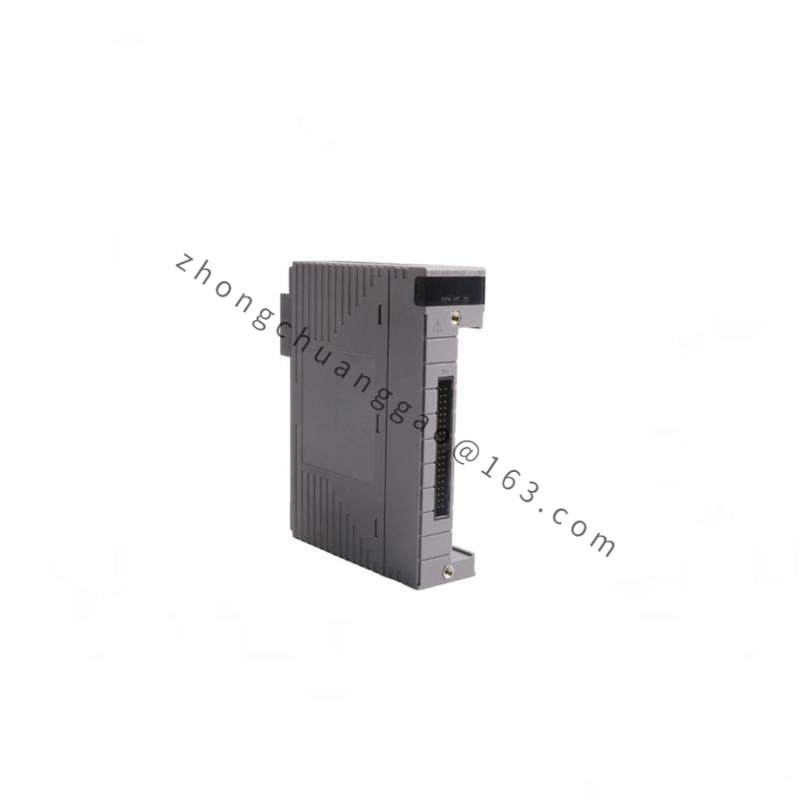
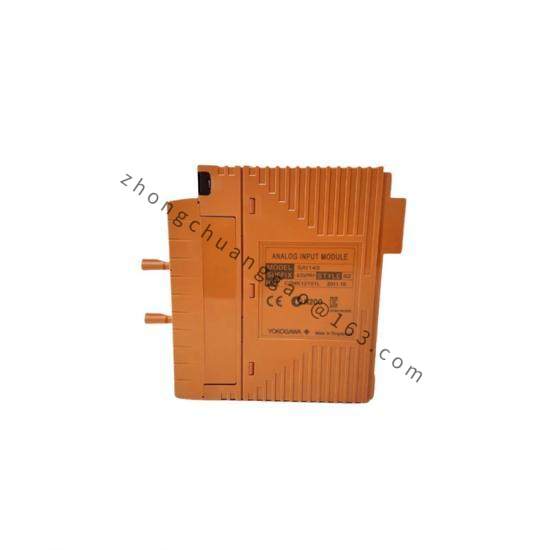
The SCP461-CESSOS2 is a serial communication interface module designed for the CENTUM VP and CENTUM CS3000 Distributed Control Systems (DCS). It enables high-speed data exchange between the DCS controller and field devices, PLCs, and other system components using standard serial communication protocols.

Detailed content

Function Features:

  • Supports EIA RS-232C and RS-485 dual-protocol communication simultaneously
  • Provides galvanic isolation between the DCS bus and external communication lines
  • Enables point-to-point and multi-drop network topologies
  • Supports Modbus RTU (Master/Slave) protocol operation
  • Compatible with CENTUM VP HIS (Human Interface Station) and FCS (Field Control Station)
  • Facilitates remote configuration and diagnostics of field instruments

Technical Specifications:

Parameter Specification
Communication Protocol EIA RS-232C / RS-485
Baud Rate 1200 / 2400 / 4800 / 9600 / 19200 / 38400 bps
Data Format 7 or 8 data bits, 1 or 2 stop bits, even/odd/no parity
Isolation Voltage 1500 V AC (50/60 Hz) for 1 minute
Power Supply 24 V DC (±10%) from DCS backplane
Operating Temperature 0°C to +55°C
Dimensions (W×H×D) 25.4 × 120 × 160 mm (approx.)
Weight Approximately 0.3 kg
Compliance Standards IEC 61131-2, FCC Part 15 Class A, CE Marking

Structure Characteristics:

  • DIN rail or panel-mount installation compatible
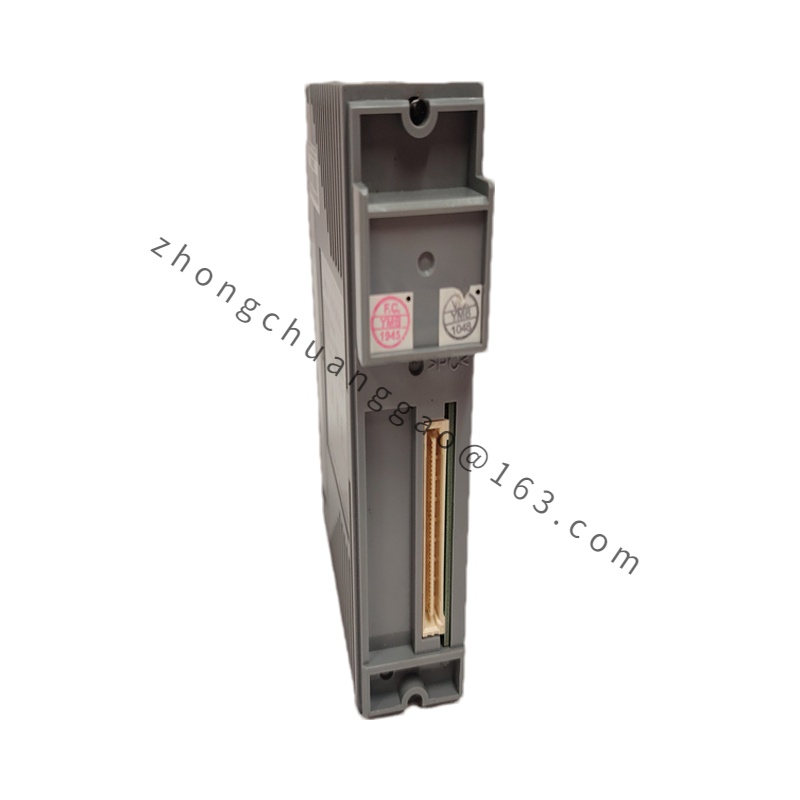
  • 32-pin connector for DCS backplane interface
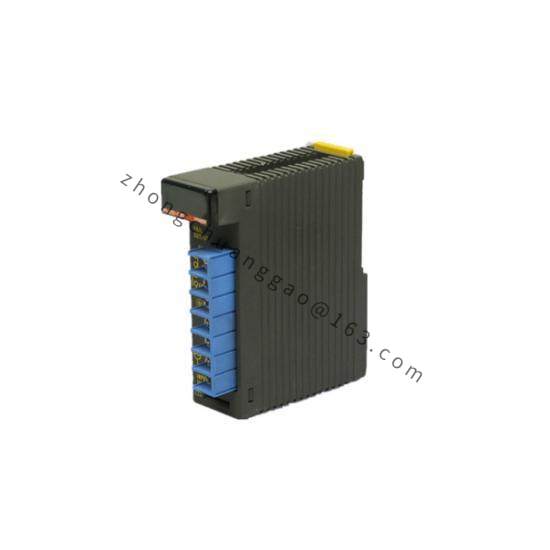
  • Screw-terminal blocks for external RS-232C/RS-485 wiring
  • LED status indicators for power, communication activity, and error states
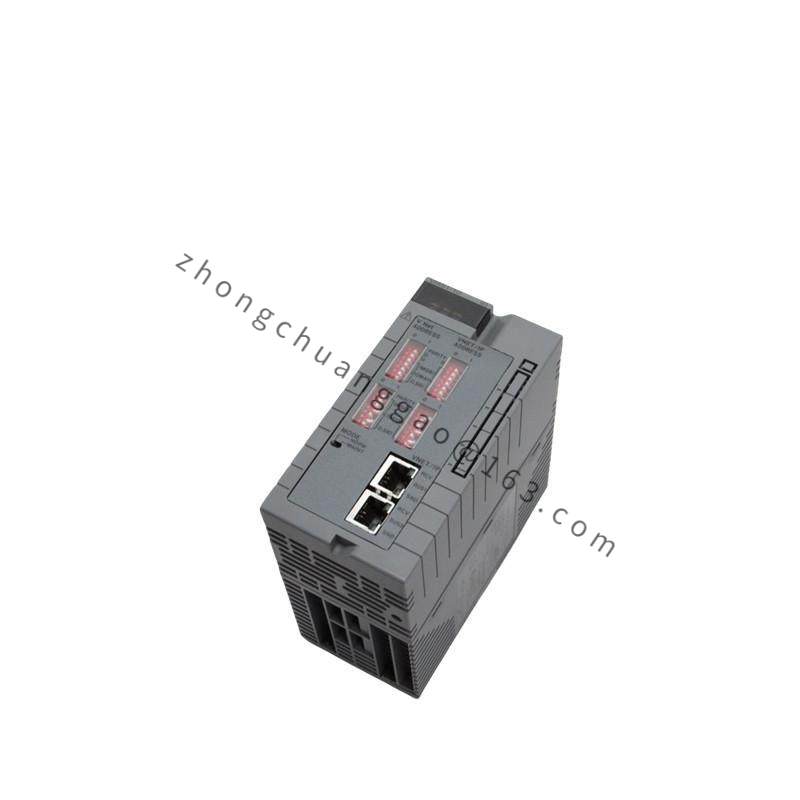
  • DIP switches for address and protocol configuration

Working Principle:
The module receives data packets from the DCS controller via the system bus (Vnet/FNET), converts the data into serial format (RS-232C or RS-485), and transmits it to external field devices. Incoming serial data is converted back to DCS-compatible format and forwarded to the appropriate control station. Galvanic isolation protects the DCS backplane from electrical surges and ground loops on the field side.

Advantages & Highlights:

  • Dual-protocol support eliminates need for separate communication cards
  • Built-in galvanic isolation ensures system reliability in electrically noisy environments
  • Hot-swappable design allows module replacement without system shutdown
  • Wide baud rate range supports both legacy and modern field devices
  • Modbus compatibility ensures interoperability with third-party equipment

Applicable Industries:

  • Oil & Gas (refineries, pipelines, offshore platforms)
  • Chemical & Petrochemical processing plants
  • Power Generation (thermal, nuclear, combined cycle)
  • Pharmaceutical manufacturing
  • Pulp & Paper mills
  • Water & Wastewater treatment facilities

Installation Requirements:

  • Install in DIN rail enclosure or control panel with adequate ventilation
  • Maintain minimum 10 mm clearance above and below the module for airflow
  • Use shielded twisted-pair cables for RS-485 communication runs exceeding 10 meters
  • Connect shield ground at one end only to prevent ground loops
  • Ensure 24 V DC power supply stability within ±10% tolerance

Usage Precautions:

  • Do not exceed 1500 V AC isolation rating between communication ports and DCS backplane
  • Terminate RS-485 bus with 120Ω resistor at both ends for runs over 100 meters
  • Avoid routing communication cables parallel to high-voltage power cables (minimum 200 mm separation)
  • Do not connect RS-232C and RS-485 ports simultaneously to the same external device
  • Firmware updates must be performed through CENTUM VP Engineering Station only

You may also like