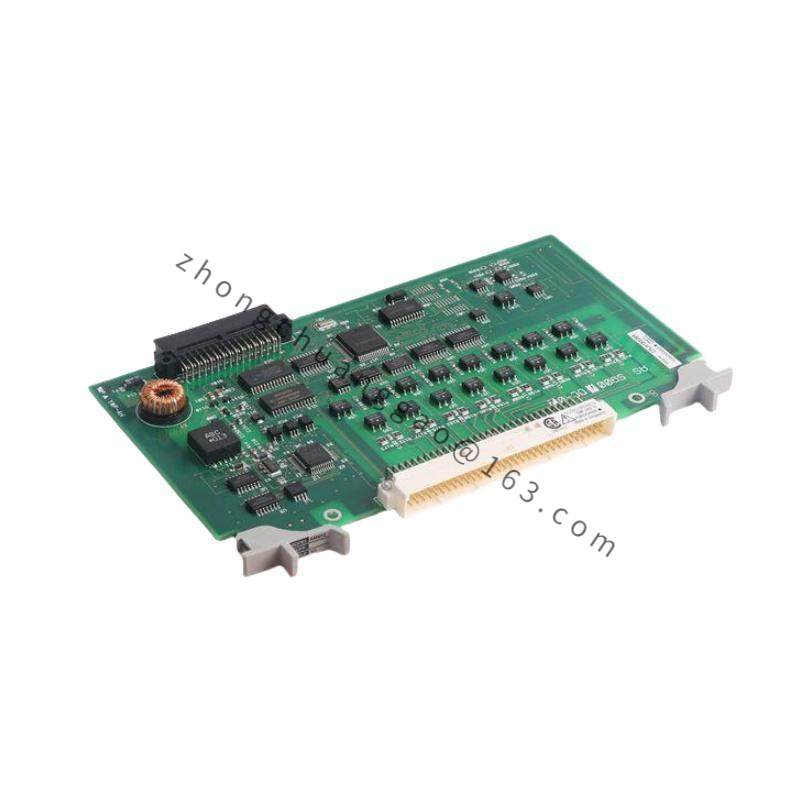

Yokogawa SAI143-S33/PRP
Model Number: SAI143-S33/PRP
Product Introduction:
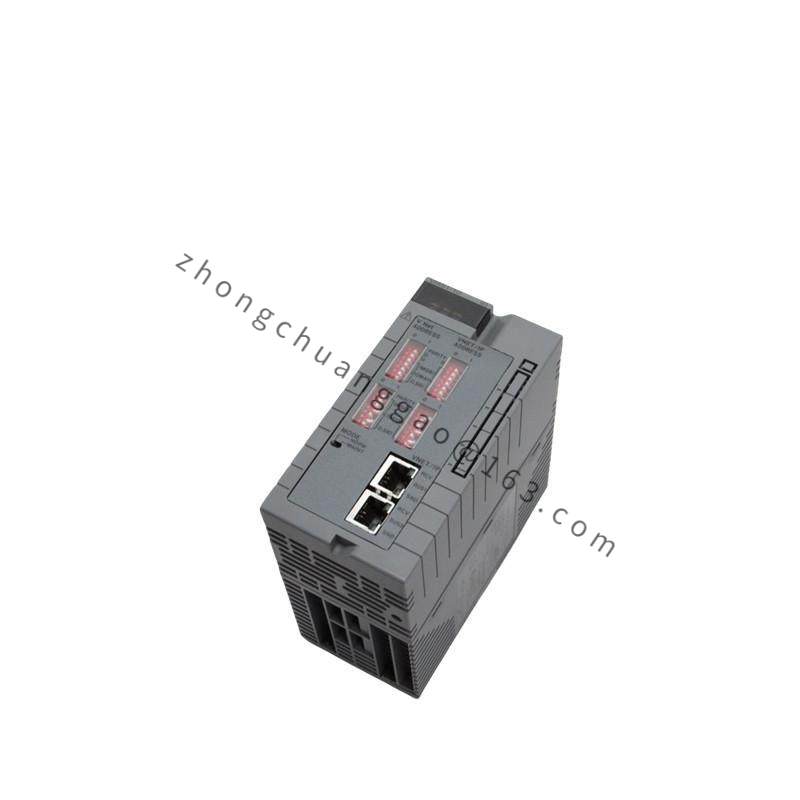
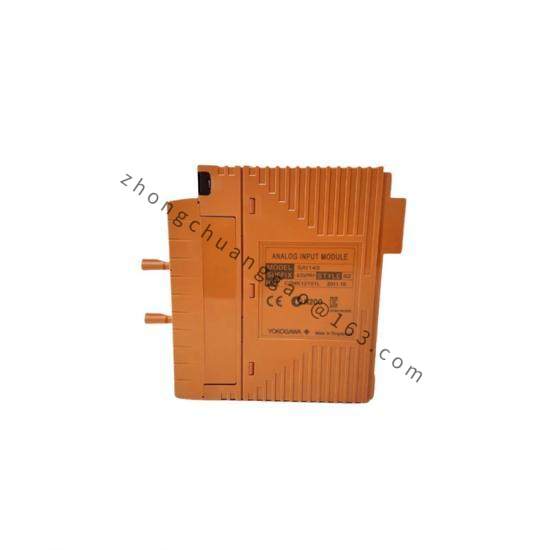
The SAI143-S33/PRP is a 4-channel analog input module designed for the Yokogawa FA-M3 distributed control system. The S33 suffix indicates RTD (Resistance Temperature Detector) input type. The /PRP suffix denotes a redundant (pair) configuration, providing fault-tolerant operation for safety-critical applications. This module converts RTD signals into digital values for the central processor.
Detailed content
Technical Specifications:
- Number of Channels: 4 channels
- Input Type: RTD (Pt100, Pt1000, Cu50, Cu100, JPt100)
- Redundancy Configuration: PRP (Redundant pair)
- Input Resistance Range: 0 to 400 Ω (Pt100), 0 to 4000 Ω (Pt1000)
- Measurement Method: 3-wire or 4-wire RTD
- A/D Resolution: 16-bit
- Conversion Time: 250 ms per channel (all channels)
- Accuracy: ±0.1% of span (at 25 °C ambient)
- Temperature Drift: ±15 ppm/°C
- Isolation: 500 V AC between channels, 500 V AC channel to backplane
- Power Consumption: 1.5 W per module (typical)
- Operating Temperature: 0 to 55 °C (32 to 131 °F)
- Humidity: 5 to 95% RH (non-condensing)
- Mounting: DIN rail or direct mounting in FA-M3 rack
- Dimensions: 25 × 90 × 130 mm (W × H × D) approximately
Functional Features:
- 3-Wire RTD Compensation: Built-in lead wire resistance compensation eliminates errors from long cable runs
- 4-Wire RTD Support: Full 4-wire configuration available for highest accuracy
- Cold Junction Compensation: Automatic compensation for thermocouple reference junction (when used in mixed configurations)
- Redundant Operation: PRP configuration enables seamless switchover on primary module failure
- Online Diagnostics: Channel status, wire break detection, and sensor fault indication
- Self-Diagnosis: Module-level self-test on power-up and during operation
Performance Parameters:
- Input Impedance: 1 MΩ (typical)
- Common Mode Rejection Ratio (CMRR): 120 dB minimum at 50/60 Hz
- Normal Mode Rejection Ratio (NMRR): 80 dB minimum at 50/60 Hz
- Backplane Communication: FA-M3 high-speed serial bus
- Update Rate: 4 scans per second (all 4 channels)
- Alarm Thresholds: Configurable high/low alarms per channel
Structural Features:
- FA-M3 standard module format
- Front-facing terminal blocks for field wiring
- LED indicators per channel (power, active, alarm)
- Redundant backplane connector for PRP configuration
- DIN rail clip or screw mounting option
Working Principle:
The SAI143 module receives RTD resistance signals from field sensors via 3-wire or 4-wire connections. An internal constant current source excites the RTD element, and the resulting voltage drop is measured by a precision A/D converter. The 16-bit digital value is transmitted to the FA-M3 central processor via the backplane bus. In PRP configuration, a second identical module runs in parallel, and the system automatically switches to the backup module upon detection of a primary module fault.
Advantage Highlights:
- Redundant Architecture: PRP configuration ensures zero-downtime operation in critical processes
- High Accuracy RTD Measurement: ±0.1% span accuracy with 3-wire lead compensation
- FA-M3 Integration: Seamless integration with Yokogawa FA-M3 DCS platform
- Online Replaceability: Hot-swappable module design for maintenance without process shutdown
- Comprehensive Diagnostics: Per-channel LED status and system-level fault reporting
Applicable Industries:
- Oil refineries
- Chemical plants
- Power plants (thermal, nuclear, combined cycle)
- Water treatment facilities
- Pharmaceutical production
- Steel and metal processing
Installation Requirements:
- Install in FA-M3 compatible rack or DIN rail enclosure
- Ensure ambient temperature remains within 0 to 55 °C
- Use shielded twisted-pair cables for RTD connections
- Maintain minimum 50 mm clearance between modules for airflow
- Connect redundant backplane cable for PRP configuration
- Ground the shield at one end only (control room end)
Usage Precautions:
- Match input type configuration (S33 = RTD) to actual field sensor before commissioning
- Do not mix RTD and thermocouple inputs on the same module
- Verify 3-wire or 4-wire configuration matches actual field wiring
- Replace both PRP modules simultaneously during scheduled maintenance
- Ensure backup power supply is active for redundant system operation