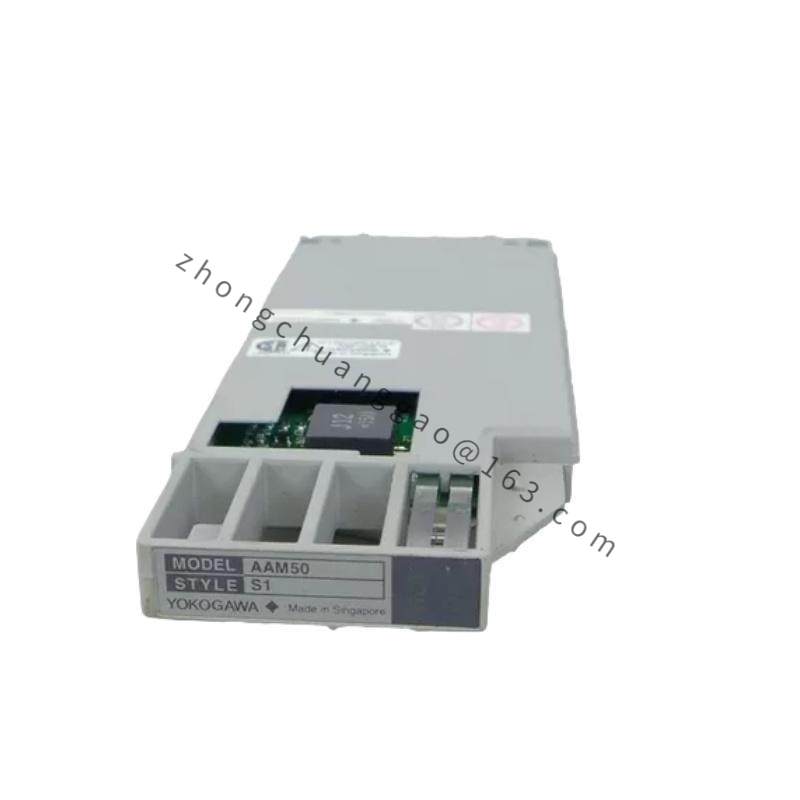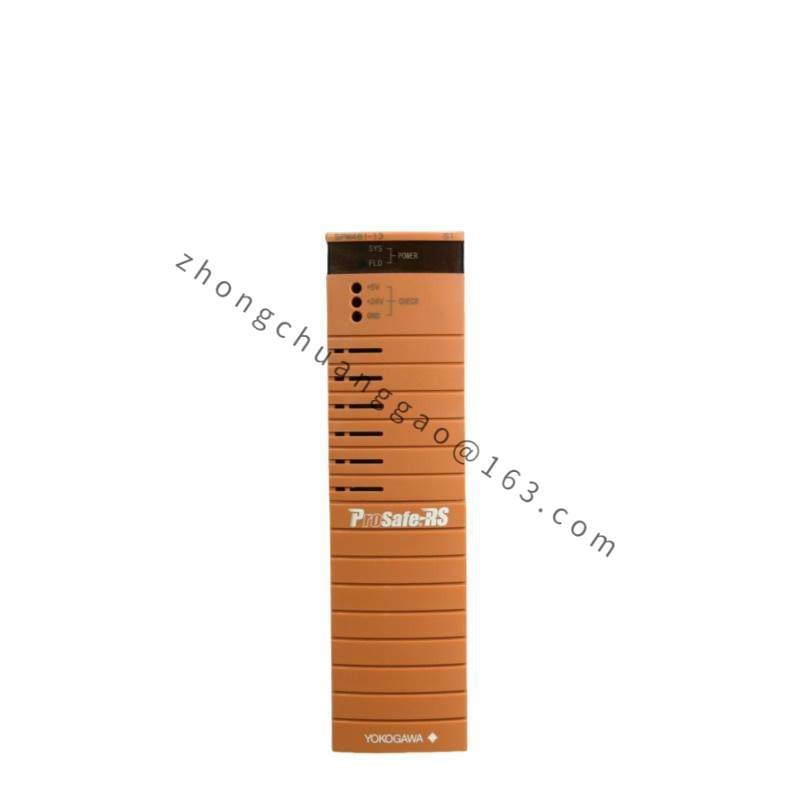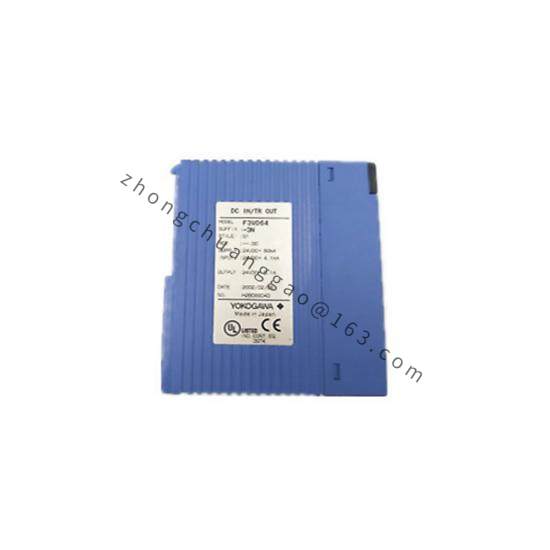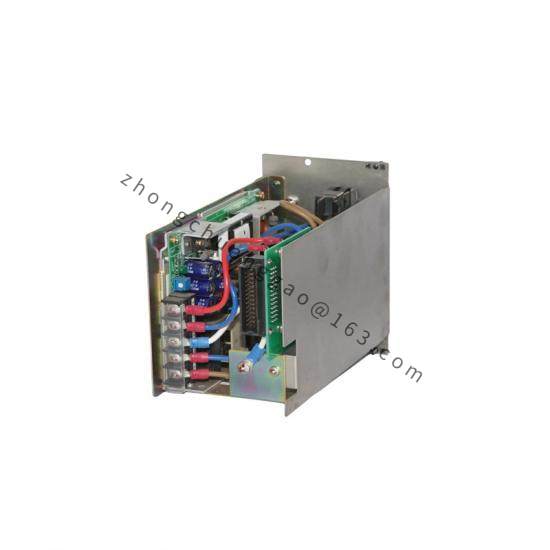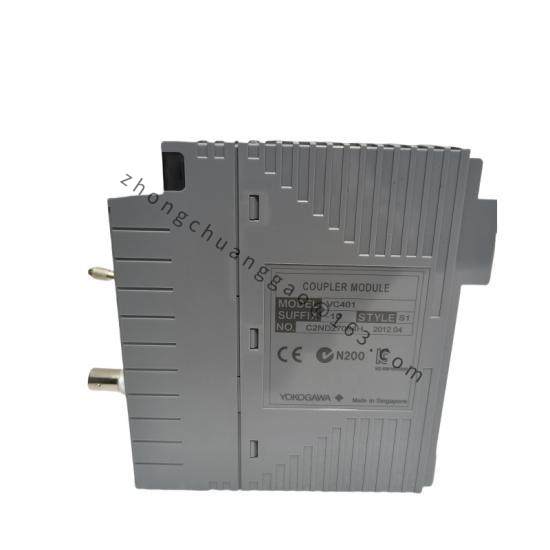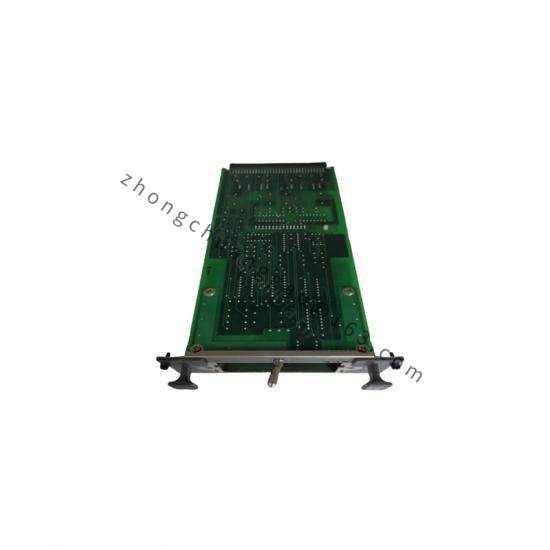

Working Principle: The PH450G uses a glass electrode (for pH) or metal electrode (for ORP) combined with a reference electrode. The potential difference between the measuring electrode and reference electrode is proportional to the hydrogen ion activity (pH) or oxidation-reduction potential (ORP). The internal high-impedance amplifier converts the millivolt signal into a 4–20 mA DC output proportional to the measured value. Automatic Temperature Compensation (ATC) is performed using a built-in or external temperature sensor (Pt1000).
Model Breakdown:
| Code | Meaning |
|---|---|
| PH450G | 2-Wire pH/ORP Transmitter Series |
| A | Output: 4–20 mA DC (2-wire) |
| A | Configuration Code A (Standard configuration) |
| /UM | Sensor Connector: UM Type (Universal Module Connector — BNC-style with integrated temperature sensor) |
Technical Specifications:
| Parameter | Specification |
|---|---|
| Measurement Type | pH and/or ORP (Redox) |
| pH Range | -2.00 to +16.00 pH |
| ORP Range | -1500 to +1500 mV |
| pH Accuracy | ±0.05 pH (at 25°C) |
| ORP Accuracy | ±2 mV |
| Resolution | pH: 0.01 pH; ORP: 1 mV |
| Output Signal | 4–20 mA DC (2-wire, HART 5/7 compliant) |
| Temperature Compensation | Automatic (ATC) via Pt1000, Range: -5°C to +105°C |
| Operating Temperature | -5°C to +60°C (23°F to +140°F) |
| Process Temperature | 0°C to +100°C (32°F to +212°F) — standard; up to +130°C with high-temp electrode |
| Process Pressure | Maximum 0.3 MPa (43 psi) — standard; up to 0.6 MPa with high-pressure variant |
| Power Supply | 12–36 V DC (2-wire loop powered) |
| Loop Load Resistance | Maximum 600 Ω (at 24 V DC supply) |
| Protection Rating | IP67 / NEMA 4X |
| Explosion Proof | Ex d IIC T6 / Ex ia IIC T6 (available on request) |
| Communication | HART 5 / HART 7 Protocol |
| Response Time (pH) | ≤ 30 seconds (95% of step change) |
| Response Time (ORP) | ≤ 15 seconds (95% of step change) |
| Electrode Impedance | ≤ 400 MΩ (measuring electrode); ≤ 15 kΩ (reference electrode) |
| Calibration | 2-point or 3-point automatic calibration (pH 4.01/7.00/10.01 buffers) |
| Dimensions (Transmitter) | Approximately 159 × 98 × 134 mm (6.3 × 3.9 × 5.3 inches) |
| Weight (Transmitter) | Approximately 1.1 kg (2.4 lbs) |
| Certification | CE, ATEX, IECEx, FM, CSA, EAC |
Material Composition:
Structural Features:
Applicable Industries:
Advantages & Highlights:
Installation Requirements:
Usage Precautions: