Yokogawa PH402G-E-1-E/Q/PM/U
Technical Specifications:
- Measurement Range: pH: -2 to 15pH; ORP: -1500mV to +1500mV; temperature: -10℃ to 130℃.
- Measurement Accuracy: pH: ±0.01pH; ORP: ±1mV; temperature: ±0.3℃.
- Automatic Temperature Compensation: Supported, the compensation range is -10℃ to 130℃, using Pt1000 or NTC30k temperature sensors.
- Output Signal: 4-20mA DC isolated current output (load up to 600Ω), 0-1V DC isolated voltage output (minimum load 1000Ω).
- Relay Output: 4 relay contacts, which can be used for alarm, control, cleaning, and fault indication.
- Power Supply: 176-264V AC, 50/60Hz, power consumption is 15VA.
- Protection Rating: IP65, dustproof and waterproof, suitable for outdoor installation.
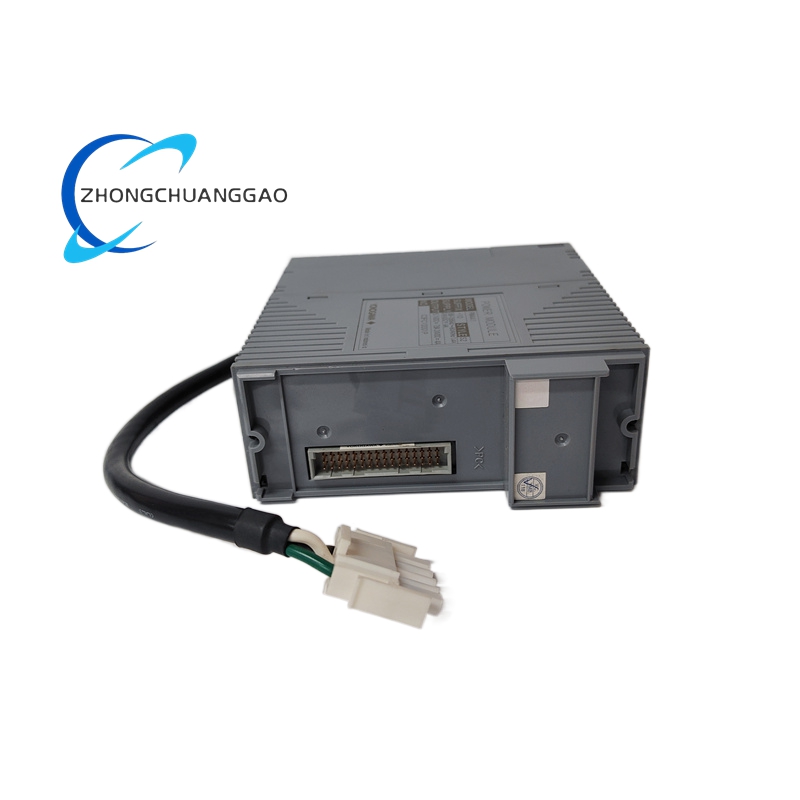
Detailed content
- Functional Characteristics:
- It has an automatic sensor error detection function, which can detect sensor faults such as electrode aging and pollution during the measurement and calibration process, and send an alarm signal in time.
- The automatic calibration function can complete the zero – point and slope calibration of the electrode without manual intervention, ensuring the long – term accuracy of the measurement.
- It supports the automatic cleaning function of the electrode, which can set the cleaning cycle and cleaning time according to the on – site situation, reducing the frequency of manual maintenance.
- The large – screen LCD display with backlight can clearly display the measured value, set value, temperature, and other information, and the operation is simple and convenient.
- It has a data logging function, which can record the measurement data and fault information, and the recorded data can be exported for further analysis.
- Application Scenarios: It is mainly used in the pH value monitoring of chemical reaction kettles and neutralization tanks in the chemical industry; the pH and ORP control of the water treatment process in the environmental protection industry; the quality control of the fermentation process in the pharmaceutical industry; the pH monitoring of the pickling and electroplating processes in the metallurgical industry; and the water quality monitoring in the food and beverage industry.