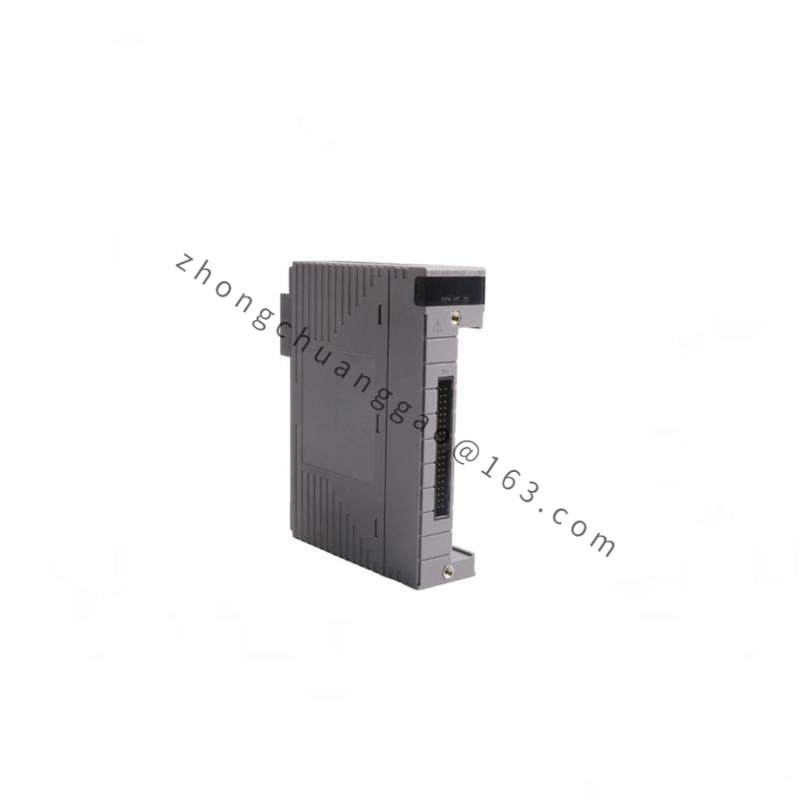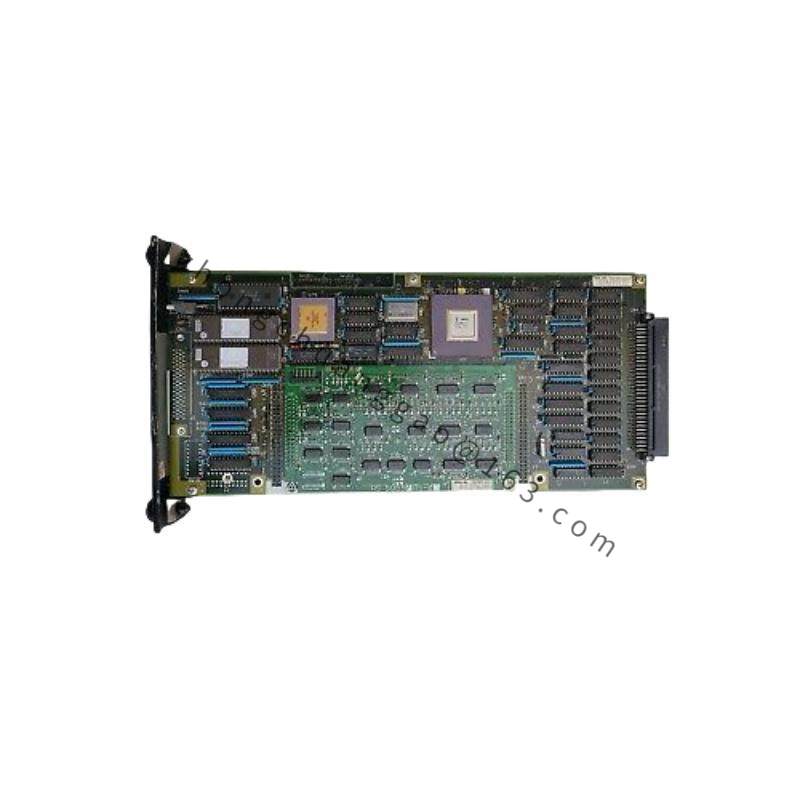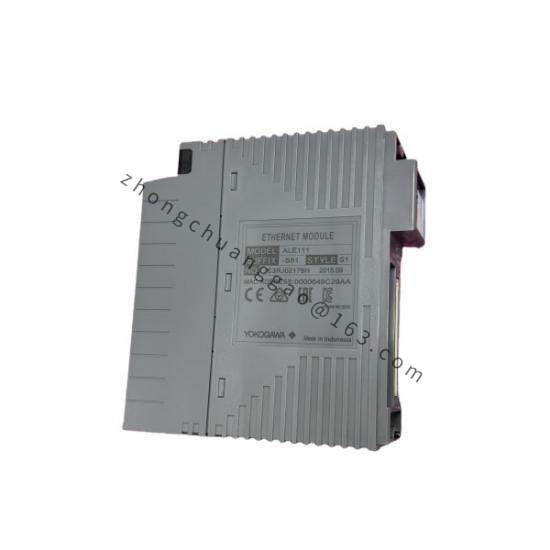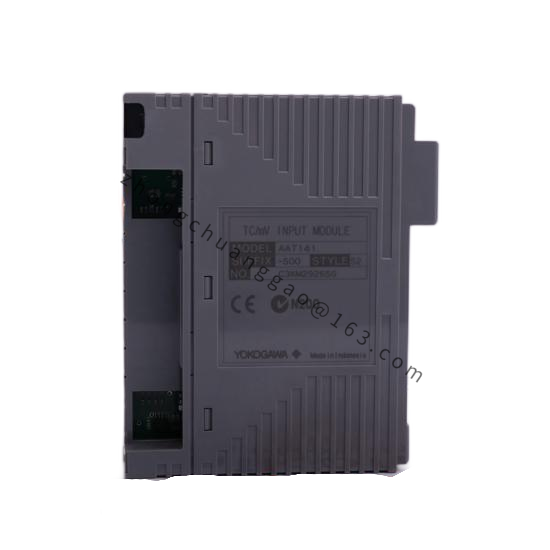

YOKOGAWA PH202G-U
Description:
The PH202G-U is a smart pH/ORP (Oxidation-Reduction Potential) transmitter from the PH202G series. The “U” indicates the universal configuration — compatible with both pH and ORP measurements with automatic sensor type detection. It provides a 4–20 mA DC output with HART 7 communication in a robust, weatherproof enclosure suitable for harsh process environments.
Detailed content
Technical Specifications:
- Measurement Parameters: pH and ORP (Redox)
- pH Range: 0 to 14.00 pH
- pH Accuracy: ±0.02 pH (at 25°C)
- ORP Range: -1500 mV to +1500 mV
- ORP Accuracy: ±1 mV (at 25°C)
- Output Signal: 4–20 mA DC (2-wire) + HART 7 protocol
- Input Impedance: ≥ 10¹² Ω (high impedance for glass electrode)
- Temperature Compensation: Automatic (0°C to 100°C) via built-in Pt1000 RTD
- Power Supply: 12 V DC to 42 V DC (2-wire loop powered, typical 24 V DC)
- Load Resistance: Maximum 600 Ω (at 24 V DC)
- Operating Temperature: -10°C to +50°C (+14°F to +122°F)
- Protection Rating: IP67 / NEMA 4X (immersion-capable housing)
- Hazardous Area Approvals: ATEX Zone 1/2, Division 1/2, Class I, II, III
- SIL Rating: SIL 2 (IEC 61508)
- Approvals: FM, CSA, CE, EAC
- Dimensions (W × H × D): Approximately 100 mm (Ø) × 210 mm (L)
- Weight: Approximately 1.0 kg (with cable)
Functional Features:
- Dual-parameter measurement — pH and ORP with automatic sensor type detection
- HART 7 communication for remote configuration, calibration, and diagnostics
- Automatic temperature compensation (ATC) using built-in Pt1000 sensor
- Sensor diagnostic: glass electrode impedance monitoring, reference electrode check
- Calibration: 2-point or 3-point pH calibration via HART communicator
- Slope/offset adjustment for electrode aging compensation
- Hold function — freezes output during maintenance
- Isolation output option available (galvanically isolated 4–20 mA)
Structural Characteristics:
- PVDF (Polyvinylidene Fluoride) or SUS316L housing — chemical resistant
- IP67/NEMA 4X rated — suitable for immersion and washdown
- PG21 cable gland for sensor and power cable entry
- Wall-mount or pipe-mount installation (bracket included)
- Large LCD display with push-button navigation
Working Principle:
The pH electrode generates a millivolt potential proportional to the hydrogen ion concentration in the solution (Nernst equation: approximately -59.16 mV per pH unit at 25°C). The ORP electrode measures the redox potential relative to a reference electrode. The transmitter amplifies the high-impedance signal (≥ 10¹² Ω input impedance) using a high-input-impedance amplifier, applies temperature compensation using the Pt1000 sensor, linearizes the pH response, and outputs a 4–20 mA DC signal (e.g., 4 mA = 0 pH, 20 mA = 14 pH). HART communication uses FSK modulation (1200/2200 Hz) for remote diagnostics.
Advantages:
- ±0.02 pH accuracy — highest precision in the class
- Dual pH/ORP measurement — one transmitter for two parameters
- Automatic temperature compensation — eliminates need for separate temperature transmitter
- Sensor diagnostics — predicts electrode failure before process impact
- IP67/NEMA 4X — fully immersion capable
Applicable Industries:
- Water and Wastewater Treatment (pH control, disinfection monitoring)
- Chemical Processing (acid/base neutralization)
- Food and Beverage (fermentation, cleaning-in-place)
- Pharmaceutical (buffer preparation)
- Power Generation (boiler water, cooling tower)
- Mining (leaching, tailings management)
Installation Requirements:
- Mount using the pipe-mount bracket or wall-mount bracket at a convenient height
- Connect the pH/ORP sensor cable (BNC or S7 connector) to the transmitter
- Use shielded cable for the sensor connection — ground the shield at the transmitter end only
- Connect the 4–20 mA loop wires to the terminal block
- Ensure the reference electrode junction is not blocked (use appropriate electrolyte)
- Provide a clean, dry 24 V DC power supply (12–42 V DC)
Precautions:
- Calibrate the transmitter with at least 2 pH buffer solutions (pH 4.01, pH 7.00, and/or pH 10.01) before first use
- Replace the pH electrode when the slope falls below 85% of the theoretical Nernst slope (59.16 mV/pH at 25°C)
- Do not allow the glass electrode to dry out — store in pH 4 buffer solution when not in use
- Clean the electrode regularly — fouling causes measurement drift
- Ensure the reference electrode fill hole is open — a blocked junction causes slow response and inaccurate readings
- Do not apply voltages exceeding 42 V DC to the transmitter — this will damage the internal amplifier