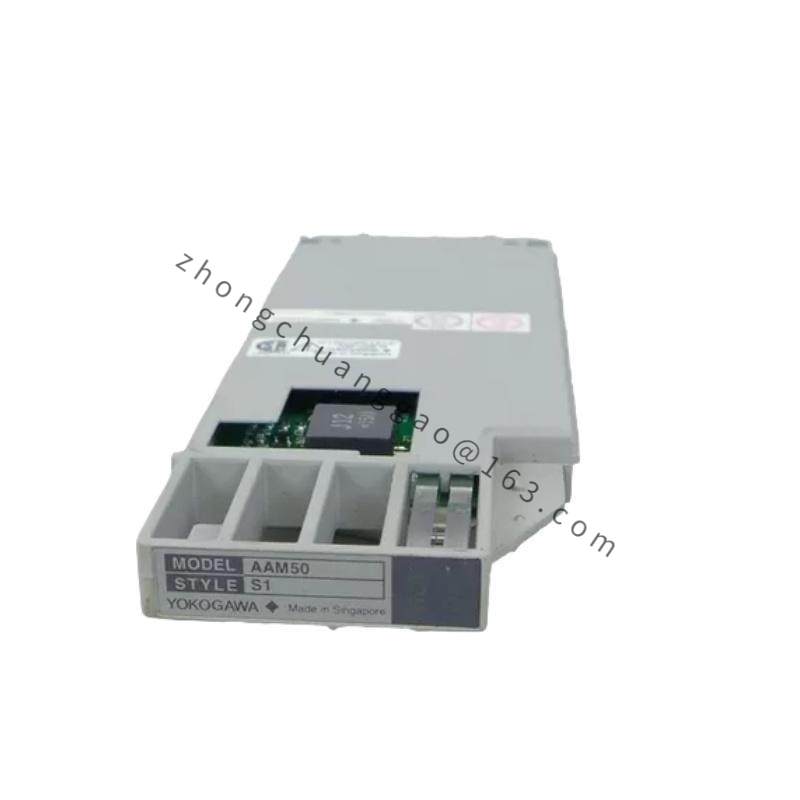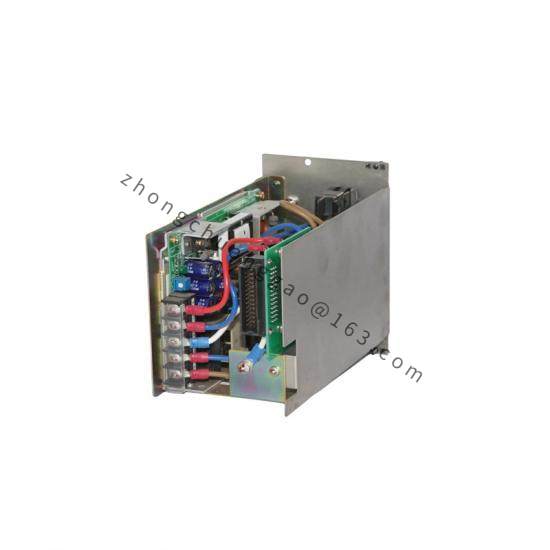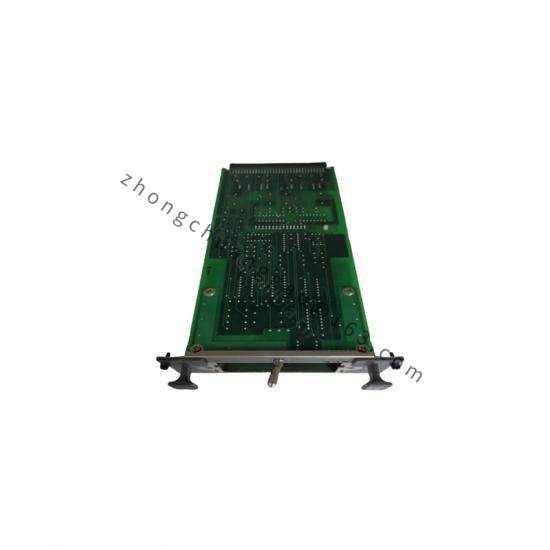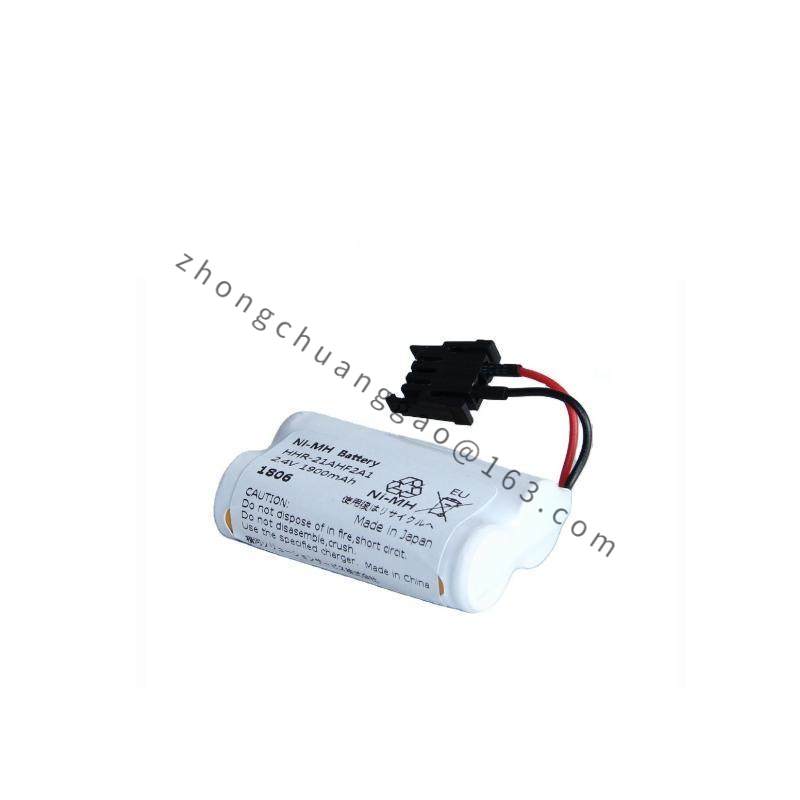

Product Overview:
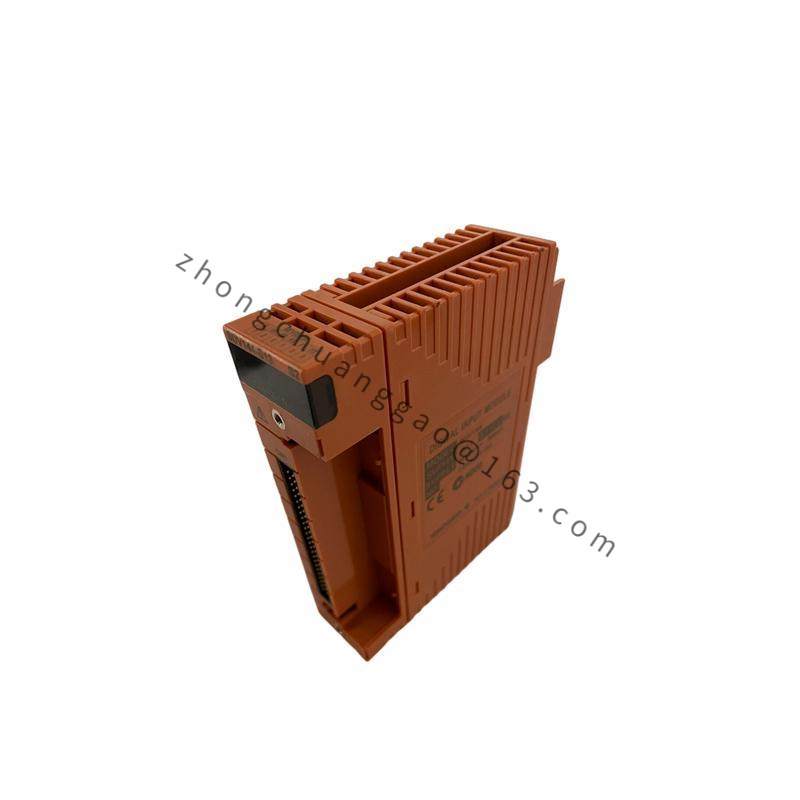
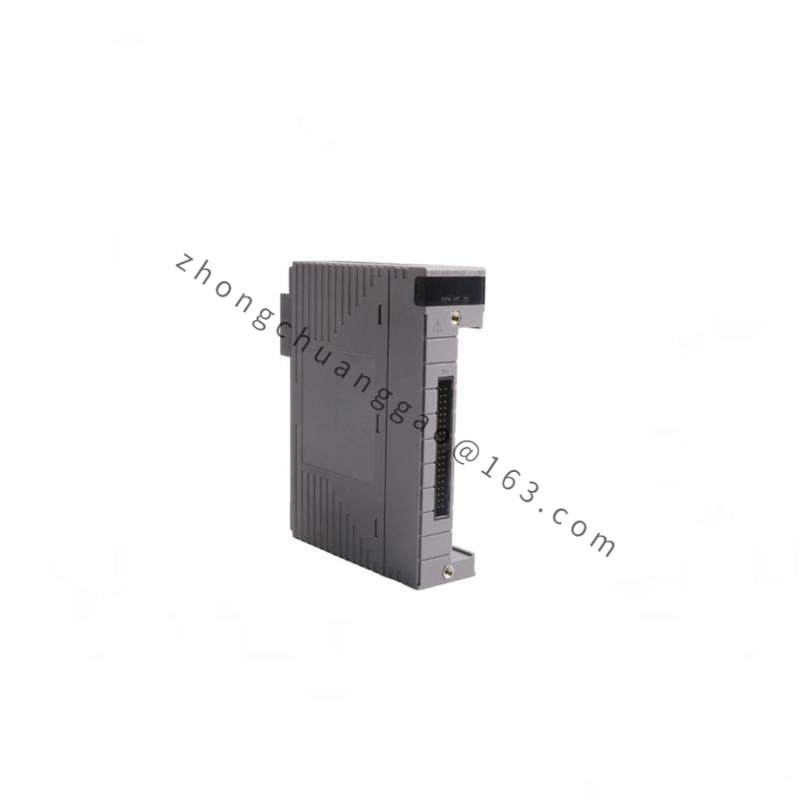
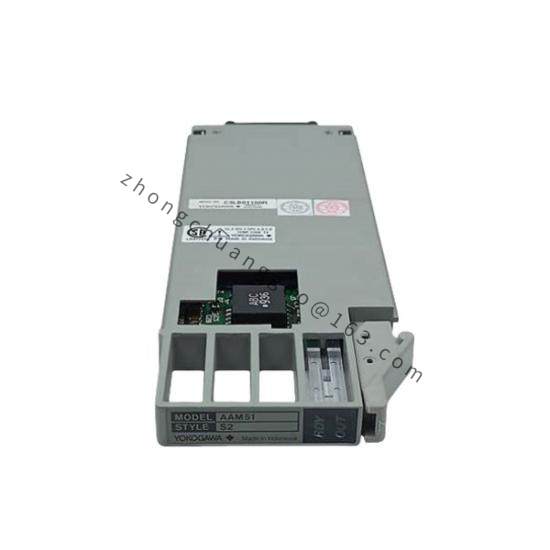
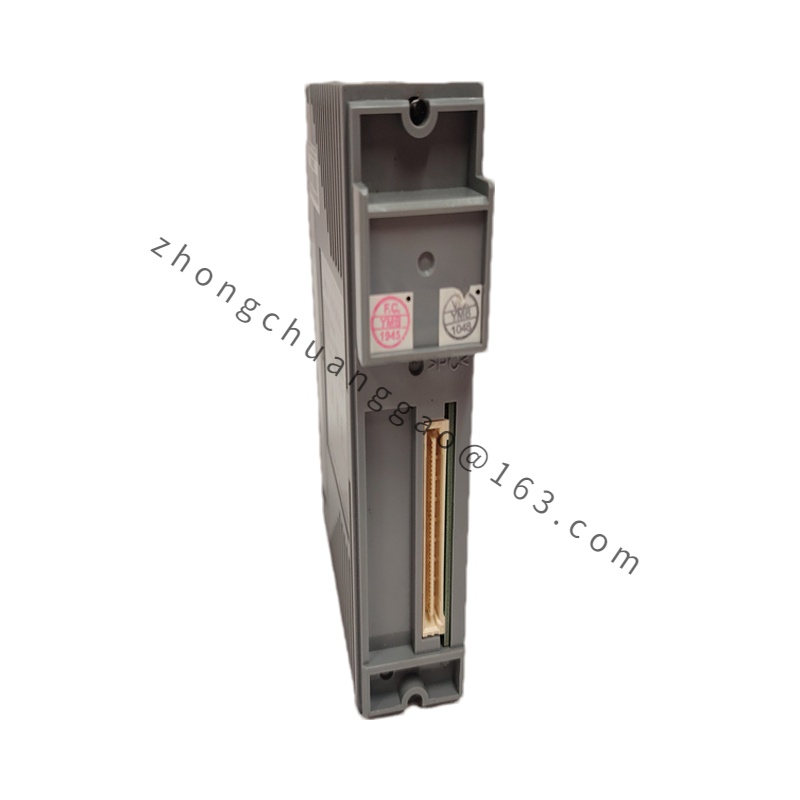
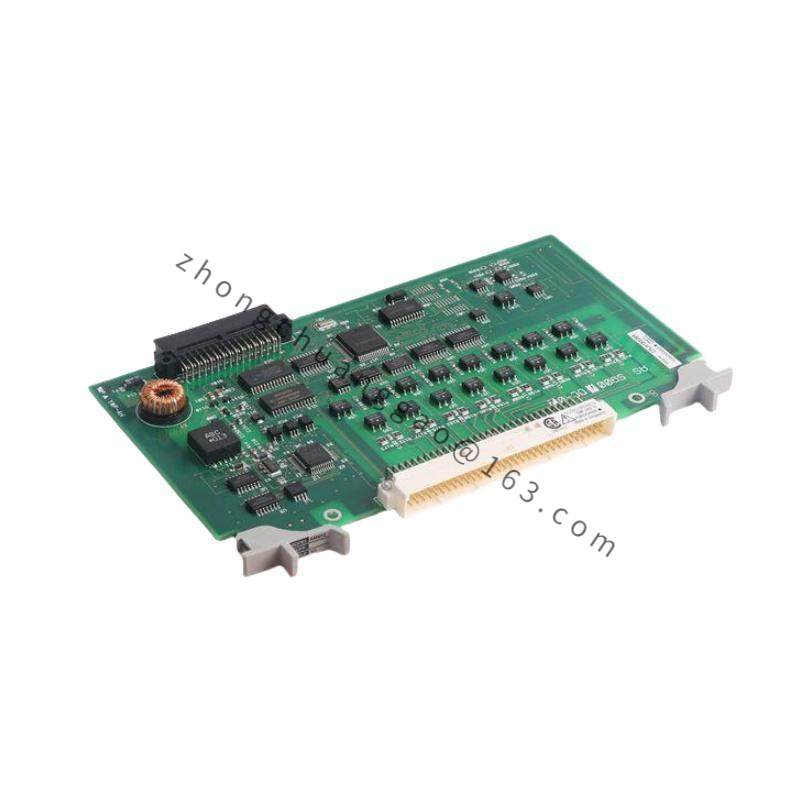
The PFCD-S5520 is a 5.5-inch color TFT paperless recorder and controller from Yokogawa’s PFCD series. It replaces traditional chart recorders by digitally recording, displaying, and controlling process data on an internal memory without paper. The unit supports up to 12 measurement channels with advanced math, alarm, and communication functions.
Technical Specifications:
| Parameter | Value |
|---|---|
| Display | 5.5-inch color TFT LCD (640 × 480 pixels) |
| Number of Input Channels | Up to 12 channels (universal inputs) |
| Input Types | TC (J, K, T, E, R, S, B, N), RTD (Pt100, JPt100, Cu50, Ni100), DC mA (0-10mA, 4-20mA), DC V (0-1V, 1-5V), DC mV (0-100mV) |
| Recording Channels | Up to 12 channels simultaneously |
| Recording Interval | 0.1 second to 60 minutes (adjustable per channel) |
| Memory Capacity | Internal flash memory: approximately 50 MB (records approximately 30 days of 12-channel data at 1-second intervals) |
| Alarm Outputs | 4 alarm outputs (ALM1-ALM4), relay contact outputs (250V AC / 3A) |
| Analog Outputs | 2 channels (4-20 mA DC, isolated) |
| Digital Inputs | 8 points (24V DC, sink/source selectable) |
| Digital Outputs | 4 points (24V DC, 50 mA max) |
| Communication Ports | RS-232C (9-pin D-sub), RS-485 (terminal block), Ethernet (RJ-45, 10/100BASE-T) |
| Communication Protocols | Modbus RTU, Modbus TCP, Yokogawa CENTUM CS protocol (custom) |
| Power Supply | 100-240 V AC, 50/60 Hz (universal input) |
| Power Consumption | Approximately 12 W (typical) |
| Front Panel Protection | NEMA 4 / IP66 (from front) |
| Operating Temperature | 0°C to +50°C |
| Storage Temperature | -20°C to +70°C |
| Dimensions (W × H × D) | 144 mm × 144 mm × 133 mm (cutout: 138 mm × 138 mm) |
| Weight | Approximately 1.5 kg |
| Enclosure Material | ABS plastic front bezel, steel chassis |
Functional Features:
Working Principle:
The PFCD-S5520 uses a 32-bit RISC processor with an ADC (Analog-to-Digital Converter) for each input channel. Process data is sampled, converted to engineering units via stored calibration tables, displayed on the TFT LCD, and written to internal flash memory in cyclic blocks. The recorder operates independently of a host PC, storing data locally. Communication with external systems uses Modbus RTU/TCP over RS-485 or Ethernet.
Advantages and Highlights:
Applicable Industries:
Installation Requirements:
Usage Precautions: