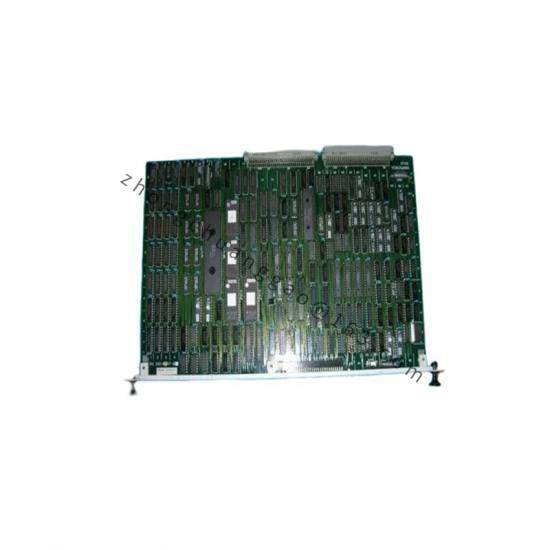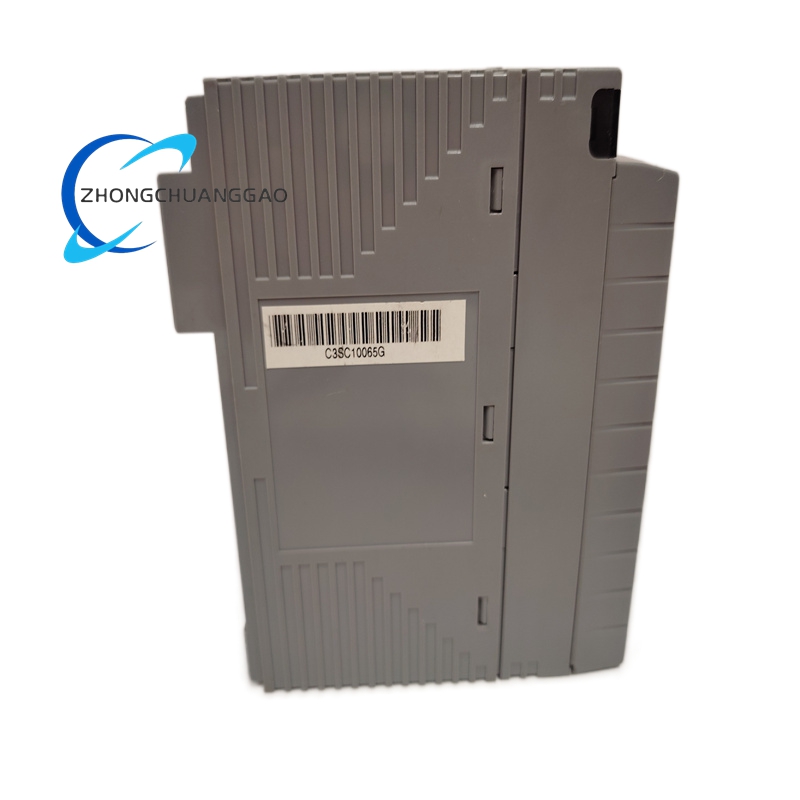
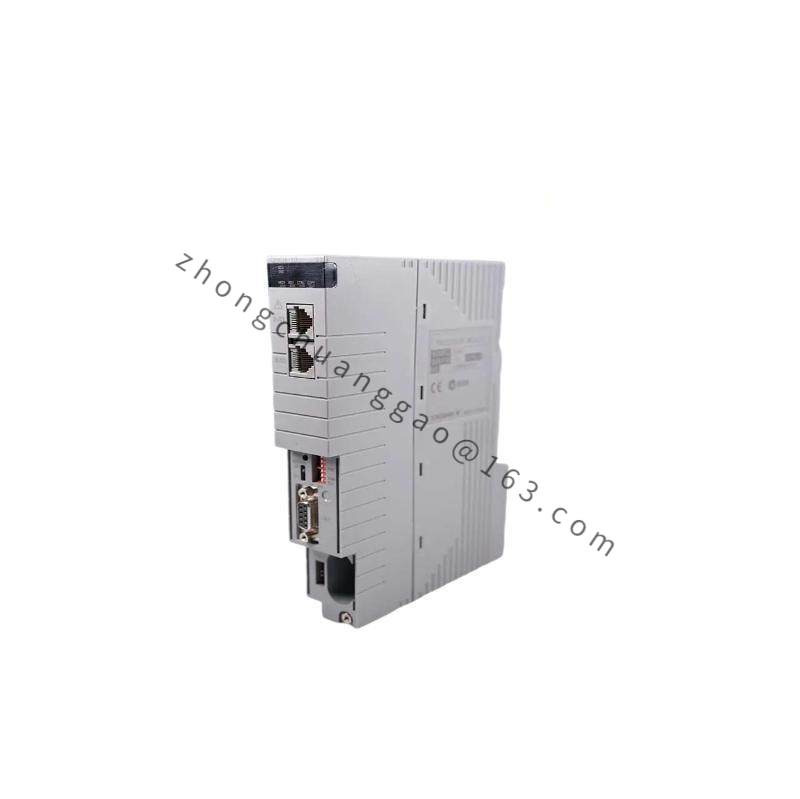

Yokogawa PA1F012
Product Introduction:
The Yokogawa PA1F012 is a high-performance pressure transmitter designed for accurate measurement of gauge pressure, absolute pressure, and differential pressure in industrial processes. The 012 suffix specifies the particular range and output configuration for this model variant. This transmitter features a silicon resonant sensor with digital communication capability and is suitable for a wide range of process fluids including gases, liquids, and steam.
Detailed content
Technical Specifications:
- Measurement Type: Gauge pressure, absolute pressure, or differential pressure (per configuration)
- Sensor Type: Silicon resonant sensor
- Range: 0 to 100 kPa (0 to 14.5 psi) — indicated by “012” configuration
- Accuracy: ±0.04% of URL (Upper Range Limit)
- Turndown Ratio: 100:1
- Output Signal: 4–20 mA DC (2-wire, HART 7 compatible)
- Digital Communication: HART 7 protocol, Foundation Fieldbus (option)
- Power Supply: 12 to 42 V DC (2-wire loop-powered)
- Response Time: 10 ms (typ., 90% of step change)
- Operating Temperature: -40 to 120 °C (-40 to 248 °F)
- Ambient Temperature: -40 to 85 °C (-40 to 185 °F)
- Process Temperature: -40 to 120 °C (-40 to 248 °F)
- Overpressure Rating: 2× URL (without damage)
- Static Pressure: Up to 40 MPa (5800 psi) depending on model
- Protection Rating: IP67 (with cable gland)
- Housing Material: 316L stainless steel (standard), Hastelloy C-276, Monel (options)
- Wetted Materials: 316L SS, Hastelloy C-276, Tantalum, Gold-plated (options)
- Process Connection: 1/2″ NPT (standard), 1/4″ NPT, G 1/2, G 1/4 (options)
- Display: Optional local LCD display (HART communicator or integrated)
- Weight: Approximately 1.8 kg (4.0 lb)
Functional Features:
- Silicon Resonant Sensor: Provides exceptional long-term stability and high accuracy
- HART 7 Communication: Enables remote configuration, diagnostics, and ranging via HART communicator
- Damping: 0.1 to 32 seconds adjustable
- Zero and Span Trim: Digital trim via HART communicator (no potentiometers)
- Diagnostics: Self-diagnostic alerts for sensor faults, overpressure, and electronics failures
- Totalizer Option: Flow totalization when used with flow computers (via Foundation Fieldbus)
- Low Flow Cutoff: Configurable alarm for flow below minimum threshold
Performance Parameters:
- Long-Term Stability: ±0.04% of URL per year (typical)
- Temperature Effect: ±0.02% of URL per 10 °C (compensated)
- Static Pressure Effect: ±0.02% of URL per 10 MPa
- Vibration Effect: ±0.02% of URL (10–55 Hz, 0.5 mm amplitude)
- Insulation Resistance: 100 MΩ minimum at 500 V DC
- Dielectric Strength: 1500 V AC for 1 minute
- EMC Compliance: EN 61326-1, EN 61000-6-2, EN 61000-6-4
- SIL Rating: SIL 2 capable (per IEC 61508)
Structural Features:
- Compact cylindrical housing (approx. 72 mm diameter × 160 mm length)
- 1/2″ NPT process connection (standard)
- IP67 cable gland entry (M20 × 1.5)
- 316L stainless steel wetted parts
- Optional remote seal for high-temperature or corrosive applications
- DIN rail mounting bracket available as accessory
Working Principle:
The PA1F uses a silicon resonant sensor element. Process pressure acts on a silicon diaphragm, causing mechanical stress that changes the natural resonant frequency of the silicon element. This frequency shift is detected by an electronic oscillator circuit and converted into a digital pressure value. The microprocessor linearizes the signal, applies temperature compensation, and outputs a 4–20 mA signal proportional to the measured pressure. HART communication is superimposed on the 4–20 mA signal using frequency-shift keying (FSK).
Advantage Highlights:
- Silicon Resonant Technology: Superior long-term stability (±0.04% URL/year) versus capacitive sensors
- HART 7 Compatibility: Full remote configuration without opening the transmitter housing
- 2-Wire Operation: Loop-powered design eliminates separate power supply wiring
- High Turndown (100:1): Single transmitter covers wide flow ranges
- SIL 2 Certified: Suitable for safety-instrumented functions
- No Mechanical Trim: All calibration performed digitally via HART
Applicable Industries:
- Oil and gas (wellhead, pipeline, refinery)
- Chemical processing
- Power generation (boiler, turbine, condenser)
- Pharmaceutical manufacturing
- Water and wastewater treatment
- Pulp and paper
- Food and beverage
- HVAC and building management
Installation Requirements:
- Install pressure tap perpendicular to pipe wall (avoid top or bottom of horizontal pipe for liquid service)
- Use impulse tubing of appropriate length and material for the process fluid
- Install manifold with equalizing valve for maintenance isolation
- Ensure process connection is leak-tight (use appropriate sealant/gasket)
- Route signal cable away from high-power cables (minimum 300 mm separation)
- Ground the transmitter housing to plant earth
- For differential pressure: install both impulse lines at the same elevation
Usage Precautions:
- Do not exceed 2× URL overpressure or permanent sensor damage will occur
- Verify process connection rating matches maximum process pressure and temperature
- Use HART communicator (e.g., Yokogawa HT200) for all configuration changes
- Perform zero trim with process valve closed and equalizing valve open
- Do not apply pressure to the sensor before completing electrical connections
- Replace remote seals if diaphragm shows signs of corrosion or deformation