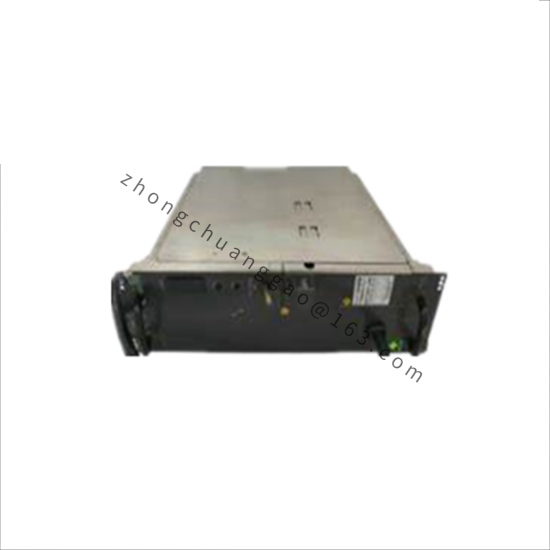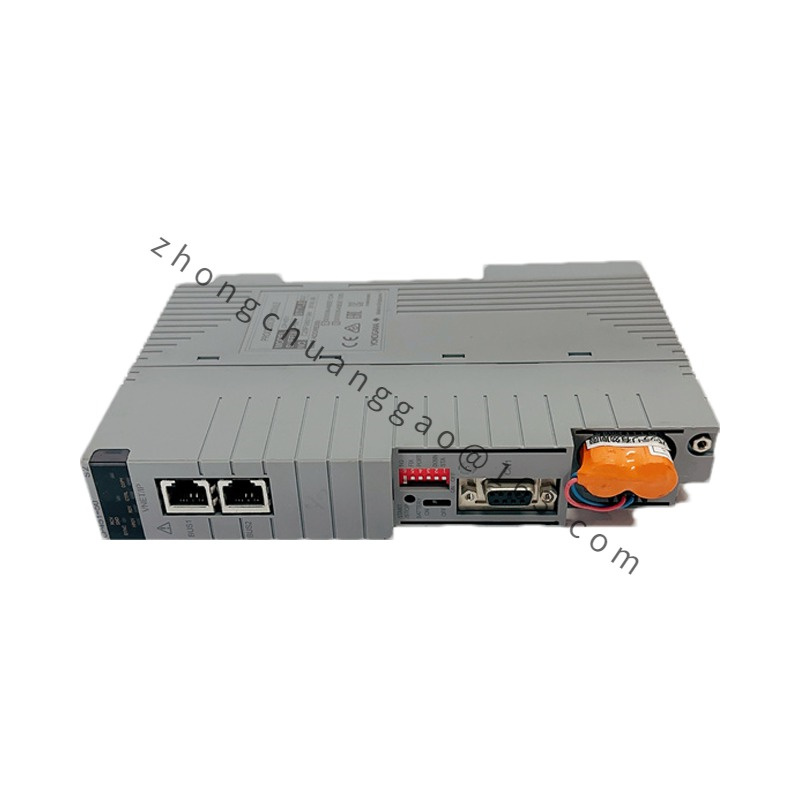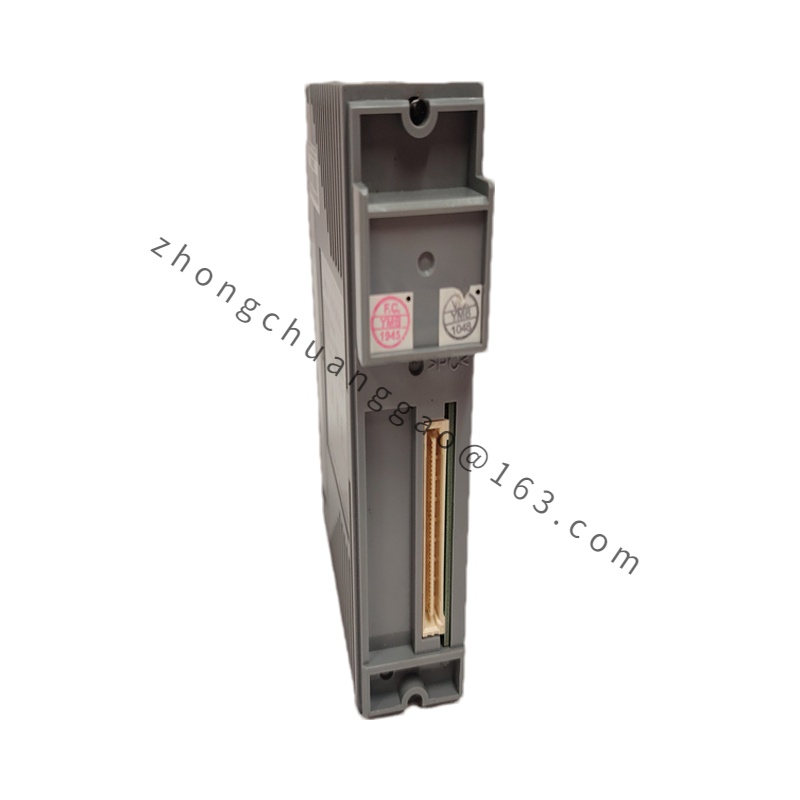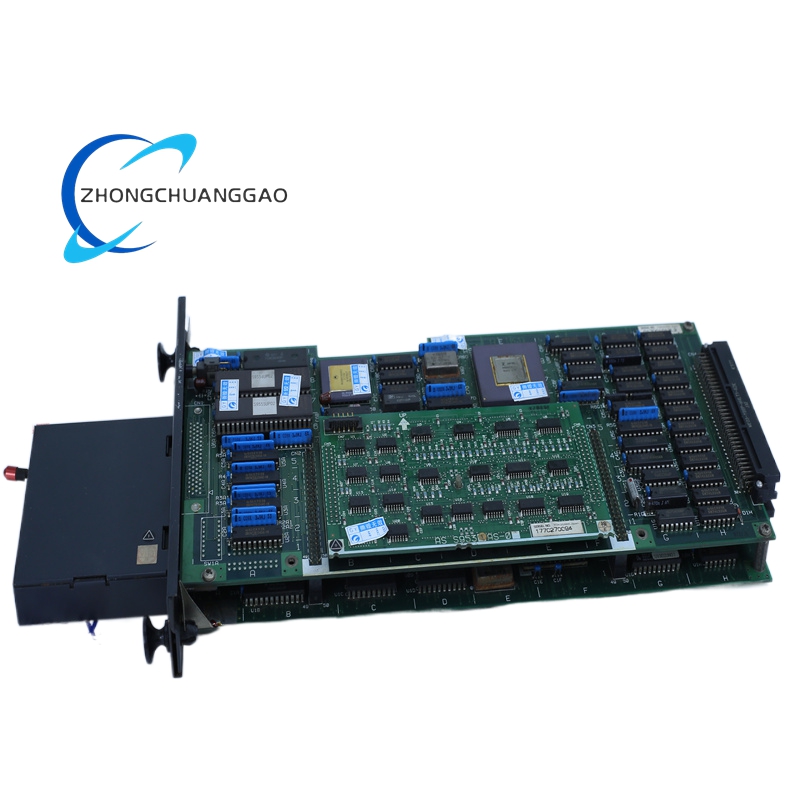
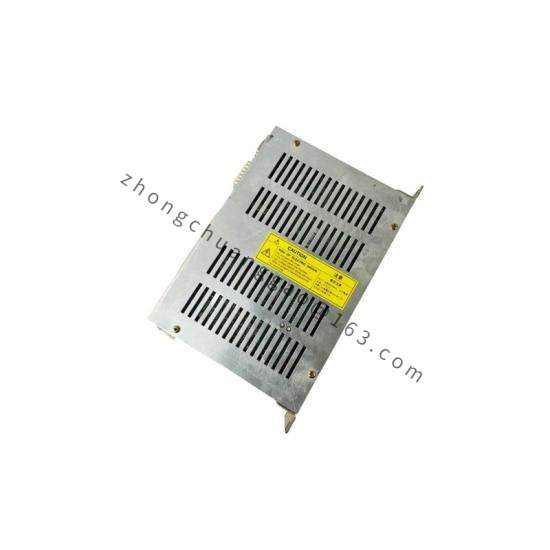

Yokogawa NFDV151-P11
Product Introduction:
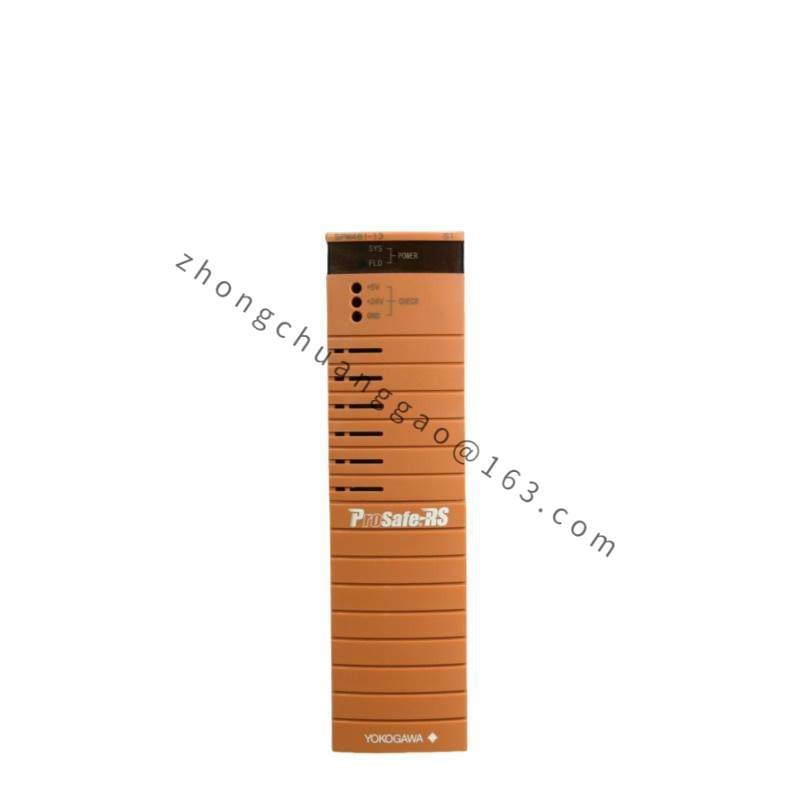
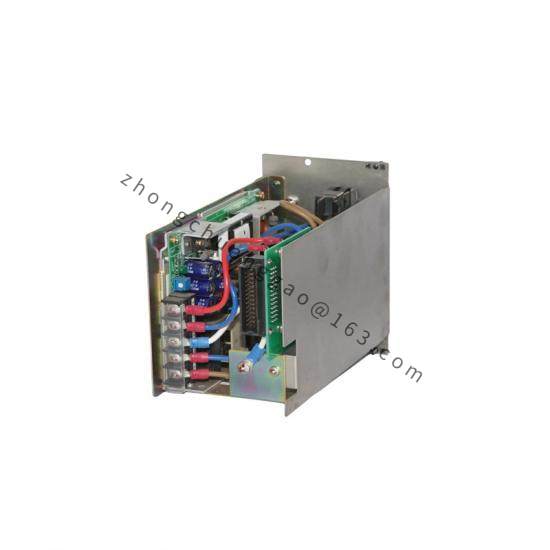
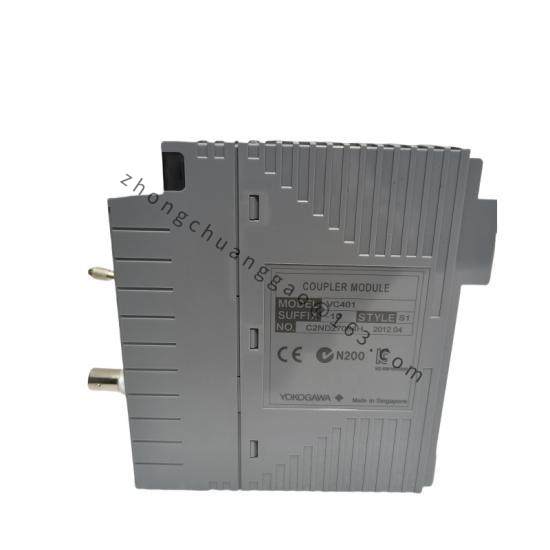
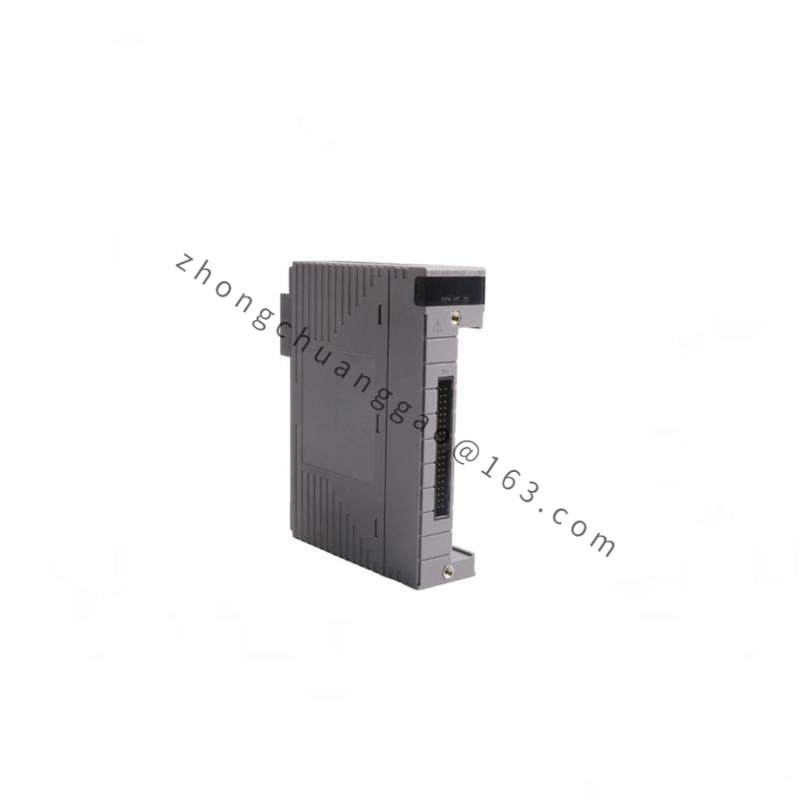
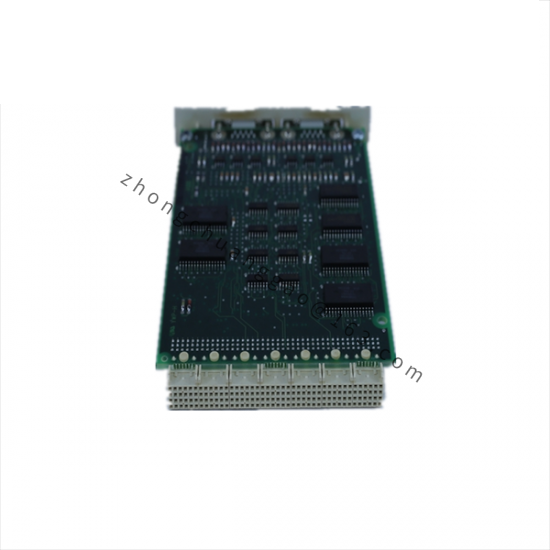
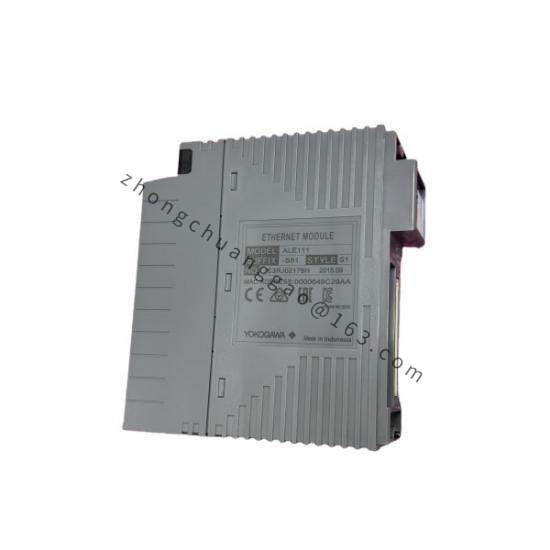
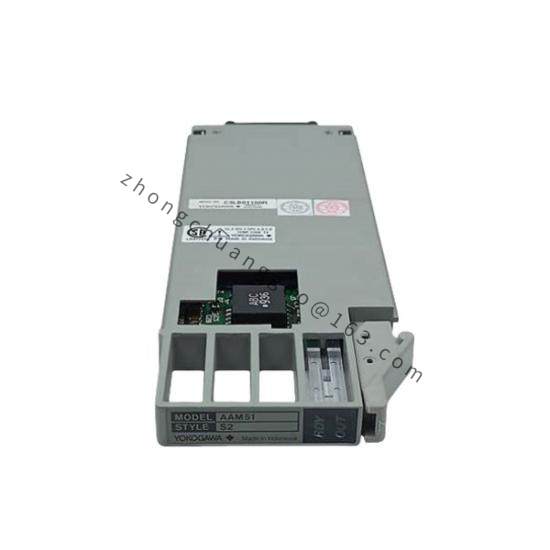
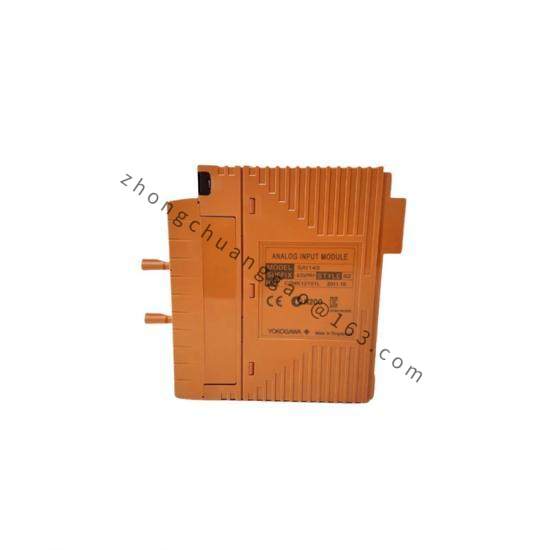
The NFDV151-P11 is a 2-channel universal analog input/output module for the FAST/TOOLS DCS platform by Yokogawa. Each channel can be independently configured as either input or output. The suffix “-P11” denotes: P = HART communication enabled, 11 = specific configuration variant (output-biased or specific firmware).
Detailed content
Technical Specifications:
- Number of Channels: 2 channels (independently configurable as input or output)
- Input Types (when configured as input):
- DC Voltage: 0–5V, 1–5V, 0–10V
- DC Current: 0–20mA, 4–20mA
- Thermocouple: K, J, T, E, R, S, B, N, L, U, W
- RTD: Pt100 (JIS/IEC), JPt100, Cu50, Ni120, JPt1000
- Output Types (when configured as output):
- DC Voltage: 0–10V, 1–5V
- DC Current: 4–20mA, 0–20mA
- A/D Resolution (input): 16-bit
- D/A Resolution (output): 16-bit
- Scan Rate: 250 ms per 2 channels
- Isolation: 500V AC between channels and backplane
- HART Communication: HART 7 protocol, 1200 bps
- Accuracy (input):
- DC mA/V: ±0.1% of span
- TC: ±0.1% of span or ±1°C
- RTD: ±0.1% of span or ±0.3°C
- Accuracy (output): ±0.1% of span
- Power Consumption: ≤ 2.5W
- Operating Temperature: -10°C to +60°C
- Dimensions: Eurocard format, 160 mm × 233 mm × 20 mm
Functional Features:
- Independent I/O configuration: Channel 1 = input, Channel 2 = output (or both input, or both output)
- HART 7 communication on both channels for smart transmitter integration
- Per-channel burnout detection (input) and output failure detection
- Programmable filter time constant (0.1–10 seconds) per channel
- Linearization for TC and RTD inputs
- LED status per channel (green/yellow/red)
- Compatible with FAST/TOOLS R3.09 and later
Structural Characteristics:
- Form factor: Eurocard (IEEE 299), single-width
- Connector: Removable spring-clip terminal block (20 terminals)
- Weight: approximately 0.25 kg
- Status LEDs: 2 channel indicators + power + HART communication
Working Principle:
Each channel has a dedicated multiplexer, A/D converter (input), or D/A converter (output). The on-board microcontroller configures the channel direction at initialization. For input mode, the signal is digitized, linearized, and sent to the FAST/TOOLS controller via Vnet/IP. For output mode, the controller sends a setpoint value which is converted to an analog signal by the 16-bit D/A converter and conditioned to 4–20mA or 0–10V. HART communication uses FSK at 1200 bps over the same wiring.
Advantages & Highlights:
- Flexible I/O configuration reduces spare parts inventory (one module type covers all needs)
- HART on both channels enables smart device management for input and output simultaneously
- 500V AC isolation ensures signal integrity
- Compact single-width Eurocard saves space in I/O station
- Per-channel diagnostics for both input and output modes
Applicable Industries:
Oil & Gas, Chemical, Petrochemical, Power, Water & Wastewater, Pharmaceutical, HVAC, Manufacturing
Installation Requirements:
- Install in FAST/TOOLS I/O station
- For TC input: use extension-grade thermocouple wire
- For RTD input: use 3-wire or 4-wire configuration
- For mA output: ensure load resistance is within compliance range (typically 250–600 Ω for 4–20mA)
- Ground shields at control room end only
- Verify channel direction (input/output) in FAST/TOOLS Engineering Station (FES)
- Ambient: -10°C to +60°C, humidity: 10–85% RH (no condensation)
Usage Precautions:
- Do not exceed 50V DC on any input terminal
- For mA output, do not exceed 600 Ω load resistance
- For TC input with 3-wire RTD: ensure correct wire assignment; mismatch causes significant measurement error
- HART requires 250 Ω termination resistor in the loop
- Do not hot-swap unless the I/O station supports it
- Calibrate annually using Yokogawa CA150 or CA750 process calibrator
- Verify output direction in FES before energizing the loop to avoid damage to field devices