
Digital guide

You are here:

YOKOGAWA NFAI143-H50

Description:
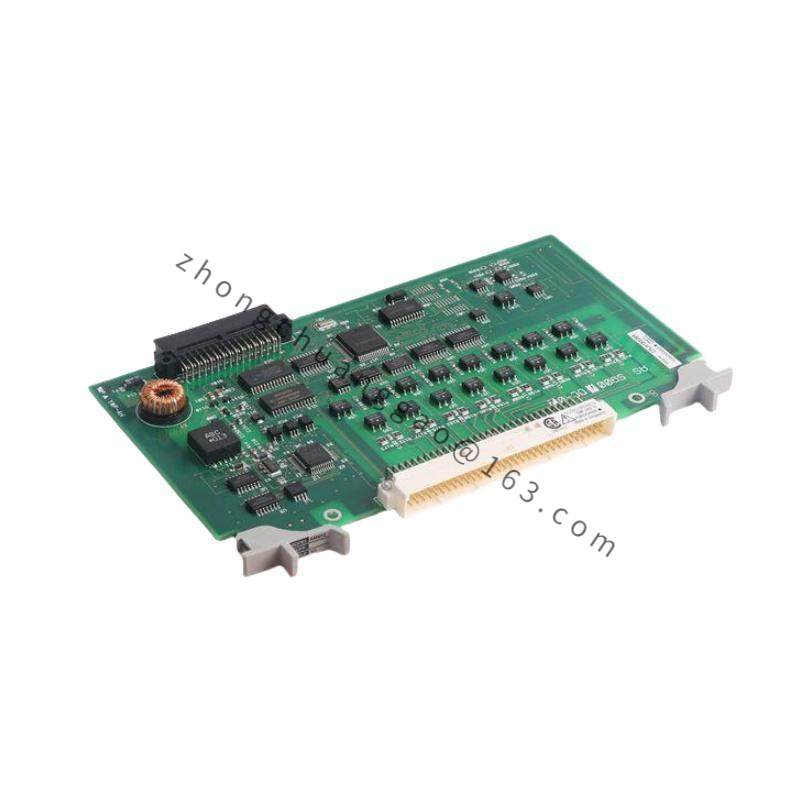
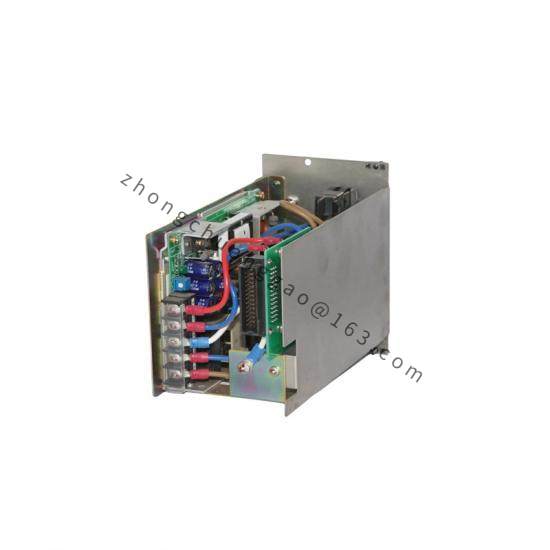
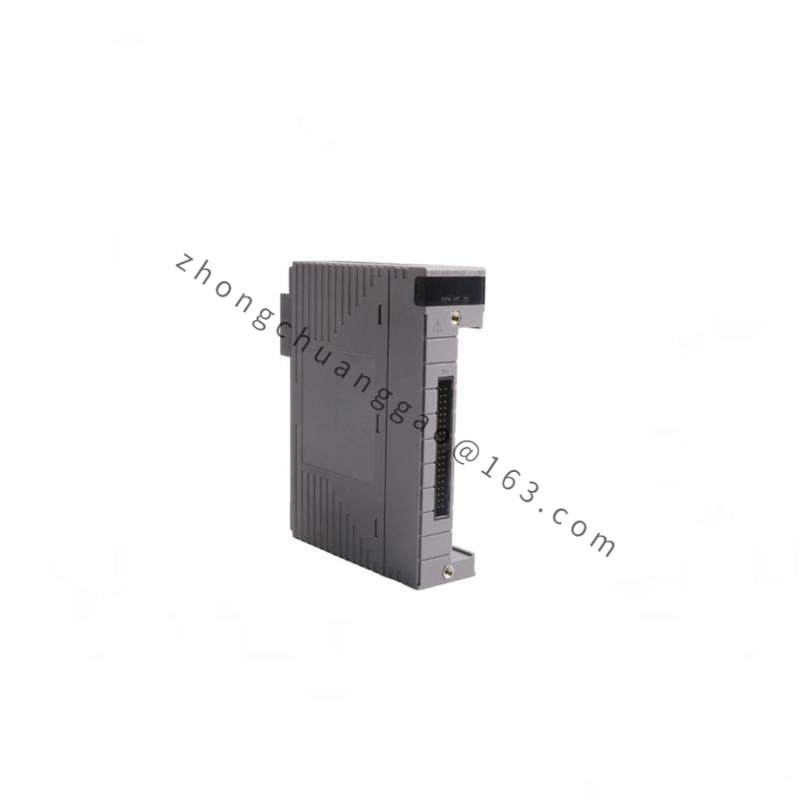
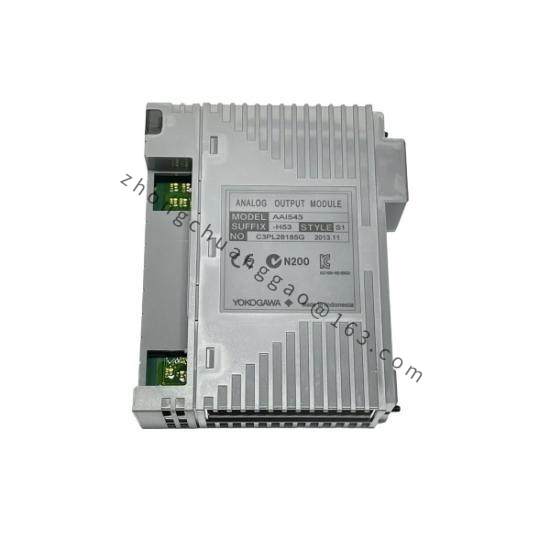
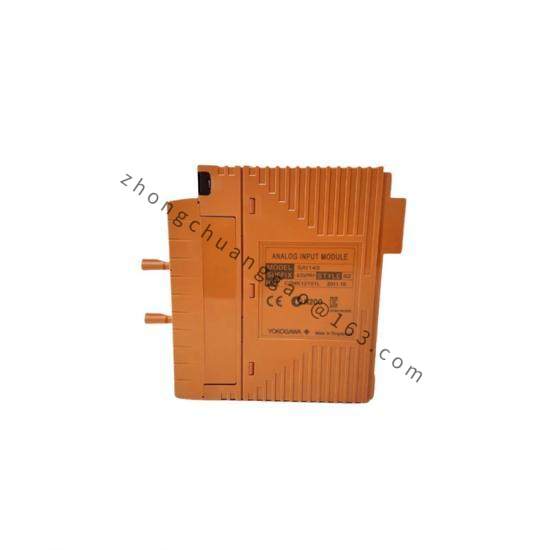
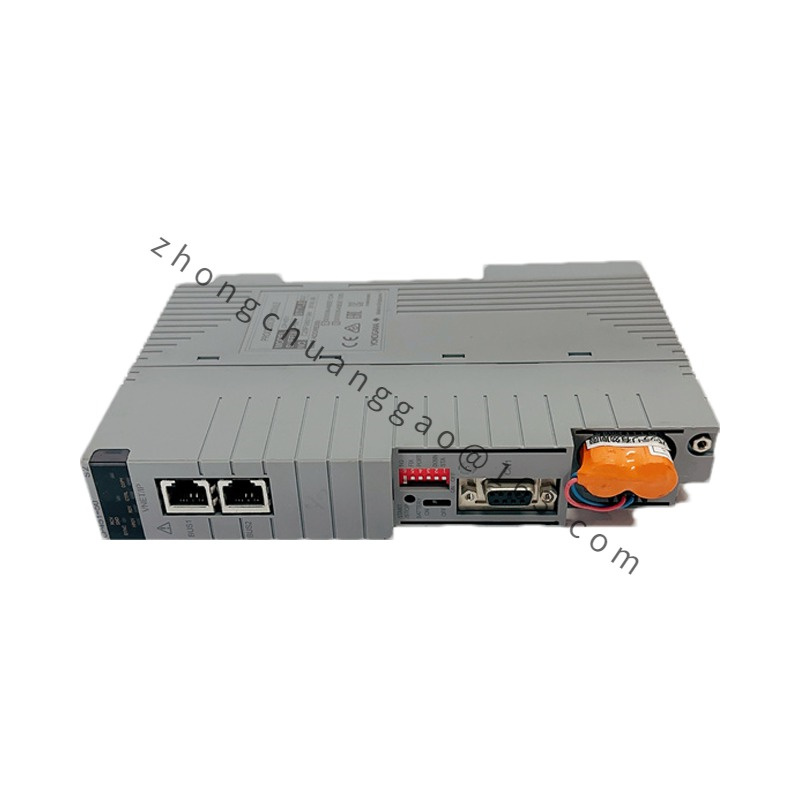
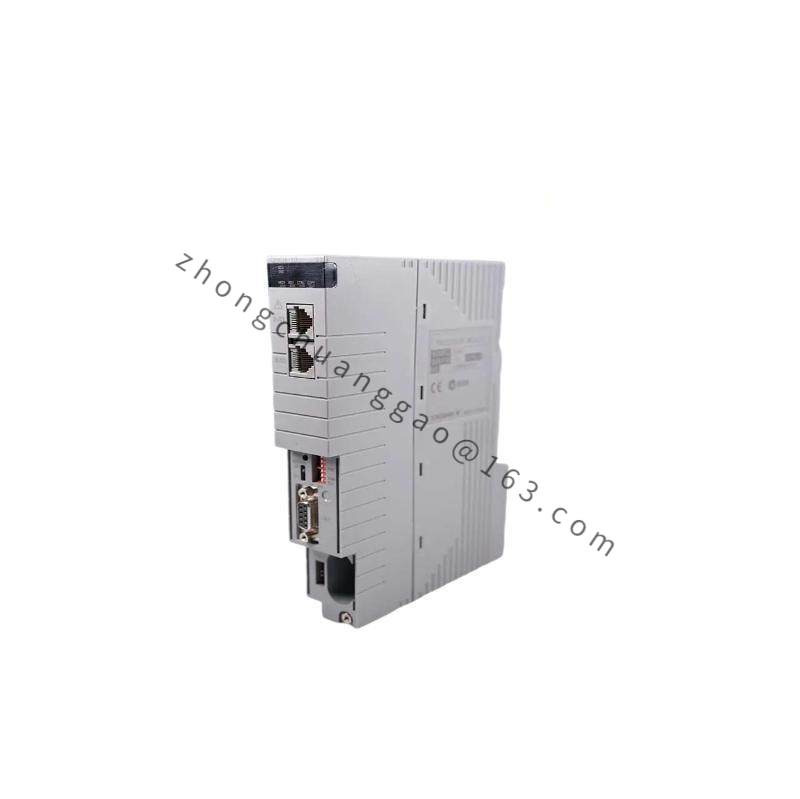
The NFAI143-H50 is an 8-channel analog input module for the CENTUM VP F3 DCS. It accepts 4–20 mA DC signals from field transmitters and converts them to digital data for the F3 fieldbus network. The “H50” designation indicates HART protocol compatibility and a specific configuration for 50-channel system integration (or specific HART communication parameters). It provides high-resolution A/D conversion with built-in diagnostic capabilities.

Detailed content

Technical Specifications:

  • Number of Input Channels8 channels
  • Input Signal Type: 4–20 mA DC (2-wire transmitters)
  • Input Resolution: 16-bit A/D converter (65,536 steps)
  • Input Impedance250 Ω (burden resistor internal)
  • Accuracy: ±0.1% of Full Scale (FS)
  • Sampling Rate100 ms per channel (10 samples/second per channel)
  • Communication ProtocolHART 7 overlaid on 4–20 mA signal
  • Fieldbus Protocol: F3 Fieldbus (FF H1, 31.25 kbps)
  • IsolationChannel-to-channel isolation, channel-to-bus isolation
  • Isolation Voltage500 V DC (channel to channel), 500 V DC (channel to bus)
  • Power Supply24 V DC from F3 bus (bus-powered)
  • Power Consumption: Maximum 2.5 W per module
  • Operating Temperature: 0°C to +55°C (+32°F to +131°F)
  • Protection RatingIP20 (cabinet installation only)
  • Dimensions (W × H × D)25 mm × 160 mm × 115 mm (card format)
  • Weight: Approximately 0.35 kg

Functional Features:

  • 8 independent analog input channels with individual scaling and engineering units
  • HART communication for remote configuration, diagnostics, and device management
  • Channel-to-channel galvanic isolation prevents ground loop interference
  • Built-in diagnostics: sensor wire break detection, over-range/under-range indication
  • Input filtering: user-configurable damping (0.5 to 60 seconds)
  • Hot-swappable — replacement without system shutdown
  • LED indicators per channel for status monitoring

Structural Characteristics:

  • Standard F3 series card-type module
  • DIN rail or chassis mounting (CENTUM VP rack)
  • Front-facing terminal blocks for field wiring
  • LED status indicators on the front panel

Working Principle:
Each of the 8 channels accepts a 4–20 mA DC signal from a 2-wire field transmitter. The internal 250 Ω burden resistor converts the current to a voltage (1–5 V). A 16-bit A/D converter digitizes this voltage with high resolution. The digital data is transmitted over the F3 fieldbus to the control station. HART communication uses FSK modulation (1200/2200 Hz) superimposed on the 4–20 mA signal to enable bidirectional digital communication with HART-compatible transmitters.

Advantages:

  • High resolution (16-bit) for precise measurement
  • 8 channels per module — reduces cabinet space and wiring
  • HART compatibility enables smart device management
  • Full galvanic isolation eliminates ground loop issues
  • Bus-powered — no external power supply required

Applicable Industries:

  • Oil and Gas Refining
  • Chemical Processing
  • Power Generation
  • Pharmaceutical
  • Pulp and Paper

Installation Requirements:

  • Install in CENTUM VP F3 controller cabinet or I/O cabinet
  • Connect field wiring to front-panel screw terminals
  • Use shielded twisted-pair cable for each channel
  • Terminate the fieldbus segment with 120 Ω resistor at both ends
  • Ensure the cabinet is properly grounded

Precautions:

  • Do not apply voltage signals (0–10V, 0–5V) to current input channels — this will damage the module
  • Maximum input current: 25 mA DC (do not exceed)
  • Ensure proper fieldbus termination to prevent communication errors
  • Do not mix intrinsically safe and non-IS circuits on the same module unless specifically rated

You may also like