
Digital guide

You are here:

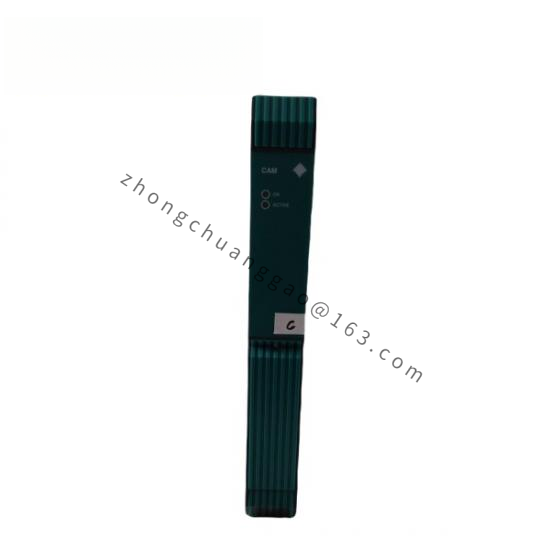
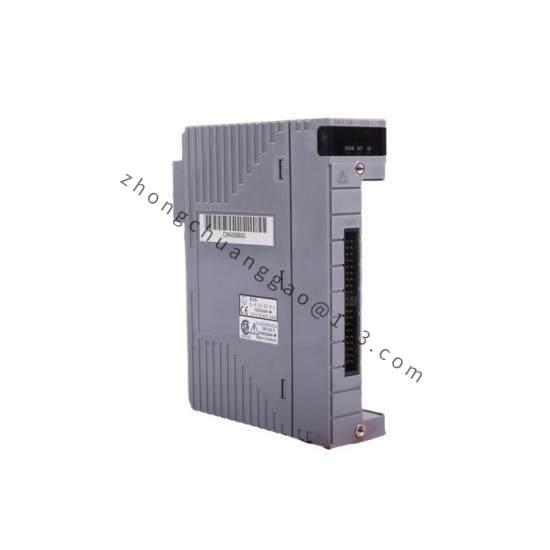
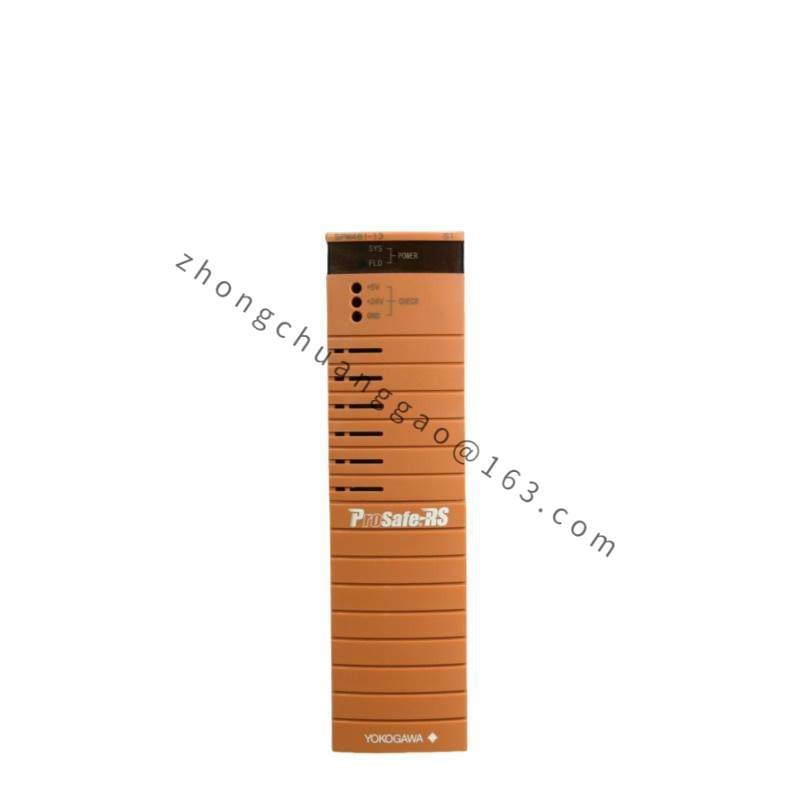
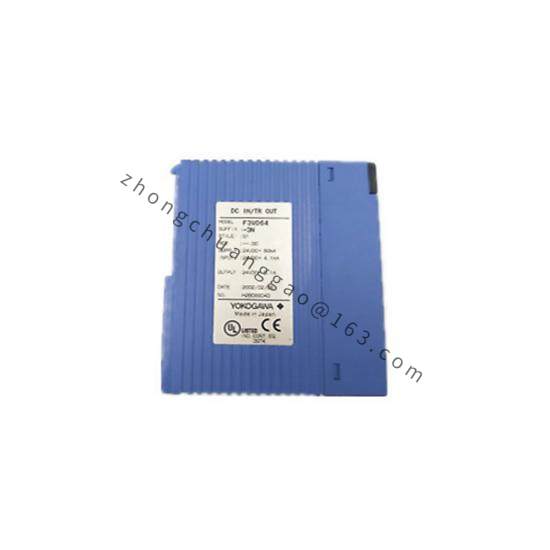
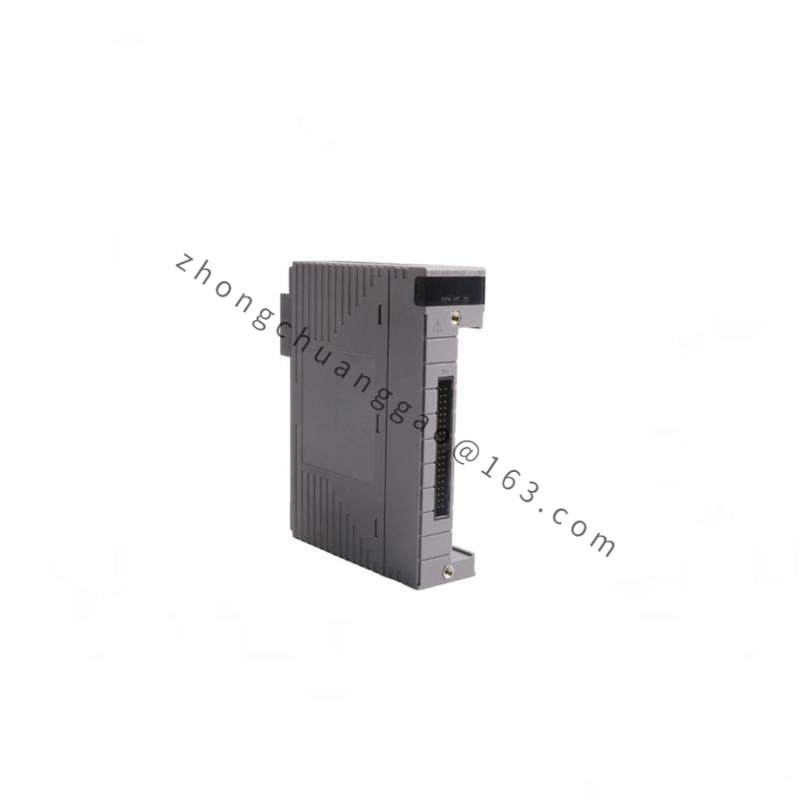
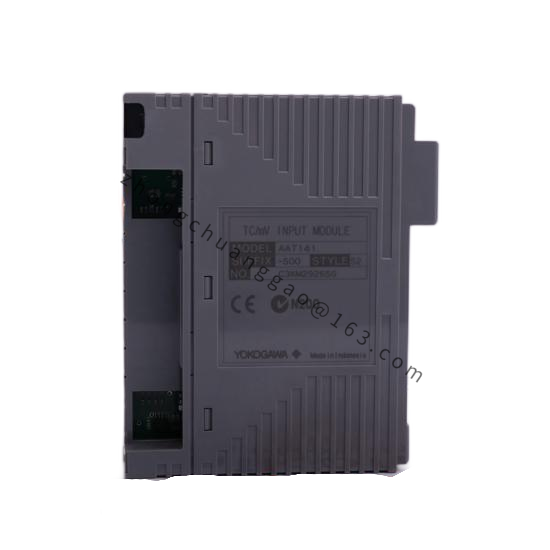
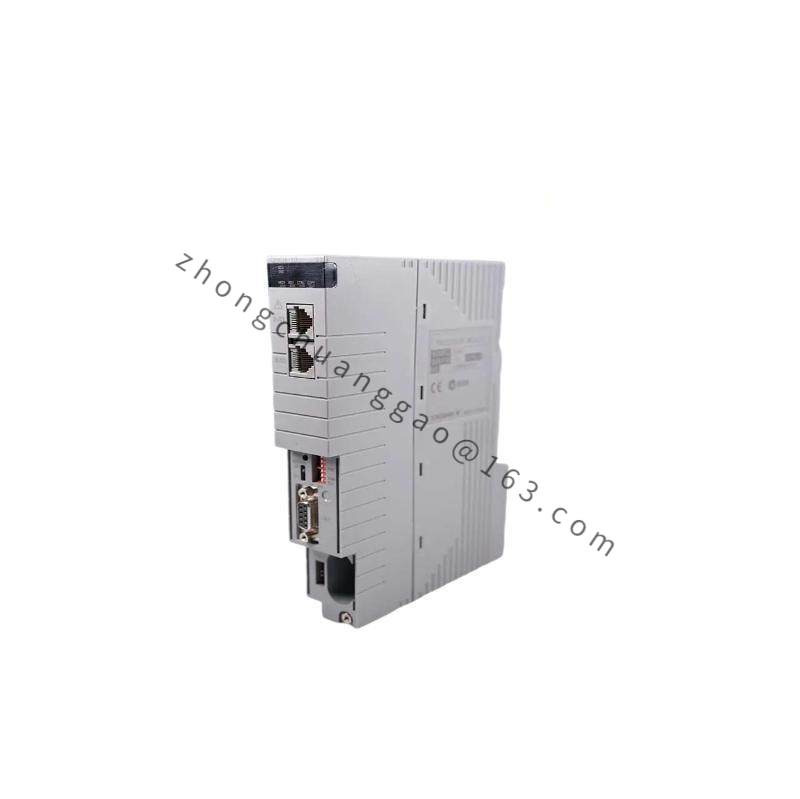
Yokogawa NFAI-H50/A4S00

Product Category: 8-Channel HART Analog Input Module

Product Overview:
The NFAI-H50 is an 8-channel analog input module with HART communication capability for Yokogawa DCS systems (CENTUM VP, CENTUM CS). The configuration A4S00 specifies the terminal and firmware variant. It accepts 4–20 mA DC or 1–5 V DC inputs and communicates via HART 7 protocol over the same 4–20 mA wiring.

Detailed content

Technical Specifications:

  • Number of Channels: 8 channels
  • Input Signal4–20 mA DC / 1–5 V DC (selectable per channel via configuration)
  • Accuracy±0.1% of span
  • Resolution: 16-bit A/D converter
  • Sampling Rate: 250 ms per channel (all 8 channels)
  • Insulation: Channel-to-channel isolation, channel-to-bus isolation
  • Insulation Resistance: ≥100 MΩ at 500 VDC
  • Dielectric Strength1500 VAC for 1 minute
  • Communication Protocol: HART 7 (superimposed on 4–20 mA signal)
  • Power Supply24 VDC (bus-powered from DCS backplane)
  • Operating Temperature: 0°C to +55°C
  • MountingDIN rail or DCS card cage (Yokogawa specified)
  • Dimensions25 mm × 120 mm × 120 mm (W × H × D) per 8-channel module

Functional Features:

  • HART 7 communication — remote configuration, diagnostics, and calibration without wiring changes
  • 8 independent channels with individual configuration
  • 16-bit resolution — high-precision measurement
  • Channel-to-channel isolation — prevents crosstalk
  • Bus-powered — no external power supply required
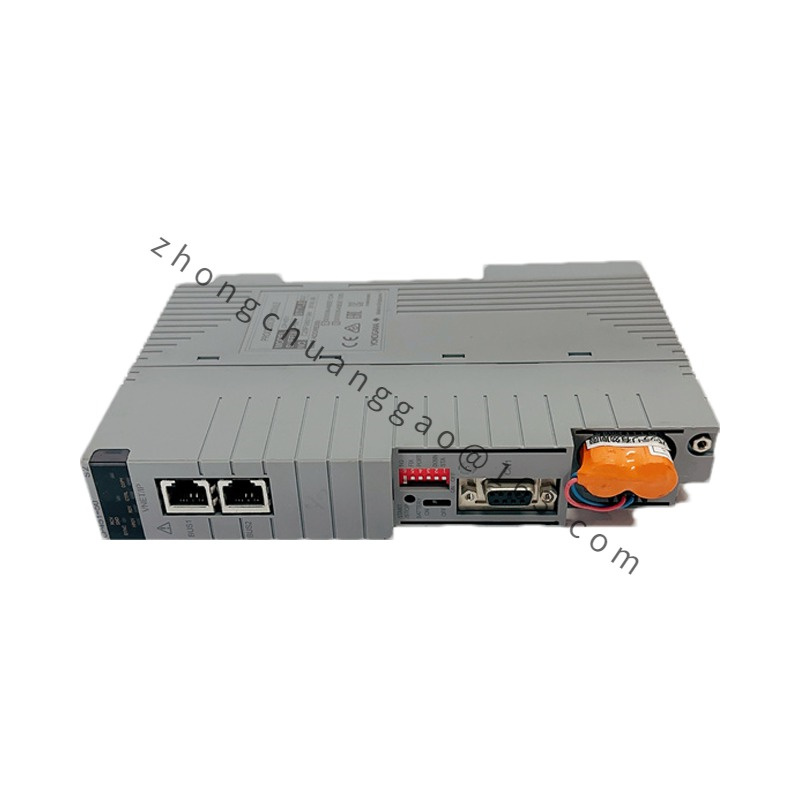
  • LED status indicators per channel (power, alarm, communication)
  • Hot-swappable in DCS card cage (with proper procedure)

Material Composition:

  • Housing: Flame-retardant ABS resin (UL94 V-0)
  • PCBMulti-layer FR-4 with conformal coating
  • ConnectorsYokogawa proprietary DCS backplane connector
  • Terminals: Gold-plated contact pins

Structural Characteristics:

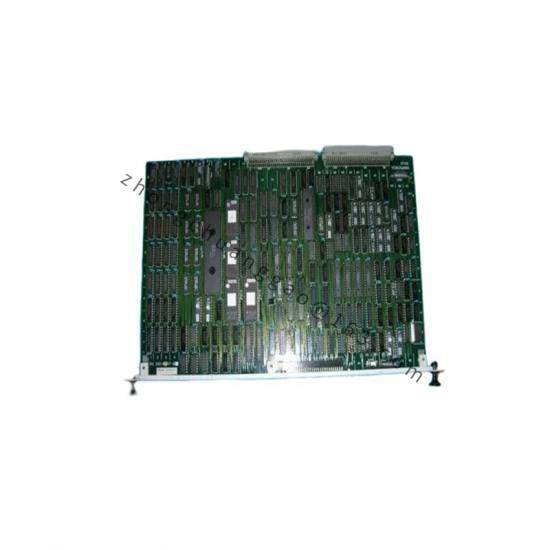
  • Form Factor: DCS I/O card module
  • Width25 mm (half-width DCS card)
  • Height: 120 mm (Eurocard format)
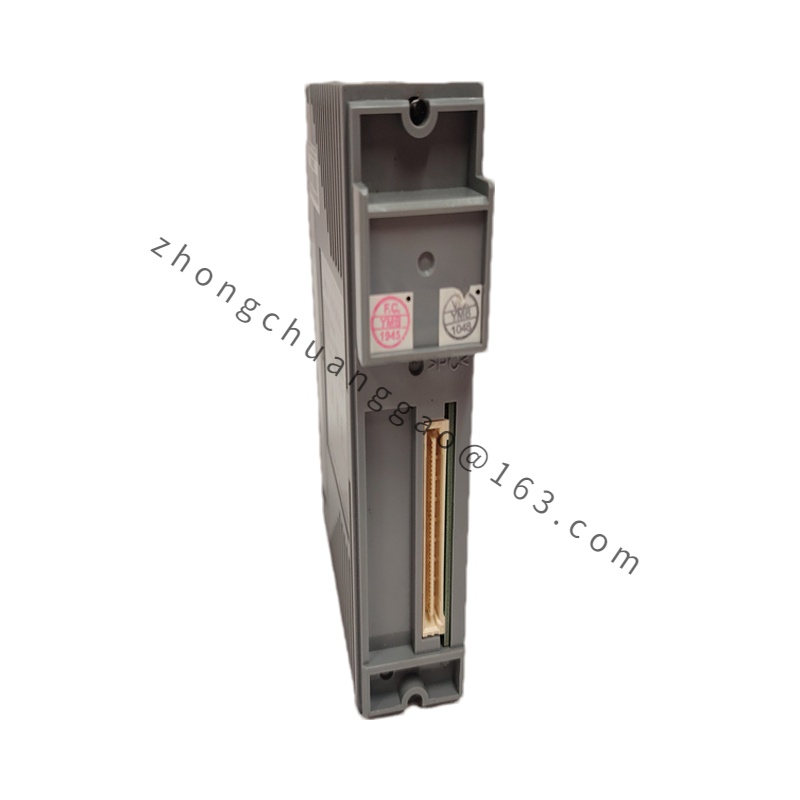
  • ConnectorYokogawa 96-pin DCS backplane connector

Working Principle:
Each of the 8 input channels receives an analog signal (4–20 mA or 1–5 V). The signal is conditioned by a precision amplifier, then converted to digital by a 16-bit A/D converter. The digital value is transmitted to the DCS controller via the backplane bus. Simultaneously, the HART 7 protocol modem superimposes digital communication onto the 4–20 mA signal, enabling bidirectional communication with HART-compatible field devices (transmitters, valves) on the same loop.

Key Advantages:

  • HART over 4–20 mA — eliminates need for separate communication wiring
  • ±0.1% accuracy with 16-bit resolution — extremely precise
  • 8 channels in single module — high density, low cost per channel
  • Full DCS integration — native compatibility with CENTUM VP/CS
  • Hot-swappable — module replacement without system shutdown

Applicable Industries:

  • DCS-based process control systems (Yokogawa CENTUM VP, CENTUM CS)
  • Oil & Gas (refinery, offshore platforms)
  • Chemical & Petrochemical
  • Power Generation
  • Pharmaceutical

Installation Requirements:

  • Install in Yokogawa DCS card cage (specified backplane)
  • Connect to DCS controller via backplane bus
  • Wire field signals to screw terminals (AWG 22–14)
  • Configure channel type (mA/V) via DCS engineering software (System View)
  • Ensure 24 VDC bus power is stable (±5%)

Usage Precautions:

  • Do not mix mA and V inputs on the same channel without proper configuration
  • Maximum input voltage: 5 VDC — do not exceed
  • Ensure proper grounding of signal cable shields
  • Follow hot-swap procedure per Yokogawa DCS manual
  • Do not install in environments exceeding +55°C

You may also like