Digital guide

You are here:

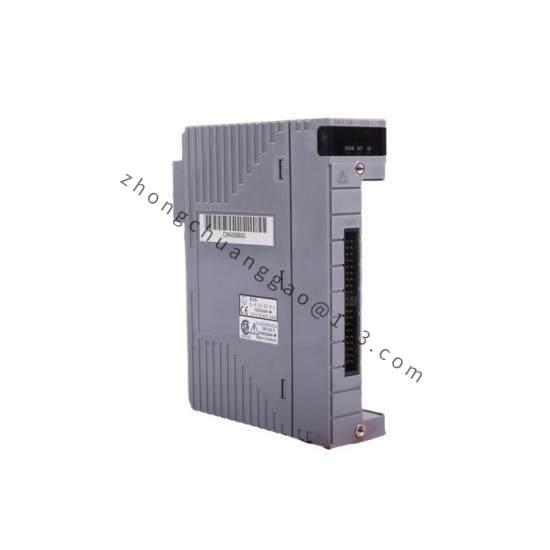
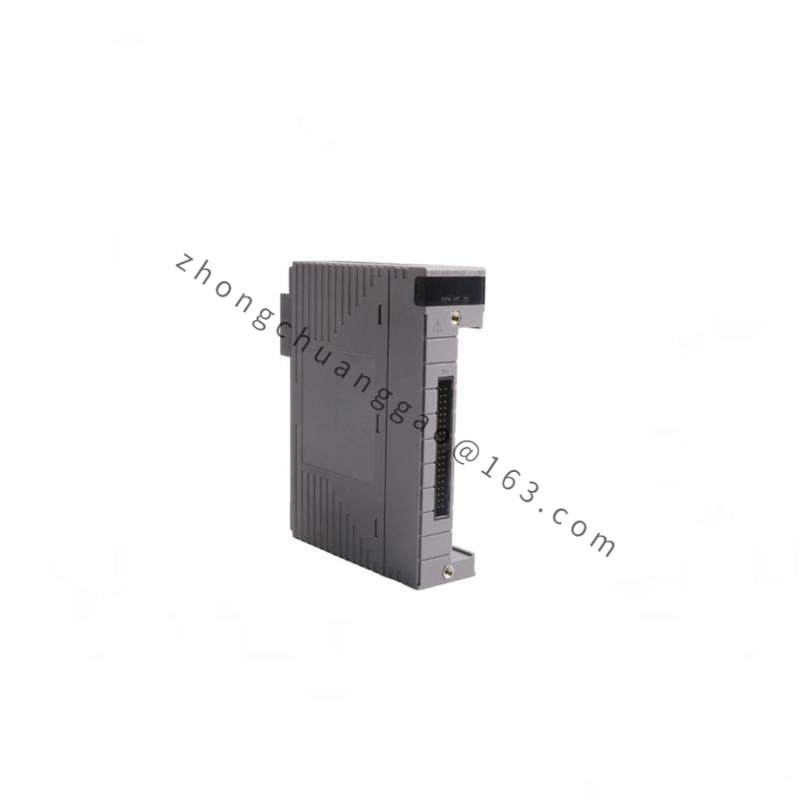
Yokogawa MW100-E-1R

Product Introduction: A flexible, high-performance, modular data acquisition and recording platform designed for distributed measurement applications. It operates as a standalone unit or under PC control, offering scalable channel count and high-speed data logging capabilities in harsh industrial environments.

Technical Specifications:
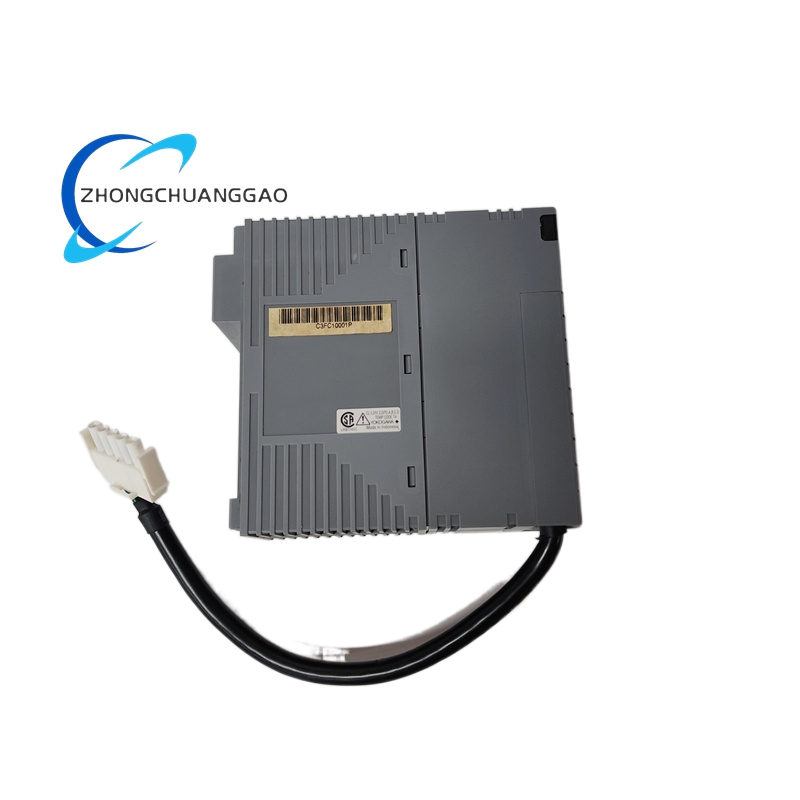
  • System Architecture: Modular design consisting of a main module (MW100), MX series I/O modules, and MX150 backplanes.
  • Measurement Cycles: 12 selectable scan rates from 10 ms (high-speed) to 60 seconds (low-speed).
  • Channel Capacity: Scalable from 4 up to 1200 channels by adding I/O modules.

Detailed content

  • Data Storage: Data logged to non-volatile SRAM and removable CompactFlash (CF) cards (supports up to 1 GB).
  • Communication: 100Base-TX Ethernet port for remote monitoring, data transfer, and control via PC.
  • Power Supply: Universal 100–240 V AC or 12–28 V DC input.
  • Environmental Rating: Operating temperature: -20°C to +60°C; humidity: 20–80% RH (non-condensing).
  • Weight: Approx. 4.3 kg (with 6 I/O modules installed).

    Key Features:

  • Modular Flexibility: Mix-and-match I/O modules (universal, thermocouple, RTD, voltage, current, digital) to fit specific measurement needs.
  • High-Speed Performance: Achieves up to 24 channels at 10 ms scan rate and 60 channels at 100 ms.
  • Superior Isolation: 3700 V RMS (1 min) isolation between input terminals and the system, ensuring safety and accuracy.
  • Smart Recording: Standalone operation with automatic data logging; data remains secure during power interruptions.
  • Advanced Math Functions: Optional calculation module supports up to 60 independent mathematical channels.
  • Remote Access: Full control and real-time monitoring via standard web browser or dedicated software over the network.

    Applications:

  • Distributed temperature and process monitoring in large-scale plants.
  • Reliability and endurance testing in automotive and aerospace industries.
  • Environmental monitoring and data logging for HVAC and building automation.
  • Product testing and quality control in manufacturing.
  • Field data acquisition for construction and civil engineering projects.
  • Research and development data collection in laboratories.

You may also like