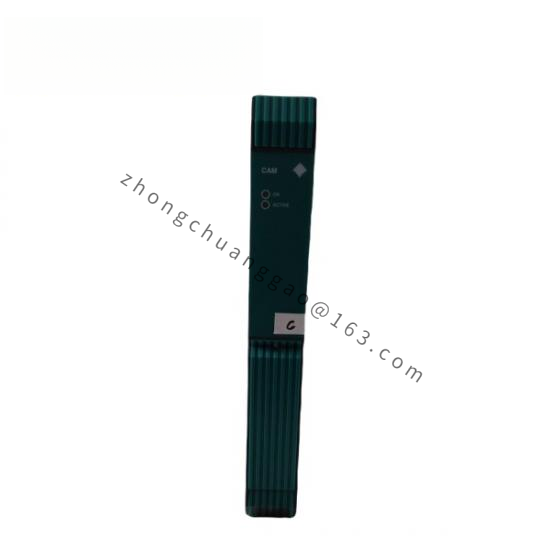

Product Introduction:
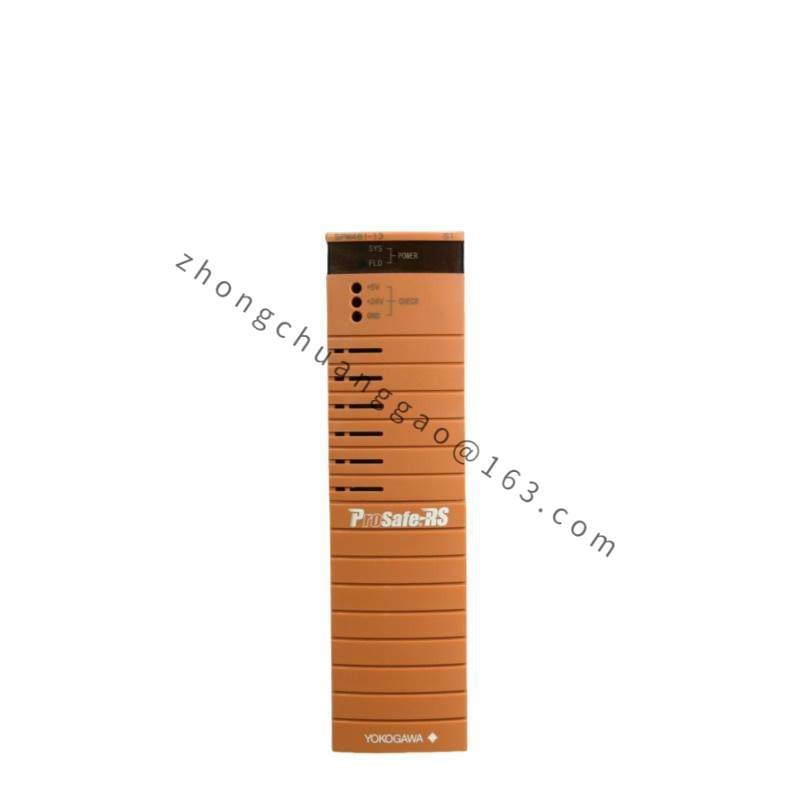
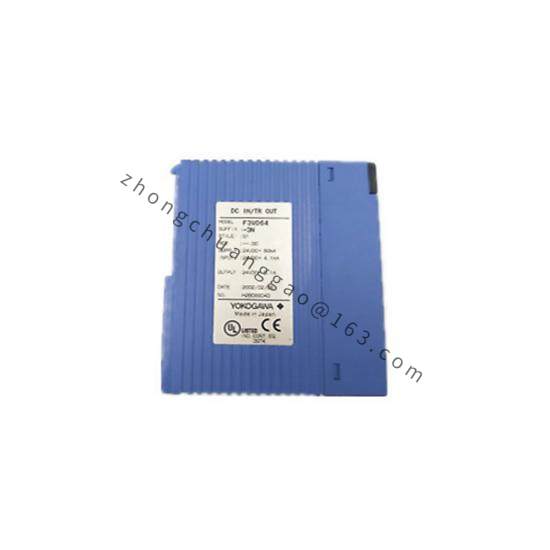
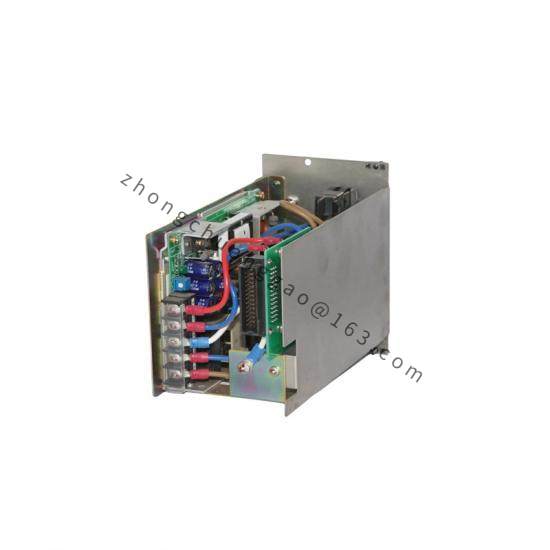
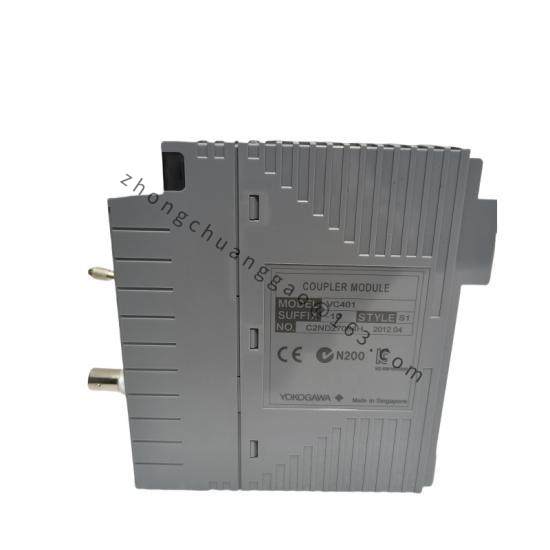
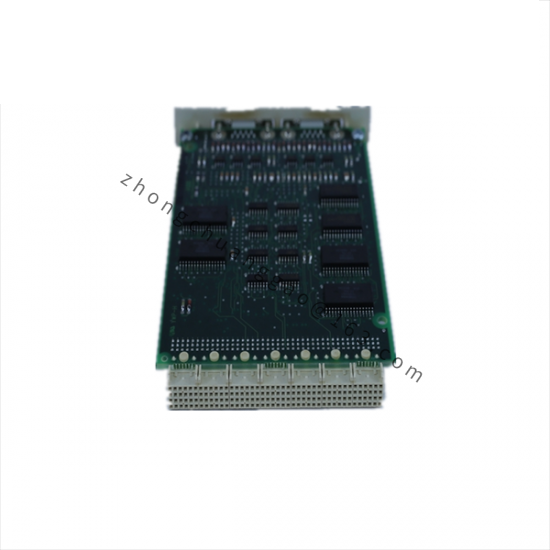
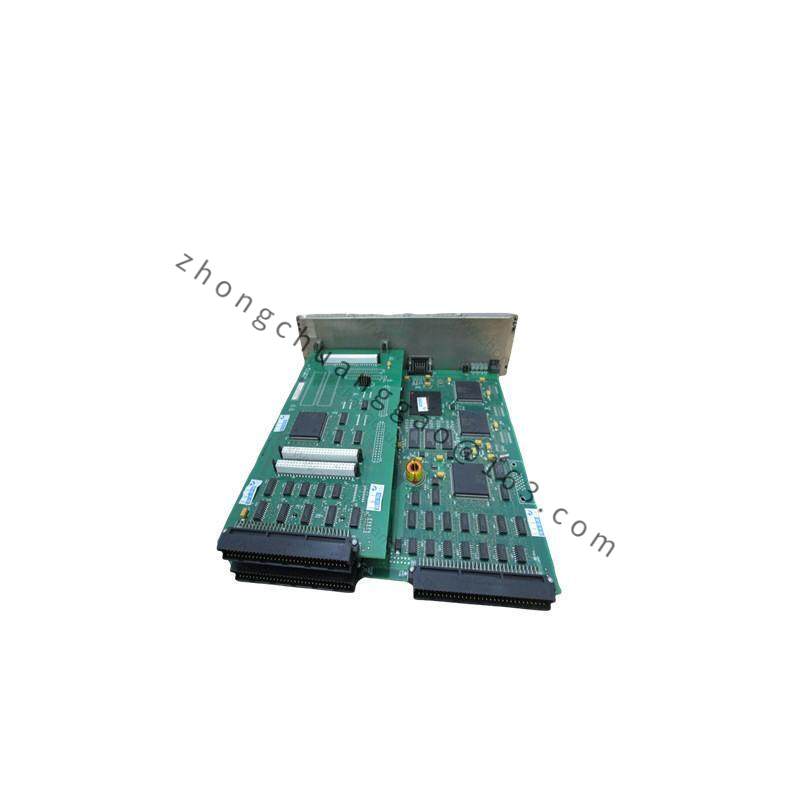
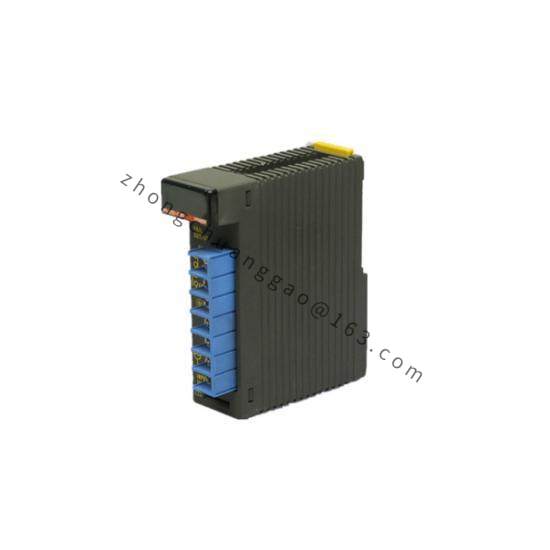
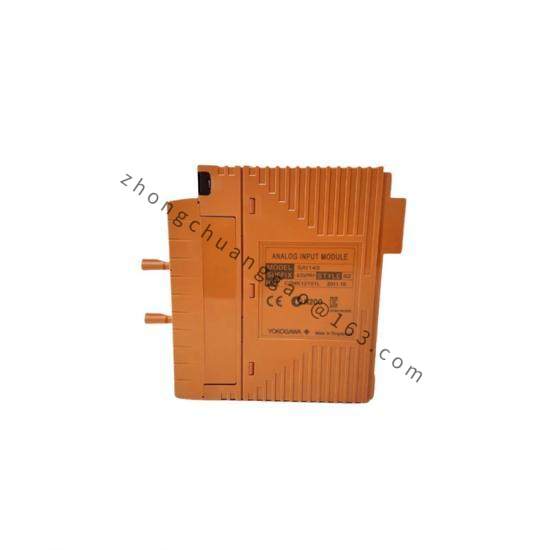
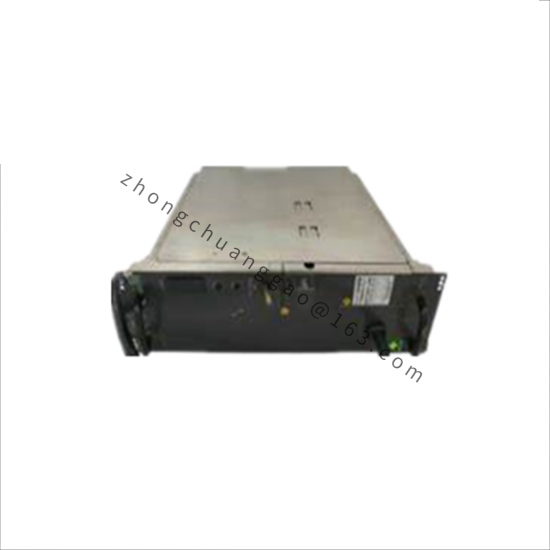
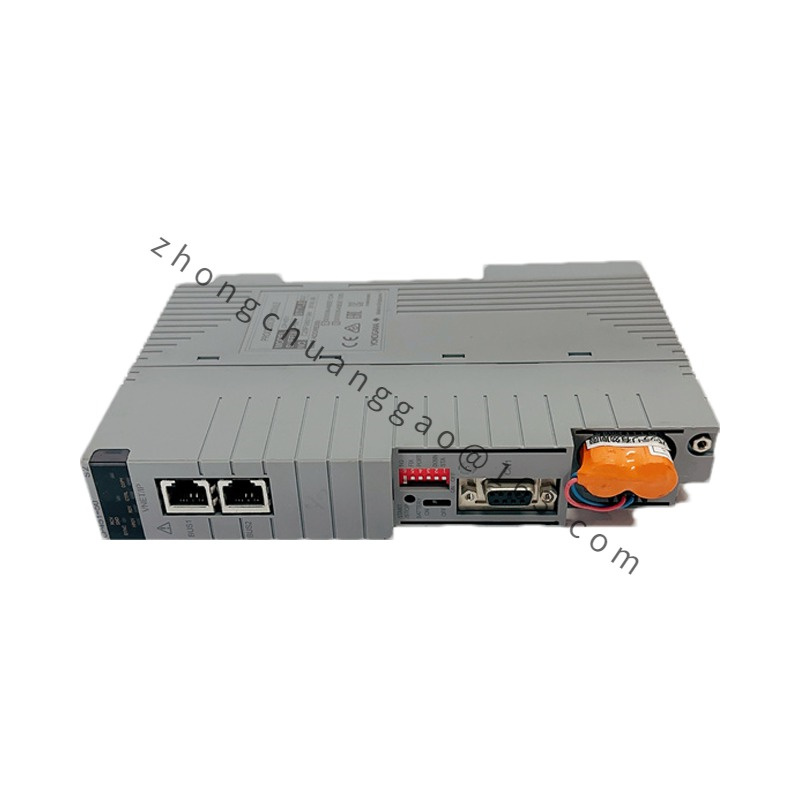
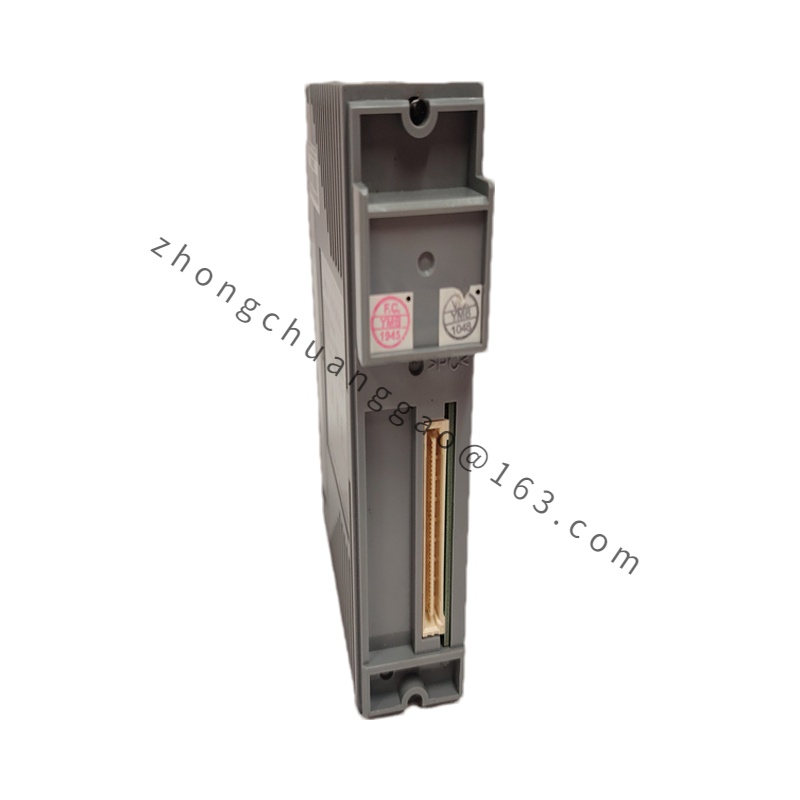
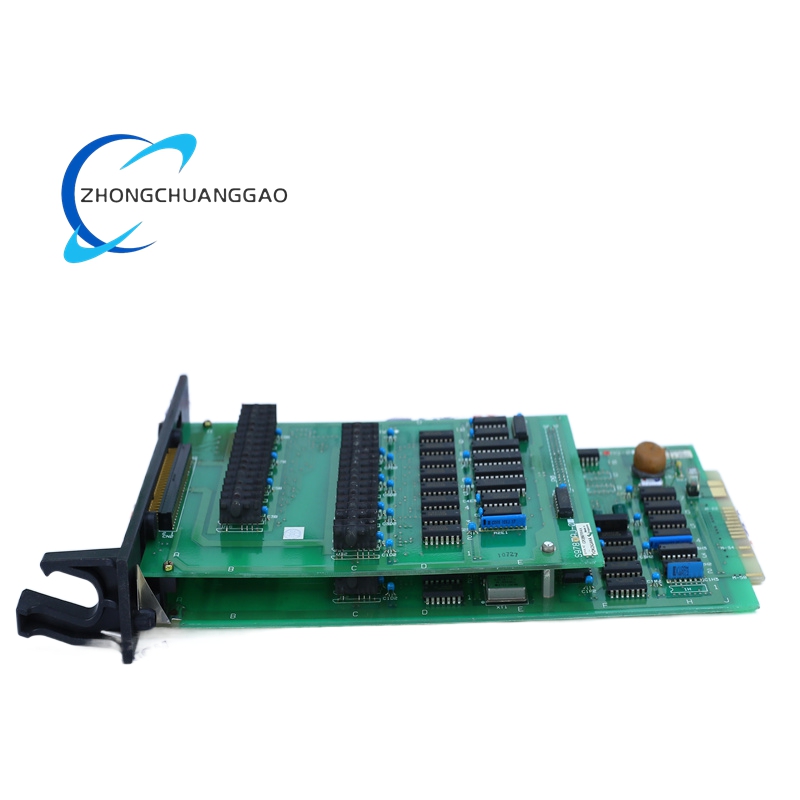
The MICONDITIF3X4-4N is an online conductivity/resistivity analyzer transmitter from Yokogawa’s MICONDITIF3 Series, featuring a 4-wire electrode connection that effectively eliminates lead wire resistance effects on measurement accuracy. It outputs a 4-20mA standard signal and is designed for continuous, reliable conductivity/resistivity measurement in water quality monitoring and chemical process control applications.
Technical Specifications:
| Parameter | Specification |
|---|---|
| Electrode Connection | 4-wire (4-wire system) |
| Measured Parameters | Conductivity / Resistivity / TDS (optional) |
| Conductivity Range | 0 to 2,000,000 μS/cm (auto multi-range switching) |
| Resistivity Range | 0.5 MΩ·cm to 2,000 MΩ·cm |
| Accuracy | ±1.0% FS (conductivity), ±1.5% FS (resistivity) |
| Temperature Compensation | Built-in Pt1000 temperature sensor, automatic compensation to 25°C reference |
| Output Signal | 4-20mA DC (2-wire/4-wire selectable) |
| Secondary Output | Relay output optional: 250V AC / 2A |
| Communication Interface | RS-485 (Modbus RTU protocol) |
| Power Supply | 100-240V AC (50/60Hz) or 24V DC |
| Power Consumption | Approximately 5W (AC), 3W (DC) |
| Operating Temperature | 0°C to +50°C |
| Protection Rating | IP65 (sensor connection head), IP20 (transmitter body) |
Material Composition:
Structural Features:
Working Principle:
The MICONDITIF3X4-4N uses AC conductance measurement principle. An AC excitation voltage is applied to the electrodes, and the current flowing through the solution is measured. Conductivity is calculated using Ohm’s Law. In the 4-wire configuration, two wires carry the excitation current while the other two wires measure the voltage drop across the electrodes, completely eliminating lead wire resistance and contact resistance effects. The built-in temperature sensor measures solution temperature in real time, and a standard temperature compensation algorithm converts the measured value to a 25°C reference value.
Functional Features:
Advantages & Highlights:
Applicable Industries:
Installation Requirements:
Usage Precautions: