Yokogawa ISC40FF-SA Inductive Conductivity Sensor
Technical Specifications:
- Measurement Range: 0-2000mS/cm, which can meet the measurement needs of high – conductivity solutions.
- Measurement Accuracy: ≤0.5% of reading ±1.0μS/cm, ensuring the accuracy of measurement results.
- Process Temperature Range: PEEK material: -20℃ to 130℃; PFA material: -20℃ to 100℃.
- Process Pressure Range: PEEK material: up to 20bar (depending on the installation method); PFA material: up to 10bar.
- Built – in Temperature Sensor: Pt1000, which can realize automatic temperature compensation of conductivity measurement.
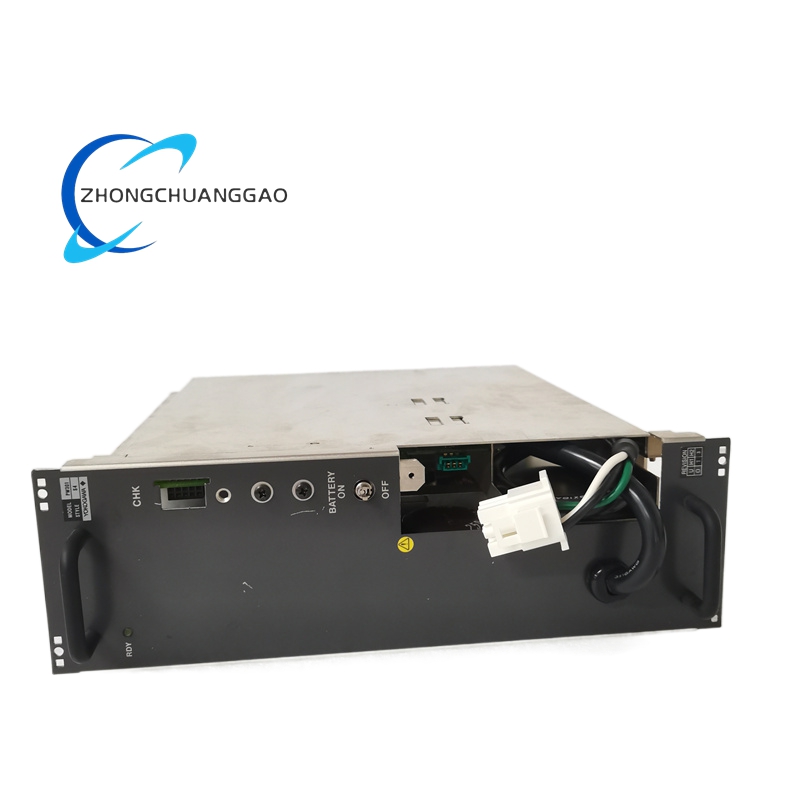
Detailed content
-
- Response Time: 5min (90% response) for PEEK sensor, 10min (90% response) for PFA sensor.
- Material: The sensor body is made of PEEK or PFA, which has good corrosion resistance.
- Functional Characteristics:
- The non – contact inductive measurement method can avoid the interference of the measured solution on the electrode, and the measurement results are stable and reliable.
- It has a wide measurement range, and there is no need to replace the sensor or re – calibrate when the conductivity of the solution changes greatly.
- The large – diameter sensor design has good anti – blocking performance and is suitable for the measurement of solutions containing a large amount of suspended solids and impurities.
- It has a strong anti – interference ability and can work stably in the industrial electromagnetic environment with serious interference.
- The installation method is flexible, and it can be installed in various ways such as pipe – mounted, tank – mounted, and flange – mounted to meet the needs of different on – site installation conditions.
- Application Scenarios: It is widely used in the measurement of the conductivity of the circulating water and sewage treatment process in the power industry; the concentration monitoring of the electrolyte in the electrolytic process of the chemical industry; the measurement of the conductivity of the slurry and the coating solution in the papermaking and printing and dyeing industries; the concentration control of the pickling solution in the metallurgical industry; and the monitoring of the cleaning solution in the semiconductor manufacturing industry.