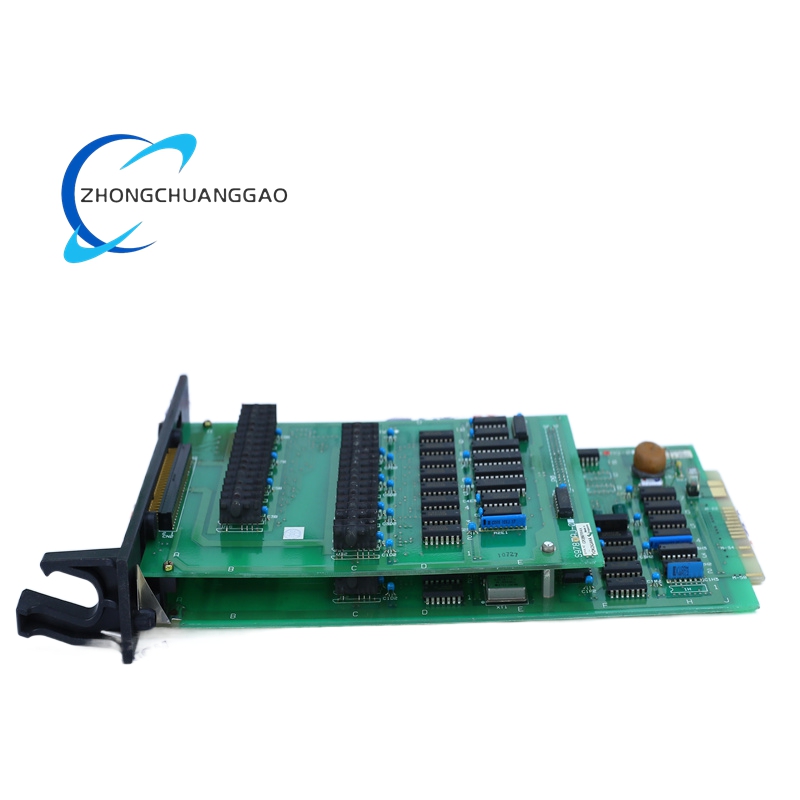
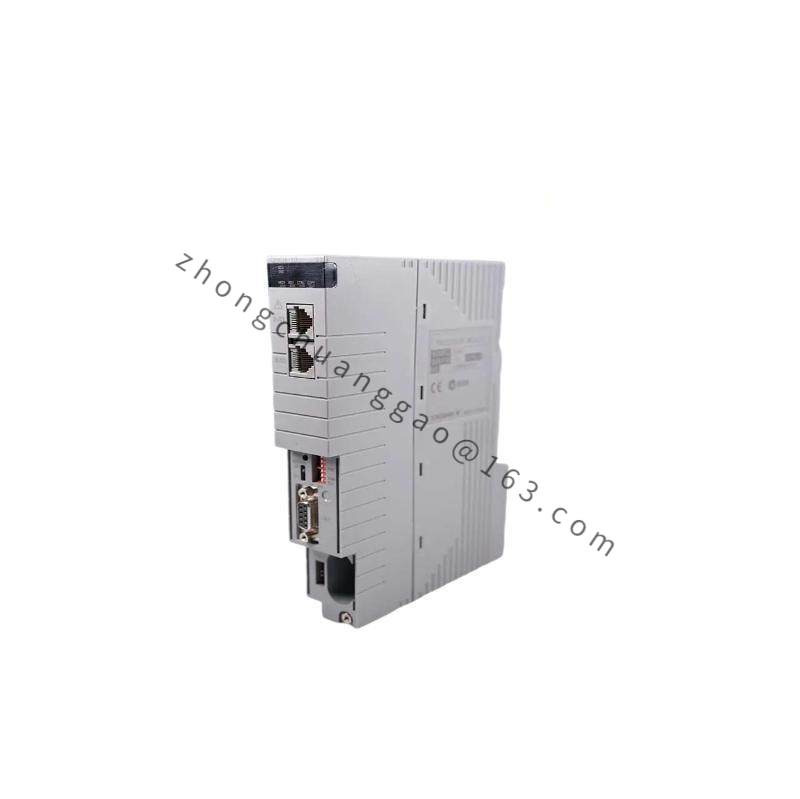
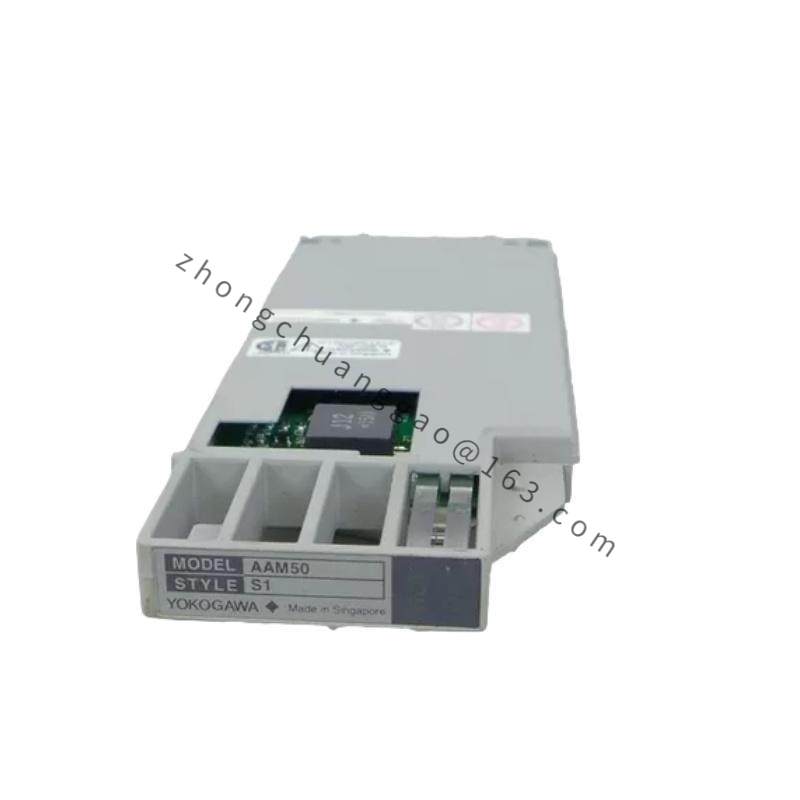
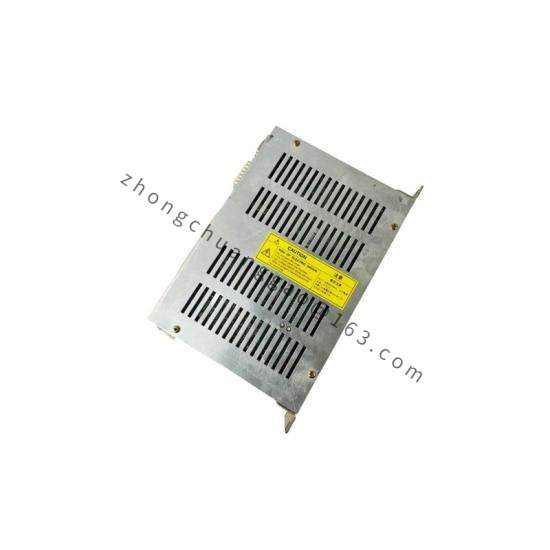
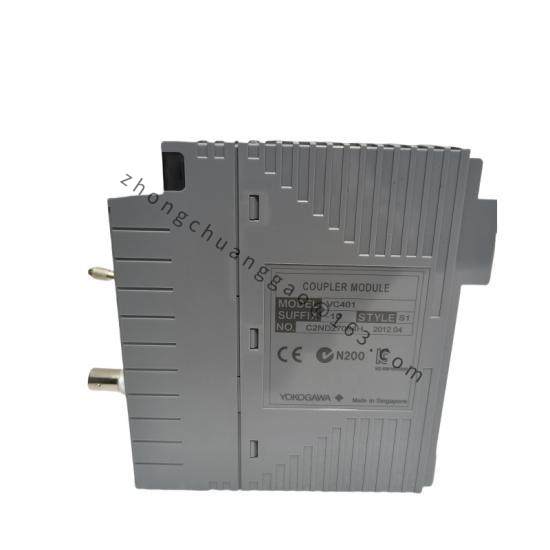
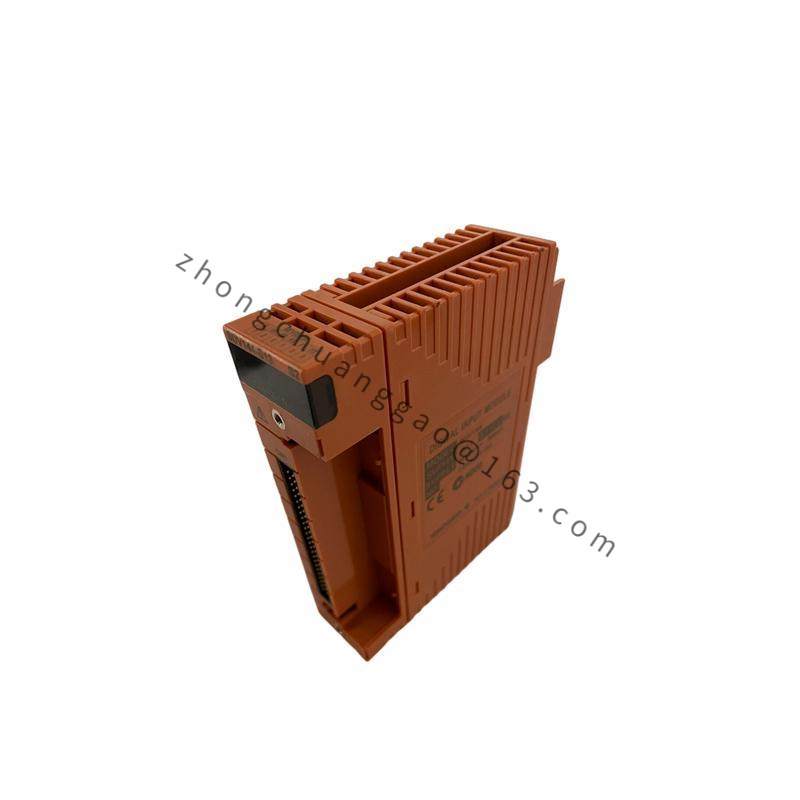
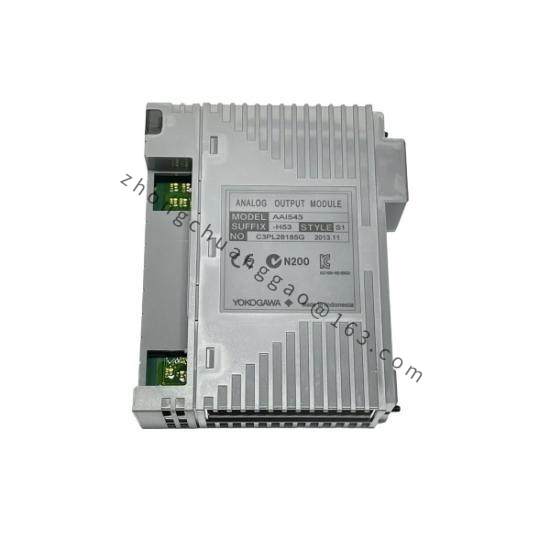
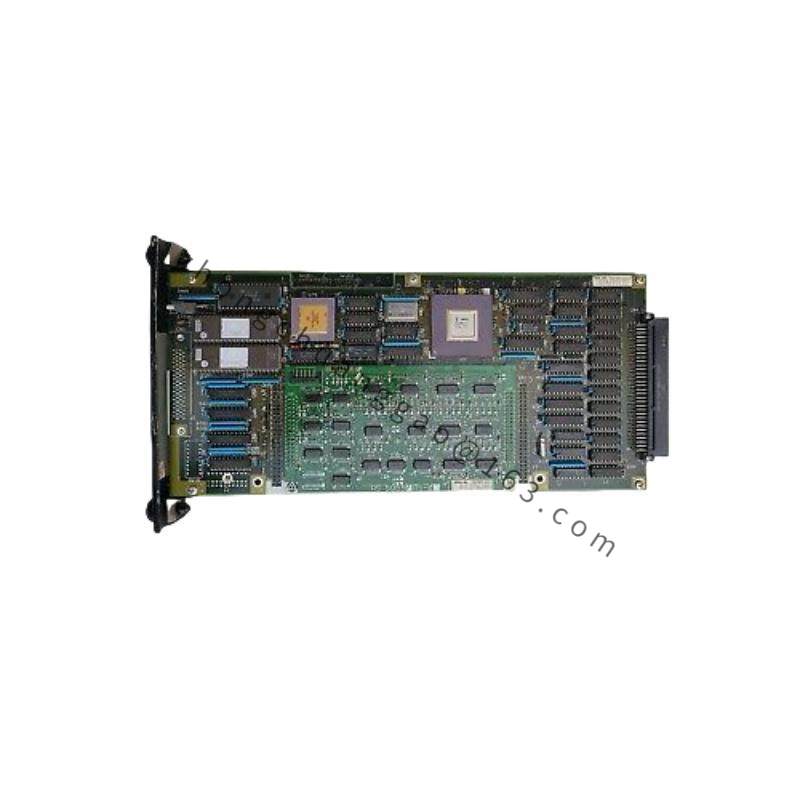
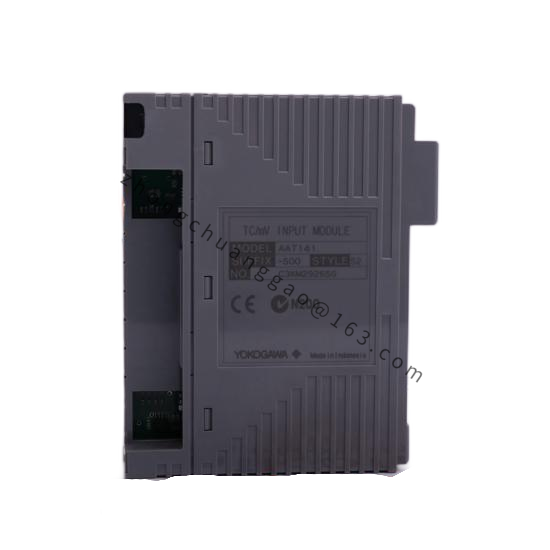
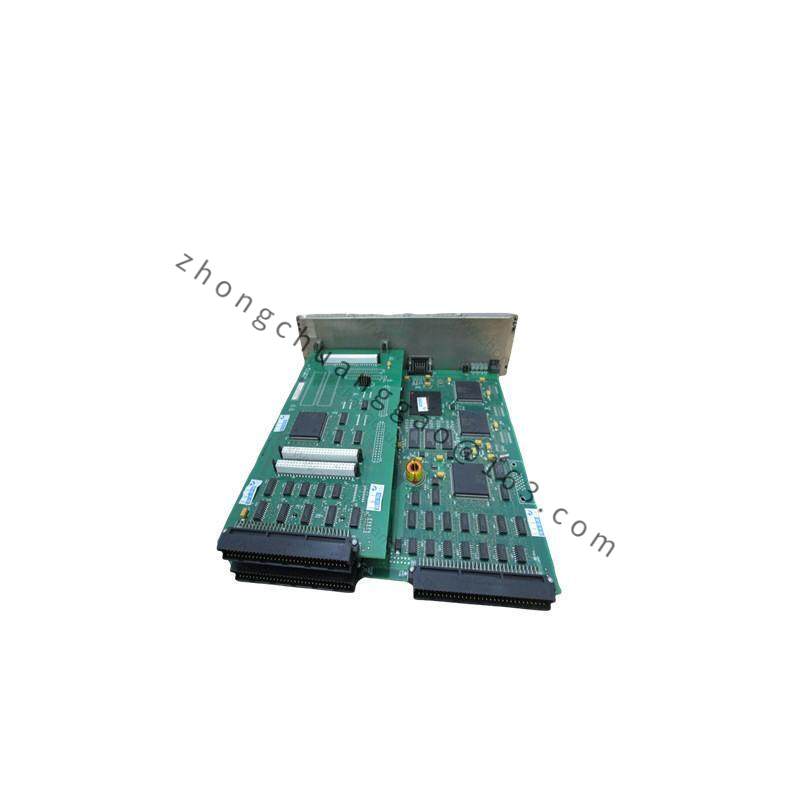
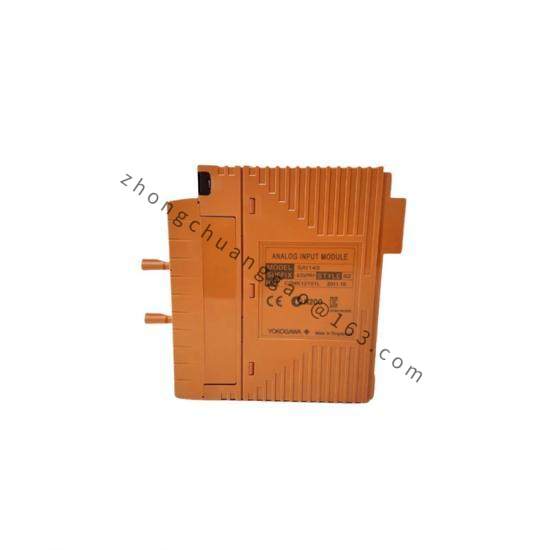
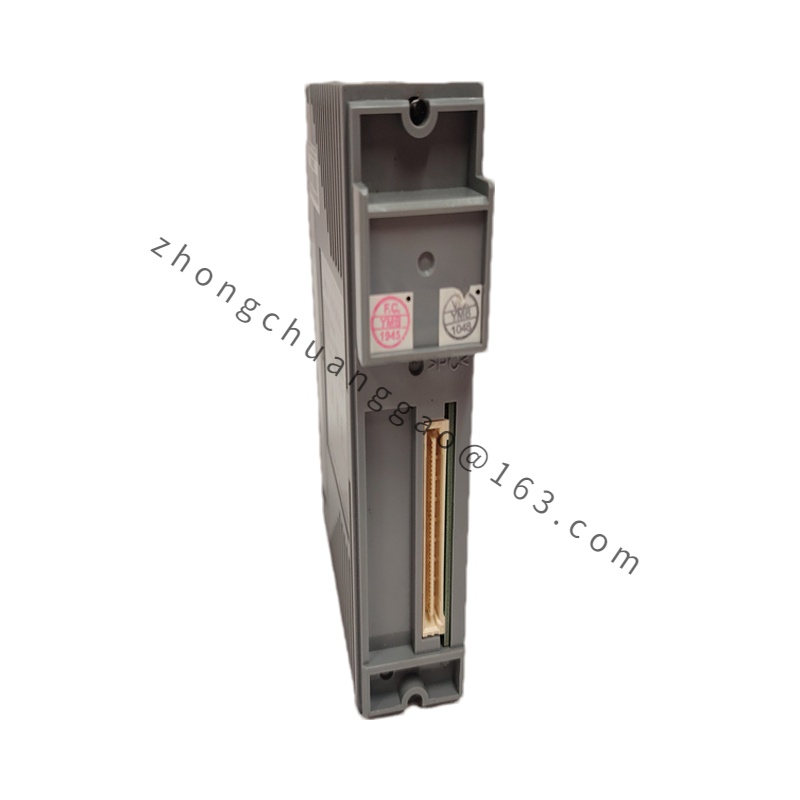
Product Introduction: High‑speed main control CPU module for Yokogawa F3 series modular PLC, responsible for system logic operation, program execution, and data communication management.
Communication Interfaces: RS‑485, Ethernet, F3 Bus Interface
Power Supply: 24V DC
Operating Temperature: ‑20°C ~ +60°C
Function Features: High‑speed logic operation, multi‑protocol communication support, program online modification/download, real‑time fault diagnosis, data storage and backup, modular I/O expansion control.
Material Composition: Gray engineering plastic housing, industrial CPU chip, gold‑plated bus terminals, FR‑4 high‑precision circuit board, anti‑interference shielding structure.
Structural Features: Standard plug‑in modular design for F3 PLC backplane, front‑panel status LED indicators, side‑mounted communication wiring terminals.
Working Principle: Executes pre‑written user control programs, collects I/O module signal data, performs logic calculation, outputs control instructions to downstream modules, and realizes data exchange with upper‑level monitoring systems.
Advantage Highlights: Ultra‑fast instruction scan speed, rich communication functions, strong anti‑interference performance, stable operation in industrial environments, modular expandability.
Applicable Industries: Automated machinery, building automation, water supply/drainage control, factory assembly lines, small‑scale process control systems.
Model Series: F3 Series Modular PLC CPU Modules
Installation Requirements: Plug into dedicated CPU slot of F3 series PLC backplane; ensure reliable backplane connection; install in dust‑proof, dry control cabinet.
Usage Notes: Conduct program backup before modification; strictly follow wiring standards for communication interfaces; avoid over‑expansion of I/O modules beyond CPU load limit.