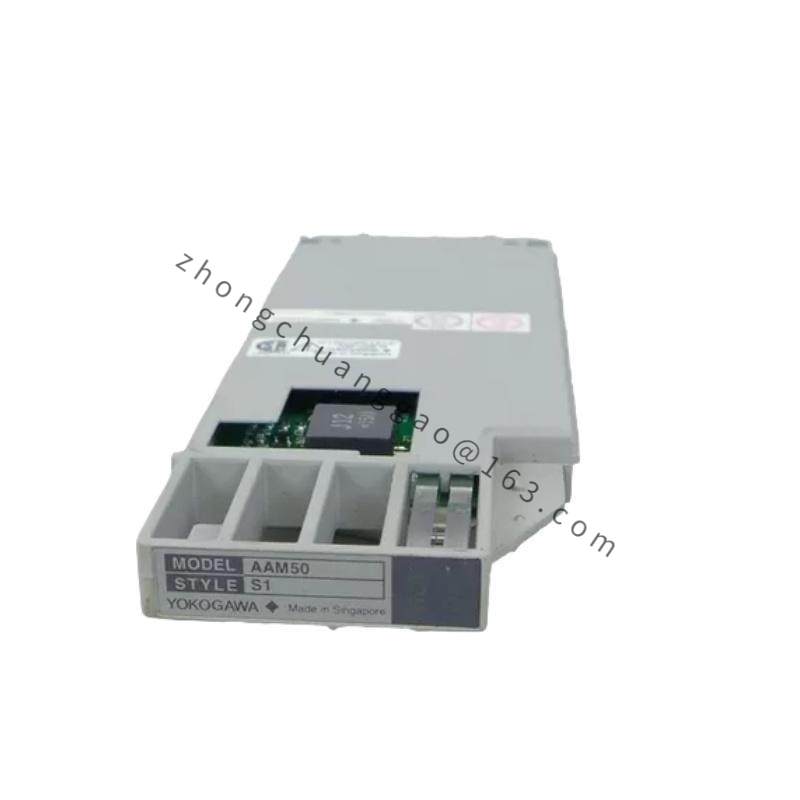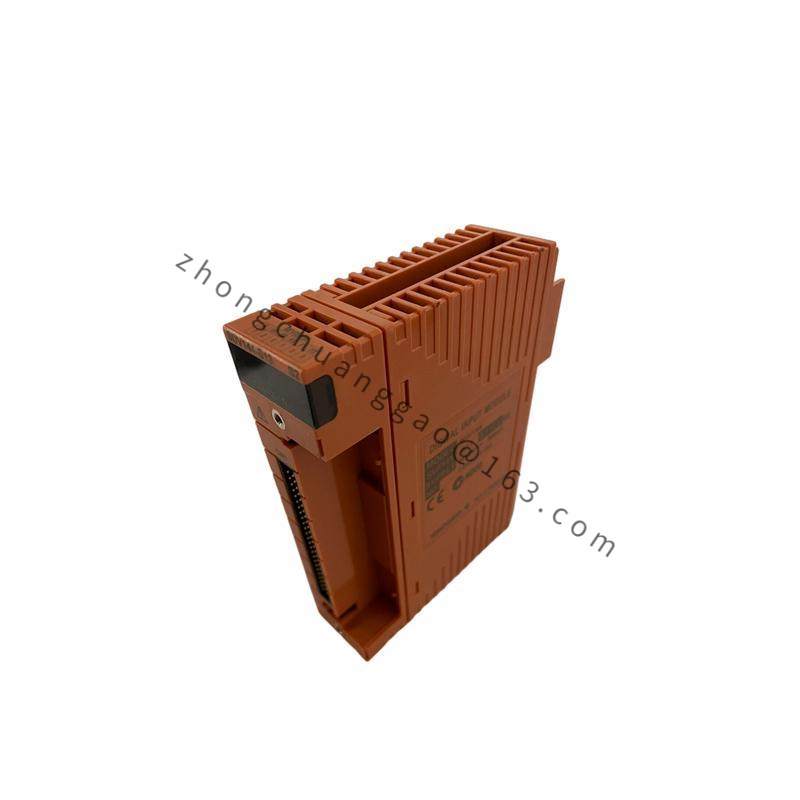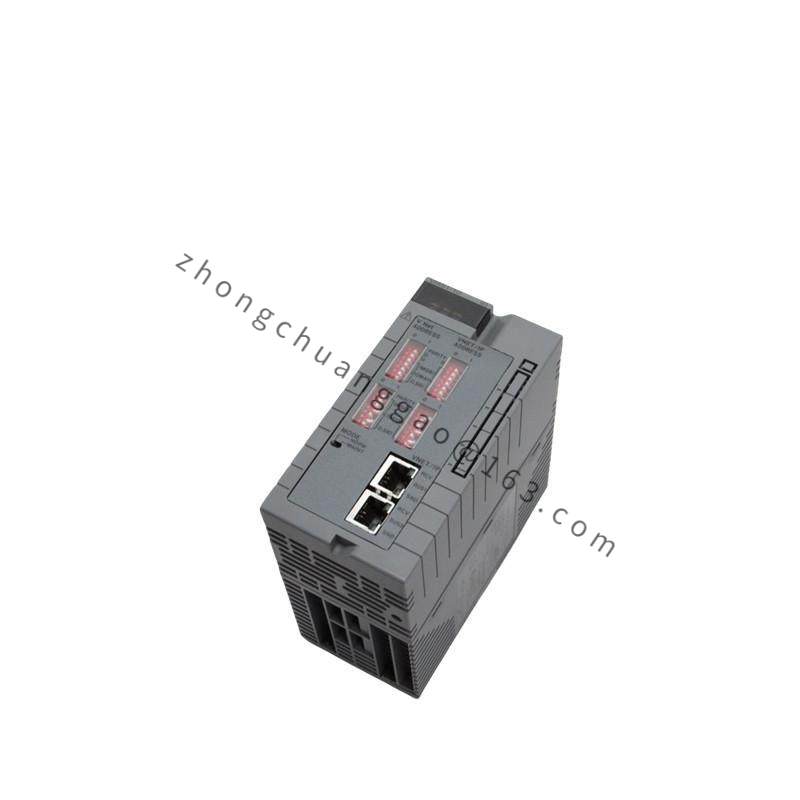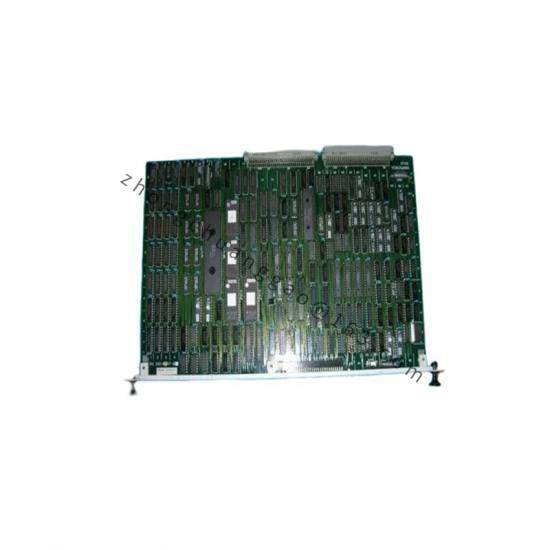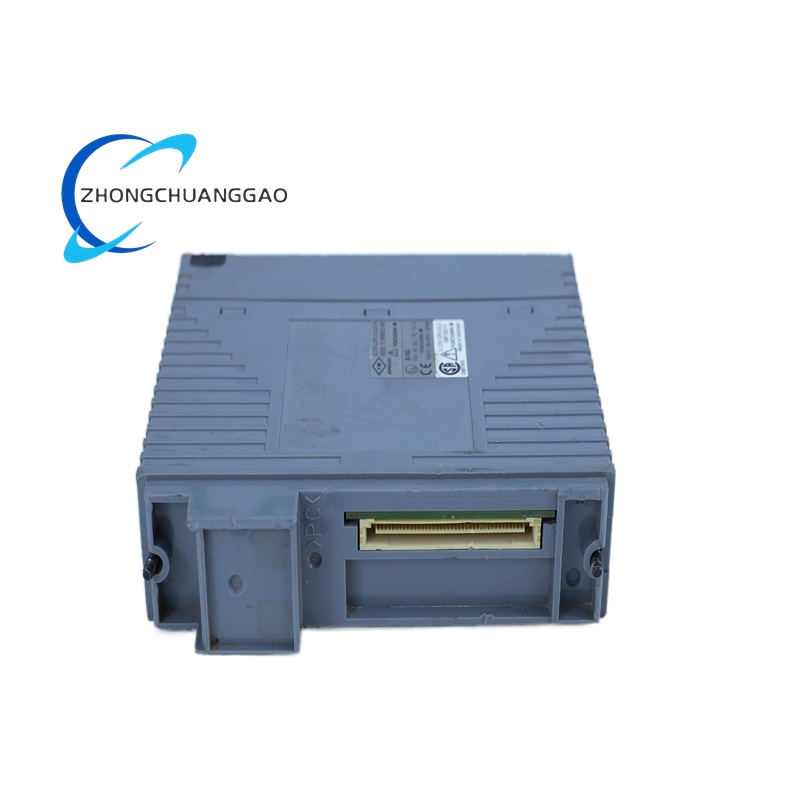
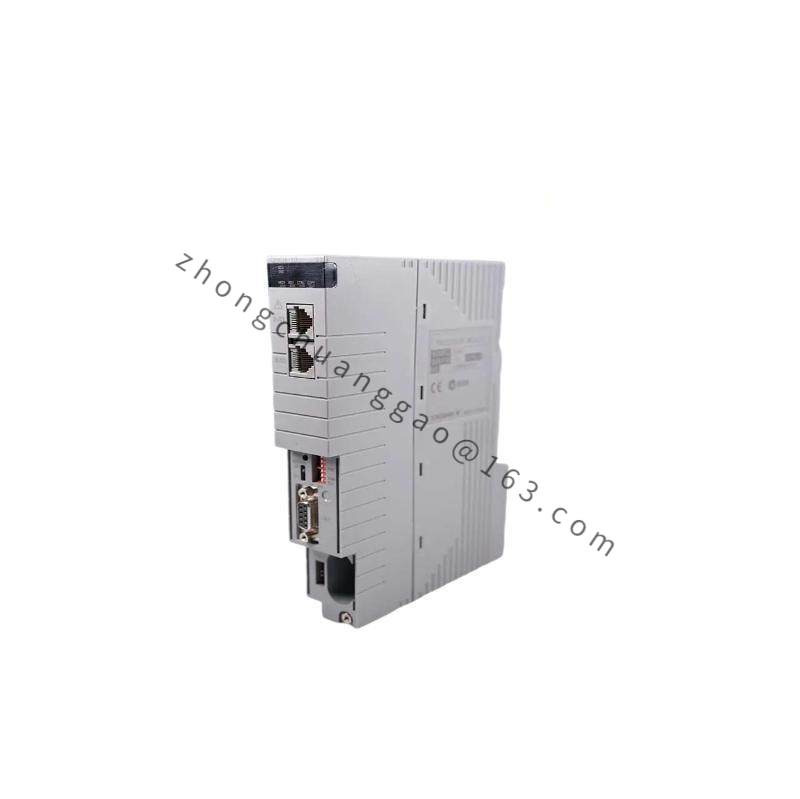

Product Overview:
The DL9710L is a high-performance ScopeCorder from Yokogawa’s DL9700 series. It combines the functions of an oscilloscope, data recorder, and waveform analyzer in a single portable/rack-mount instrument. It is designed for capturing high-speed transient phenomena with up to 100 MS/s sampling rate and up to 128 simultaneous input channels.
Technical Specifications:
| Parameter | Value |
|---|---|
| Number of Input Channels | Up to 128 channels (simultaneous sampling) |
| Sampling Rate (Max) | 100 MS/s (Mega Samples per second) across all channels |
| Sampling Rate (Per Channel) | 100 MS/s (1-ch), 50 MS/s (2-ch), 25 MS/s (4-ch), 10 MS/s (8-ch), 5 MS/s (16-ch), 2.5 MS/s (32-ch), 1.25 MS/s (64-ch), 625 kS/s (128-ch) |
| Analog Bandwidth | 60 MHz (DC coupled, -3dB) |
| Vertical Resolution | 12-bit ADC |
| Input Voltage Range | ±50 mV, ±100 mV, ±200 mV, ±500 mV, ±1V, ±2V, ±5V, ±10V (selectable per channel) |
| Input Impedance | **1 MΩ ± 1% |
| Maximum Input Voltage | ±40V (DC + peak AC, CAT II 300V rated) |
| Display | 10.4-inch XGA color TFT LCD (1024 × 768 pixels) |
| Memory Depth (Max) | 16 M points per channel (at 100 MS/s), up to 2 G points total (with memory expansion) |
| Record Length (Max) | 16 seconds at 100 MS/s (1.6 G points at 100 kS/s) |
| Trigger Modes | Edge, Pulse Width, Window, Timeout, Rise/Fall Time, Pattern (logic), Video (NTSC/PAL), I2C, SPI, UART, CAN, LIN, SENT, FlexRay, Auto, Normal, Single |
| Math Channels | Up to 128 math channels (addition, subtraction, multiplication, division, FFT, filtering, integration, differentiation) |
| FFT Analysis | Up to 4 M points FFT, Hanning/Hamming/Rectangular/Blackman-Harris windows |
| Communication Ports | USB 2.0 (Host × 2, Device × 1), Ethernet (10/100/1000BASE-T, LXI compliant), GPIB (optional), RS-232C (optional) |
| Storage | Internal SSD (approx. 256 GB), USB flash drive, external HDD |
| Power Supply | 100-240 V AC, 50/60 Hz (universal) OR 12V DC (battery option available) |
| Power Consumption | Approximately 60 W (typical) |
| Operating Temperature | 0°C to +40°C |
| Storage Temperature | -20°C to +70°C |
| Dimensions (W × H × D) | Approximately 400 mm × 180 mm × 380 mm (rack-mount: 3U height) |
| Weight | Approximately 12 kg |
| Enclosure | Metal chassis with ventilation fan, rack-mount ears included |
| Certifications | CE, UL, CSA, FCC Class A |
Functional Features:
Working Principle:
The DL9710L uses high-speed 12-bit ADCs with a multiplexed architecture that samples all channels simultaneously (not sequentially). The sampled data is stored in a high-speed circular buffer (DDR SDRAM) and then transferred to the internal SSD for long-term recording. The FPGA-based trigger system evaluates trigger conditions in real-time with sub-nanosecond timing resolution. The 10.4-inch TFT display is driven by a dedicated graphics processor for smooth waveform rendering at 100 MS/s. Communication uses LXI (LAN eXtensions for Instrumentation) over Gigabit Ethernet for remote control and data transfer.
Advantages and Highlights:
Applicable Industries:
Installation Requirements:
Usage Precautions: