
Digital guide

You are here:

Yokogawa CP333D-S1

Product Introduction:
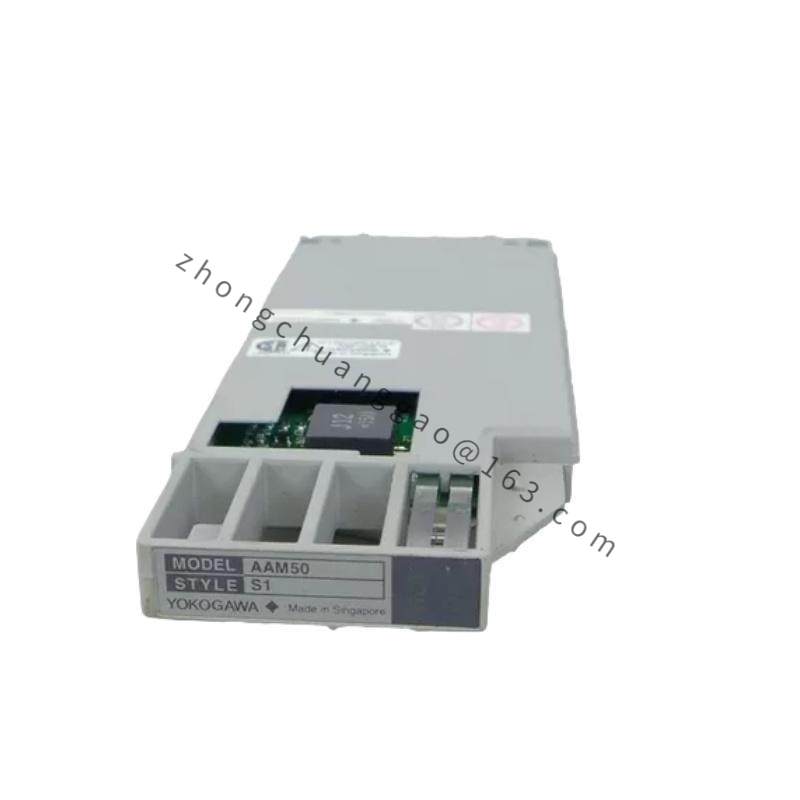
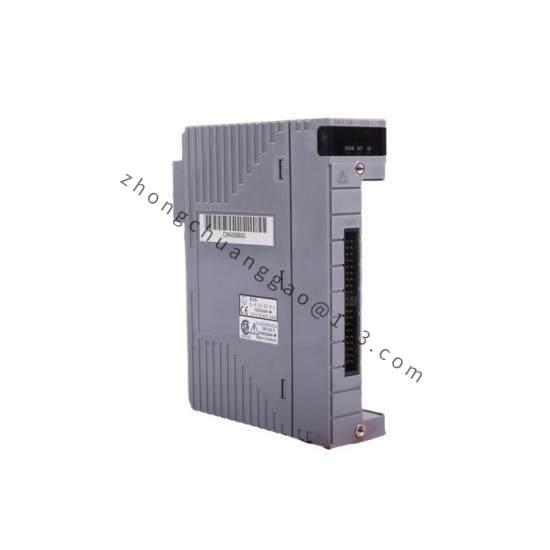
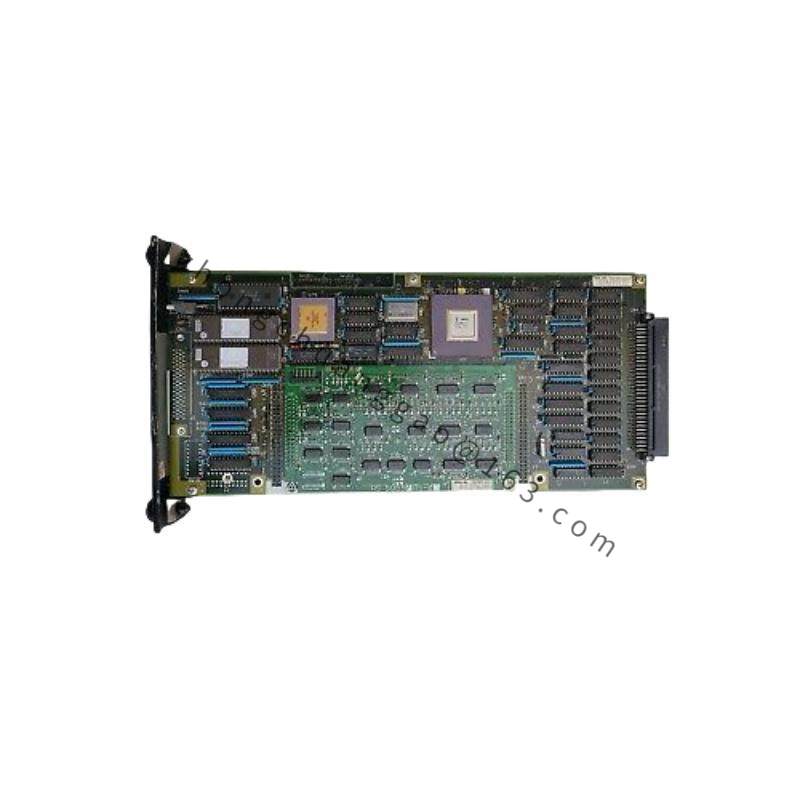
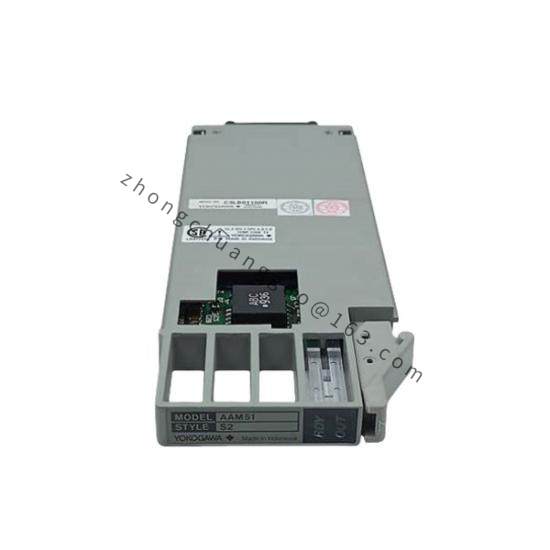
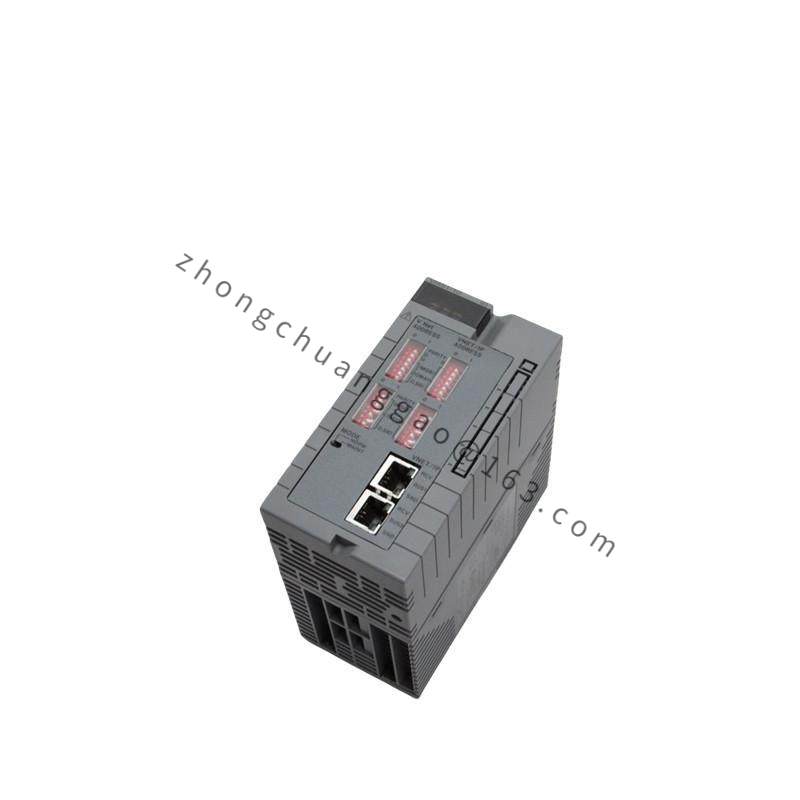
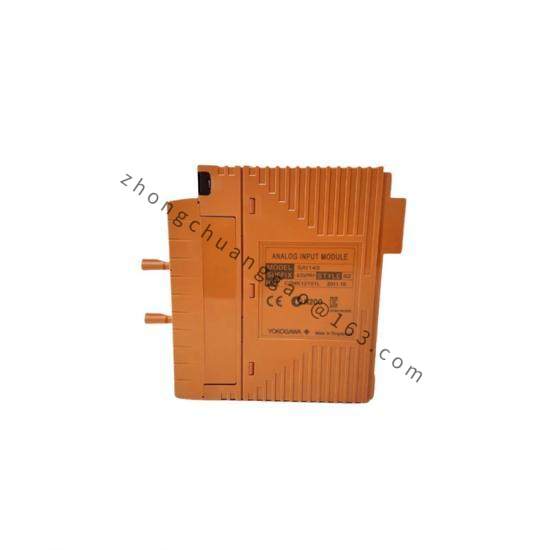
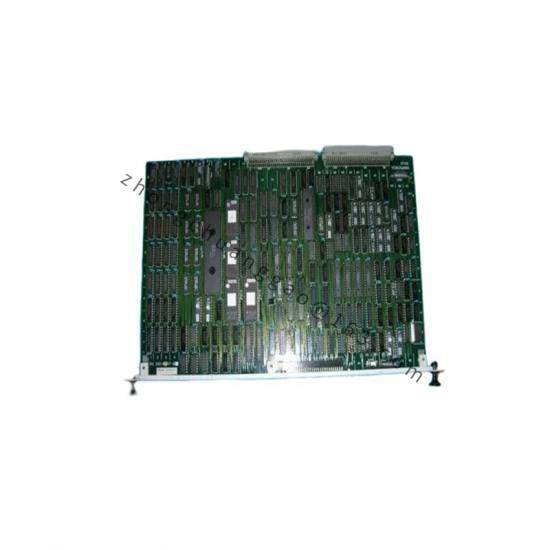
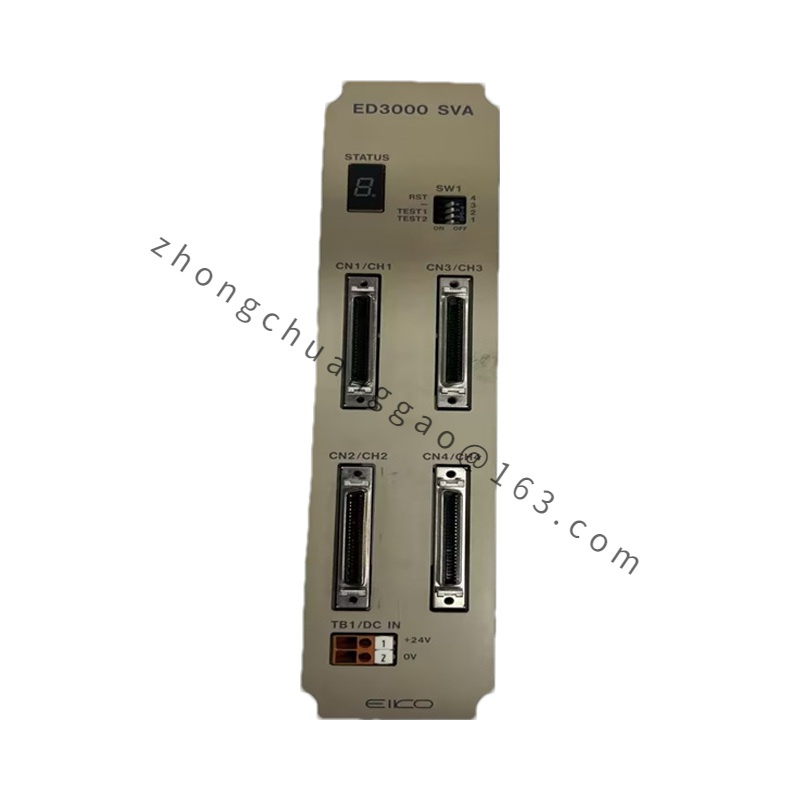
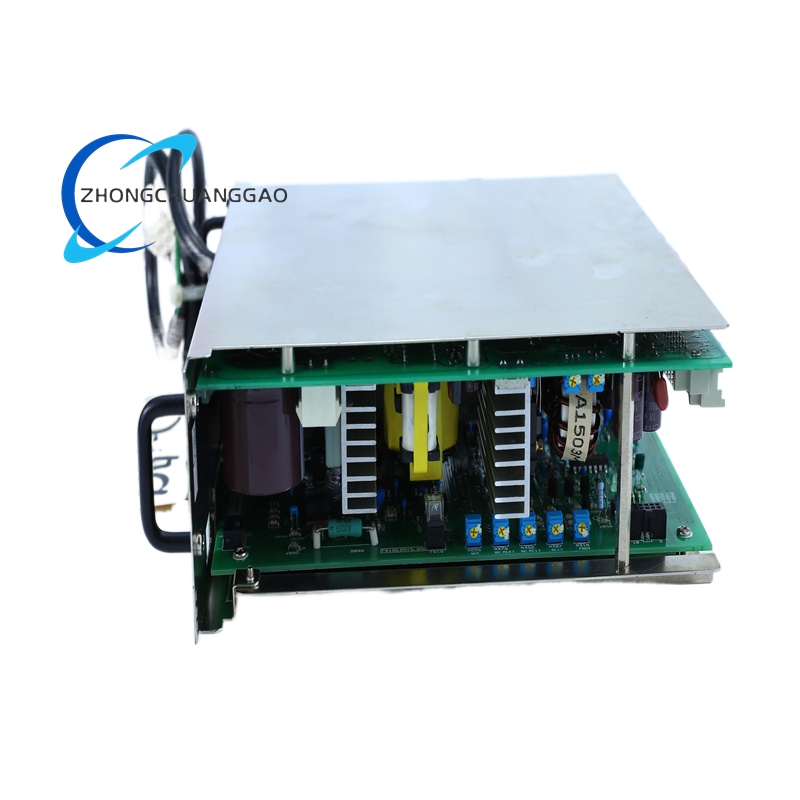
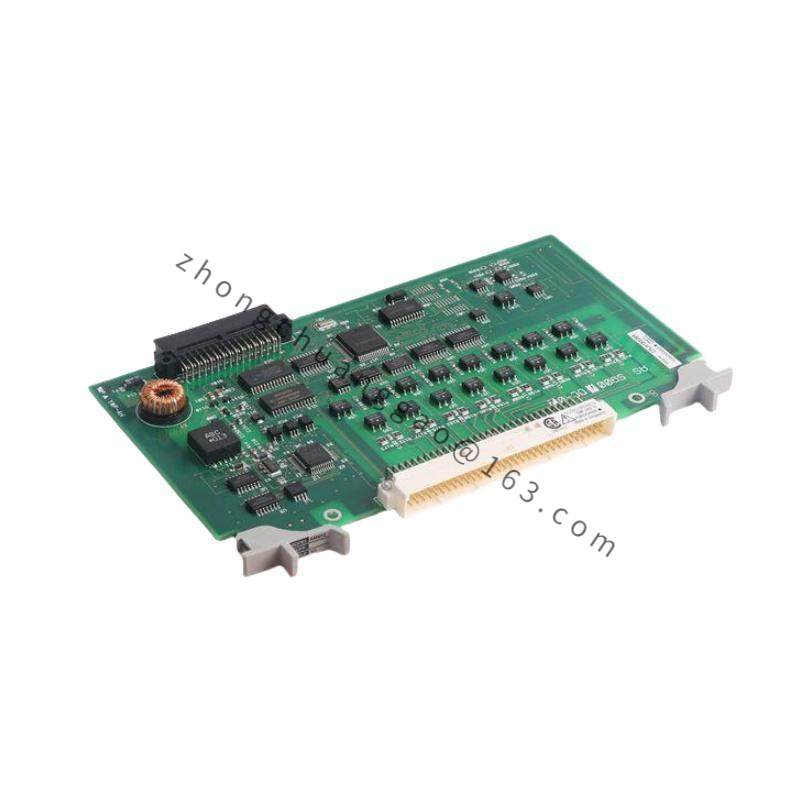
The CP333D-S1 is a dual-port Ethernet communication processor card for the CENTUM VP DCS by Yokogawa. It provides Vnet/IP and Ethernet/IP communication between the CENTUM VP controller and other systems (SCADA, HIS, MES, OPC servers). The suffix “-S1” denotes the specific firmware/configuration variant for the S1 series communication profile.

Detailed content

Model Series: CENTUM VP Series (CP300 card family)

Technical Specifications:

  • Communication Ports: 2 × 100BASE-TX Ethernet (RJ-45 connectors)
  • Protocols: Vnet/IP, Ethernet/IP, OPC DA/HDA, Modbus TCP, FTP, SNMP, SMTP
  • Communication Speed: 10/100 Mbps auto-negotiation
  • Network Redundancy: Ring redundancy and dual-homing supported
  • Processing Capacity: Up to 2000 packets/second
  • Memory: 64 MB RAM, 32 MB Flash
  • Isolation1500V AC between port and backplane
  • Power Consumption: ≤ 5.0W
  • Operating Temperature: 0°C to +55°C
  • Dimensions: Eurocard format, 160 mm × 233 mm × 20 mm
  • Weight: approximately 0.4 kg

Functional Features:

  • Vnet/IP to Ethernet/IP gateway enables integration with third-party Ethernet devices
  • OPC DA/HDA server built-in; no additional software required
  • Web server function for remote system monitoring via browser
  • Email notification (SMTP) for alarms and events
  • FTP client/server for data backup and firmware update
  • SNMP v2c/v3 support for network management systems
  • LED indicators: Power, Port 1, Port 2, Communication status

Structural Characteristics:

  • Form factor: Eurocard (IEEE 299), single-width
  • Connectors: 2 × RJ-45 (shielded, with LED indicators)
  • Status LEDs: Power (green), Port 1 Link/Activity, Port 2 Link/Activity, Error (red)

Working Principle:
The CP333D-S1 receives process data from the CENTUM VP controller via the Vnet/IP backbone through the system backplane. An embedded Ethernet processor (ARM or equivalent) handles protocol conversion: Vnet/IP packets are converted to Ethernet/IP, Modbus TCP, or OPC formats. The dual Ethernet ports provide redundant network paths; if one port fails, traffic automatically switches to the other within < 50 ms. Isolation is maintained via magnetics (transformer isolation) on each Ethernet port.

Advantages & Highlights:

  • Dual Ethernet ports provide network redundancy without additional hardware
  • Built-in OPC server eliminates need for third-party OPC software
  • Vnet/IP to Ethernet/IP gateway enables seamless integration with non-Yokogawa systems
  • Ring redundancy ensures zero-downtime network failover
  • Hot-swap capable in CENTUM VP system

Applicable Industries:
Oil & Gas, Chemical, Petrochemical, Power Generation, Pharmaceutical, Water & Wastewater, Manufacturing

Installation Requirements:

  • Install in CENTUM VP card cage (e.g., VB3201, VB4101)
  • Assign IP addresses via System View engineering software
  • Use Category 5e or higher shielded Ethernet cable
  • Connect to managed Ethernet switch for VLAN configuration
  • Verify network redundancy path in System View before commissioning

Usage Precautions:

  • Do not connect to unmanaged switches in ring topology; use managed switches with RSTP/MRP
  • Set static IP addresses for both ports; do not use DHCP in production
  • Maximum cable length: 100 m per segment (use fiber media converter for longer runs)
  • Update firmware only via Yokogawa approved procedure using System View
  • Maintain ambient temperature below +55°C in the card cage

You may also like