
Digital guide

You are here:

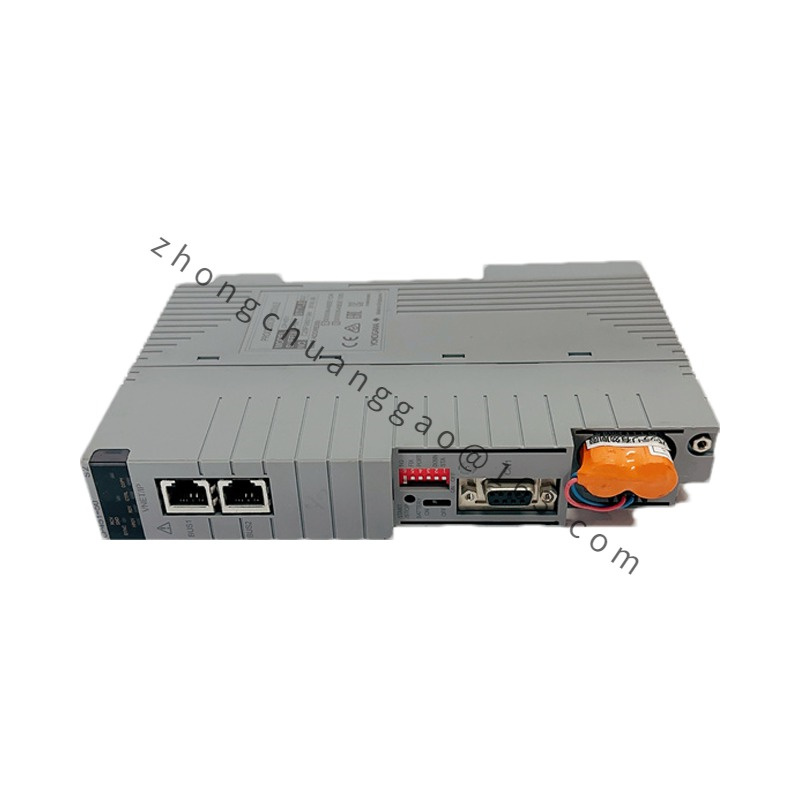
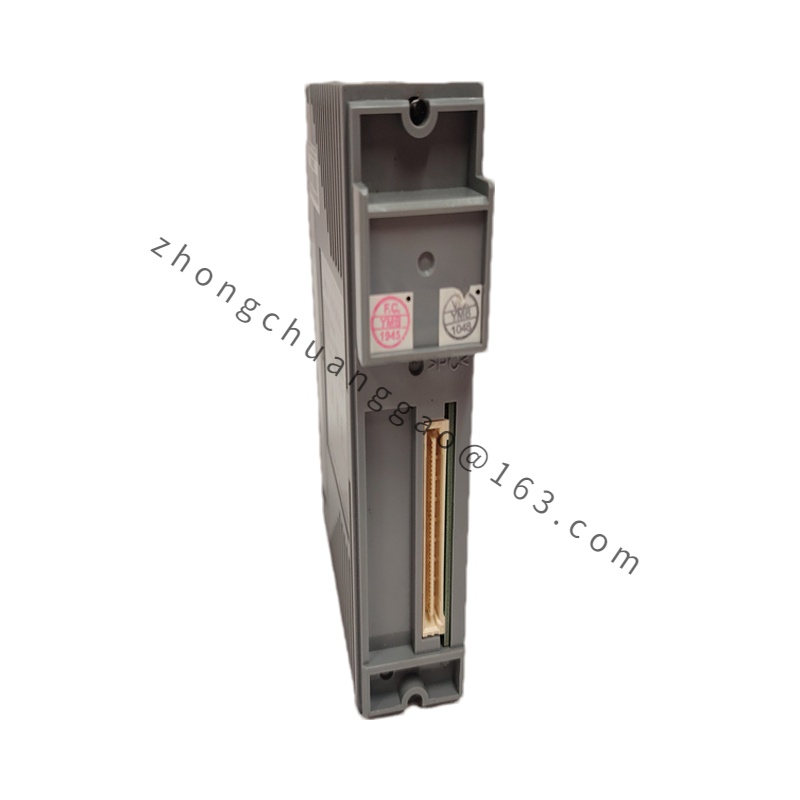
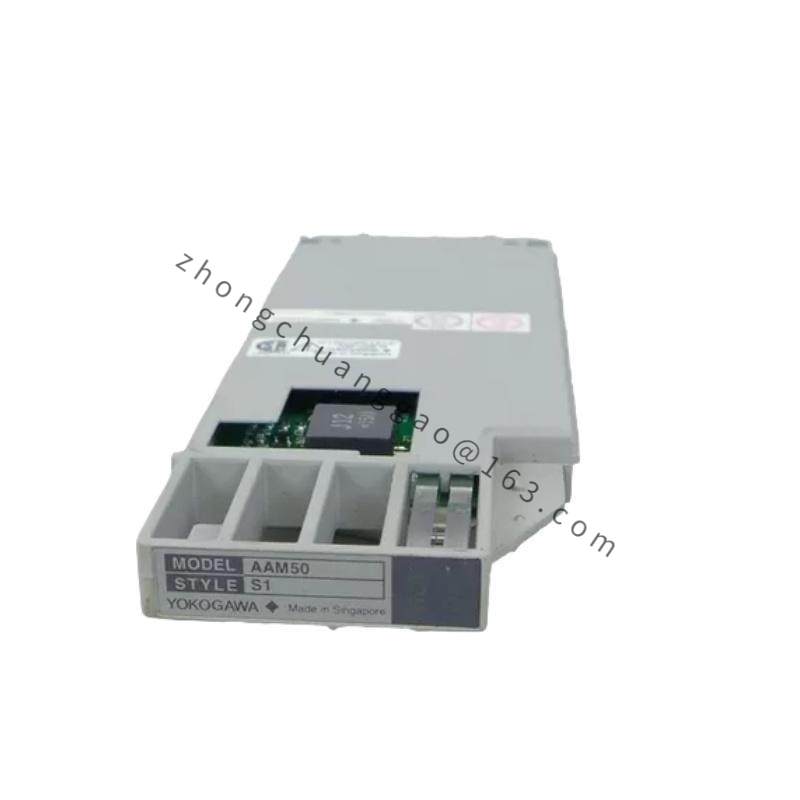
Yokogawa AXG1A-G000121J011

Product Category: Vortex Shedding Flowmeter

Product Overview:
The AXG1A-G000121J011 is a vortex flowmeter from Yokogawa’s AXG product family. The model code decodes as: AXG1A = Vortex transmitter series, G = SUS316L wetted material, 000121 = Pipe size/range code, J011 = Output/communication configuration. It measures flow of liquids, gases, and steam using the von Kármán vortex street principle.

Detailed content

Technical Specifications:

  • Measurement Principle: Vortex shedding (von Kármán vortex street)
  • Pipe Size: Determined by code 000121 (typical range: DN15 to DN300)
  • Wetted Material: SUS316L stainless steel
  • Measurement Media: Liquids, Gases, Saturated Steam, Superheated Steam
  • Accuracy (Liquid)±0.75% of reading
  • Accuracy (Gas/Steam): ±1.0% of reading
  • Turndown Ratio: 1:50 (liquid), 1:30 (gas), 1:20 (steam)
  • Output Signals4–20 mA DC (HART 7), Pulse output, RS-485 (HART)
  • Operating Temperature-40°C to +250°C (depending on configuration)
  • Process Pressure: Up to 4.0 MPa (40 bar) (flanged); up to 16.0 MPa (wafer type dependent)
  • Protection Rating: IP67 (transmitter), IP65 (terminal box)
  • Power Supply: 24 VDC / 3.6 V lithium battery (up to 8 years life)
  • CommunicationHART 7 protocol
  • DisplayNone on transmitter (configured via HART communicator or Yokogawa field tools)

Functional Features:

  • HART 7 communication for remote configuration and diagnostics
  • Built-in temperature and pressure compensation (for steam measurement)
  • Self-diagnostics — sensor blockage detection, signal quality monitoring
  • Low flow cutoff — eliminates noise at low flow rates
  • Dual-parameter output — simultaneous flow rate and total flow
  • Non-intrusive sensing — no moving parts in contact with fluid
  • Battery-powered option — 3.6 V lithium battery, 8-year life

Material Composition:

  • Sensor BodySUS316L stainless steel (cast and machined)
  • Shedder BarSUS316L stainless steel
  • Piezoelectric SensorLead zirconate titanate (PZT) ceramic element
  • Transmitter HousingAluminum alloy with epoxy coating (IP67)
  • Electronics EnclosurePPS (polyphenylene sulfide) resin
  • Cable GlandSUS316L stainless steel, PG13.5

Structural Characteristics:

  • Connection TypeWafer type (ANSI 150/300/600 lb flanges) or Flanged (DIN/JIS)
  • Face-to-Face Dimension: Per applicable standard (ANSI/DIN/JIS)
  • Transmitter Dimensions: Approximately 160 mm × 80 mm × 120 mm
  • Weight: Approximately 2.5 kg (with flanges, DN50)

Working Principle:
bluff body (shedder bar) is placed in the flow stream. As fluid passes the bar, alternating vortices are shed downstream at a frequency proportional to flow velocity. The piezoelectric sensor detects the pressure oscillations caused by these vortices. The transmitter’s microprocessor converts the vortex frequency (f) to volumetric flow rate (Q) using the formula: Q = f / K, where K is the K-factor determined by shedder bar geometry and pipe diameter.

Key Advantages:

  • No moving parts — extremely high reliability and long service life
  • Wide turndown ratio of 1:50 — covers broad flow range with single meter
  • HART 7 communication — full remote diagnostics without shutdown
  • SUS316L wetted parts — excellent corrosion resistance
  • Multi-media capability — liquid, gas, and steam in one meter design
  • 8-year battery life — eliminates wiring for remote locations

Applicable Industries:

  • Steam flow measurement (boiler, district heating)
  • Chemical & Petrochemical plants
  • Oil & Gas (upstream/downstream)
  • Power Generation (cooling water, feedwater, steam)
  • Pulp & Paper
  • Pharmaceutical

Installation Requirements:

  • Upstream straight pipe: Minimum 15D (D = pipe diameter)
  • Downstream straight pipe: Minimum 5D
  • Do not install near pumps, valves, or elbows without adequate straight runs
  • Flange bolts must be torqued to specification per applicable standard
  • Ensure proper grounding of transmitter to prevent EMI
  • For steam service, install condensate pot upstream

Usage Precautions:

  • Minimum Reynolds number must exceed 10,000 for accurate measurement
  • Do not use for dirty or abrasive fluids without appropriate filtering
  • For steam measurement, always use temperature/pressure compensation
  • Do not exceed maximum process pressure rating of the selected flange class
  • Verify K-factor matches actual pipe size and shedder bar

You may also like