Technical Specifications – V-net Router Configuration
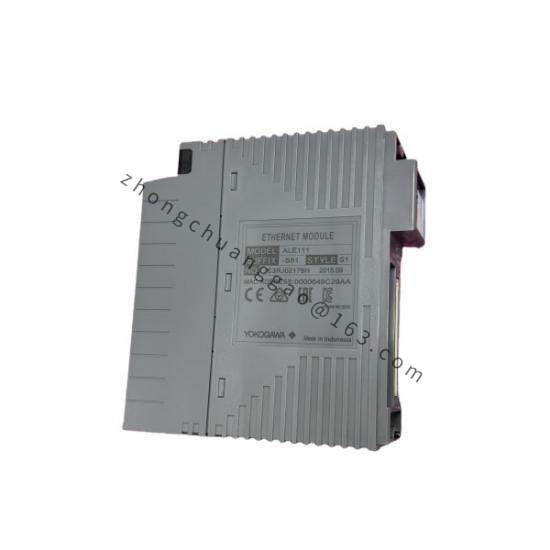
- Manufacturer: Yokogawa Electric Corporation
- Model role: duplex V-net router
- Vnet/IP side: UTP Cat5e or better, RJ45, 100 Mbps full duplex
- V-net side: BNC T-connection, 10 Mbps
- VL-net side: BNC T-connection, 10 Mbps
- Power options by order suffix: 100–120 VAC 50/60 Hz, 220–240 VAC 50/60 Hz, or 24 VDC
- Power consumption: 100–120 VAC 80 VA; 220–240 VAC 110 VA; 24 VDC 1.7 A
- Redundancy: dual communication modules, dual power modules
- Installation: 19-inch rack, 4 x M5 screws, insulating bushings
- Dimensions: approximately 482.6 x 132.5 x 169 mm
- Weight: approximately 5.8 kg
- Suffix interpretation in listing: Q2 duplex V-net, 2 dual power, 0 base, 2 220–240 VAC
Technical Specifications – Excitation AVR Alternative
If used as digital automatic voltage regulator, documented AVR10D excitation data includes 100–240 VAC auxiliary supply, PT voltage feedback, thyristor firing output, adaptive PID with PSS, RS485/Ethernet/hardwired I/O options, step response below 20 ms, over/under excitation limit, V/Hz limit, PT-loss detection, IP20 cabinet mounting and 19-inch/excitation-panel mounting.
Functional Features – V-net Router
Automatic redundancy switchover, modular communication/power replacement, integrated Vnet/IP to legacy V-net/VL-net bridging, CENTUM VP/CS3000/CS/CS1000 interconnection.
Functional Features – Excitation AVR
Generator terminal voltage regulation, PSS damping, limiter protection, thyristor exciter firing control, communication-based setpoint and monitoring.
Application Scenarios – V-net Router
CENTUM system migration, combined legacy and modern DCS networks, redundant process control communication, multi-domain Vnet/IP and V-net integration.
Application Scenarios – Excitation AVR
Synchronous generator voltage control, power-plant excitation systems, grid stability support, turbine-generator AVR replacement.
Material Composition
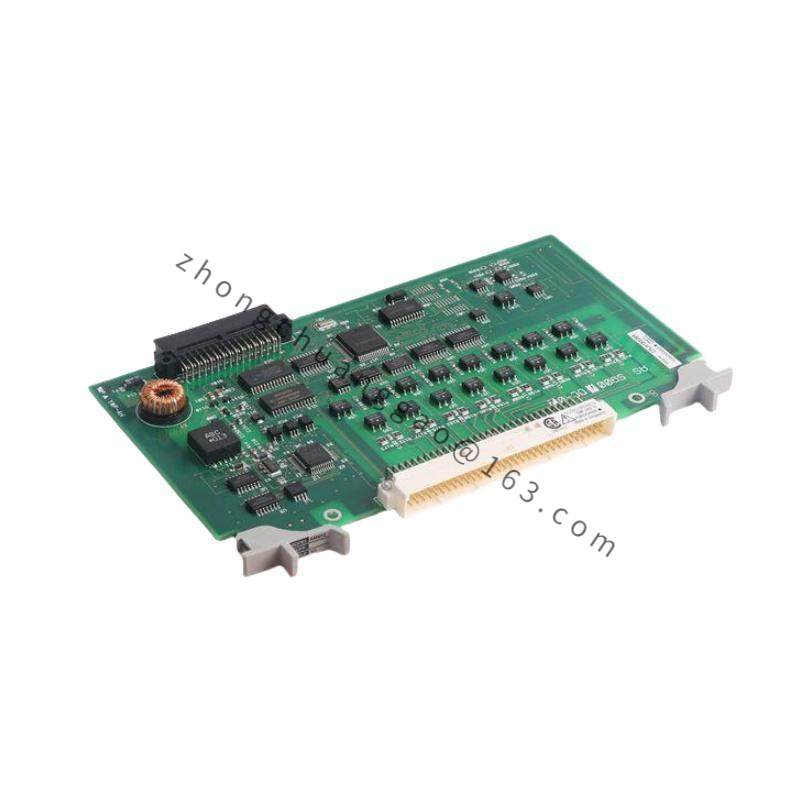
Router: steel/metal 19-inch chassis, PCB communication modules, redundant power modules, BNC/RJ45 connectors.
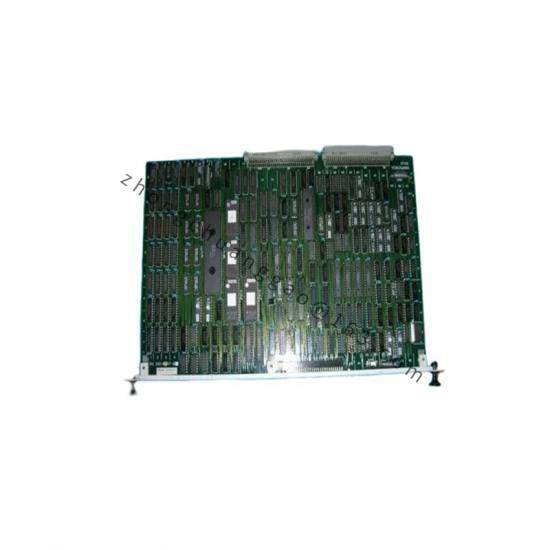
AVR: control PCB, power interface, thyristor firing isolation, metal cabinet/components.
Structural Characteristics
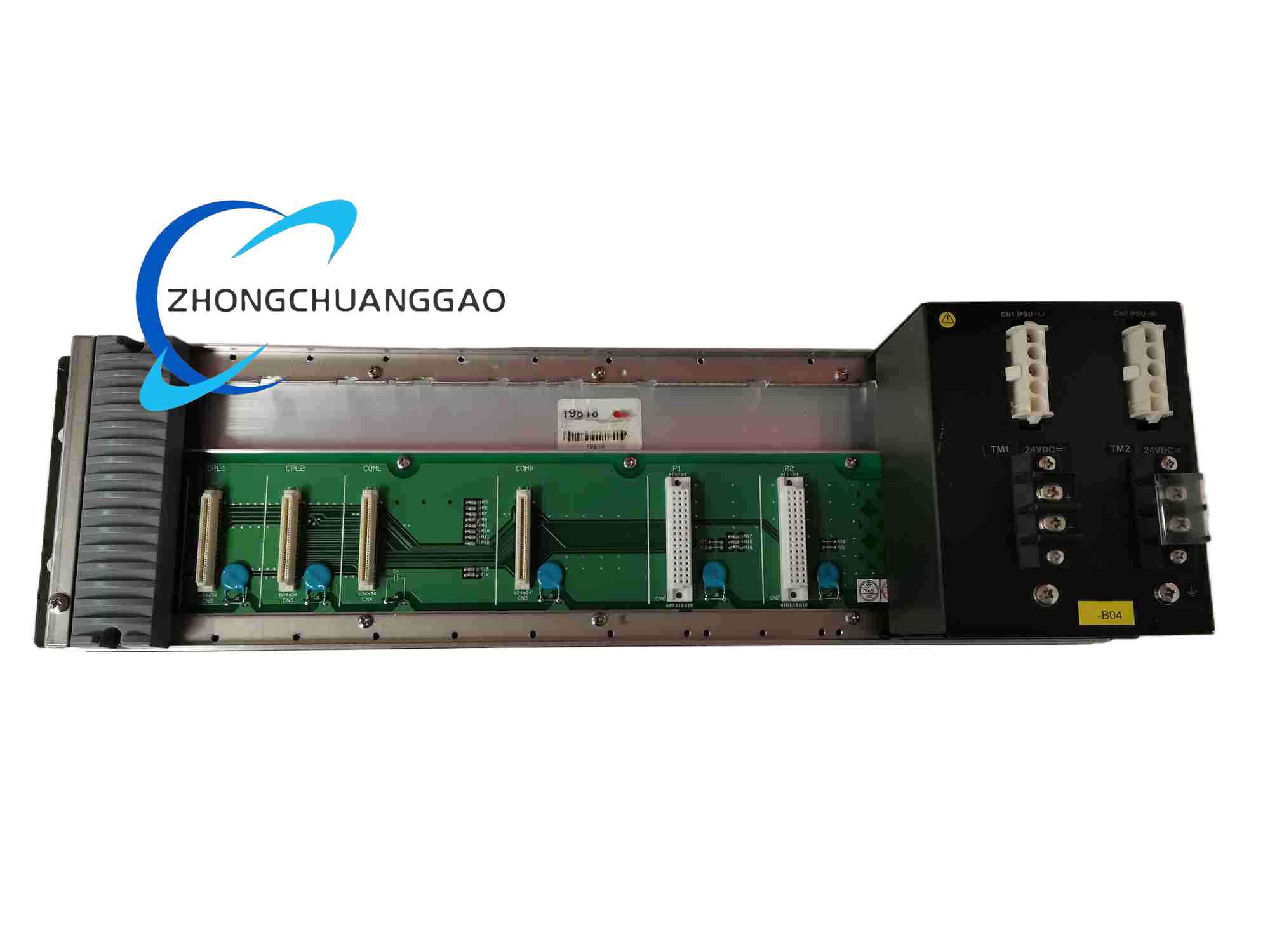
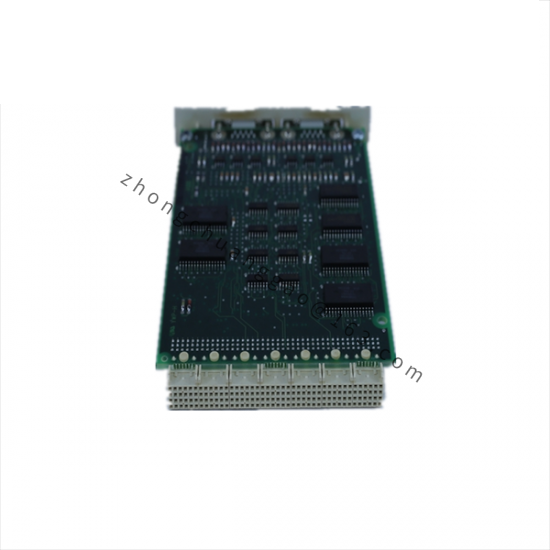
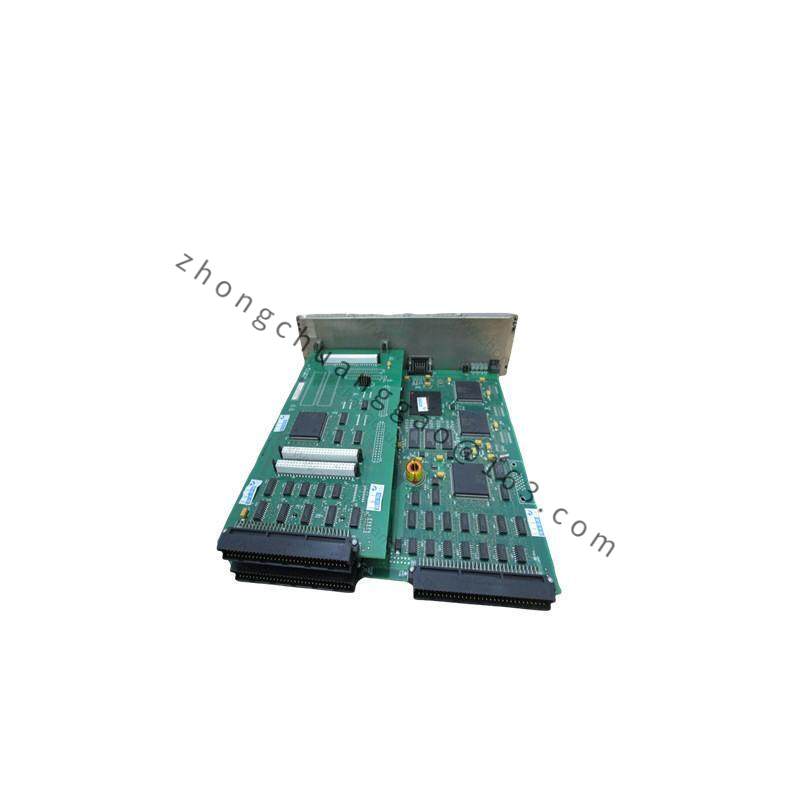
Router: 19-inch rack box with dual module bays, front status LEDs, rear BNC/RJ45 and power terminals.
AVR: rack/panel controller with analog I/O, communication ports and protection relays.
Working Principle – V-net Router
Receives Ethernet packets on Vnet/IP RJ45, maps CENTUM network traffic to V-net/VL-net BNC segments, maintains redundant communication paths and switches to standby module/power without process interruption.
Working Principle – Excitation AVR
Samples generator PT voltage, compares with setpoint, computes error through PID/PSS, generates thyristor firing signals to control field excitation, and applies over/under excitation, V/Hz and PT-fault protection.
Installation Requirements – V-net Router
Install in 19-inch rack with proper depth and grounding. Connect Cat5e/6 UTP for Vnet/IP and 93-ohm BNC coax for V-net/VL-net with correct terminators. Configure redundant power according to site AC/DC order code. Verify network addresses with CENTUM engineering tools.
Installation Requirements – Excitation AVR
Mount in excitation cubicle with ventilation. Connect PT feedback, auxiliary power and thyristor firing outputs per Yokogawa excitation drawings. Earth shielding separately for measurement and power circuits. Perform static checkout before generator synchronization.
Usage Precautions – V-net Router
Confirm order suffix for power voltage before energizing. Use only compatible Vnet/IP/V-net/VL-net cables. Do not operate with missing terminators. Replace redundant modules only per Yokogawa procedure.