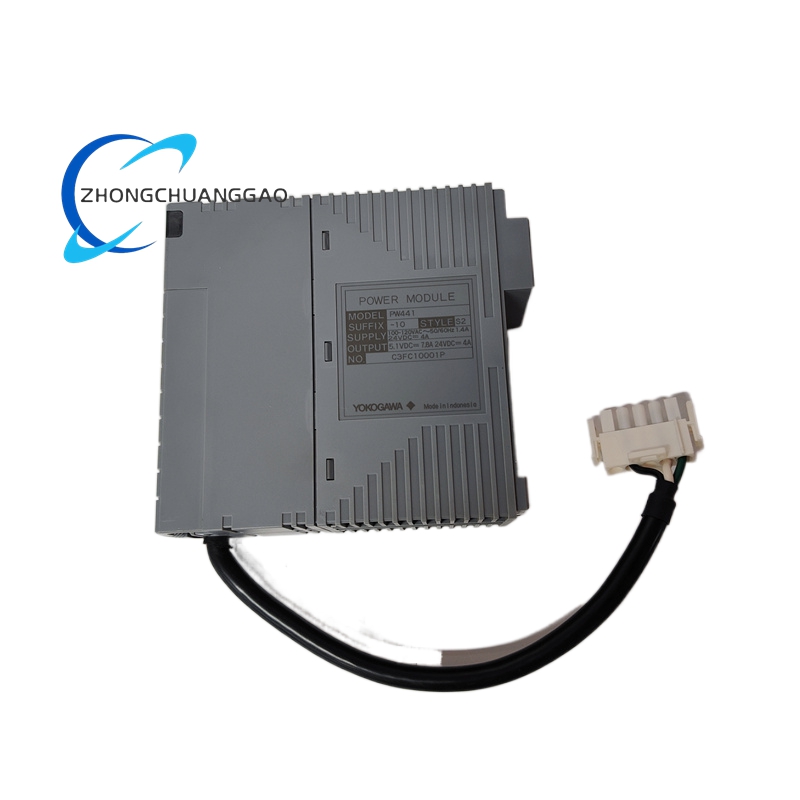
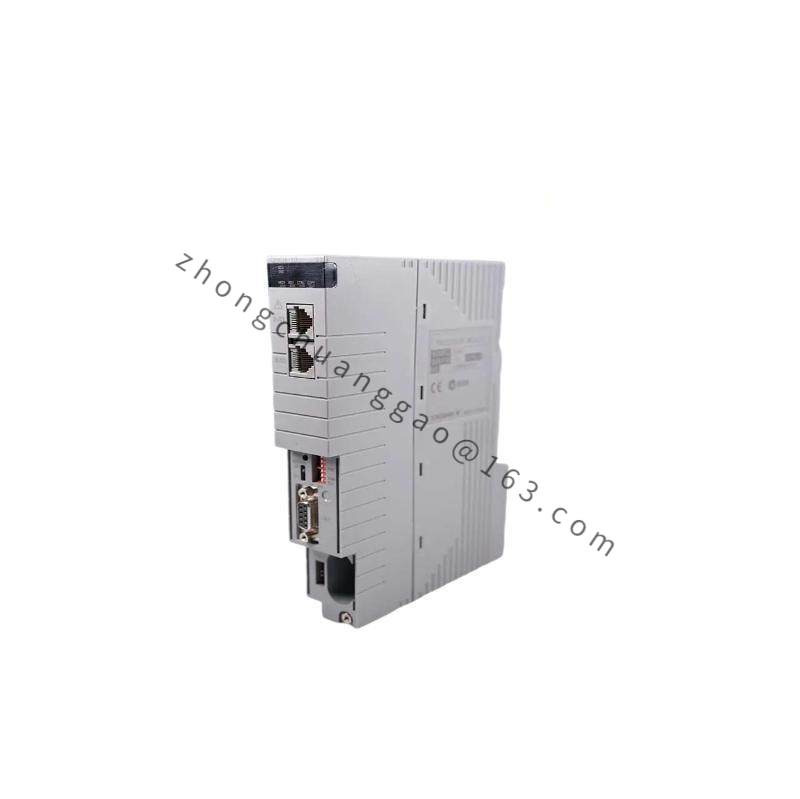
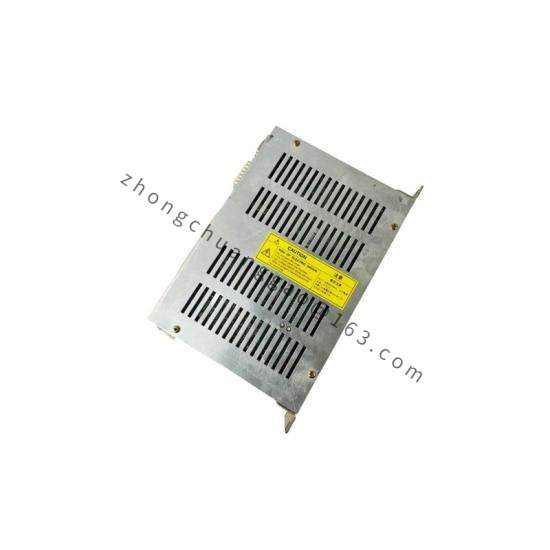
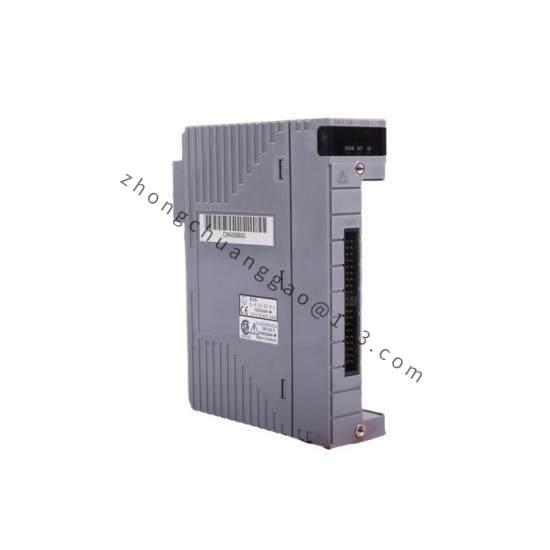
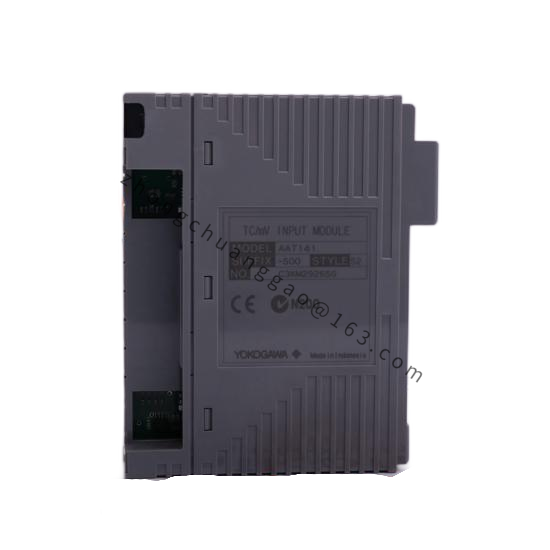
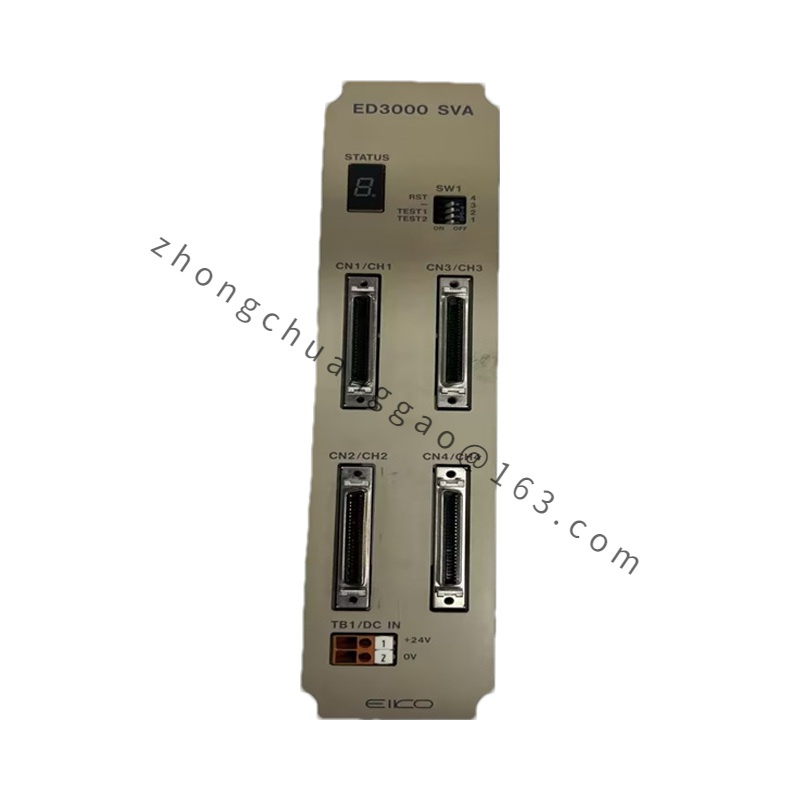
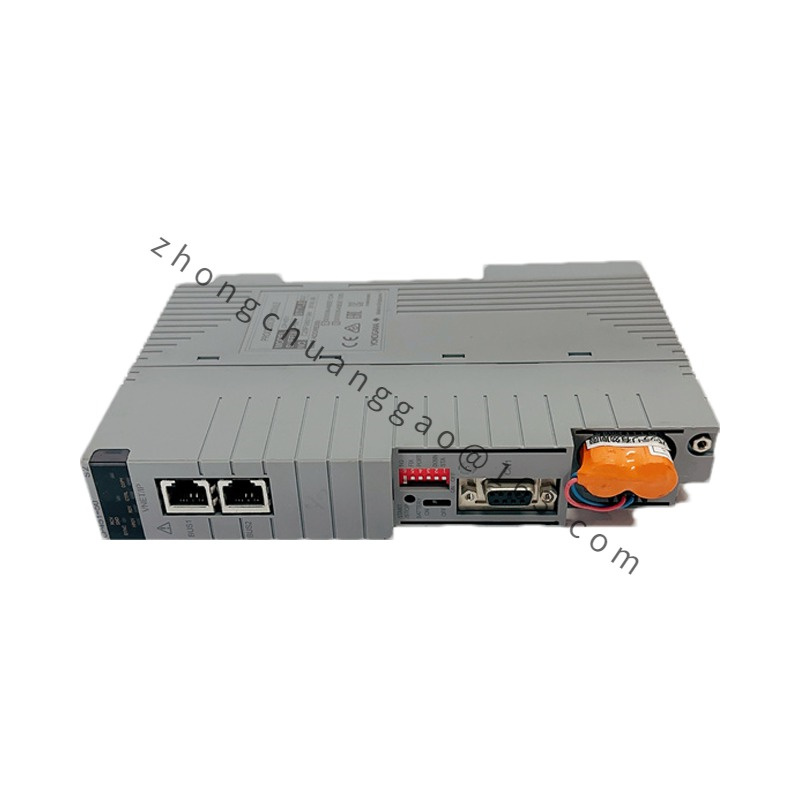
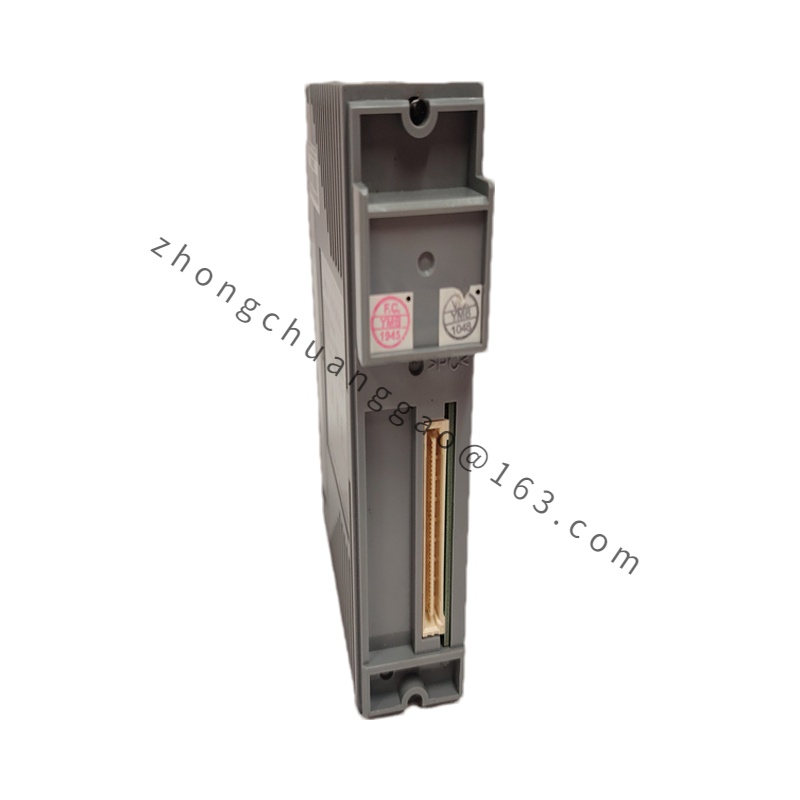
Mounting Options: DIN rail, panel or 19 – inch rack mounting.
Weight: Approx. 0.25 kg.
Function Features
Long – distance Transmission: By using optical fiber communication, it can extend the ESB bus transmission distance to 5 km, which is suitable for remote installation of field devices in large – scale industrial sites.
High – speed and Reliable Communication: It ensures fast and stable data transmission between the field control unit and the I/O modules, and meets the real – time requirements of industrial process control.
Flexible Network Configuration: It supports chain and star network topologies, which can meet the diverse layout needs of different industrial sites and facilitate system expansion and reconstruction.
Strong Environmental Adaptability: It can work normally in a wide temperature range and harsh industrial environment, and has strong anti – electromagnetic interference ability.
Dual Redundancy Support: It is suitable for dual redundant ESB bus systems, which improves the reliability and fault – tolerance of the entire control system.
Application Scenarios
Large – scale Petrochemical Plants: It is used to connect the field control unit and the remote I/O modules in the large – scale petrochemical production base, ensuring the stable transmission of data in the large – span production area.
Power Plants: It can be applied to the communication between the control room and the on – site equipment in thermal power plants, nuclear power plants and other power generation facilities, especially in the occasions with long transmission distance and high anti – interference requirements.
Chemical Industry Parks: It is suitable for the interconnection of various production equipment and control systems in the chemical industry park, realizing the centralized monitoring and control of the whole park’s production process.
Long – distance Pipeline Monitoring: It can be used in the monitoring system of long – distance oil and gas pipelines to transmit the data of the on – site monitoring equipment to the central control room in real time, ensuring the safe operation of the pipeline.