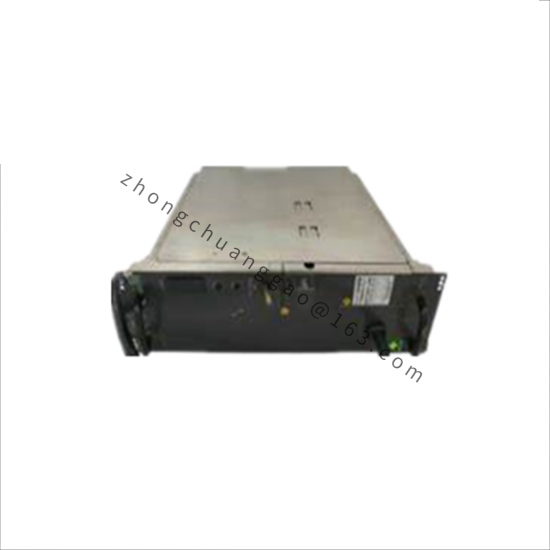
Product Series: CENTUM VP DCS System Interface Modules
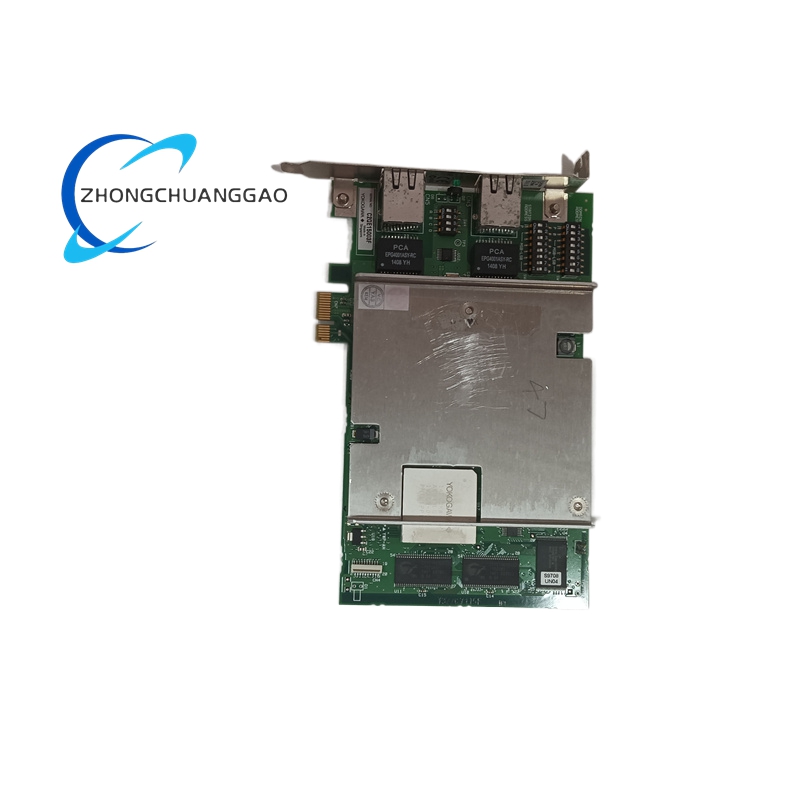
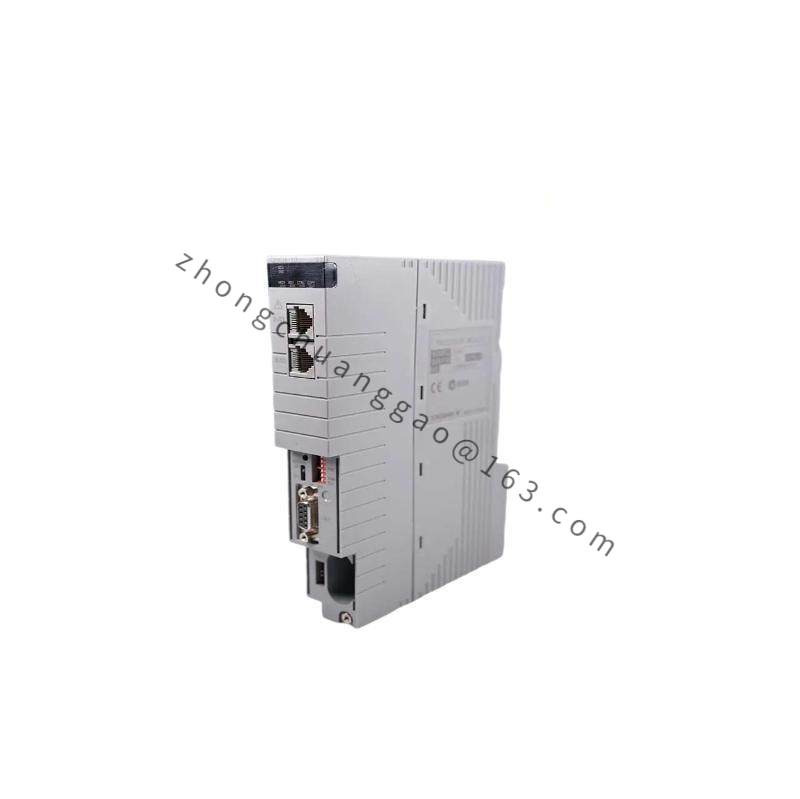
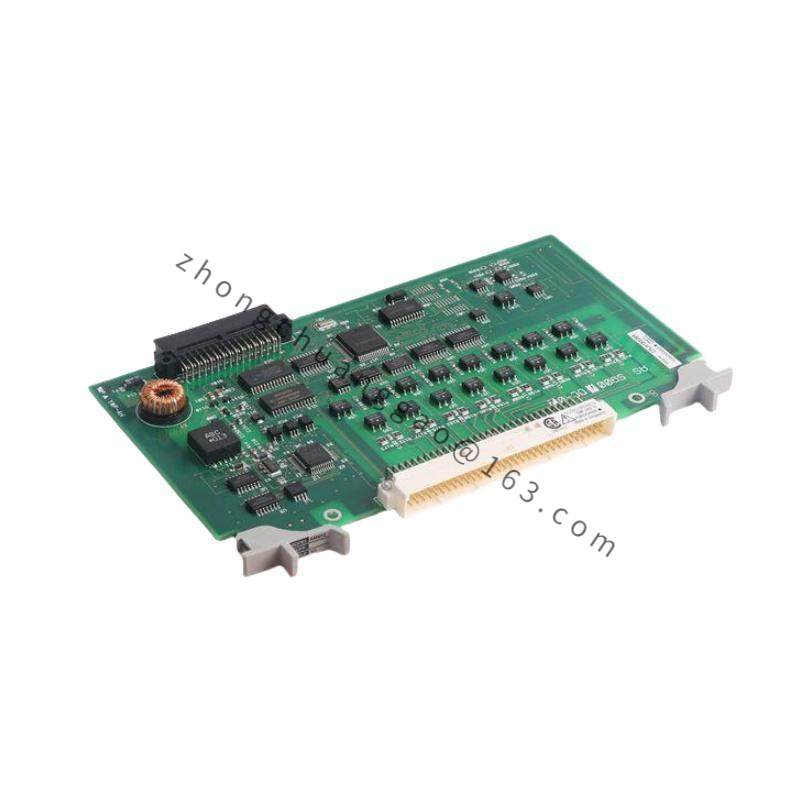
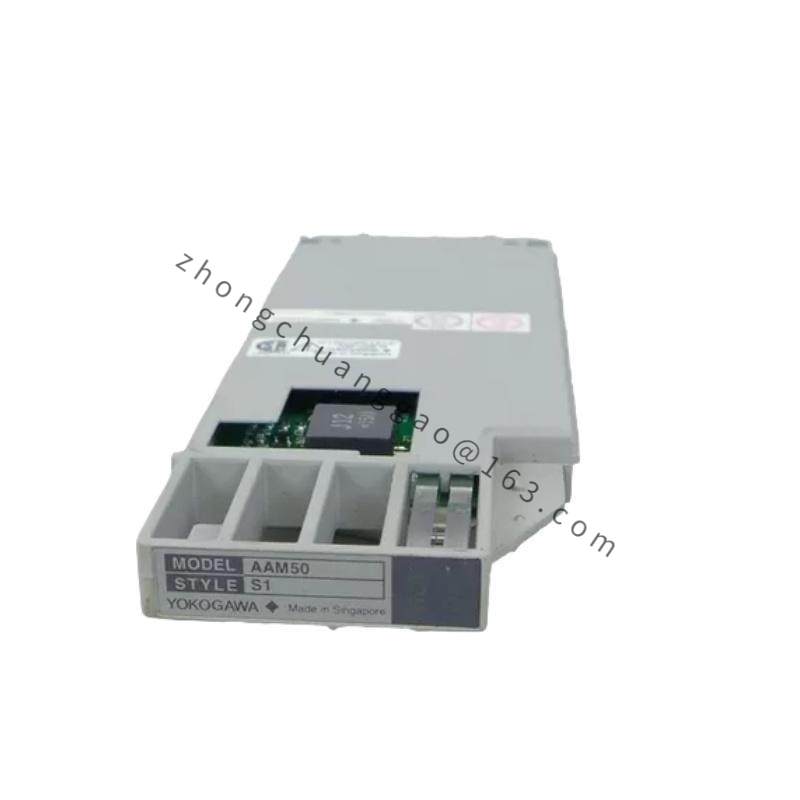
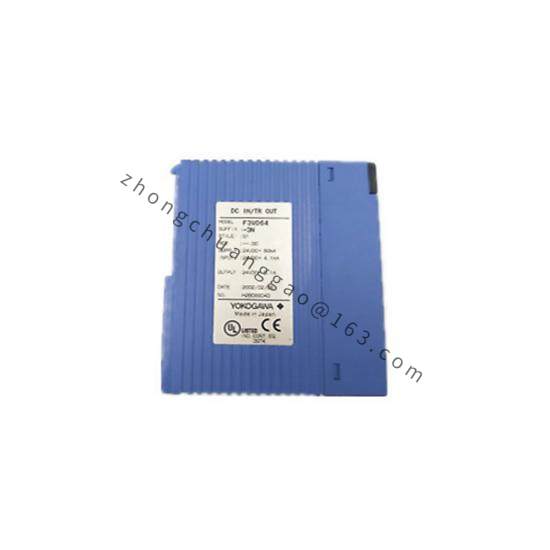
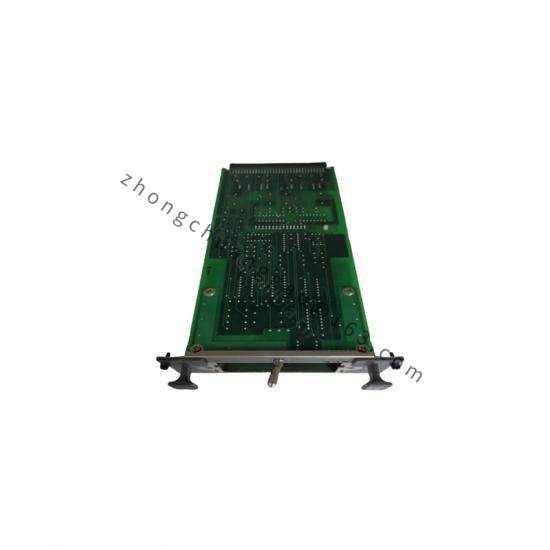
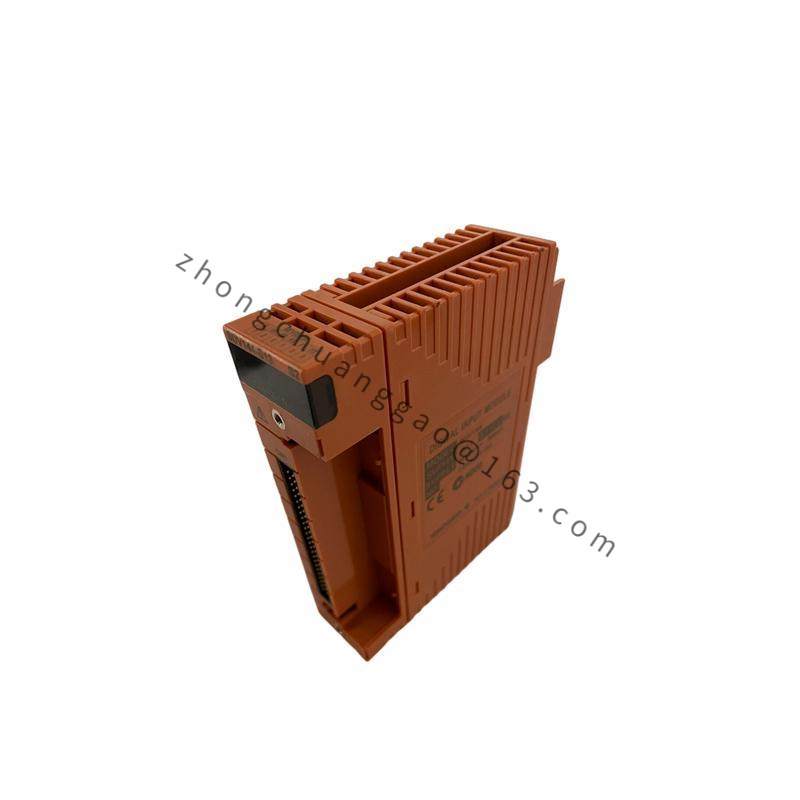
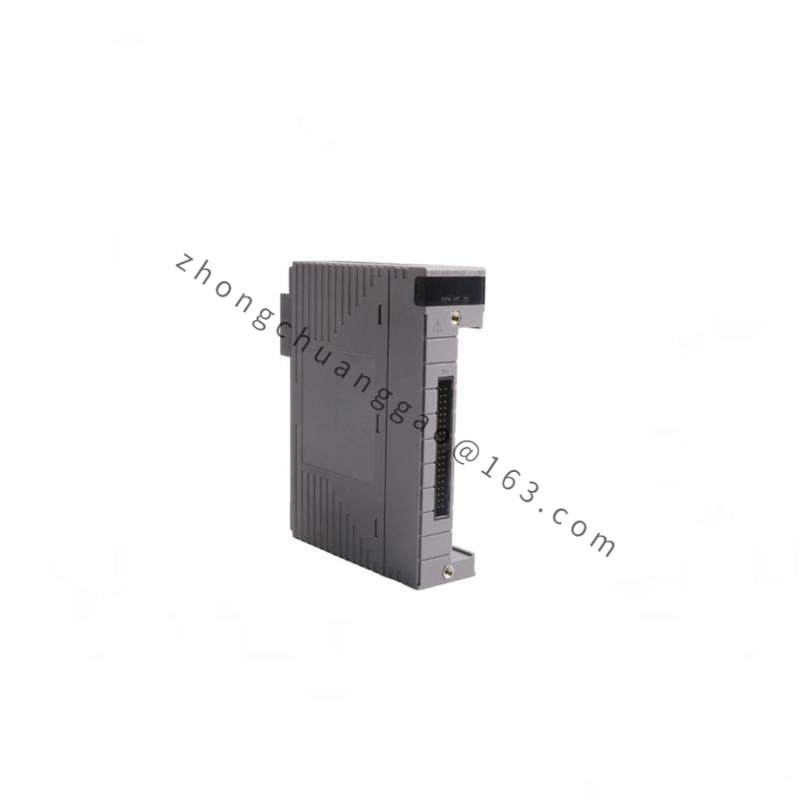
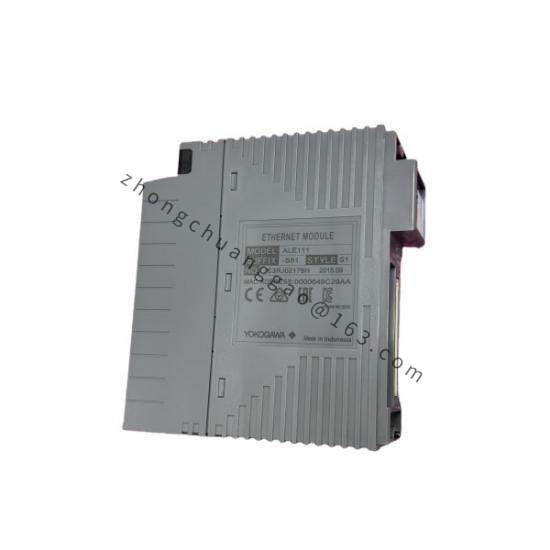
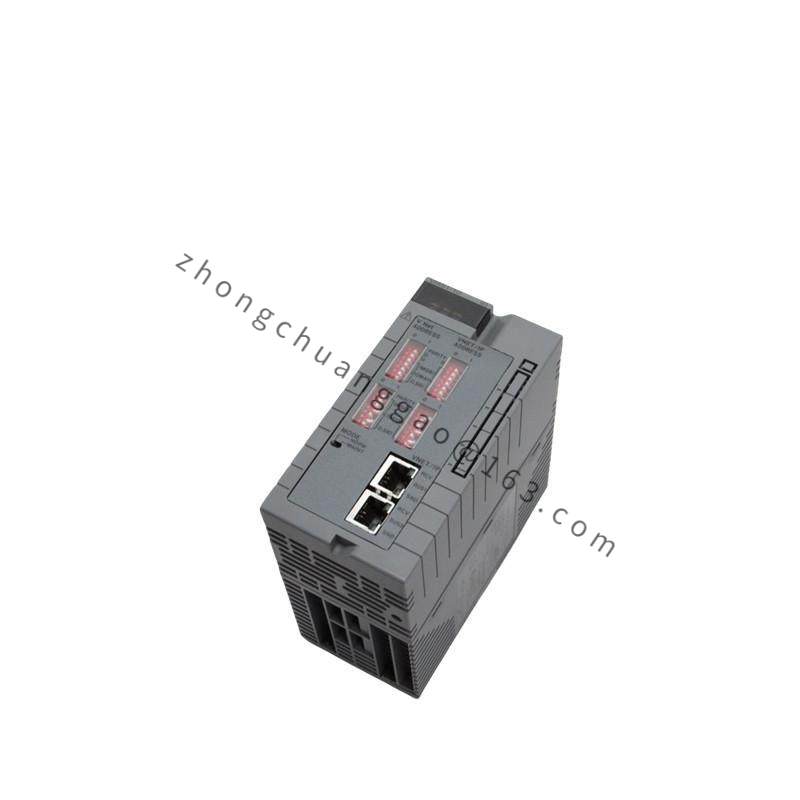
Product Brief Introduction: Essential V‑Net bus coupler module for Yokogawa CENTUM VP distributed control system, responsible for communication coupling between control stations and V‑Net industrial control bus network.
Technical Specifications: Communication protocol: Yokogawa proprietary V‑Net protocol; transmission rate 10 Mbps; dual‑redundant communication channels; operating power 5 VDC supplied by backplane bus.
Functional Features: Redundant communication switching; bus signal isolation; data transmission error correction; network node management; fault diagnosis and status feedback.
Performance Parameters: Communication delay ≤0.5 ms; hot‑swap capable; MTBF ≥500,000 hours; electromagnetic compatibility compliant with IEC 61000‑6‑2.
Structural Characteristics: Rack‑mount modular structure for CENTUM VP control station cabinet; front panel with LED status indicators; internal galvanic isolation circuit for bus signal protection.
Working Principle: Realizes high‑speed bidirectional data exchange between on‑site control modules and upper monitoring system via V‑Net bus; performs signal isolation and redundant backup to ensure continuous DCS system operation.
Advantage Highlights: Redundant design for high system reliability; hot‑swap maintenance without system shutdown; high anti‑interference capability; seamless integration with CENTUM VP DCS architecture.
Applicable Industries: Large‑scale petrochemical plants, thermal power stations, nuclear power auxiliary systems, metallurgical industry, pharmaceutical continuous production lines.
Installation Requirements: Install in dedicated CENTUM VP control station rack; ambient operating temperature 0 °C to 60 °C; maintain dust‑free cabinet environment; proper grounding of control cabinet.
Usage Precautions: Strictly use Yokogawa original V‑Net communication cables; avoid electromagnetic interference near bus lines; regular check of LED status indicators for module health.