Technical Specifications
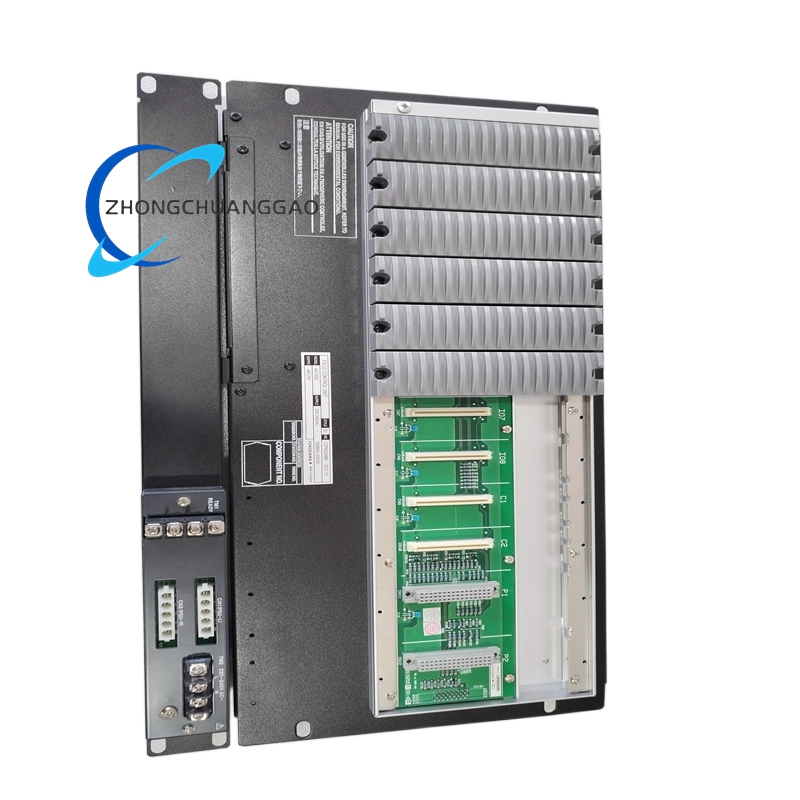
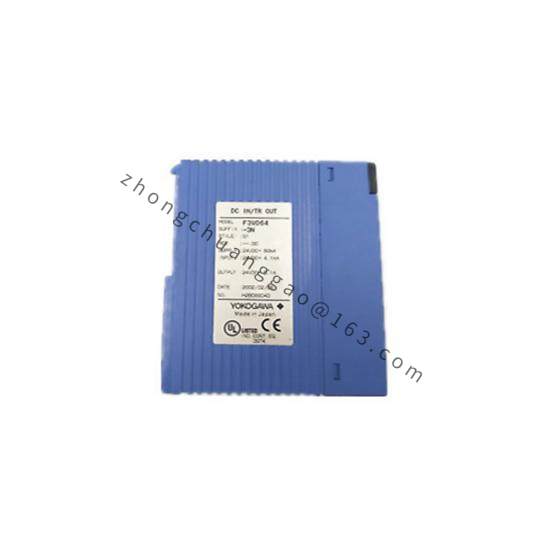
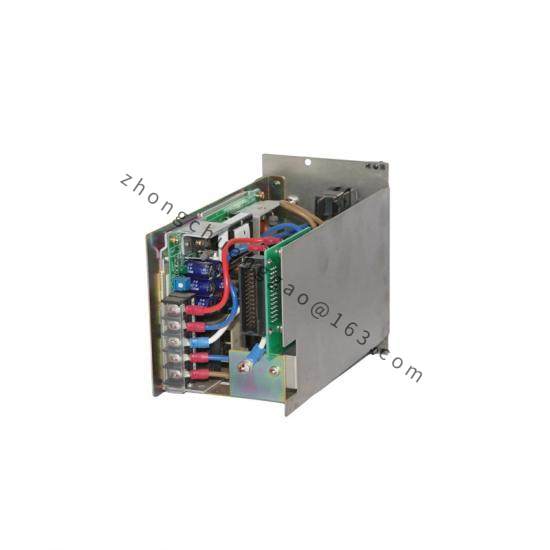
Processor VR5432 at 133 MHz. Main memory 32 Mbyte with battery backup. Memory backup duration up to 72 hours after power loss. Battery recharge time minimum 48 hours. Vnet/IP communication dual-redundant. Maximum 14 node units per control unit, including a maximum of 9 ESB bus node units. With LFS1500, 3 nodes are supported natively and expansion to 14 is available using LFS1550 and licensing. Local I/O module capacity maximum 8 modules. Power options 100–120 V AC 50/60 Hz at 200 VA, 220–240 V AC 50/60 Hz at 230 VA, or 24 V DC at 5.5 A. FCU status contact form NC/C, rating 30 V DC maximum and 0.3 A maximum. 19-inch rack-mount construction. Approximate weight 8 kg. Dual processor modules CP451, dual power modules PW481/PW482/PW484, ESB coupler EC401 in slots 7 and 8 for redundant ESB, ER interface EB401 for ER bus.
Functional Features
Full processor and power redundancy. Vnet/IP dual-network communication. ESB and ER node-unit expansion. FCU health contact for external alarm. Node-unit licensing through option codes.
Application Scenarios
Large distributed control systems in refineries, petrochemical plants, power stations, pharmaceuticals, water treatment and other continuous-process facilities requiring redundant I/O and high availability.
Performance Parameters
133 MHz processor, 32 Mbyte control memory, 14-node maximum I/O expansion, dual Vnet/IP ports, 72-hour memory backup.
Material Composition
19-inch metal rack chassis. Industrial control printed circuit boards. M5 rack-mount hardware, M4 screw terminals for power, ground and status contact.
Structural Characteristics
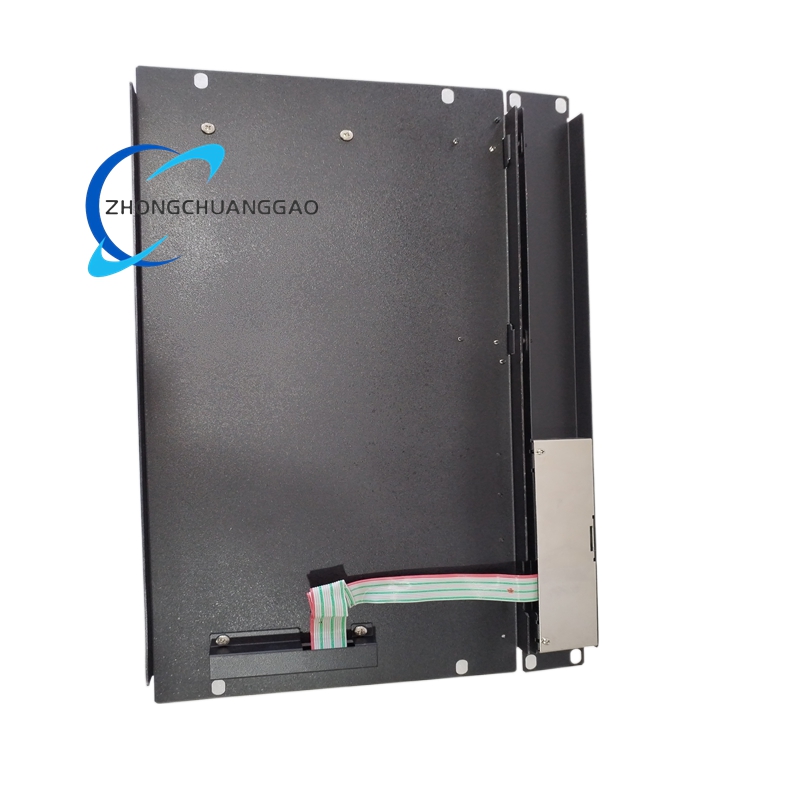
Rack-mount field control unit with separate processor, power, ESB coupler and ER interface slots. Redundant modules mounted side by side. Rear backplane for node-unit and I/O communication.
Working Principle
The control processor runs control logic and communication tasks. Vnet/IP carries controller and supervisor traffic. ESB or ER couplers transfer I/O data between the control unit and field node units. Status contacts report processor or system faults to external monitoring.
Installation Requirements
Mount in a 19-inch rack using eight M5 screws. Connect Vnet/IP using Cat5e or better UTP cables to Layer 2 switches. Connect power, ground and status contacts with M4 terminals. Install EC401 in slots 7 and 8 for redundant ESB or EB401 for ER. Apply node-expansion licenses where required.
Usage Precautions
Use matched redundant processors, power modules and network cables. Replace backup batteries before the 72-hour support window is compromised. Do not mix single and redundant ESB configurations without following slot rules. Maintain separate signal grounding and ESD protection during module insertion.