
Product Overview:
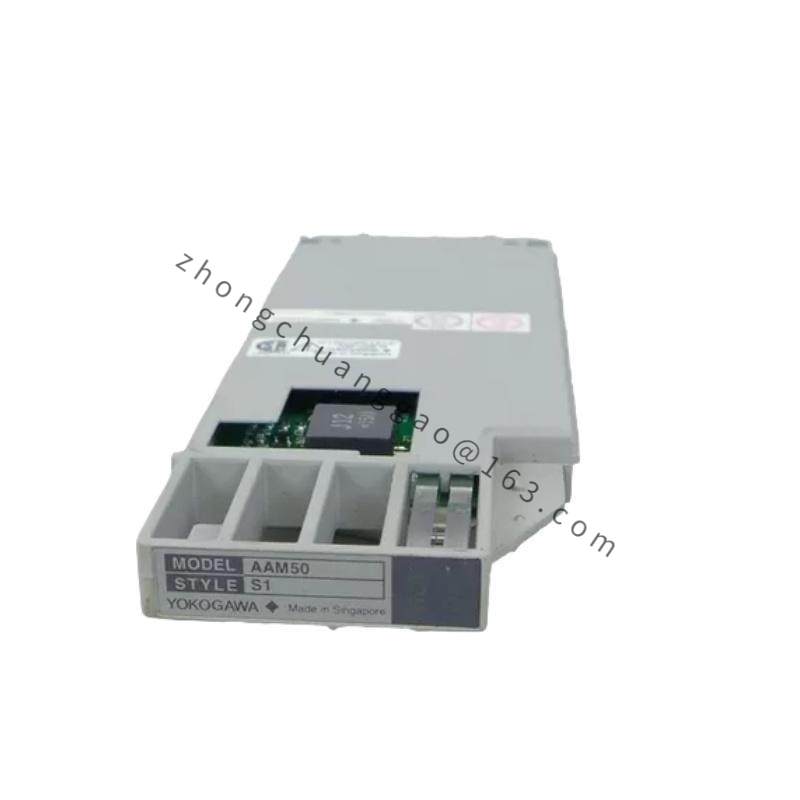
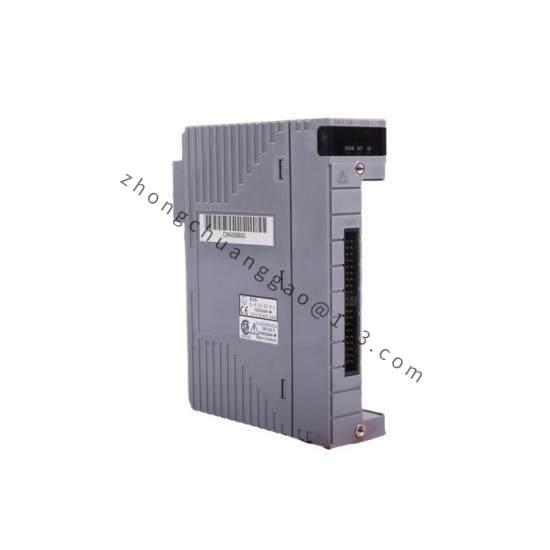
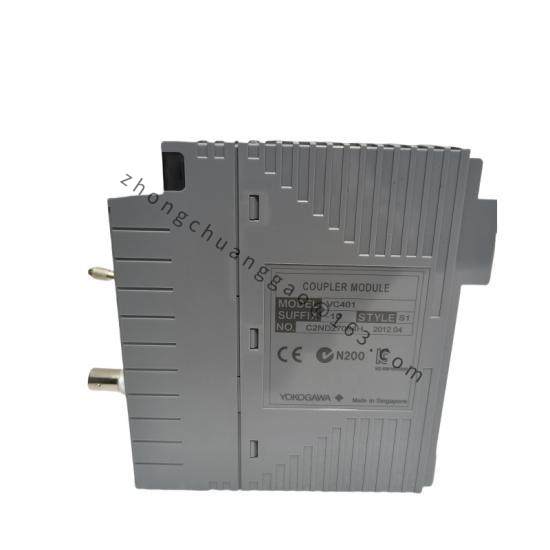
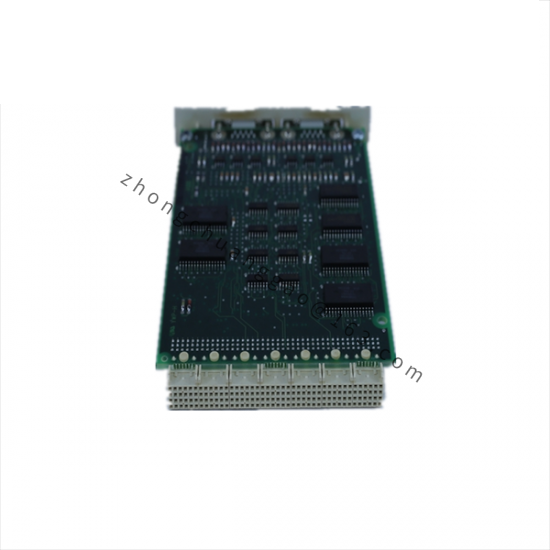
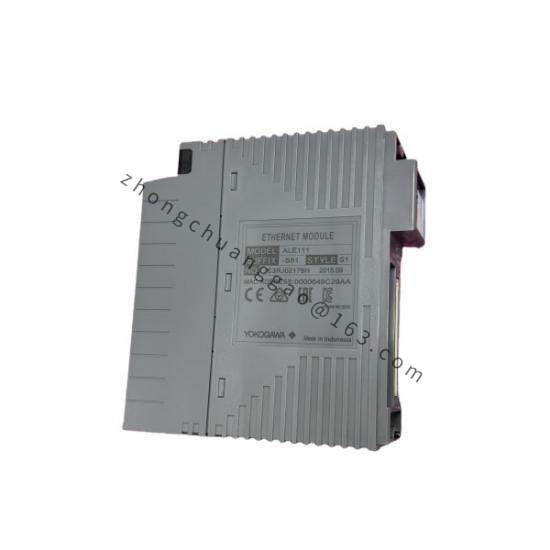
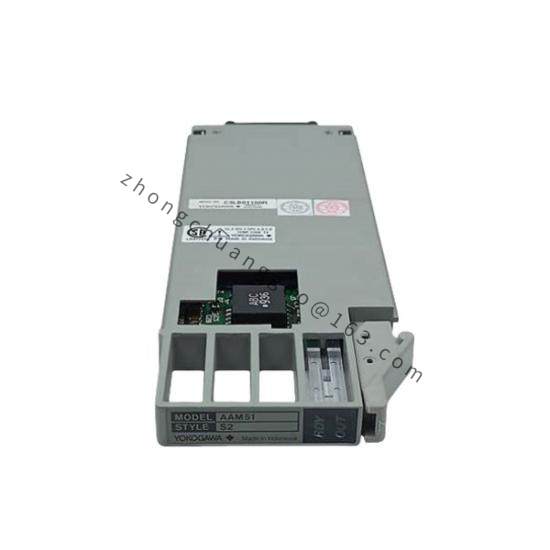
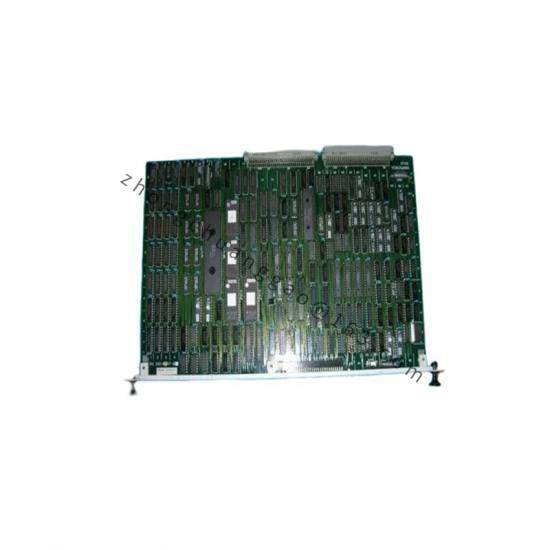
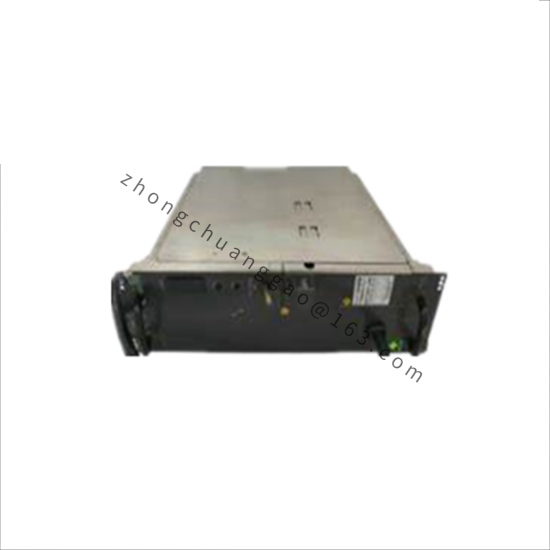
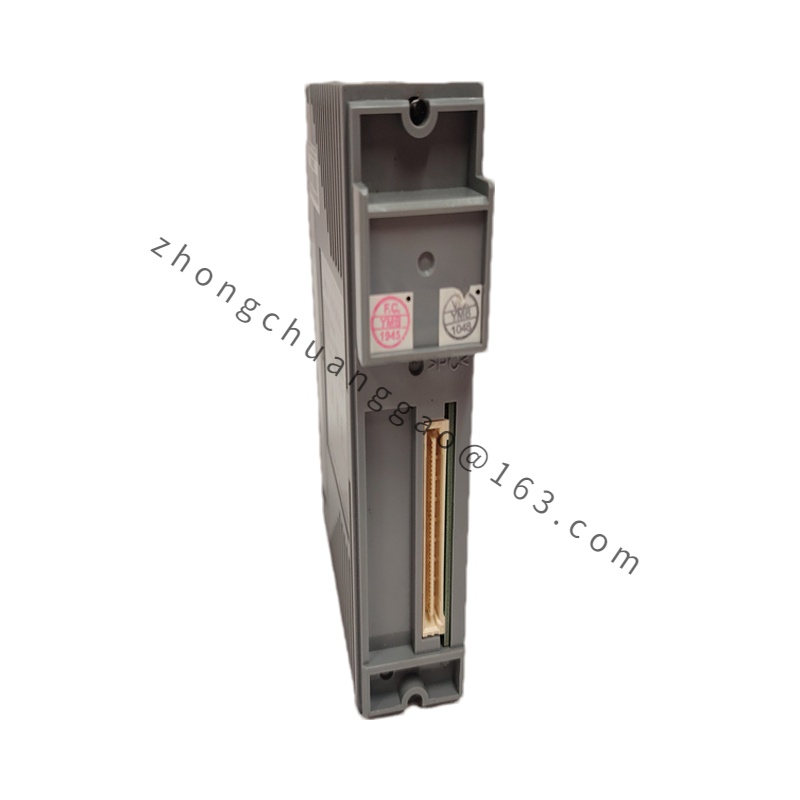
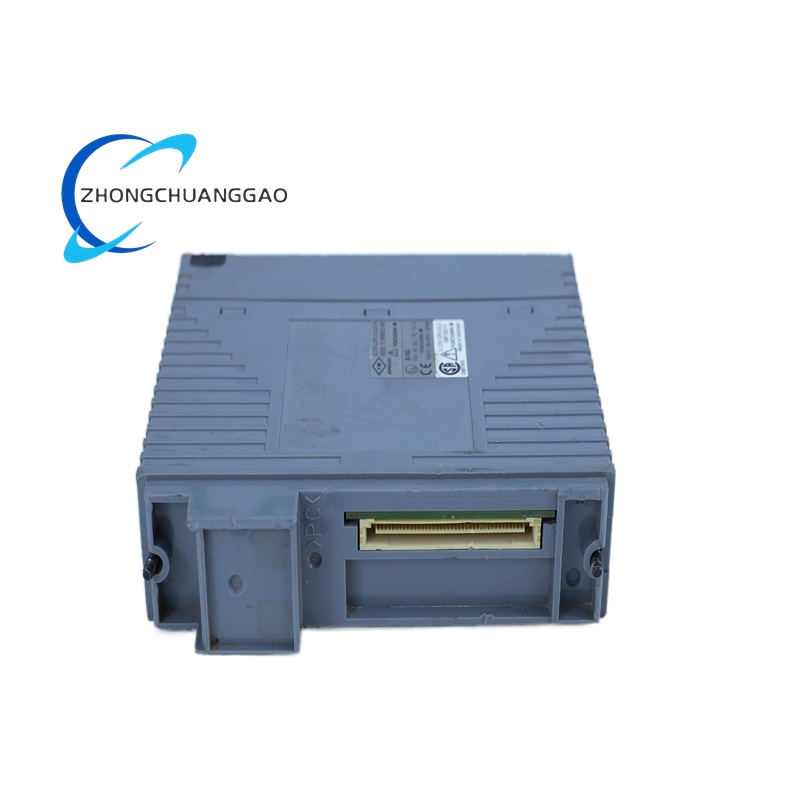
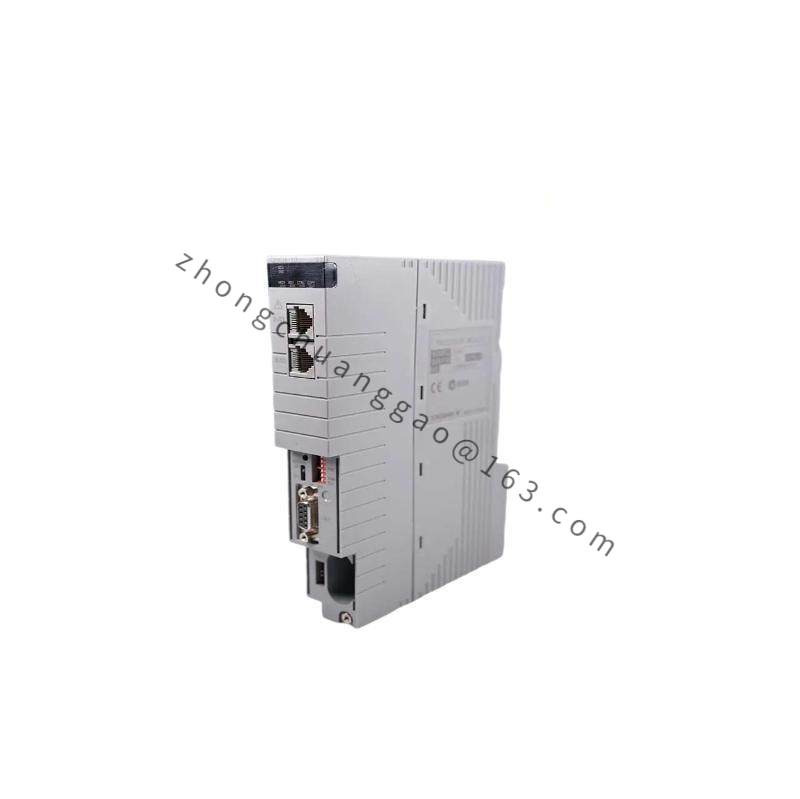
The AFV10D-S41101 is a Fieldbus (FF) communication interface module from Yokogawa’s AFV10D series. It serves as a protocol gateway between HART smart transmitters and Foundation Fieldbus (FF) H1 or HSE networks. The module enables Yokogawa DCS/PLC systems to communicate with FF field devices through a standardized interface.
Technical Specifications:
| Parameter | Value |
|---|---|
| Communication Protocol (Field Side) | Foundation Fieldbus H1 (31.25 kbps, IEC 61158-2) |
| Communication Protocol (Host Side) | HART 7 / Modbus RTU (configurable) |
| Supported Device Profile | FF H1 Device (AI, PI, DI, DO function blocks) |
| Number of FF Devices | Up to 8 FF H1 devices per module (depending on device complexity) |
| Baud Rate (H1) | 31.25 kbps (fixed for H1) |
| Power Supply (Field Side) | 9-32 V DC (bus-powered from FF segment) |
| Power Supply (Host Side) | 24 V DC (typical) |
| Power Consumption | Approximately 2 W (typical) |
| Isolation | Galvanic isolation between FF bus and host interface: 500 V AC |
| Operating Temperature | -10°C to +60°C |
| Storage Temperature | -20°C to +70°C |
| Mounting | DIN Rail (35mm, EN 50022) |
| Dimensions (W × H × D) | Approximately 75 mm × 100 mm × 105 mm |
| Weight | Approximately 250 g |
| Enclosure Material | Flame-retardant polycarbonate (UL94 V-0) |
| Front Panel Protection | IP20 (indoor use only) |
| Status Indicators | LED indicators: Power (green), FF Communication (green), Fault (red) |
Functional Features:
Working Principle:
The AFV10D-S41101 contains a dedicated FF H1 communication ASIC (Application Specific Integrated Circuit) that implements the IEC 61158-2 physical layer and data link layer. The module operates as the Link Active Scheduler (LAS), managing token passing on the FF H1 bus. It reads FF function blocks (AI, PI, DI, DO) from field devices, converts the data to HART or Modbus register format, and presents it to the host DCS/PLC via the host-side interface. For HART devices on the FF segment, it passes HART commands transparently using HART over FF encapsulation.
Advantages and Highlights:
Applicable Industries:
Installation Requirements:
Usage Precautions: