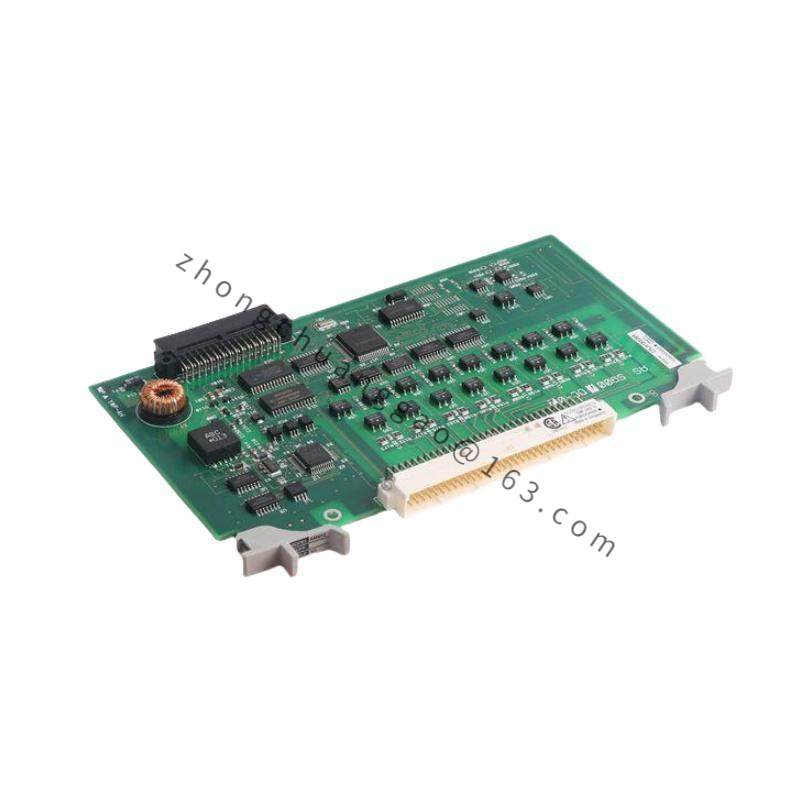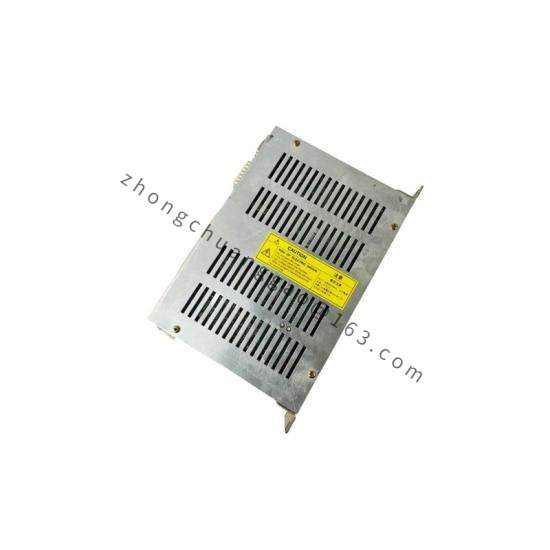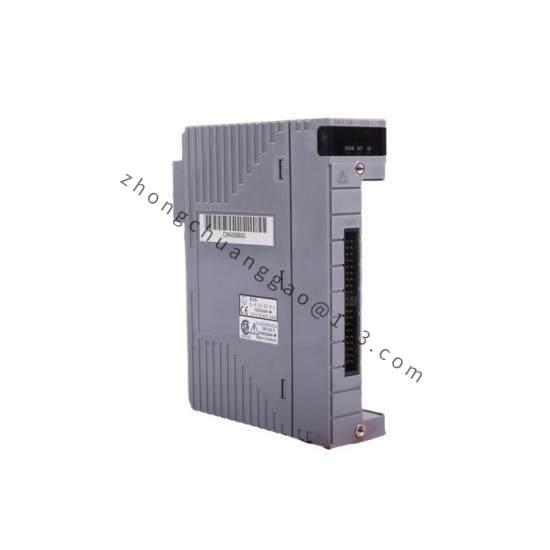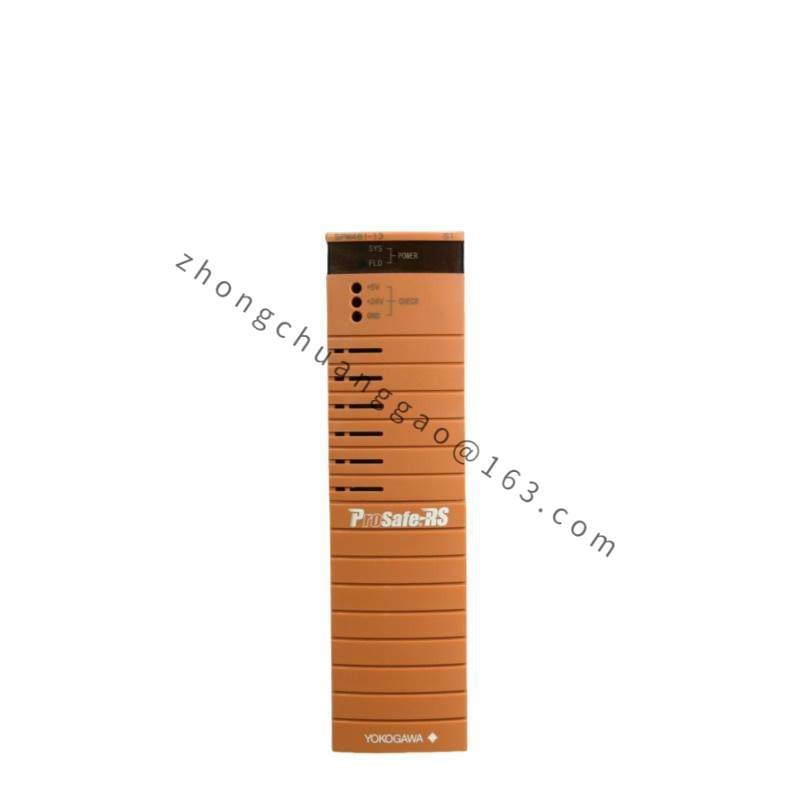

Yokogawa AE220MN-AB1-LSA-A1DH/BR/FF1/FN1
Product Category: Electromagnetic Flowmeter (Magmeter)
Product Overview:
The AE220MN is Yokogawa’s high-accuracy electromagnetic flowmeter for measuring conductive liquids. The model code decodes as: AE220MN = Series designation, AB1 = PFA (perfluoroalkoxy) liner, LSA = Compact/integral type, A1DH = Electrode material code, BR = Output code, FF1 = Communication code, FN1 = Additional option code. It operates on Faraday’s Law of Electromagnetic Induction.
Detailed content
Technical Specifications:
- Measurement Principle: Faraday’s Law of Electromagnetic Induction
- Pipe Size Range: DN10 to DN3000 (0.4″ to 120″)
- Liner Material: PFA (AB1) — perfluoroalkoxy, chemically inert
- Electrode Material Options: SUS316L (A1), Hastelloy C (DH), Tantalum (BR), Platinum (FN1)
- Accuracy: ±0.5% of reading (±0.2% optional)
- Measurement Media: Conductive liquids with conductivity ≥5 μS/cm
- Output Signals: 4–20 mA DC, Pulse output, RS-485 (Modbus RTU / HART)
- Process Temperature: -20°C to +180°C (PFA liner)
- Process Pressure: Up to 4.0 MPa (40 bar) standard; higher ratings available
- Protection Rating: IP68 (submersible capable)
- Power Supply: 85–265 VAC / 24 VDC
- Display: None on transmitter (configuration via HART/Modbus)
- Response Time: ≤1 second (adjustable, 0.1–10 s)
Functional Features:
- Empty pipe detection — outputs alarm when pipe is empty
- Electrode fouling diagnosis — detects coating on electrodes
- Bidirectional flow measurement — measures flow in both directions
- Self-diagnostics — sensor status, signal quality, excitation monitoring
- Low flow cutoff — configurable minimum flow threshold
- Multi-output — 4–20 mA + pulse + digital communication simultaneous
- Non-intrusive measurement — no pressure drop, no moving parts
Material Composition:
- Pipe Body: Carbon steel with epoxy coating or SUS316L stainless steel
- Liner: PFA (perfluoroalkoxy) — AB1 designation, fully inert
- Electrodes: SUS316L / Hastelloy C / Tantalum / Platinum (per configuration)
- Transmitter Housing: Aluminum alloy with powder coat (IP68)
- Cable Entry: M20 × 1.5 cable gland, SS316L
Structural Characteristics:
- Connection Type: Wafer type (lug connection) or Flanged (ANSI/DIN/JIS)
- Face-to-Face: Per applicable standard
- Compact design (LSA) — short face-to-face dimension
- Transmitter Size: Approximately 200 mm × 160 mm × 120 mm
- Weight: Varies by size, approximately 5–25 kg (DN50 to DN300)
Working Principle:
An electromagnetic coil generates a magnetic field perpendicular to the flow direction inside the liner-lined pipe. As the conductive fluid flows through this magnetic field, a voltage (E) is induced across the fluid proportional to flow velocity, per Faraday’s Law: E = B × D × V, where B = magnetic flux density, D = pipe diameter, V = fluid velocity. The electrodes mounted flush with the liner wall detect this induced voltage. The transmitter converts the voltage signal to a 4–20 mA output proportional to volumetric flow rate.
Key Advantages:
- Zero pressure drop — full-bore design, no obstruction
- ±0.5% accuracy — among the highest in the industry
- PFA liner — chemically inert, suitable for aggressive chemicals
- IP68 rating — can be submerged
- Empty pipe detection — prevents false readings
- No moving parts — zero maintenance requirement for the sensor
Applicable Industries:
- Water & Wastewater Treatment (custody transfer, process water)
- Chemical & Petrochemical (acids, alkalis, solvents)
- Pharmaceutical (WFI, CIP solutions)
- Food & Beverage (milk, juice, beer)
- Mining & Minerals (slurries, tailings)
- Pulp & Paper (white water, black liquor)
Installation Requirements:
- Full pipe condition mandatory — meter must always operate full
- Upstream straight pipe: Minimum 5D (D = pipe diameter)
- Downstream straight pipe: Minimum 3D
- Grounding rings required for plastic/lined pipes
- Install in vertical or horizontal pipe (horizontal preferred, electrode axis horizontal)
- Ensure minimum conductivity of 5 μS/cm in the process fluid
Usage Precautions:
- Do not use for non-conductive fluids (pure water, hydrocarbons, gases)
- Do not exceed maximum process temperature of +180°C (PFA liner)
- Verify electrode material compatibility with process fluid
- Never run dry — empty pipe causes electrode damage
- Ground the meter properly — poor grounding causes measurement errors