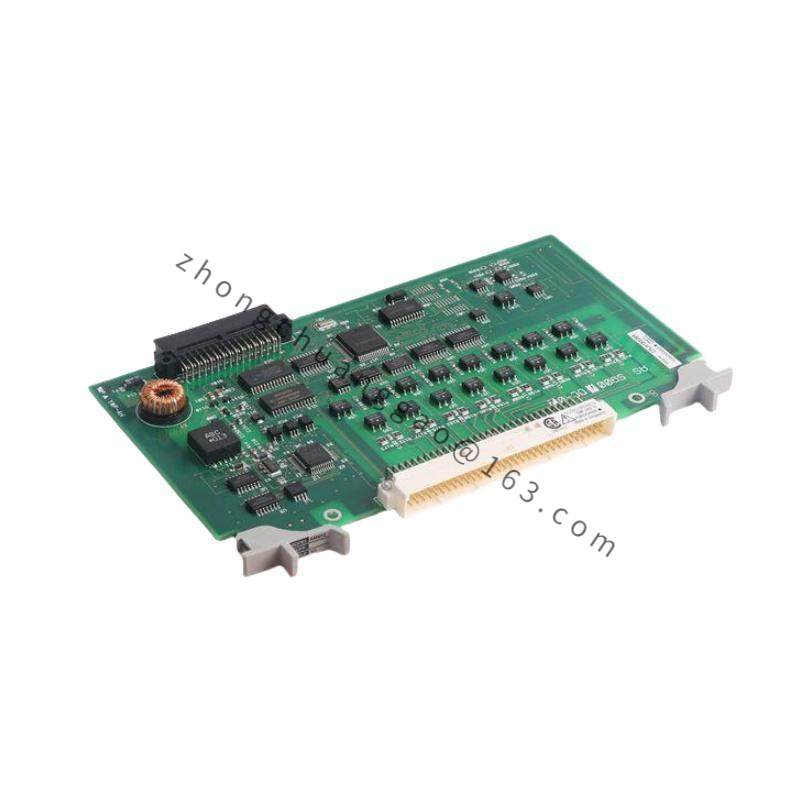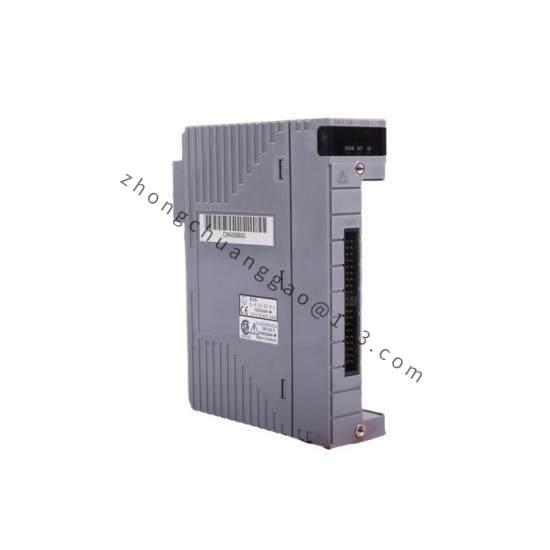
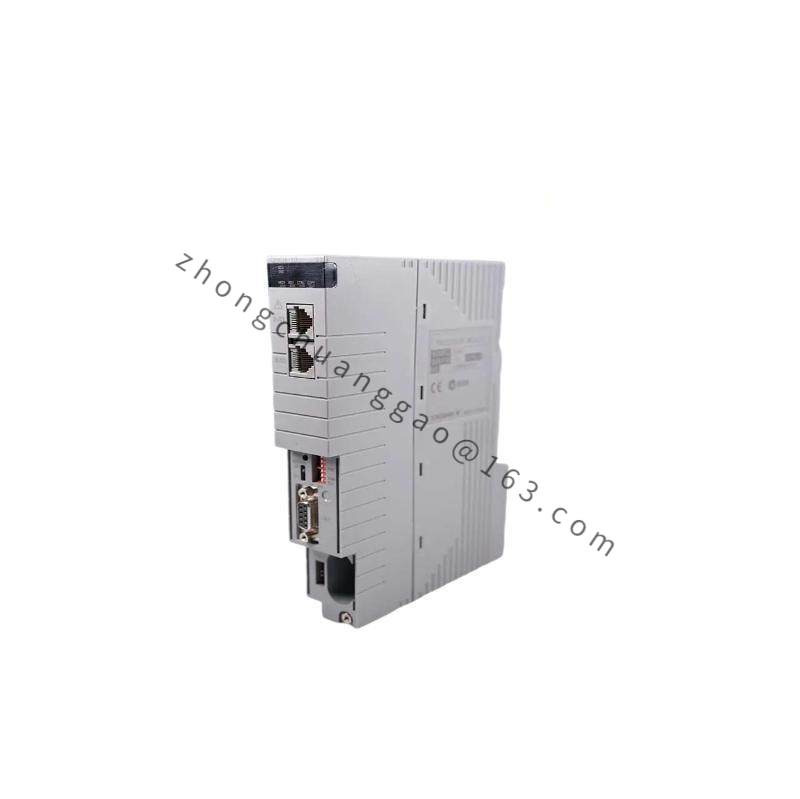

Yokogawa AE102MN-AB1-LNA-A1DH/BR/FF1/FN1
Full Model Number: AE102MN-AB1-LNA-A1DH/BR/FF1/FN1
Product Introduction:
The AE102MN-AB1-LNA-A1DH/BR/FF1/FN1 is a high-performance differential pressure transmitter with remote diaphragm seals from Yokogawa’s EJX series. It is designed for level, flow, and pressure measurement of corrosive, viscous, high-temperature, or sanitary process fluids where direct contact with the process medium must be avoided.
Detailed content
Technical Specifications:
- Measurement Type: Differential Pressure (DP), Gauge Pressure, Absolute Pressure (selectable)
- Measurement Range: 0 to 100 kPa (varies by configuration)
- Accuracy: ±0.04% of URL (Upper Range Limit)
- Static Pressure Effect: ±0.04% of URL per 10 MPa
- Overpressure Protection: 1.5 times URL (up to 40 MPa static pressure)
- Output Signals: 4–20 mA DC (HART 7), FOUNDATION Fieldbus, Profibus PA, Modbus
- Power Supply: DC 12 V to 45 V (2-wire loop-powered)
- Protection Rating: IP67 (transmitter); IP68 (cable gland)
- Ambient Temperature: -40°C to +85°C
- Process Temperature (Diaphragm Seal): -40°C to +200°C (depends on fill fluid and seal material)
- Response Time: ≤ 100 ms (with capillary length ≤ 3 m); increases with capillary length
Material Composition:
- Diaphragm Seal Material: SUS316L stainless steel, Hastelloy C-276, Tantalum, Monel, Titanium (selectable by A1DH/BR/FF1/FN1 code)
- Fill Fluid: Silicone oil (standard), fluorinated oil (high-temp), or inert oil (sanitary)
- Transmitter Housing: Aluminum alloy with epoxy coating
- Capillary Tube: SUS316L stainless steel (3.2 mm OD)
- Process Connection: 1/2-14 NPT (standard for diaphragm seals)
Model Code Breakdown:
- AE: EJX series transmitter
- 102: Differential pressure / gauge pressure transmitter
- M: Remote diaphragm seal (wet leg) configuration
- N: Specific output/communication configuration
- AB1: Housing material / certification code
- LNA: Process connection / capillary specification
- A1DH: Diaphragm material option (Hastelloy C-276)
- BR: Fill fluid option (standard silicone)
- FF1: Flange rating / temperature rating
- FN1: Special options (calibration, display, etc.)
Working Principle:
The process pressure acts on the diaphragm of the remote seal, which is transmitted through a capillary tube filled with incompressible fill fluid to the silicon resonant sensor inside the transmitter. The sensor uses dual resonant element technology — two H-shaped silicon resonators vibrate at their natural frequency. Differential pressure causes a frequency shift proportional to the pressure difference, which is converted to a 4–20 mA output. The remote seal configuration allows the transmitter to be mounted away from the process, protecting it from extreme temperatures, corrosive media, and clogging.
Advantages & Highlights:
- ±0.04% accuracy — highest in class for DP transmitters
- Remote diaphragm seals enable measurement of highly corrosive, viscous, or sanitary fluids
- Dual resonant sensor provides excellent long-term stability (±0.04% per 10 years)
- Multi-sensing capability: DP, GP, AP, level, flow, density
- Self-diagnostics with HART 7 and FOUNDATION Fieldbus
Applicable Industries:
- Chemical and petrochemical plants (corrosive acids, alkalis)
- Pharmaceutical and biotech (sanitary applications, SIP/CIP compatible)
- Oil and gas (crude oil, slurry, heavy oil)
- Power generation (boiler drum level, condenser level)
- Pulp and paper (black liquor, white liquor)
Installation Requirements:
- Mount the transmitter at the same elevation as the upper tap for level measurement, or below for flow measurement
- Keep capillary tube length as short as practical (≤ 15 m maximum recommended) to minimize response time degradation
- Avoid sharp bends in capillary tubing (minimum bend radius: 75 mm)
- Ensure all connections are leak-tight — any leak in the capillary system will cause measurement error
Usage Precautions:
- Do not exceed the maximum static pressure rating of the diaphragm seal at the operating temperature
- For high-temperature service (> 150°C), verify fill fluid compatibility and maximum temperature rating
- Perform zero calibration with both process taps at equal pressure (for DP) or at atmospheric pressure (for GP/AP)
- In cold climates, ensure the fill fluid does not freeze (use appropriate fill fluid for sub-zero temperatures)