Digital guide

You are here:

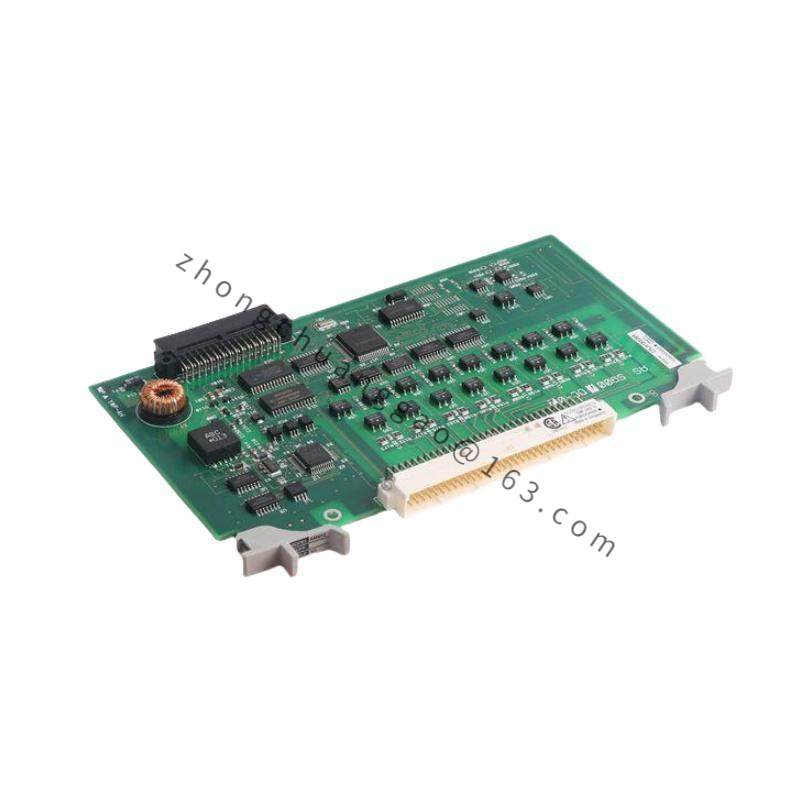
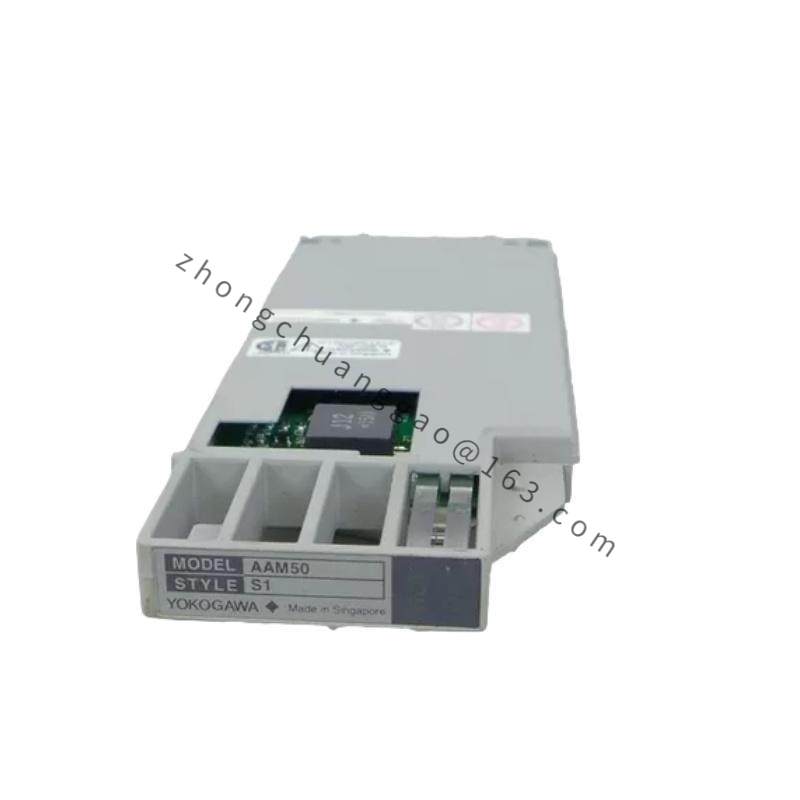
Yokogawa AAI143-S50

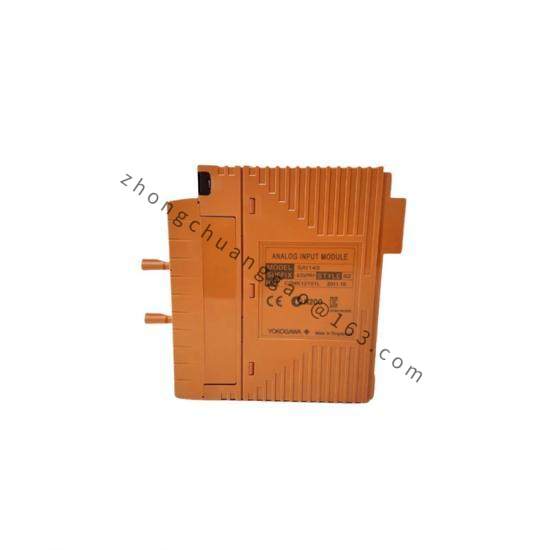
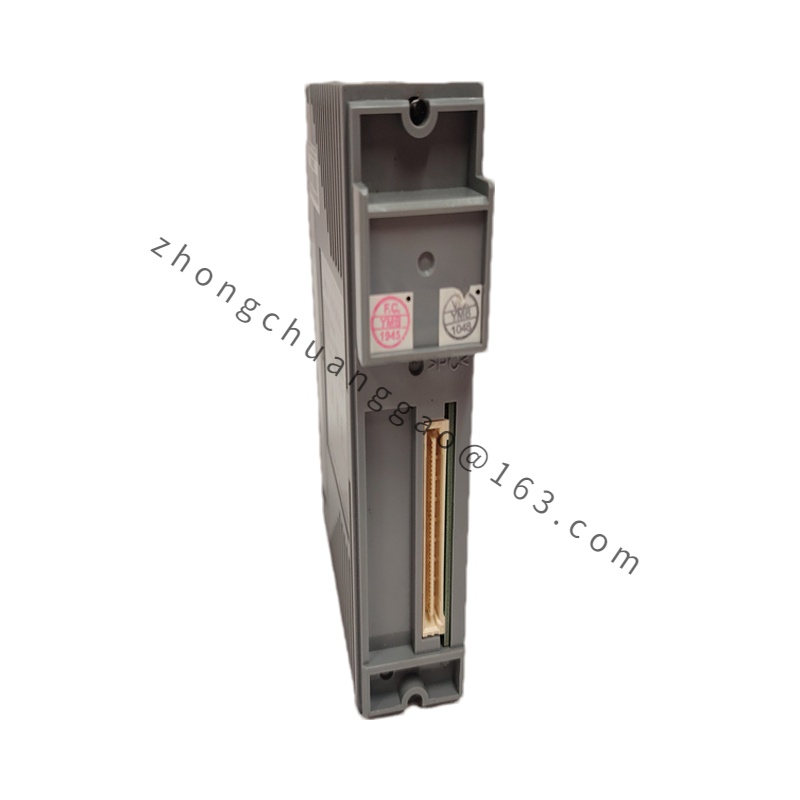
Product Introduction: A high-density analog input module designed for Yokogawa’s CENTUM series distributed control systems (DCS). It provides accurate, isolated measurement of analog process signals, enabling reliable data acquisition for large-scale process control applications.

Technical Specifications:
  • Input Channels: 16 isolated analog input channels, supporting 4–20 mA DC signals.
  • Input Signal: 4–20 mA DC, standard industrial analog input for process variables.
  • Isolation: High-level galvanic isolation (2500 V AC) between channels and the system, preventing ground loops.

Detailed content

  • Accuracy: High measurement accuracy (±0.1% of span) with 16-bit resolution for precise data acquisition.
  • Data Update Cycle: Fast update rate of 100 ms for real-time process monitoring.
  • Compatibility: Fully compatible with CENTUM CS 3000 and CENTUM VP DCS platforms.
  • Environmental Rating: Designed for harsh industrial environments with G3 option for corrosive gas resistance.

    Key Features:

  • 16-channel isolated input for high channel density and noise immunity, optimizing cabinet space.
  • High accuracy and resolution for reliable process measurement, ensuring data integrity.
  • Robust isolation protects the DCS from field-side electrical faults, enhancing system safety.
  • Easy integration with CENTUM DCS engineering tools for seamless configuration and monitoring.
  • Diagnostic functions for quick troubleshooting and predictive maintenance, reducing downtime.
  • Designed for 24/7 operation in industrial environments with high durability.
  • Supports HART communication for remote configuration and diagnostics of smart field devices.

    Applications:

  • Large-scale analog signal acquisition in oil refineries, chemical plants, and petrochemical facilities.
  • Process control loops in power generation plants for boiler, turbine, and generator control.
  • Temperature, pressure, flow, and level monitoring in industrial processes for quality control.
  • Safety instrumented systems and emergency shutdown (ESD) systems for plant safety.
  • Water treatment and environmental monitoring systems for effluent and waste control.

You may also like