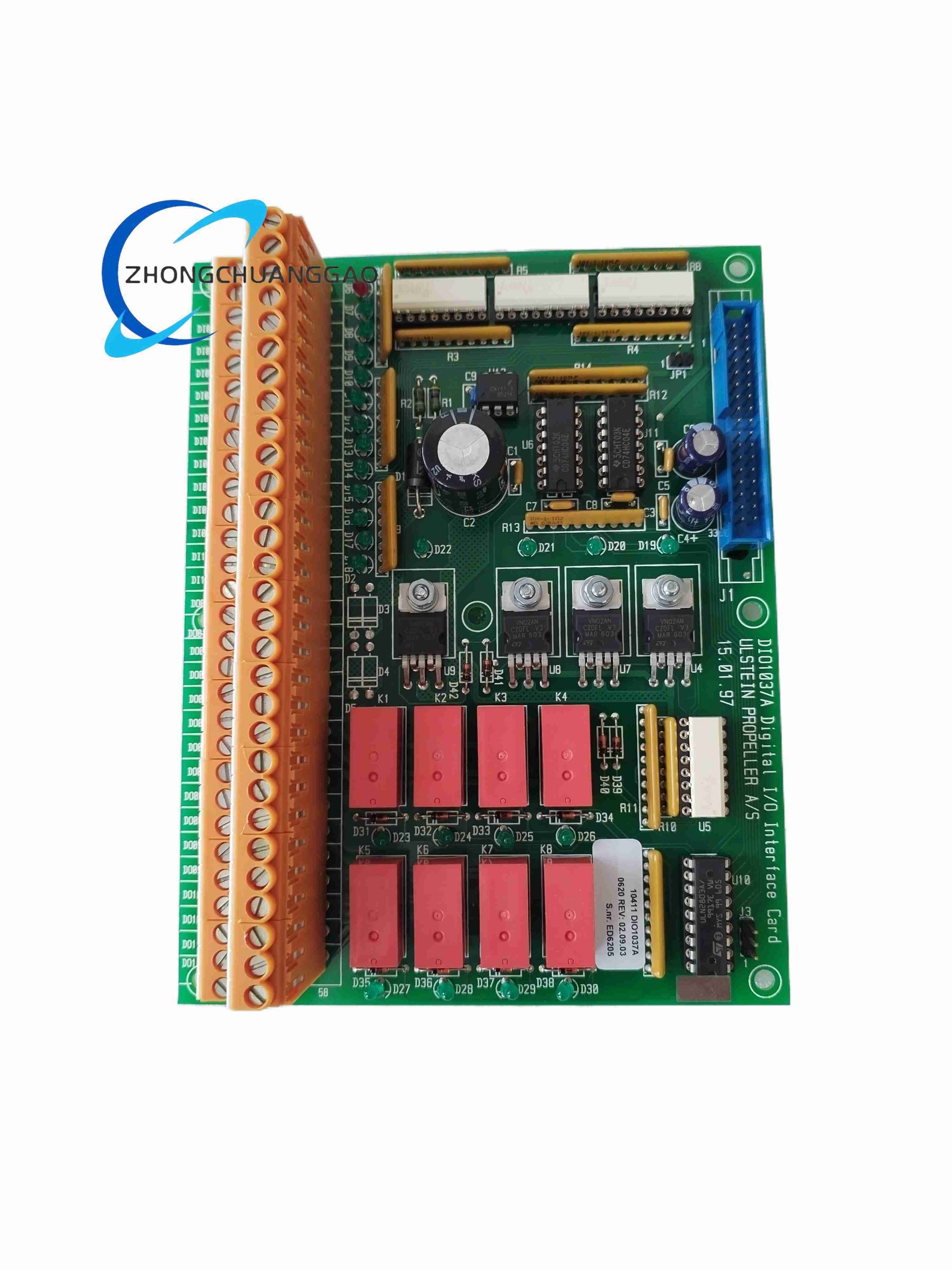
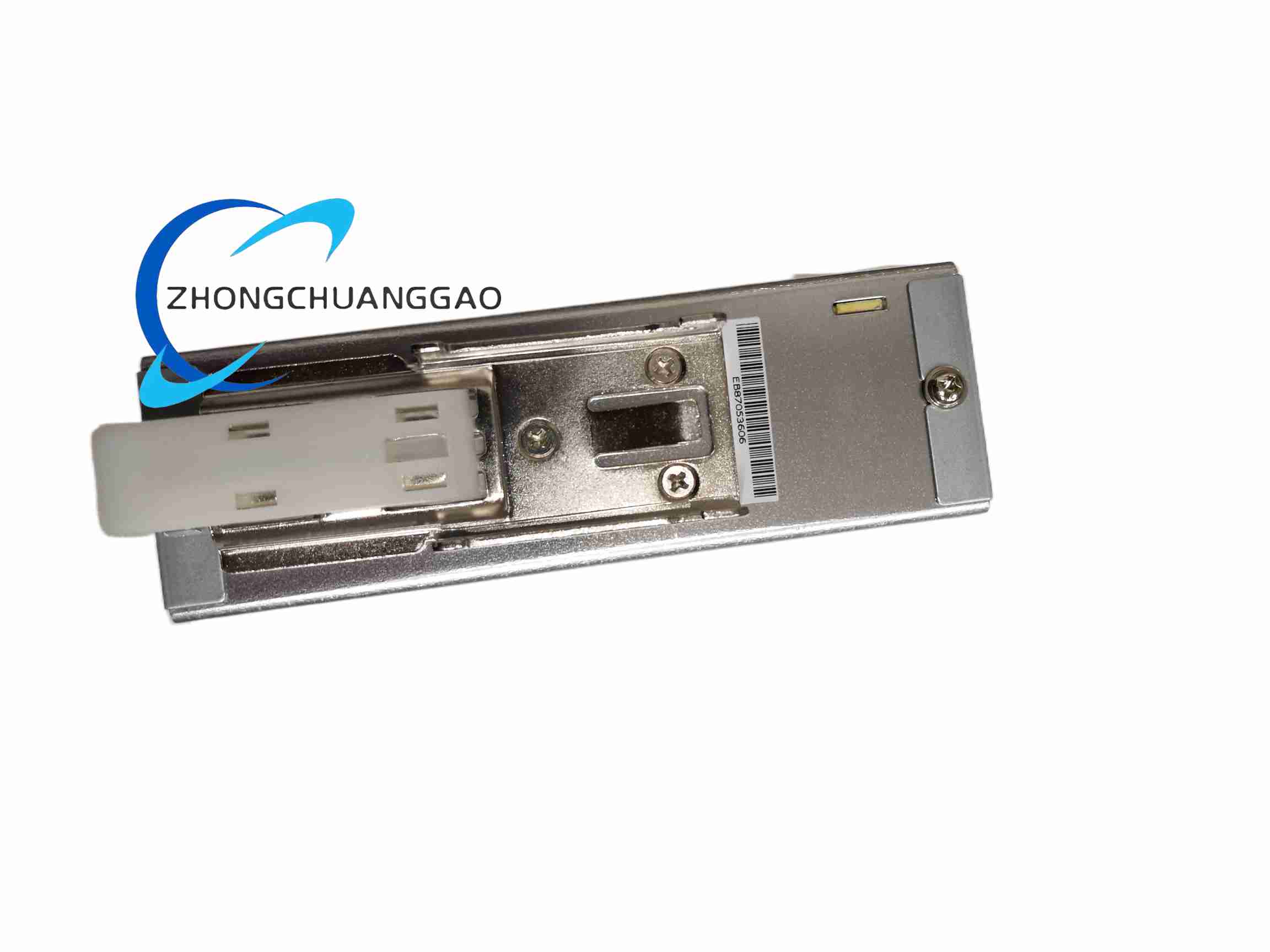
Technical Specifications: 16 isolated digital input channels and 12 transistor digital output channels in the documented I/O version; 24 VDC dry-contact input with 2500 VDC opto-isolation per channel; 24 VDC sinking transistor outputs, 0.5 A maximum per channel; isolated RS-485 Modbus RTU propulsion communication; 24 VDC supply with 16 to 32 VDC operating range; operating temperature -15°C to +65°C; IP32 enclosure; approximately 8.7 W full-load consumption; input sampling 20 Hz per channel; output response 1 ms; fault log capacity 800 records.
Function Features: Pitch limit and azimuth limit input processing; hydraulic valve solenoid driving; hardware emergency-stop and overload interlock; open-circuit and short-circuit self-diagnosis; Modbus status reporting to bridge propulsion control; nonvolatile fault-event storage.
Application Scenarios: Ulstein azimuth thruster control; controllable-pitch propeller systems; offshore support and platform supply vessels; coastal cargo propulsion; marine dynamic-positioning and thruster interlock monitoring.
Performance Parameters: 2500 VDC isolation between field and logic; 1 ms digital output response; 20 Hz synchronous input sampling; 800 fault records retained in nonvolatile memory.
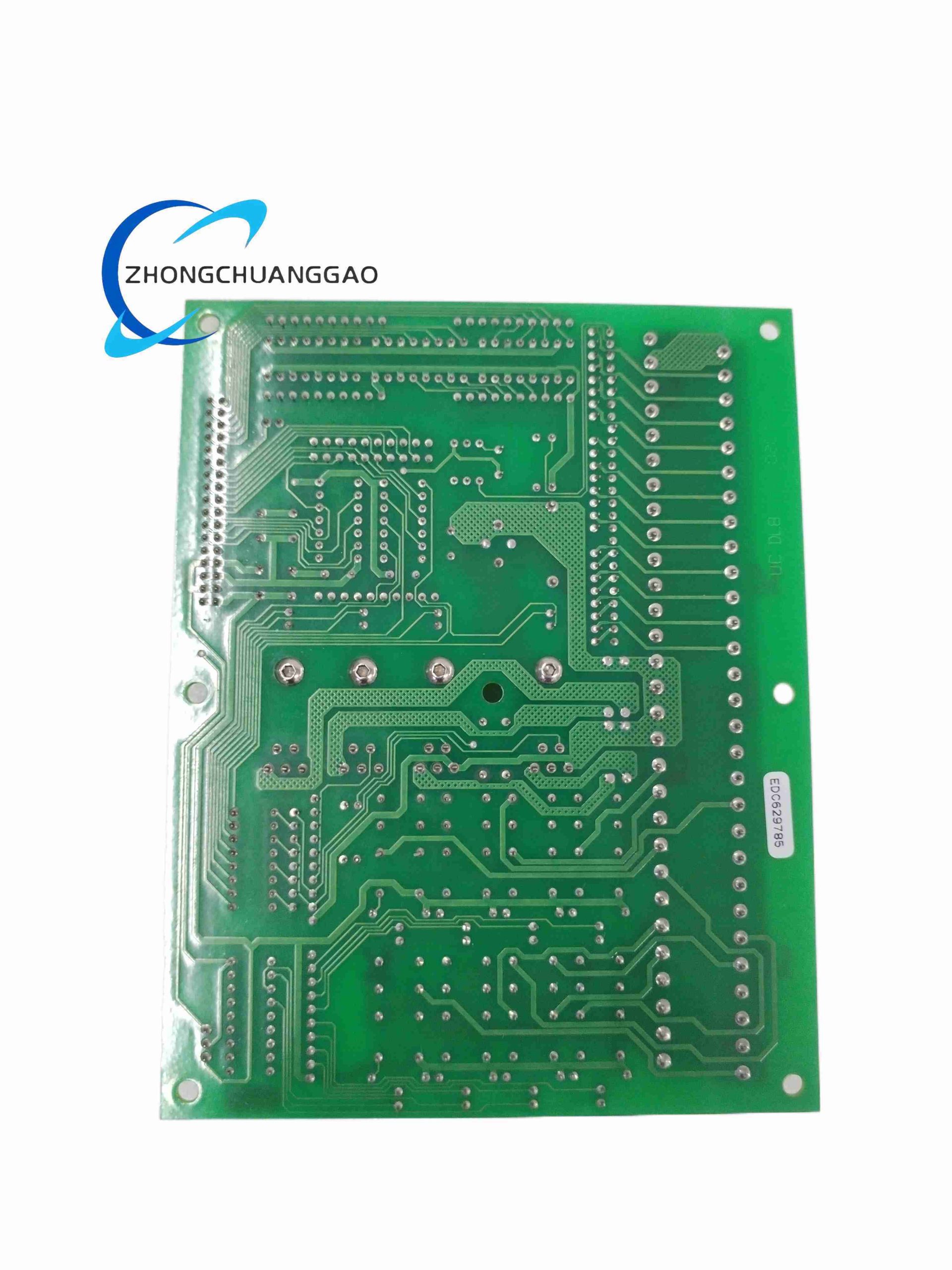
Material Composition: Marine aluminum-alloy die-cast enclosure with salt-fog-resistant passivation; conformally coated FR4 PCB; tin-plated brass marine terminals; industrial power MOSFET output devices; stainless steel mounting brackets.
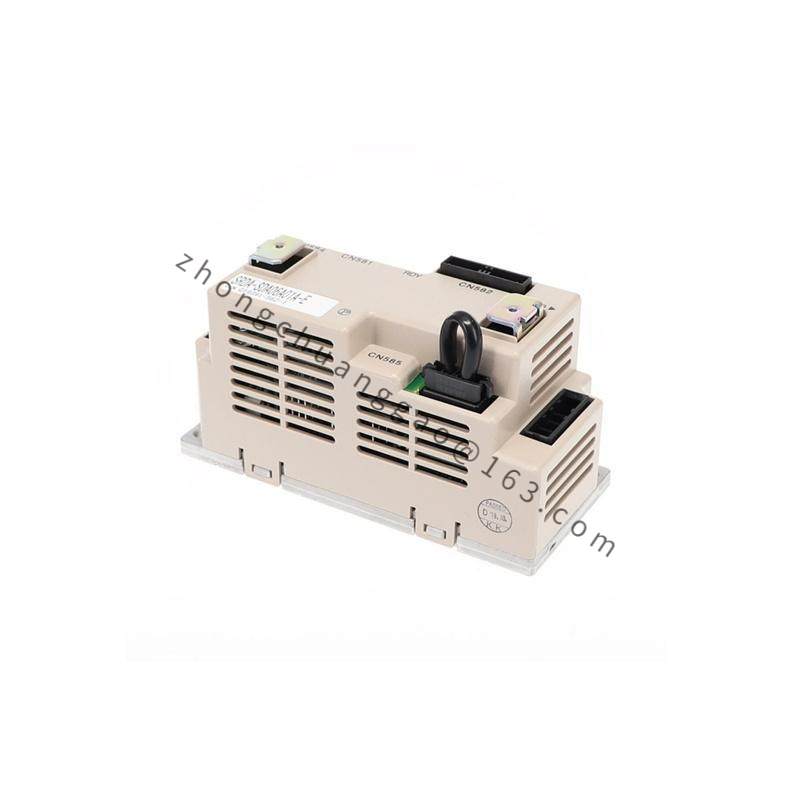
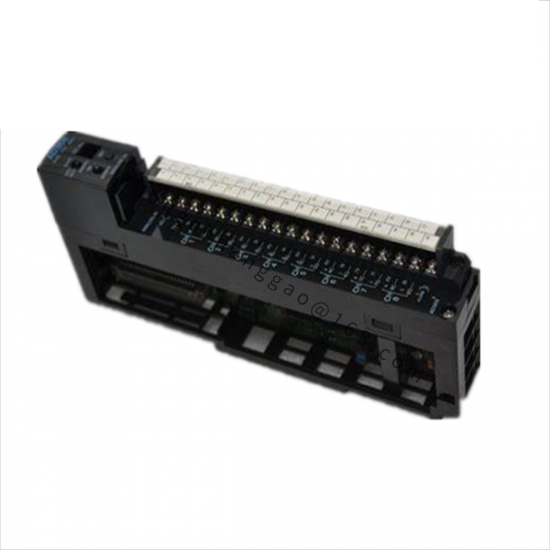
Structural Characteristics: Wall-mount enclosure with stainless brackets; front LEDs for input, output, Modbus and power; rear sealed cable glands; internal separation between high-current solenoid drivers and low-voltage input circuits.
Working Principle: Thruster and propeller limit contacts enter isolated inputs, the marine controller evaluates interlock and pitch logic, transistor outputs drive hydraulic solenoid valves, and all I/O states plus fault codes are transmitted to the bridge controller through isolated RS-485 Modbus.
Installation Requirements: Install inside a ventilated thruster control cabinet away from hot hydraulic pipes; connect earth terminal to the engine-room protective earth bar; use marine shielded twisted pair for RS-485; separate solenoid output cables from communication cables; follow Ulstein/Kongsberg cabinet documentation for backplane versions.
Usage Precautions: Disconnect 24 VDC before servicing sensor or solenoid terminals; keep each output below 0.5 A; perform channel self-diagnosis after limit-switch overhaul; inspect enclosure and terminals during dry-dock maintenance; in backplane-card configurations rather than the standalone RS-485 version, use the Ulstein engineering tool and verify card revision, station address and bus termination before operation.