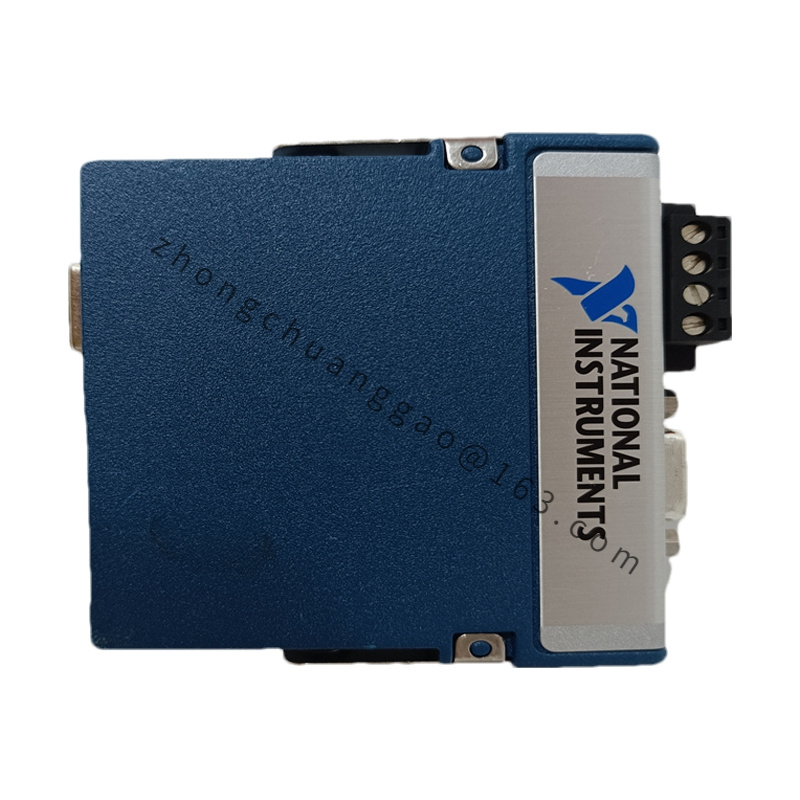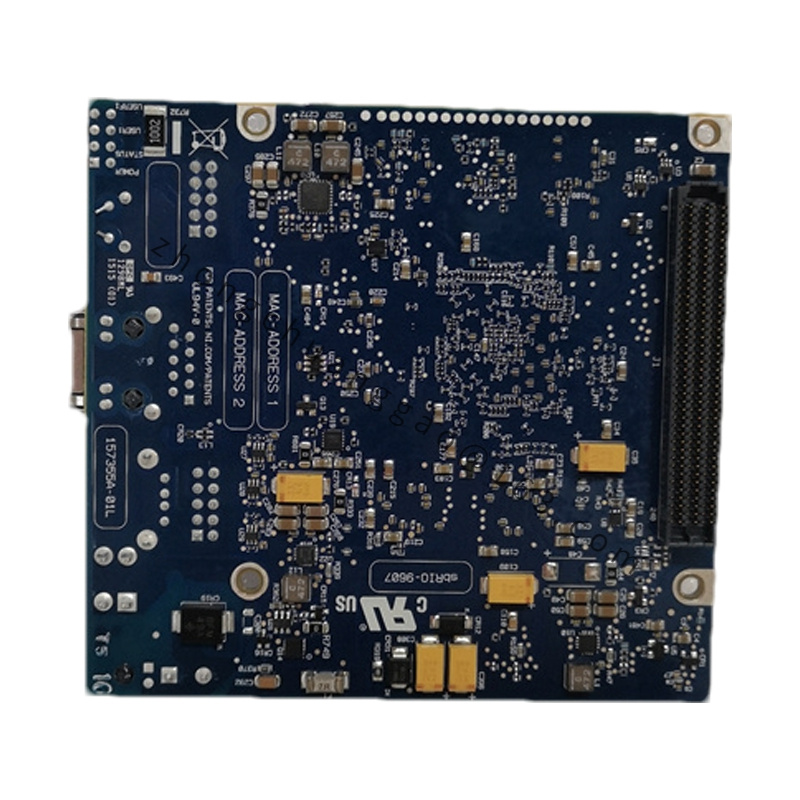
NI PCI-CAN/XS2
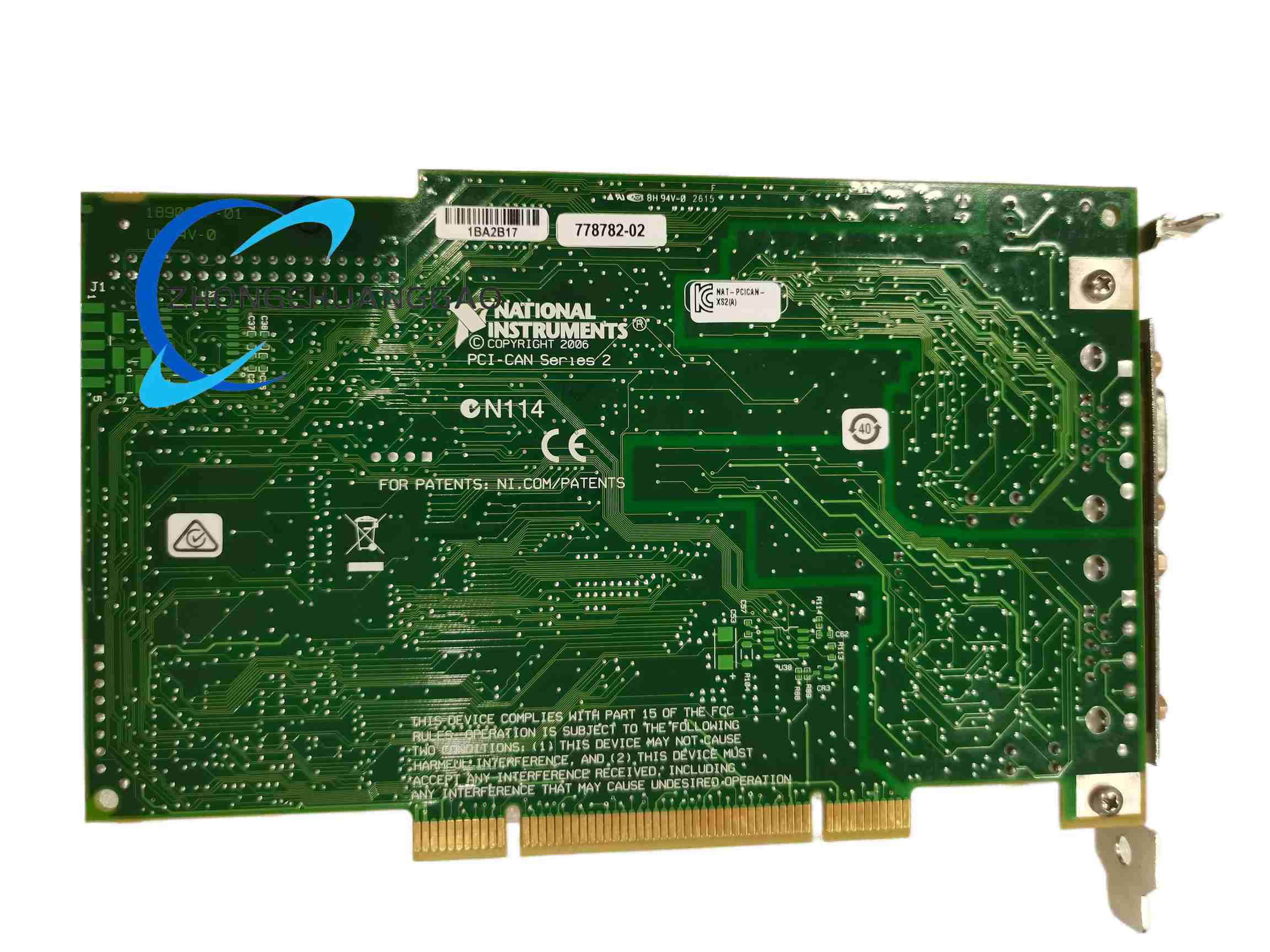
Product Name: PCI-CAN/XS2 dual-port software-selectable CAN interface
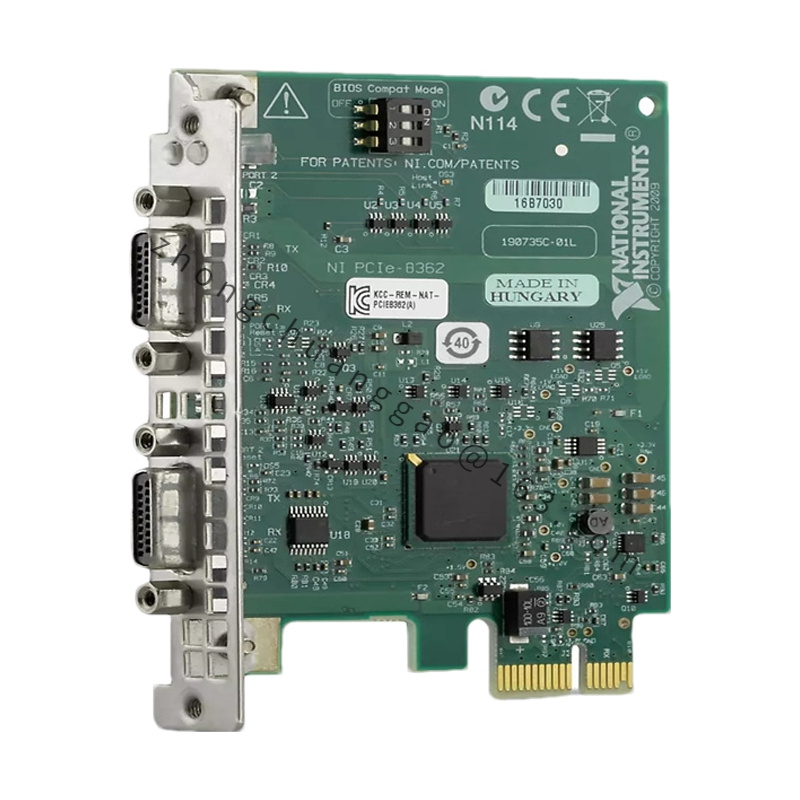
Introduction: PCI plug-in board that connects a PC to one or two independent CAN buses for automotive, industrial and laboratory communication. The board supports high-speed, low-speed fault-tolerant and single-wire CAN through software-selected transceivers.
Detailed content
Technical Specifications: Two independent CAN ports with 9-pin male D-sub connectors per port. CAN controller Philips SJA1000. Onboard microprocessor Intel 80386EX for frame handling and time stamping. Transceivers TJA1041 high-speed, TJA1054A low-speed fault-tolerant, AU5790 single-wire, plus external transceiver mode. Compliance with ISO 11898 and CAN 2.0A/2.0B. Maximum baud rate 1000 kbit/s. Optical isolation 500 V between CAN channels and PCI chassis. I/O operating voltage +5 VDC, typical current up to 900 mA. 32-bit PCI form factor, board dimensions 8.15 in x 4.4 in. Operating temperature 0°C to 55°C. Driver software NI-CAN with support for LabVIEW, LabWindows/CVI, C, C++ and Visual Basic on Windows and LabVIEW Real-Time.
Function Features: Software-selectable transceiver type per port. Acceptance filtering, self-reception, listen-only mode. Hardware time stamping through onboard microprocessor. Triggering and synchronization with other PCI devices. Dual independent ports for mixed-network testing.
Application Scenarios: Automotive ECU development and CAN bus simulation. Industrial machine CAN networking. Mixed high-speed, low-speed and single-wire CAN validation. Legacy test benches and laboratory instrumentation.
Performance Parameters: High-speed CAN up to 1000 kbit/s. Low-speed CAN typically 125 kbit/s with TJA1054A. Single-wire mode through AU5790. Isolation rating 500 V optical. Frame processing supported for standard 11-bit and extended 29-bit identifiers.
Material Composition: PCI bracket and printed circuit board. D-sub connectors with metal shielding. Optocouplers for galvanic isolation. Transceiver integrated circuits, CAN controller, microprocessor and passive components.
Structure Characteristics: Full-height PCI card with two rear D-sub ports. Separate transceiver circuits per channel. Onboard optical isolation barrier between PCI side and CAN physical layer.
Working Principle: The SJA1000 CAN controller packages and decodes CAN frames. The selected transceiver converts controller logic signals to the required CAN physical layer. The optical isolation stage separates PC ground from field bus ground. The Intel microprocessor manages frame transfer, time stamping and synchronization.
Installation Requirements: Install only in a standard 32-bit PCI slot. Apply ESD handling before insertion. Connect each CAN port using shielded D-sub cable with proper bus termination, typically 120 ohm at bus ends. Install NI-CAN driver before first use. Configure baud rate, transceiver type and identifier filters in software.
Usage Precautions: Use only the PCI slot +5 V supply range defined by the board. Confirm operating system and NI-CAN driver compatibility before deployment. Terminate the CAN bus correctly to avoid reflection and communication errors. Do not bypass optical isolation. Treat this as legacy hardware for replacement and maintenance rather than new project design.