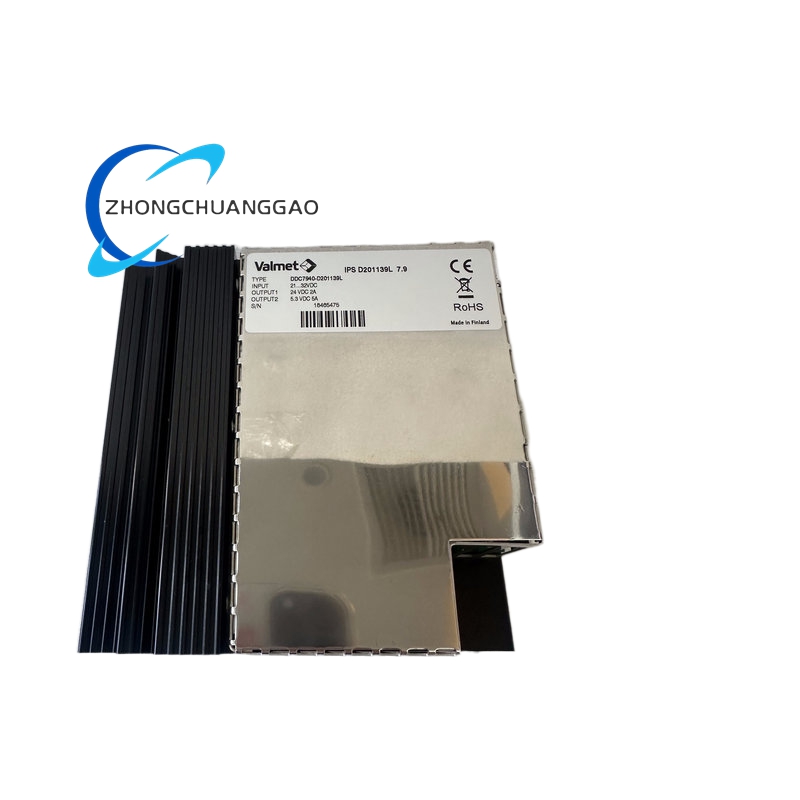
Technical Specifications: 24 VDC backplane or external field supply; RS-485 or proprietary DNA fieldbus physical interface on communication revisions; digital output revisions with 16 or 32 channels, 24 VDC sourcing, 0.5 A per channel and 8 A aggregate where supported; isolation 1500 V field-to-logic on supported versions; extended communication revisions rated up to 1200 m cable; operating temperature 0–60 °C for standard cabinet output revisions, −35–65 °C for extended remote communication revisions; IP20 rack housing.
Functional Features: Long-line bus driving and automatic termination on remote communication revisions; per-channel LEDs; short-circuit, open-load and over-temperature protection on digital output revisions; galvanic isolation between field wiring and logic; fault diagnostics for bus open, short, address conflict and output overload.
Application Scenarios: Wide-area pulp mill distributed I/O, mining conveyor and crusher remote panels, chemical plant multi-rack RTU links, power auxiliary systems, and process skids where central controller and field racks are separated by long cable runs.
Performance Parameters: Digital output switching suitable for solenoids, motor starter auxiliary coils, alarms and relays within rated current; communication revisions support multi-drop remote racks with address assignment through engineering software; response time, baud rate and termination are set by the rack configuration and cable length.
Material Composition: Flame-retardant ABS or industrial plastic front section, multilayer FR-4 control board, gold-plated backplane pins on supported revisions, metal shielding plates where required, and screw or spring terminal block assembly.
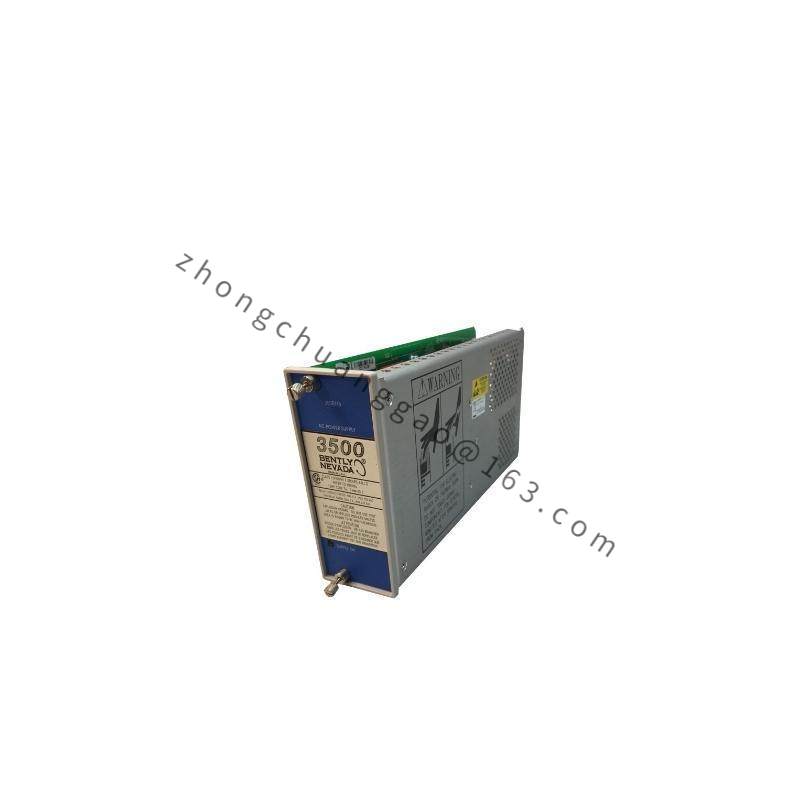
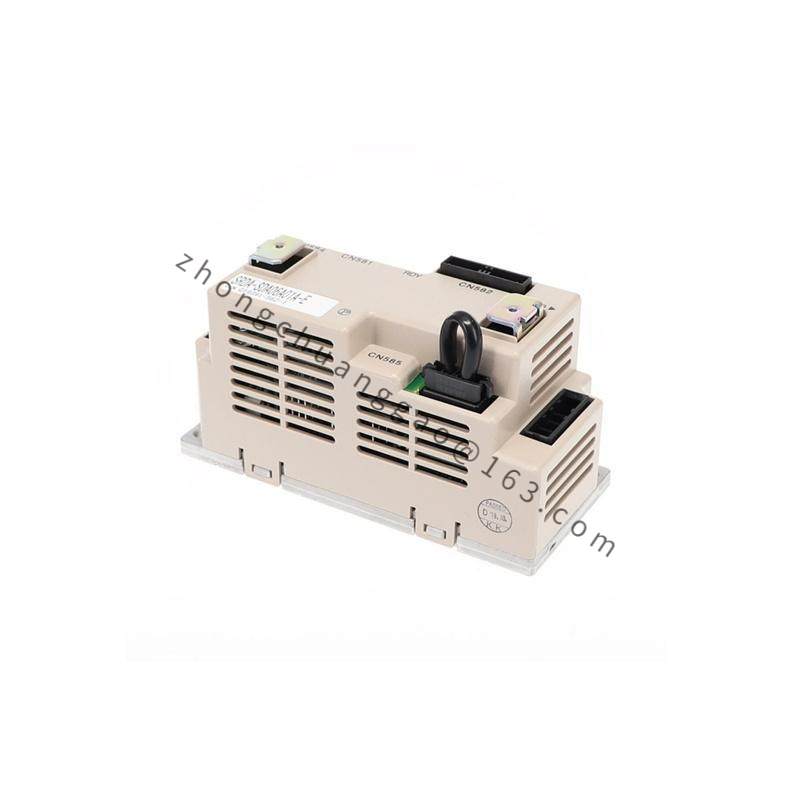
Structural Characteristics: Rack plug-in or long-rack module body with rear bus connector, external field terminal strip, diagnostic LED cluster, and separated communication, power and I/O compartments.
Working Principle: In communication mode the microprocessor receives DNA controller packets, conditions and amplifies RS-485 signals, manages termination and returns remote rack data with isolation. In digital output mode the controller commands isolated high-side drivers that switch 24 VDC to field devices and report faults back over the backplane.
Installation Requirements: Install only in the rack and slot defined by the DNA configuration; use shielded twisted pair with correct characteristic impedance for bus revisions; provide separate isolated 24 VDC for output field power; ground shield at the defined single point; set node address and termination before energization.
Usage Notes: Confirm whether the installed unit is communication, digital output or another assigned function before wiring; do not mix third-party RS-485 devices on proprietary DNA bus segments without approval; respect maximum cable length and aggregate output current; test short-circuit protection after installation; replace with identical firmware and hardware revision.