Digital guide
You are here:
- Home
- Kollmorgen
- Kongsberg TRX32 303088G
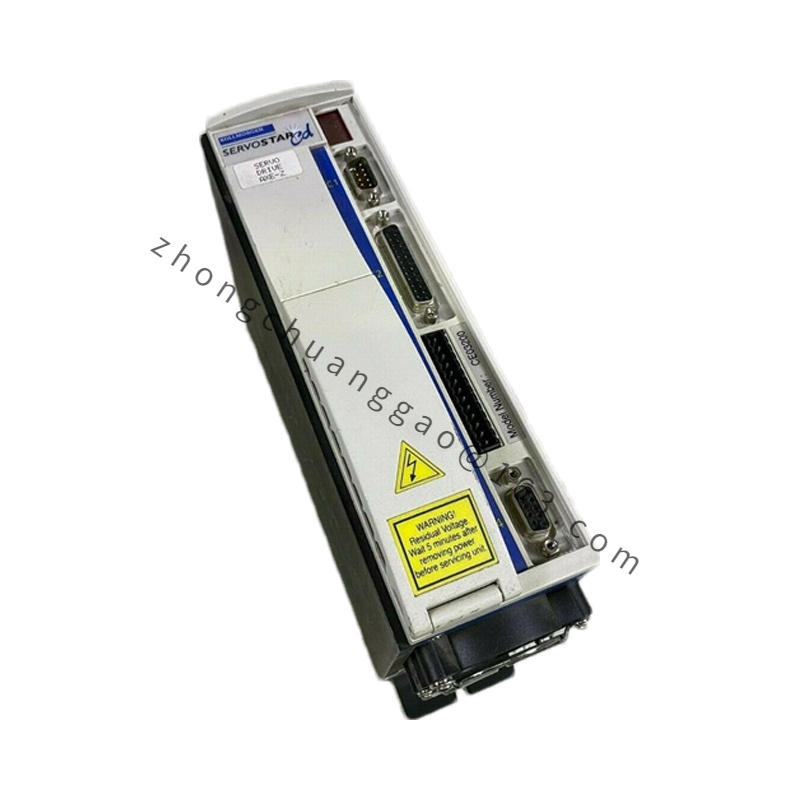
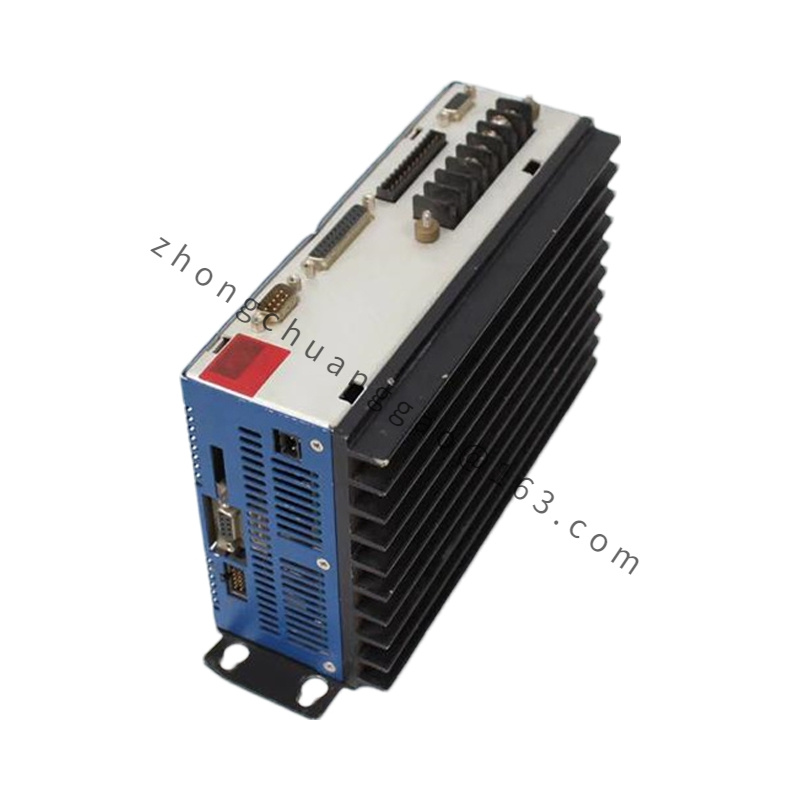
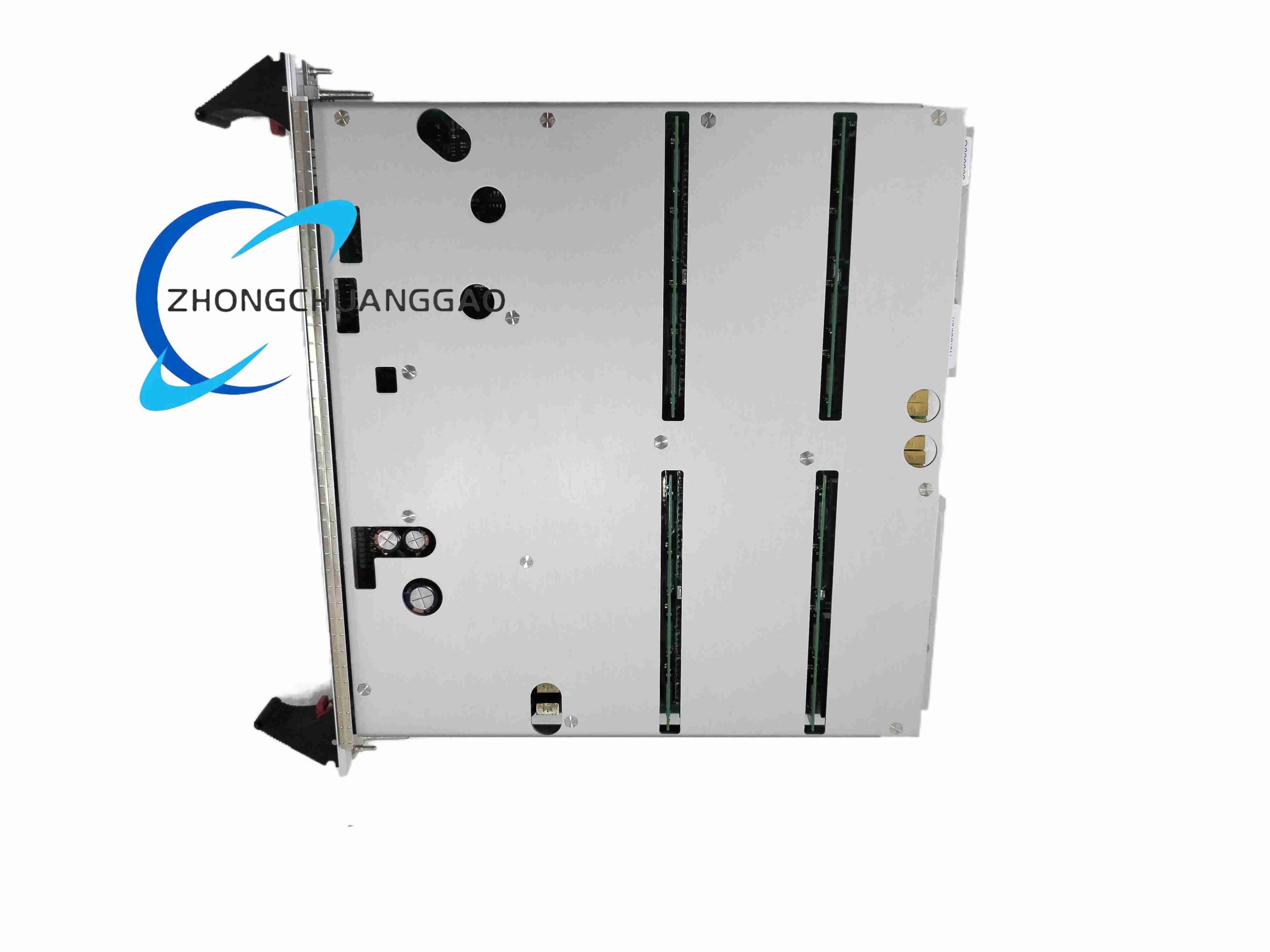
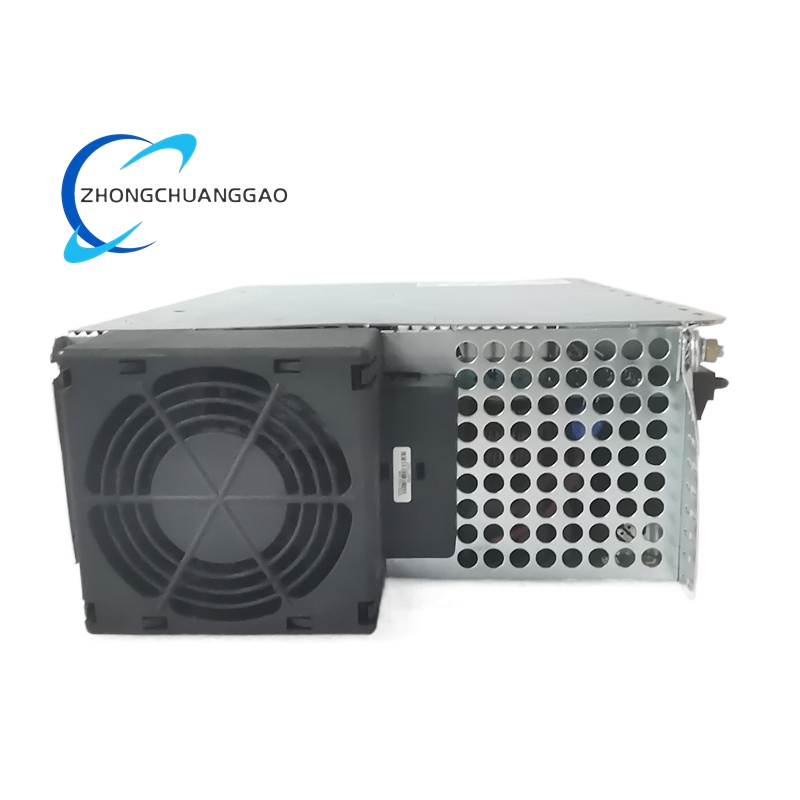
Kongsberg TRX32 303088G
Introduction: TRX32 with part reference 303088G is supplied for Kongsberg marine automation and positioning systems. In K-Chief and K-Pos installations it operates as a 32-channel digital input/output module for alarms, valve feedback, pump status, emergency shutdown and thruster-related discrete signals. In HiPAP underwater positioning installations it operates as a 32-channel acoustic transmit/receive board for transducer elements. The exact function is confirmed from the system type, rack model, firmware label and Kongsberg engineering configuration.
Detailed content
Technical Specifications — Digital I/O Configuration:
- Channels: 32 configurable digital points, each assignable as digital input or digital output
- Digital input voltage: 18 to 32 V DC, nominal 24 V DC
- Input types: dry contact and 24 V DC wet contact
- Input isolation: logic-to-field isolation for marine noise rejection
- Digital output type: electromechanical changeover relays
- Output rating: 2 A at 30 V DC, 2 A at 250 V AC resistive load
- Communication: dual-redundant Kongsberg K-Bus or CAN-based fieldbus
- Backplane supply: 24 V DC, redundant-capable
- Diagnostics: per-channel LEDs, open-circuit detection, short-circuit detection, module fault reporting
- Operating temperature: -25 to 70 °C
- Humidity: 5 to 95 percent relative humidity, non-condensing
- Coating: conformal-coated printed circuit board
- Protection: IP20 in cabinet
- Compliance: IEC 60945 maritime environmental and EMC requirements, class-society approvals per installed system
Technical Specifications — HiPAP Acoustic Configuration:
- Channels: 32 independent acoustic transmit/receive paths
- Function: drive transducer elements and receive transponder replies for high-precision acoustic positioning
- Supply: 18 to 32 V DC, nominal 24 V DC
- Typical load: approximately 22 W at full acoustic operation
- Supported racks: HiPAP 101, 351, 451, 501 and 502 transceiver cabinets per firmware and option record
- Onboard protection: channel fuses and power-supply supervision
- Status indication: power LED, Ethernet or link LED, I/O or channel activity LED
- Configuration: DIP switches, firmware PROM selection and APOS transceiver setup per installed system
Functional Features:
- Software-configurable I/O reduces spare-card variety in marine control rooms
- Relay outputs switch alarms, solenoid valves, motor starters and shutdown contacts without extra interposing relays
- Redundant communication maintains I/O availability during single-bus faults
- Hot-swap handling in supported racks enables replacement without full system shutdown
- Acoustic version provides channel-level redundancy so partial transducer loss does not stop positioning
- Diagnostic LEDs and system logs identify power loss, communication errors, open circuits and short circuits
Performance Parameters:
- Digital input recognition: 24 V DC high equals logic 1, open circuit or 0 V equals logic 0
- Input filtering: software or hardware debounce settings for contactor bounce and vibration
- Relay switching capacity: 2 A per contact for specified resistive loads
- I/O response: deterministic scanning through K-Bus or CAN according to K-Chief/K-Pos database
- Acoustic throughput: 32 simultaneous transducer paths with per-channel transmit and receive management
- Environmental performance: stable operation in engine-room, bridge and topside cabinet conditions within the stated temperature and humidity ranges
Material Composition:
- Conformal-coated multilayer FR-4 circuit board
- Gold-plated or controlled-immersion edge contacts according to rack type
- Electro-mechanical relay assemblies with silver-alloy contacts for digital-output versions
- Aluminum or steel rack hardware, ESD-protected handles and front panels
- Acoustic version includes transducer interface components, filters, power stages and RF/analog isolation materials
Structural Features:
- Plug-in module format for Kongsberg I/O racks or HiPAP transceiver racks
- Front LEDs for power, communication, channel status and fault indication
- DIP switches, jumpers or software addresses for system identification
- Shielded backplane connector for bus communication and 24 V DC power
- Ejector levers or locking handles for guided insertion and removal
- Separate field terminals, transducer cables or Ethernet/fiber interfaces according to system role
Working Principle — I/O Version: The module receives 24 V DC from the rack backplane. Each channel is configured as an input or output in the K-Chief or K-Pos database. Input channels sense dry or wet contacts and transmit state data over the redundant bus to the controller. Output channels energize relay coils according to controller commands and switch field devices. Diagnostics compare expected and actual channel states, then report open circuits, short circuits and communication faults to the operator workstation.
Working Principle — HiPAP Version: The board receives power and synchronization from the HiPAP transceiver rack. Each acoustic channel drives one transducer element with transmit pulses and receives echo or reply signals from underwater transponders. Return signals are filtered, amplified and passed to the positioning processor through the rack backplane. APOS software calculates range, position and system health using all active channels.
Application Scenarios:
- K-Chief engine-room monitoring: pump start/stop feedback, valve limit switches, tank level alarms, pressure alarms, fire detection and fan status
- K-Pos dynamic positioning: thruster feedback, rudder angle, mode signals, emergency-stop circuits and station-keeping interlocks
- LNG and cargo systems: tank pressure and temperature switches, valve position feedback, gas-detection alarms and emergency shutdown loops
- Offshore drilling and FPSO: ballast control, ESD execution, machinery alarms and safety-system signaling
- HiPAP positioning: DP drilling, ROV support, subsea survey, pipe-lay and offshore construction requiring underwater transponder tracking