Digital guide
You are here:
- Home
- Kollmorgen
- Kollmorgen S70302-NANANA-NA
Kollmorgen S70302-NANANA-NA
Product Overview
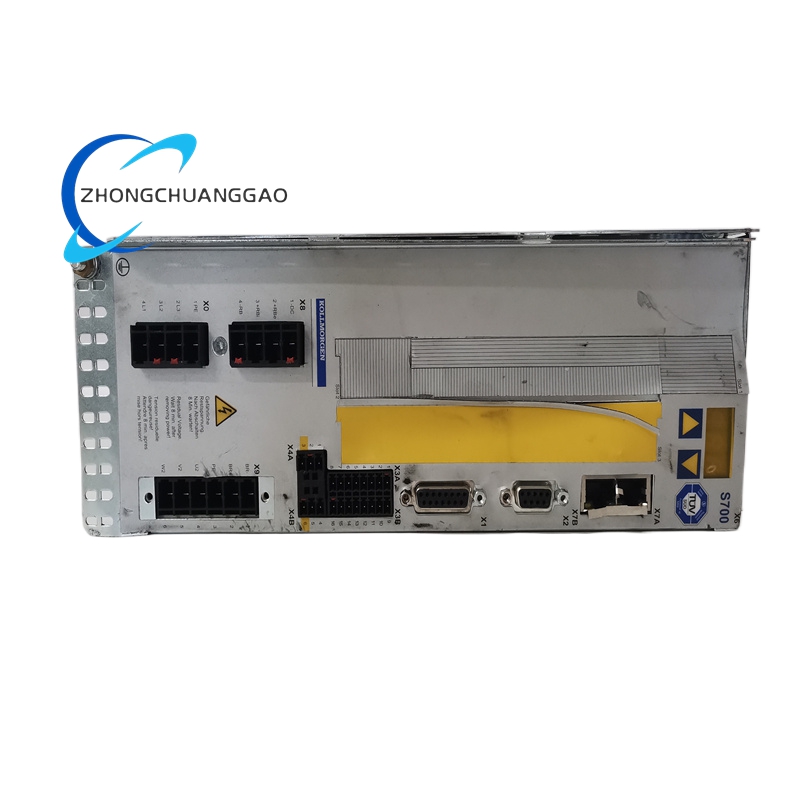
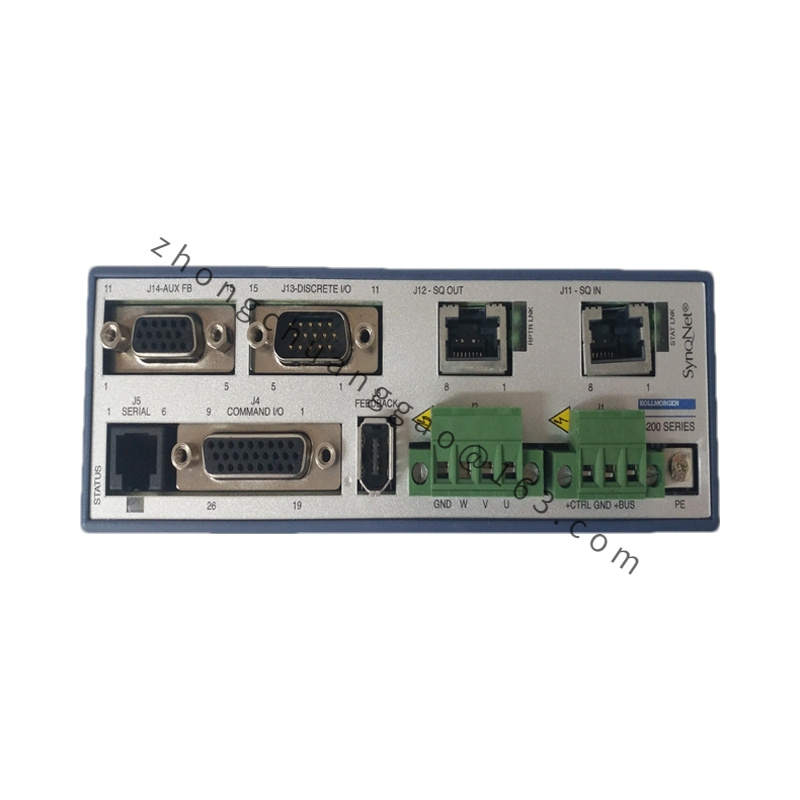
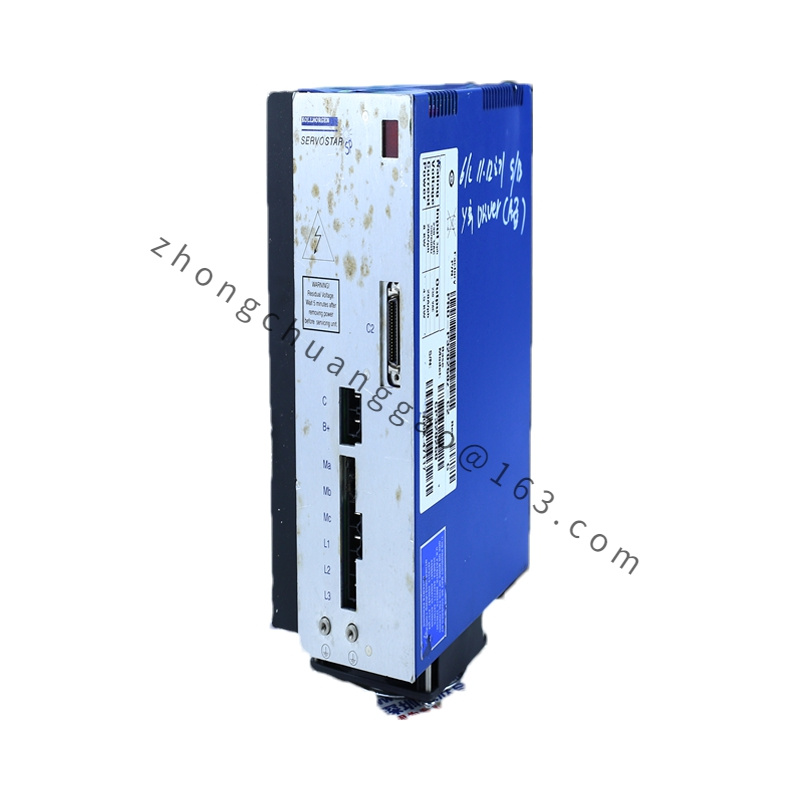
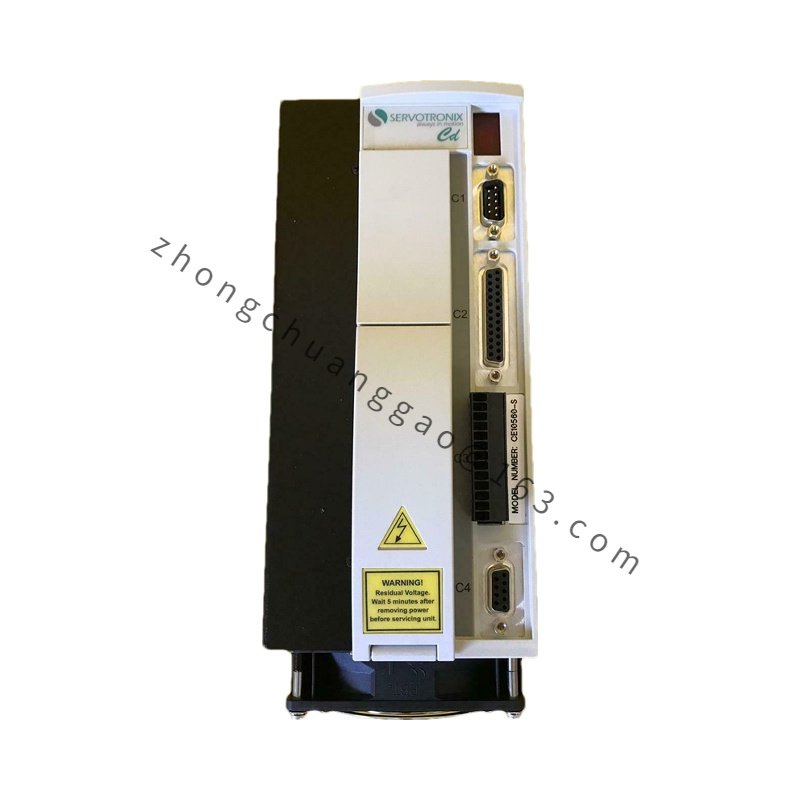
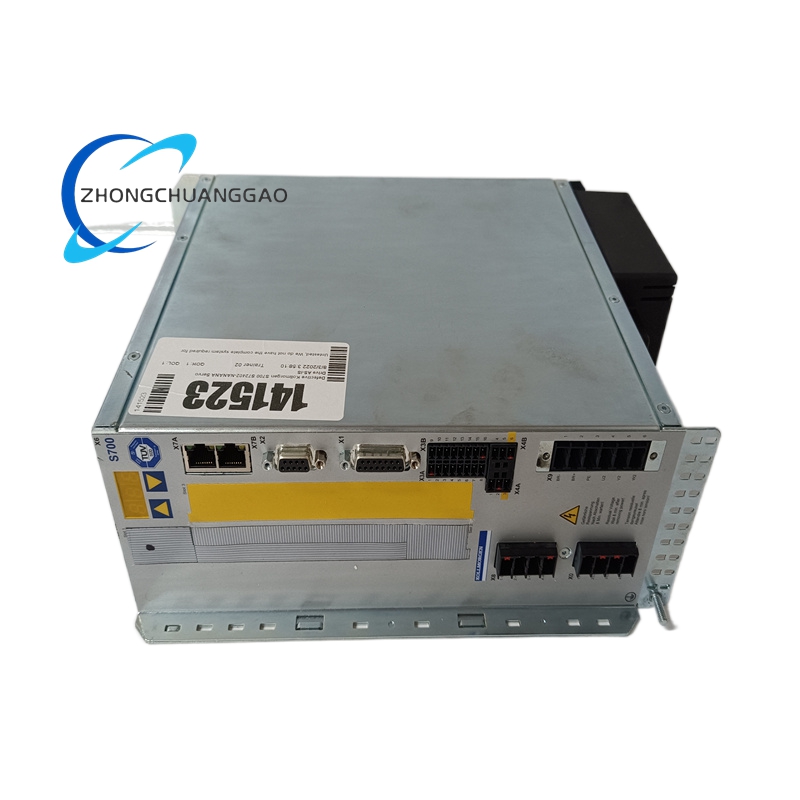
3kW class high-performance 3-phase 400V industrial servo drive optimized for heavy-duty continuous motion cycles, compatible with all Kollmorgen AKM, AKD, 6SM synchronous servo motors. Supports shared DC bus multi-axis system architecture to reduce power cabinet cost and energy consumption.
Detailed content
Core Technical Specifications
- Input Power Rating: Three-phase 208–480 VAC, 50/60 Hz wide grid tolerance
- Continuous Output Current: 15 Arms RMS
- Peak Output Current: 30 Arms RMS (4-second 200% overload rating)
- Nominal S1 Operating Apparent Power: 2.2 kVA
- Maximum DC Bus Link Voltage: 900 VDC
- Control Loop Update Rates: Current loop 0.5 μs; Speed loop 31.25 μs; Position loop 62.5 μs
- Built-in Communication Protocols: EtherCAT, CANopen, Modbus TCP/IP
- Feedback Compatibility: EnDat 2.2, BiSS, HIPERFACE, resolver, sine/cosine incremental encoder, SFD
- Mechanical Dimensions: 70 mm (W) × 345 mm (H) × 243 mm (D)
- Net Unit Weight: 4.4 kg
- Environmental Standard: IP20 cabinet-only installation; Operating temperature 0°C ~ +45°C; Storage -30°C ~ +75°C; Vibration compliance DIN EN 60034-14 Class N
Function Features
- Full triple closed-loop control: Position, velocity, torque independent mode switching
- SIL 3 safety stop function (Safe Torque Off STO) certified to IEC 61508
- Multi-axis electronic cam, flying shear, master-slave synchronous following
- Auto resonance suppression, adaptive load inertia observer
- Isolated 32 digital I/O channels with high-speed capture input for position latch
- Shared DC bus energy exchange between axes to cut braking resistor heat loss
- Full fault diagnostic system with real-time fault code storage and waveform capture
- MotionEngine embedded programming for standalone operation without external PLC
Performance Highlights
- Industry-leading high bandwidth control loop delivers sub-millisecond trajectory response
- 200% sustained overload capacity handles high acceleration heavy load cycles
- EtherCAT real-time bus with 125 μs cycle synchronization for multi-axis precision linkage
- Low harmonic input power circuit improves factory power factor above 0.95
Material & Structural Characteristics
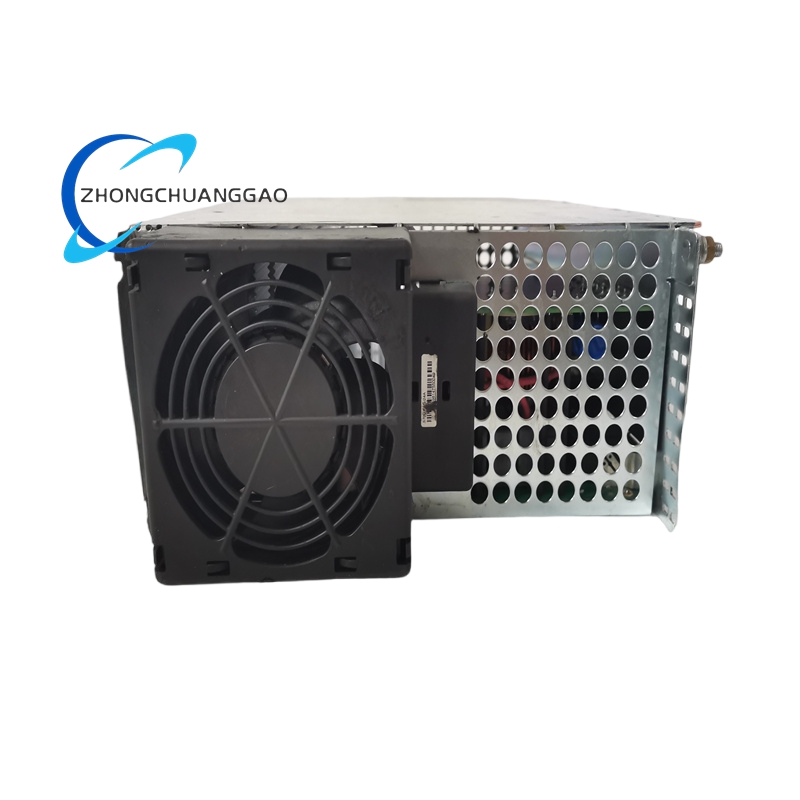
- Main cooling radiator: Thick aluminum alloy extrusion with vertical deep fin heat dissipation
- Chassis frame: Galvanized cold-rolled steel sheet anti-corrosion coating
- Signal connectors: D-SUB gold-plated shielded connectors; power terminals spring-clamp copper alloy
- Internal PCB: Double-sided conformal coated circuit board for dust and moisture resistance
- Mounting design: Vertical wall-mounted screw fixing structure for industrial control cabinet
Working Principle
Three-phase AC input rectifies to shared high-voltage DC bus; internal IGBT power module converts DC to variable-frequency three-phase AC for servo motor drive. High-speed DSP processes encoder feedback signal to adjust PWM output dynamically. Shared DC bus enables regenerative energy from decelerating axes to power accelerating axes; excess energy dissipated via external braking resistor. STO safety circuit cuts IGBT drive signals immediately upon safety trigger to eliminate motor torque output.
Applicable Industries
Printing press equipment, metal forming machine tools, automated packaging lines, robotic palletizing systems, woodworking CNC machinery, injection molding auxiliary servo axes, textile high-speed looms
Installation Requirements
- Vertical wall mount inside IP54+ industrial electrical cabinet, no horizontal installation allowed
- Top and bottom minimum 80 mm convection cooling clearance required
- Power cable shield layer must be 360° clamped to cabinet metal ground bar
- Shared DC bus wiring strictly follow manufacturer specified cross-section copper cable
- Cabinet forced air cooling required for continuous full-load operation above 35°C ambient
Operation Precautions
- Verify three-phase input phase sequence before first power-up
- STO safety circuit wiring must implement dual-channel redundant design
- Do not hot-plug power or feedback connectors under energized state
- Perform quarterly heat sink dust cleaning to avoid overheating shutdown
- Comply with CE, UL, TÜV safety certification wiring specifications