.jpg "S61000(1)")
Digital guide
You are here:
- Home
- Kollmorgen
- Kollmorgen 1207-NBCC-0
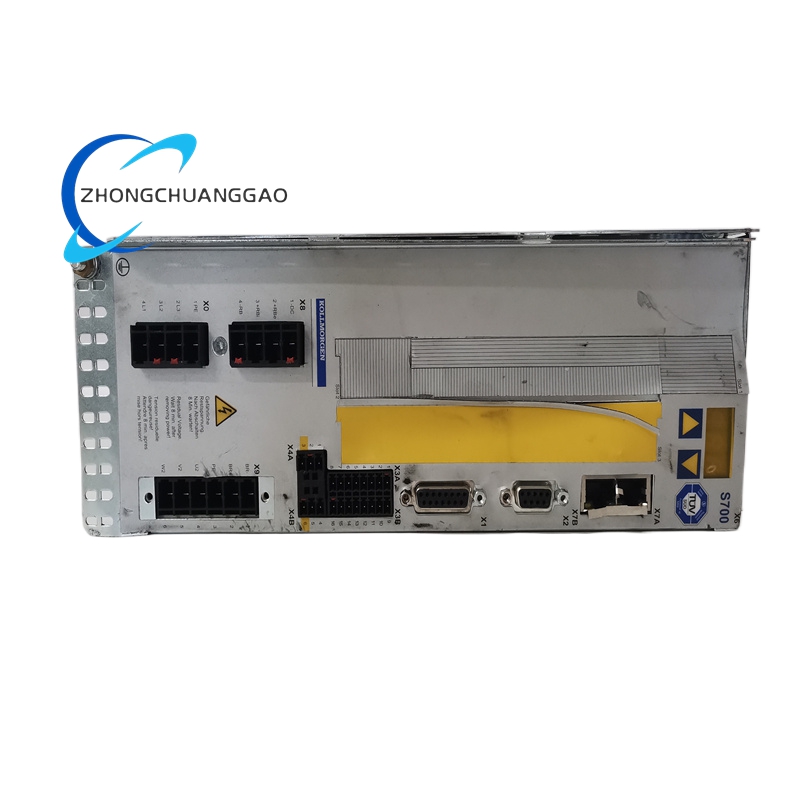
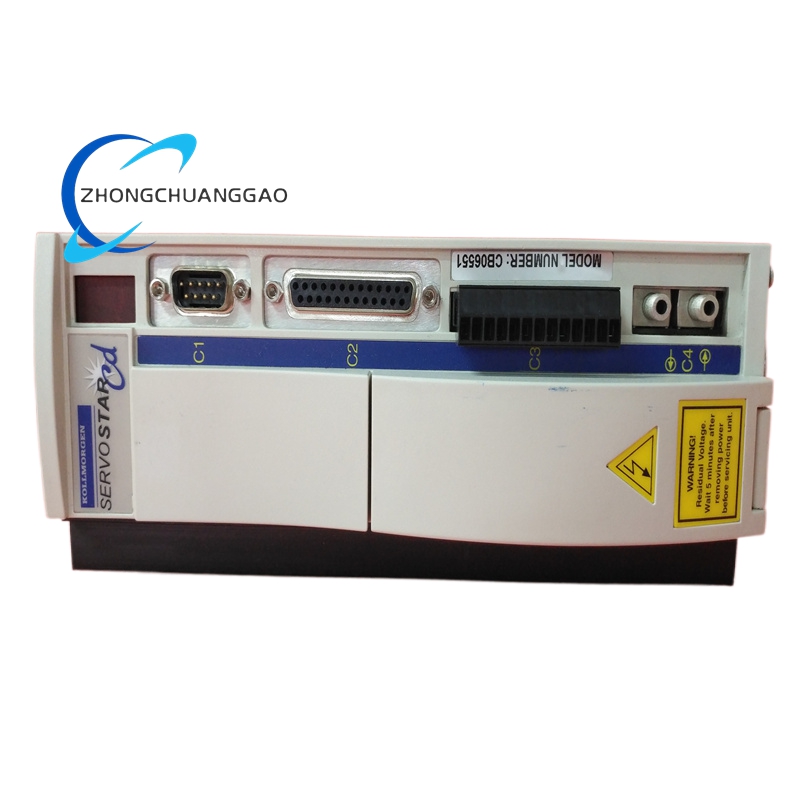
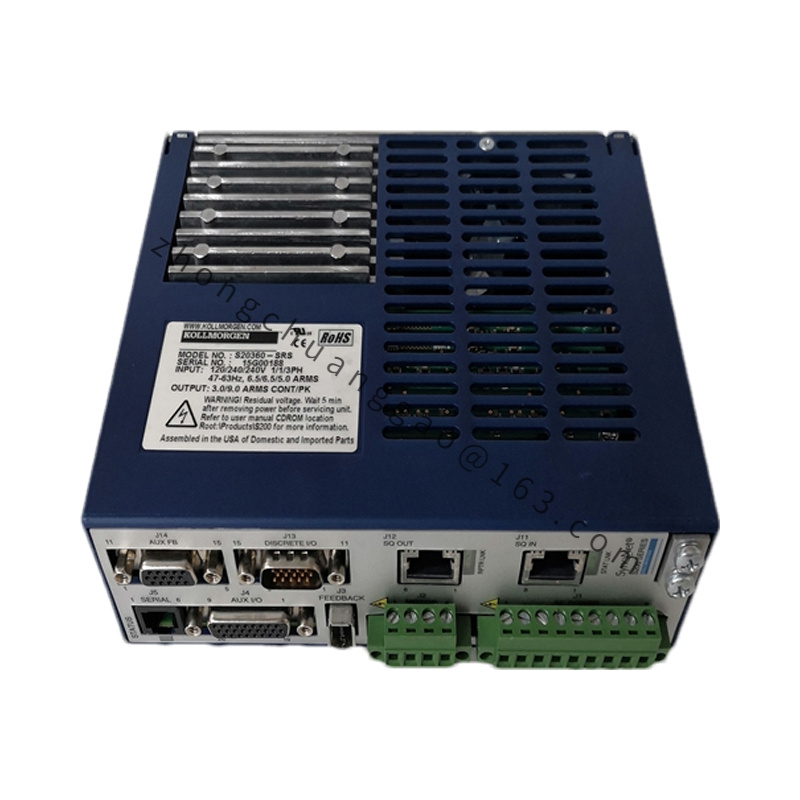
Kollmorgen 1207-NBCC-0
Product Brief
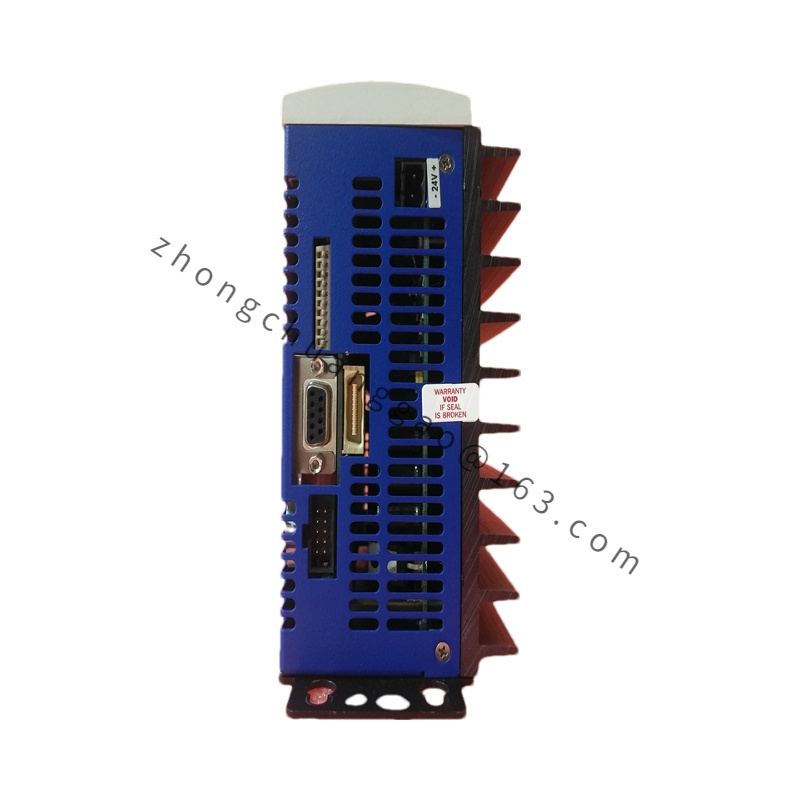
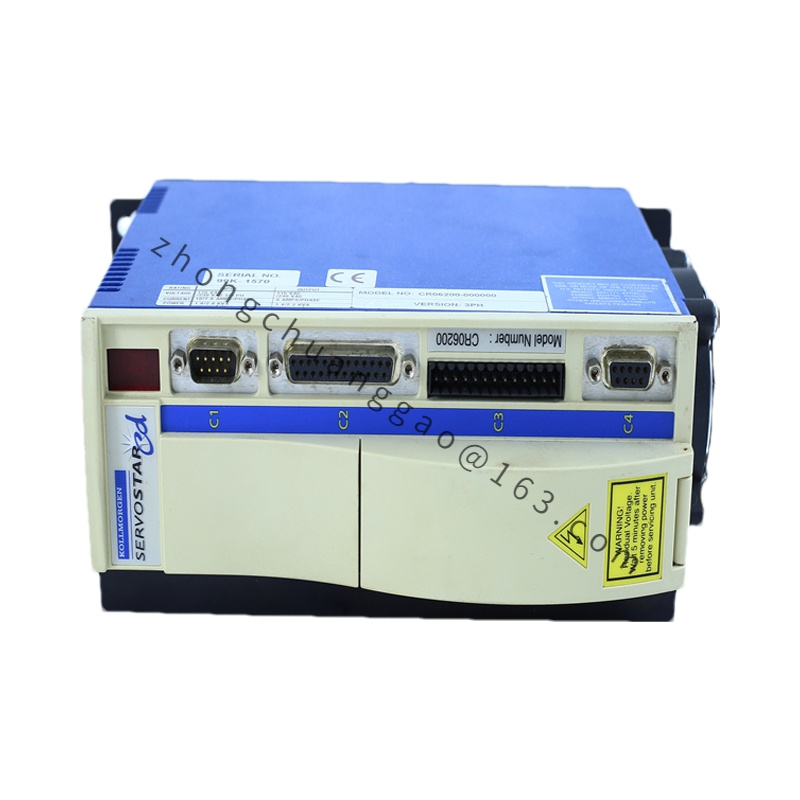
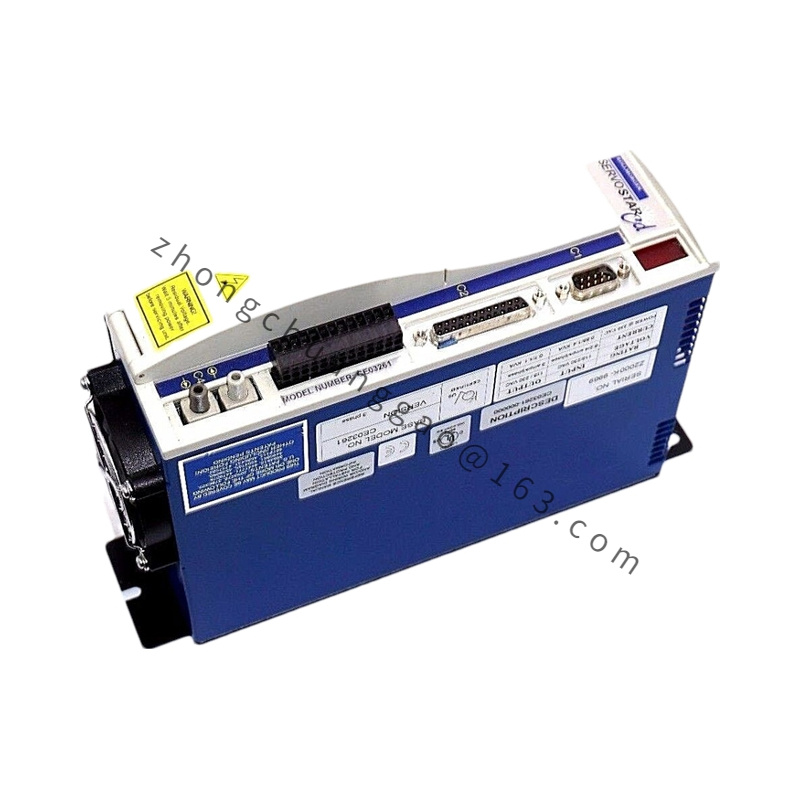
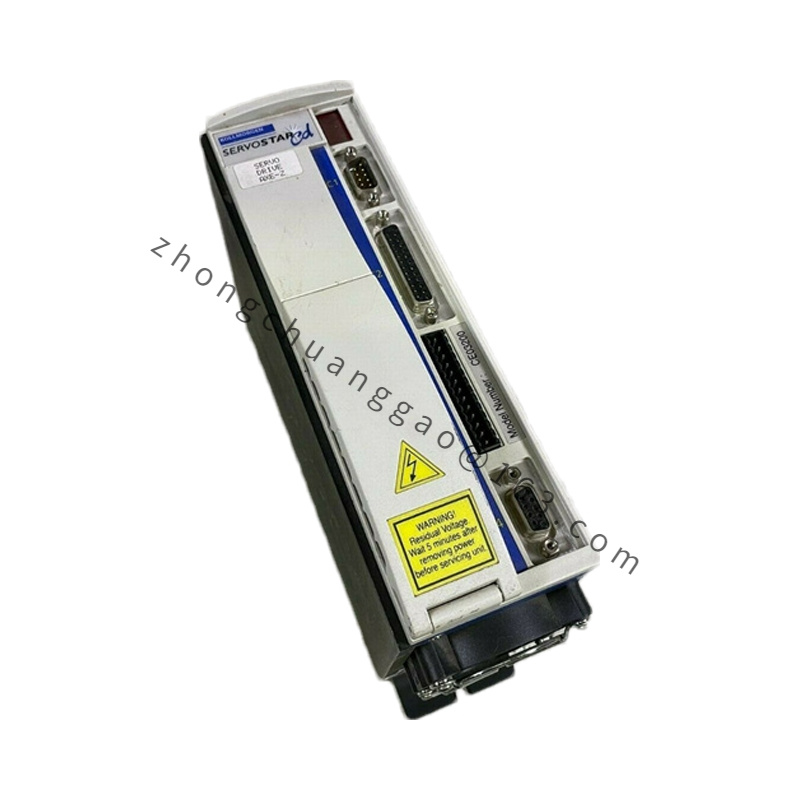
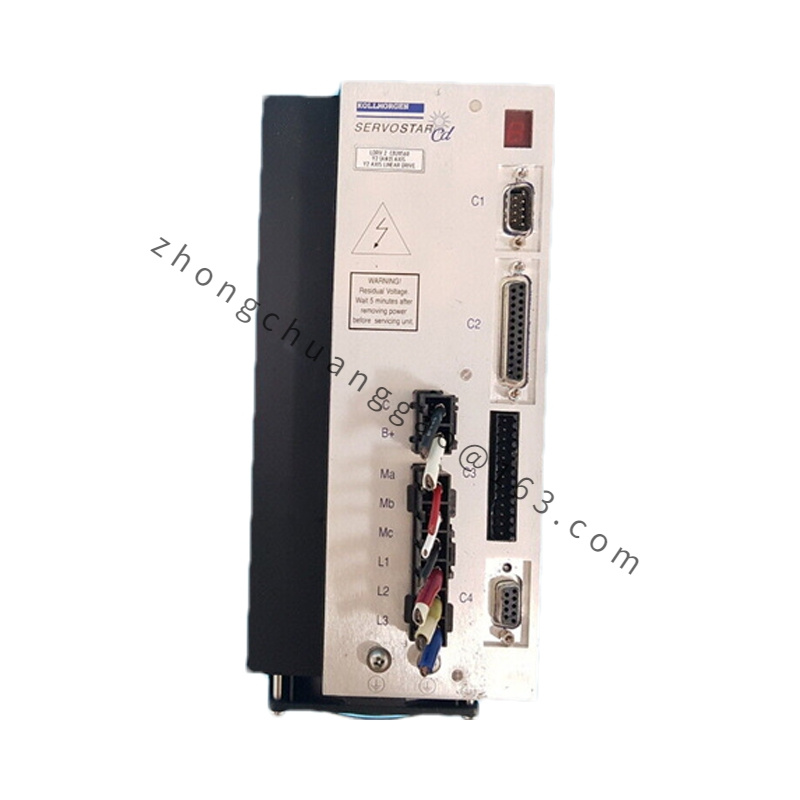
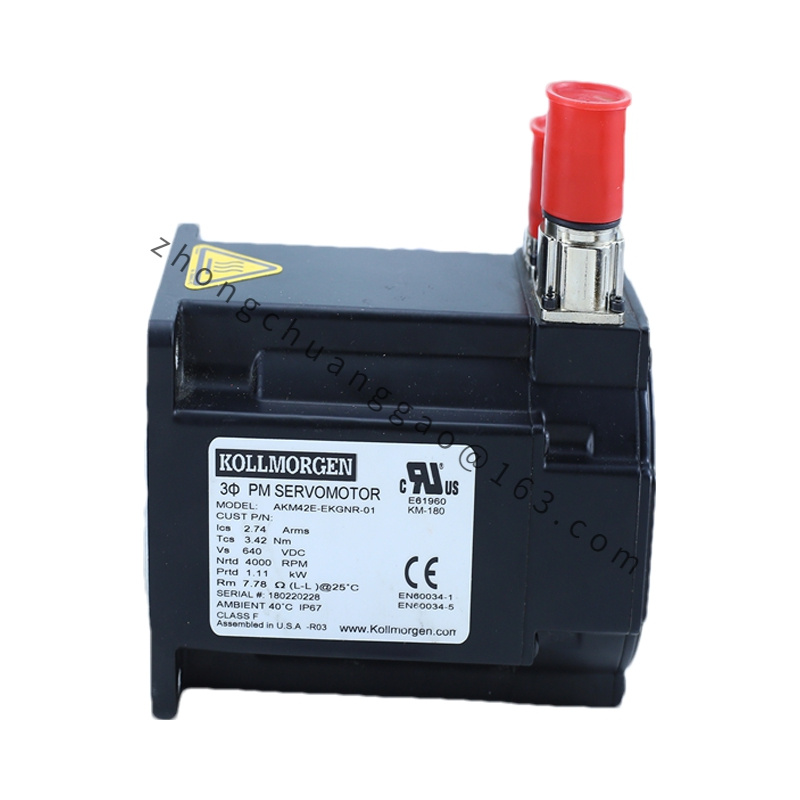
High-power three-phase industrial servo amplifier designed for global 380/480VAC factory power grids; suffix NBCC defines multi-protocol communication and universal feedback interfaces, supports all Kollmorgen large-frame AKM high-torque servo motors, integrates SIL2 STO safety function and full closed-loop triple control algorithm.
Detailed content
Technical & Performance Specifications
- Input Power Specification: Three-phase 380/480 VAC mains input, universal voltage operating range 187–528 VAC, 50/60Hz grid frequency
- Continuous Output Current: 12 Arms RMS
- Peak Overload Output Current: 30 Arms RMS (250% overload capacity)
- Continuous Rated Output Power: 7500 W
- Triple Closed-Loop Refresh Speed: Torque Loop = 0.67 μs, Velocity Loop = 62.5 μs, Position Loop = 125 μs
- Suffix Hardware Definition (NBCC):
N = Dual-port EtherCAT industrial Ethernet master/slave communication
B = Dual-channel CANopen DS402 servo protocol bus interface
C = Universal multi-feedback encoder interface support
C = Standard extended digital I/O module compatibility
- Supported Feedback Types: SFD Smart Feedback, EnDat 2.2, BiSS, Sine/Cos Analog Encoder, Incremental Encoder, HIPERFACE, Resolver
- Safety Function: Integrated SIL2 certified STO (Safe Torque Off) safety circuit
- Physical Dimensions: Height 196 mm, Width 95 mm, Depth 172 mm
- Protection Class: IP20, cabinet internal DIN rail mounting only
- Operating Ambient Temperature: 0°C ~ +40°C for full rated power output; 6% power derate per 1000 m altitude above sea level
- Certifications: UL, cURus, CE, IEC 61508 SIL2 machinery safety certification
- Storage Temperature Range: -40°C ~ +85°C
Functional Features
- Dual RJ45 EtherCAT bus ports support daisy-chain multi-axis synchronization with synchronization precision ≤1 μs
- Dual CANopen bus channels enable independent servo motion control via DS402 protocol for third-party PLC compatibility
- Universal multi-feedback interface auto-identifies all Kollmorgen motor feedback hardware without manual parameter configuration
- Built-in electronic cam, electronic gear ratio, master-slave multi-axis synchronous motion, flying shear and linear interpolation motion algorithms
- 16-channel expandable 24VDC digital input/output terminals for external sensor, actuator and safety signal connection
- Full automatic motor parameter identification and adaptive load auto-tuning algorithm to suppress mechanical resonance
- Fault log storage module records 1000 timestamped fault events including overcurrent, overvoltage, overtemperature, feedback loss and short-circuit
- USB front debug port and remote EtherCAT firmware upgrade support without hardware disassembly; fully compatible with Kollmorgen WorkBench configuration software
Material Composition
- Outer Enclosure: Thickened cold-rolled steel sheet with black electrostatic anti-corrosion coating
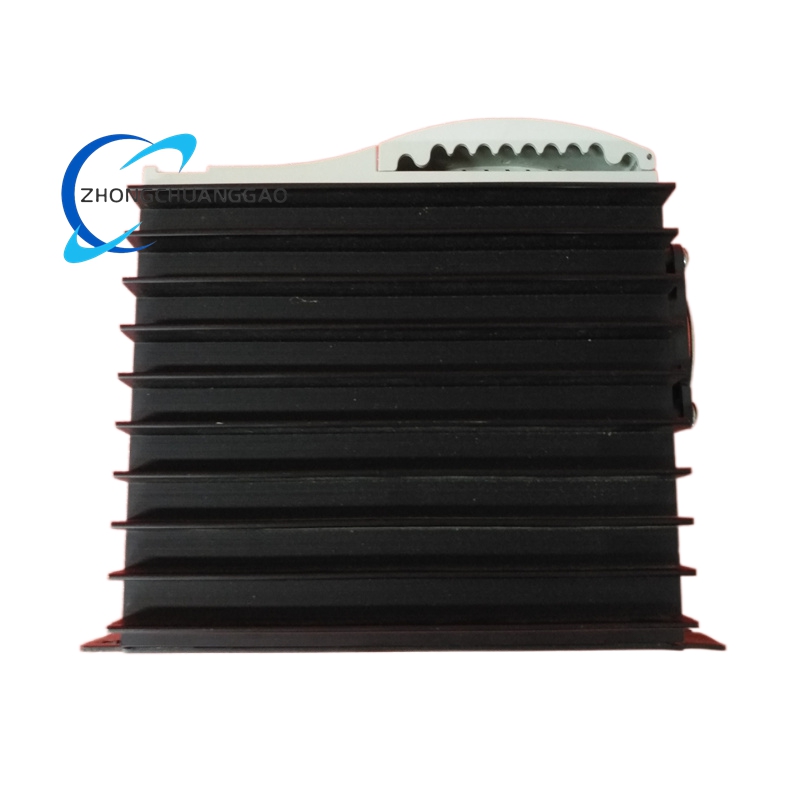
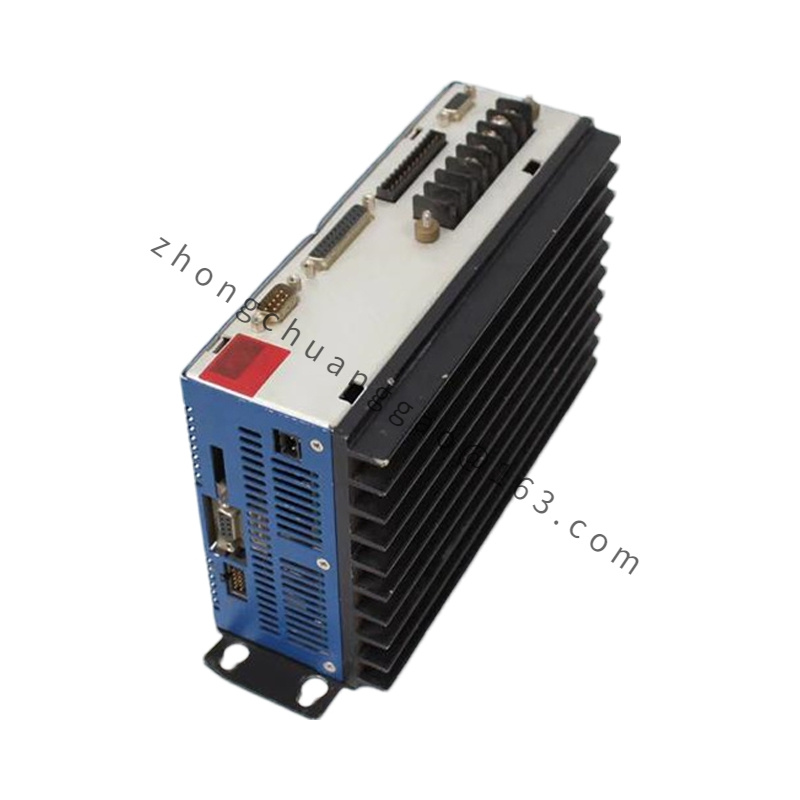
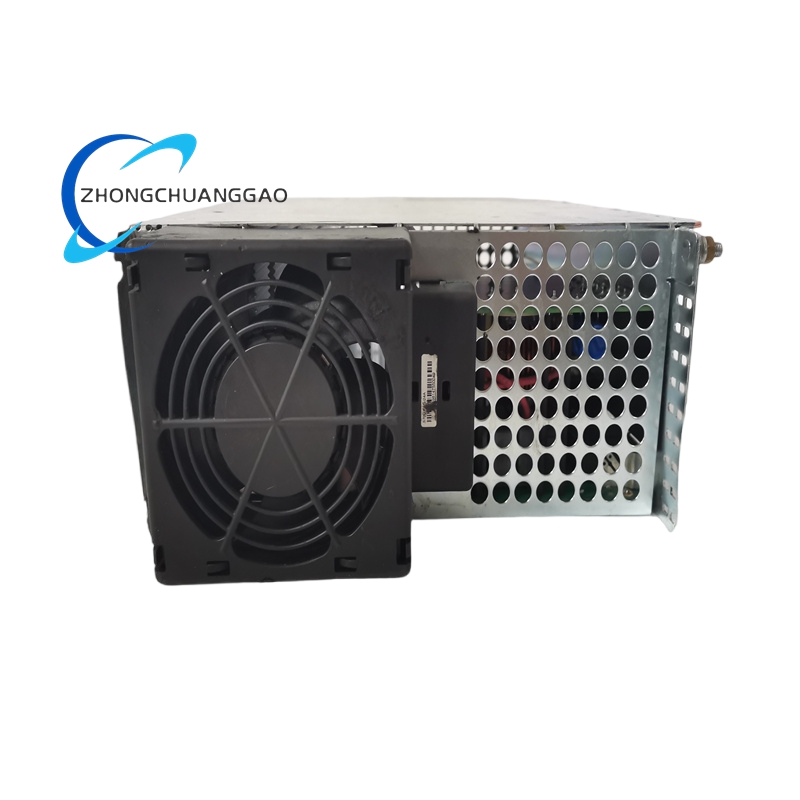
- Main Heat Dissipation Module: Large-volume extruded aluminum alloy fin heat sink with integrated axial cooling fan
- Power Stage Core: High-voltage silicon IGBT power transistors mounted on insulated aluminum ceramic substrates
- Terminal Blocks: High-voltage resistant flame-retardant PA66 plastic with tin-plated high-current copper conductive terminals
- Internal Circuit Substrates: High-withstand-voltage FR4 flame-retardant PCB boards with surge protection components
- Communication Connectors: Gold-plated RJ45 and DB9 metal contact connectors for stable long-term bus transmission
Structural Characteristics
- Standard vertical 35 mm DIN rail mounting design for sealed industrial high-voltage control cabinet layout
- Physical isolation partition layout separating high-voltage power circuit, low-voltage control signal circuit and communication bus circuit to eliminate high-voltage electromagnetic interference
- Bottom forced air intake channel, top hot air exhaust convection cooling system with built-in cooling fan
- Front panel integrated multi-color LED status indicators for power supply, fault alarm, EtherCAT bus communication and axis running state; front USB debug port accessible without cabinet disassembly
- Rear independent separated terminal blocks for three-phase high-voltage power input, motor three-phase power output and encoder feedback wiring to avoid wiring cross-interference
Working Principle
- Three-phase 380/480VAC industrial mains input passes internal EMC filter and three-phase full-wave rectifier to generate stabilized high-voltage DC bus power
- High-speed DSP digital motion controller executes torque, velocity and position triple closed-loop control algorithms, outputs high-frequency PWM modulation signals to high-voltage IGBT power stage
- IGBT power module converts DC bus voltage to three-phase sinusoidal variable-frequency AC power to drive servo motor stator windings
- Motor-mounted high-resolution feedback sensor transmits real-time rotor position and velocity digital data back to drive universal feedback interface to form full closed-loop control cycle
- Dual EtherCAT and CANopen bus interfaces receive motion command frames from upper master PLC/controller; internal processor distributes synchronized motion instructions to connected servo axes without intermediate signal conversion
Advantage Highlights
- 12A continuous / 30A peak high-current output perfectly matches large-frame AKM high-torque servo motors for heavy-load industrial equipment
- Dual EtherCAT + CANopen multi-protocol bus architecture achieves compatibility with all mainstream industrial motion controllers
- Ultra-fast triple closed-loop refresh rate delivers rapid dynamic response for heavy-load rapid acceleration and deceleration motion cycles
- Universal multi-feedback interface eliminates separate encoder adapter hardware for mixed motor model production lines
- Integrated SIL2 STO safety circuit removes external safety relay hardware cost and wiring complexity
- Wide 187–528 VAC three-phase input range adapts to global factory high-voltage power grid fluctuation standards
Applicable Industries
Heavy-duty CNC machining centers, metal stamping automated production lines, large textile spinning machinery, plastic injection molding main servo axes, rotary offset printing presses, heavy transfer packaging equipment, automated warehouse stacker cranes, metal forging automation equipment
Installation Requirements
- Vertical mounting on standard 35 mm DIN rail inside isolated sealed high-voltage control cabinet
- Mandatory ventilation clearance: 60 mm top exhaust gap, 40 mm bottom intake gap, 25 mm lateral separation gap between adjacent high-voltage servo drives
- Cabinet high-temperature resistant forced cooling fan mandatory for continuous full-load operation at ambient temperature above 30°C
- All three-phase high-voltage power cables adopt thick cross-section shielded twisted pair cables with single-point shield grounding at cabinet earth bar
- Strictly separate wiring channels for high-voltage power cables and low-voltage encoder/signal cables to block high-voltage electromagnetic noise induction
- STO safety circuit wiring must strictly follow official high-voltage safety schematic drawings; unapproved wiring voids SIL2 safety certification
Usage Precautions
- Forbid exposed installation outside isolated high-voltage cabinet; conductive dust and humidity create fatal high-voltage short-circuit hazards
- Maintain three-phase input voltage strictly within 187–528 VAC operating range; sustained overvoltage permanently damages internal high-voltage IGBT power modules
- Execute full-load motor auto-tuning procedure before formal production operation; mismatched motor parameters trigger violent torque oscillation and overcurrent shutdown protection
- Never disconnect motor power cable while drive remains energized; live disconnection generates high-voltage electric arcs that burn power stage terminal pins
- Install matched three-phase EMC filter on input power supply to fully comply with CE EMC electromagnetic compatibility standards
- Clean heat sink fins and cooling fan dust accumulation every 3 months in metal processing workshops to prevent automatic overtemperature shutdown protection